Embassy Row on Massachusetts Avenue stands as a testament to the transition of Washington DC from a swampy capital to a global power center. This self-guided walk invites you to explore the architectural splendor of the Gilded Age and the modern diplomatic weight of the city. Originally known as 'Millionaires' Row,' this stretch was once the playground of the American elite, where industrial titans built palatial estates to showcase their wealth and influence. As the Great Depression and changing taxes made these mansions difficult to maintain, foreign governments stepped in, transforming private residences into the prestigious diplomatic missions we see today. On this walking route, you will witness a stunning array of styles, from French Beaux-Arts to Neo-Classical and traditional Islamic architecture. The route begins at the Dupont Circle area, winding through the heart of the diplomatic district. You will see the opulent Walsh Mansion, now the Embassy of Indonesia, and the Larz Anderson House, which remains one of the most magnificent private homes ever built in the capital. As you stroll, you will discover hidden gems like the Spanish Steps and the serene Islamic Center of Washington DC, before concluding at the monumental British Embassy. This neighborhood stroll offers more than just pretty facades; it provides a window into the intersection of global politics and art. Whether you are interested in the intricate stonework of a Lutyens-designed embassy or the stories of the socialites who once hosted legendary galas here, this self-guided walking tour Washington DC provides the flexibility to linger at your favorite sites. Discover the history of the Society of the Cincinnati and the unique cultural contributions of the various nations represented along this storied avenue. This architecture-focused journey is perfect for those who want to experience the quiet majesty of the city away from the crowded National Mall.
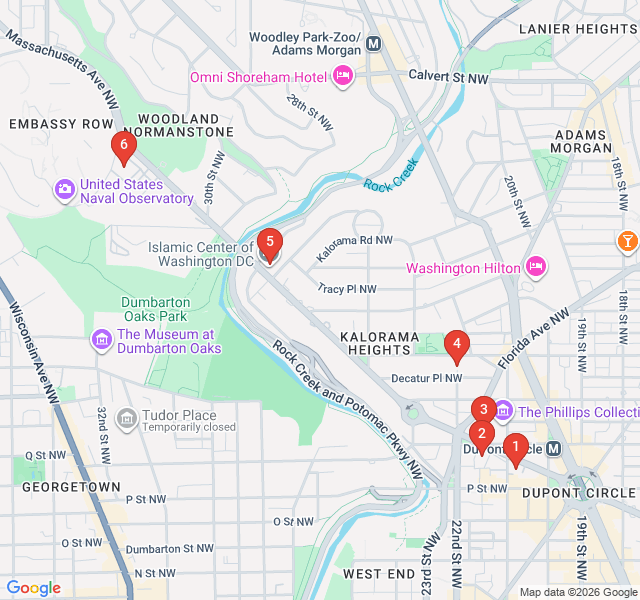
Numbers indicate the order of stops on the tour
Start your self-guided adventure at the Walsh Mansion, now the Embassy of Indonesia. Completed in 1903 for Thomas Walsh, who struck it rich in the Colorado gold mines, this 60-room mansion cost a staggering $850,000 at the time—the most expensive home in the city. The architecture is a prime example of the Beaux-Arts style that defined the Gilded Age. Walsh’s daughter, Evalyn Walsh McLean, later owned the famous Hope Diamond and hosted legendary parties here. Notice the intricate stone carvings and the grand scale that was designed to impress the Washington elite. Today, it serves as a bridge between the United States and Indonesia, standing as a beautiful symbol of diplomatic evolution.
A short walk away brings you to the Larz Anderson House, the headquarters of the Society of the Cincinnati. Built between 1902 and 1905 for American diplomat Larz Anderson and his wife Isabel, this home was designed to be a 'palace of the people' for entertaining. The house features a stunning courtyard and a facade that blends French and English architectural influences. Inside, it houses a museum dedicated to the American Revolution, but the exterior alone is a masterclass in early 20th-century residential design. It is one of the few remaining Gilded Age mansions on the row that still retains its original interiors and historic collections, offering a rare glimpse into the lifestyle of the era's elite.
Continue to the Townsend Mansion, now home to the prestigious Cosmos Club. This private social club, founded in 1878, is dedicated to the 'advancement of its members in science, literature, and art.' The building itself is an architectural jewel, originally designed in the French Renaissance style by Carrère and Hastings—the same architects who designed the New York Public Library. Its members have included presidents, Nobel Prize winners, and Supreme Court justices. While the interior is reserved for members, the exterior's limestone detail and grand windows reflect the intellectual and social weight of the institutions that call Embassy Row home. It stands as a pillar of Washington’s cultural and academic history.
Tucked away on S Street is one of DC's most charming hidden gems: the Spanish Steps. Built in 1911 to connect S Street with 22nd Street, these steps were inspired by the famous Piazza di Spagna in Rome, though on a much more intimate scale. Surrounded by lush greenery and a granite fountain at the top, they offer a peaceful respite from the bustle of the city. The steps were part of a city planning effort to manage the steep terrain of the neighborhood while adding aesthetic value. It is a favorite spot for local photographers and those seeking a quiet moment. The architecture here demonstrates how urban infrastructure can be transformed into a work of art.
As you move further up Massachusetts Avenue, the architecture shifts dramatically at the Islamic Center of Washington DC. When it opened in 1957, it was the largest mosque in the Western Hemisphere. The building is a stunning fusion of Ottoman and Persian styles, featuring intricate mosaic tiles, a 160-foot minaret, and a courtyard designed with classical Islamic geometric patterns. Interestingly, the building is angled specifically to face Mecca, which required a slight deviation from the street grid. The craftsmanship involved in the stonework and the interior calligraphy was executed by master artisans from across the Muslim world, making this not just a place of worship, but a cultural monument to international cooperation.
The final stop on this walking route is the British Embassy, a sprawling complex designed by the renowned British architect Sir Edwin Lutyens. Completed in 1930, the main building is designed in the Queen Anne style, reminiscent of an English country manor. It is the largest British diplomatic mission in the world. Look for the famous statue of Winston Churchill standing outside; one foot is placed on British soil (the embassy grounds) and the other on American soil, symbolizing the 'Special Relationship' between the two nations. The embassy has hosted countless historical figures and remains a central hub for global diplomacy, marking a grand conclusion to your journey through the architectural history of the capital.
Download Zigway to experience "Embassy Row: A Global Architectural Odyssey" with AI-powered audio narration. Walk at your own pace while stories unfold around you.
 Easy
EasyWashington DC, United States
Trace the footsteps of Abraham Lincoln and his conspirators on this self-guided history walk through the heart of Washington D.C.
 Easy
EasyWashington DC, United States
Uncover the secrets of DC’s most infamous political scandals on this self-guided walk from the historic Octagon to the iconic Watergate Hotel.
 Moderate
Washington DC, United States
Explore Georgetown’s secret alleys, Kennedy family haunts, and cinematic landmarks on this self-guided walk through DC’s historic core.
 Easy
EasyWashington DC, United States
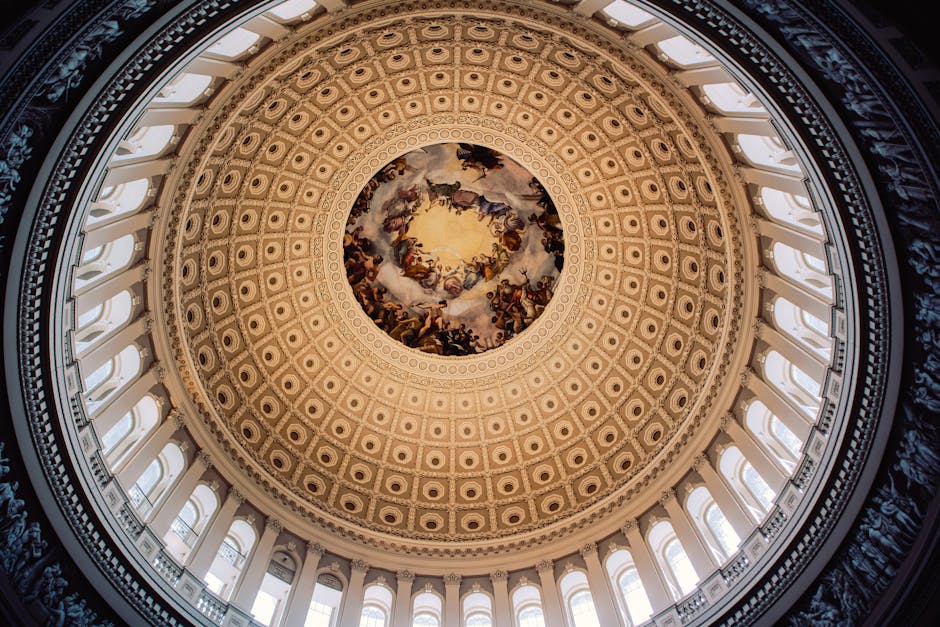
Uncover the scandals and secrets of Lafayette Square on this self-guided audio walk through the historic heart of Washington DC.
 Moderate
Gdansk, Poland
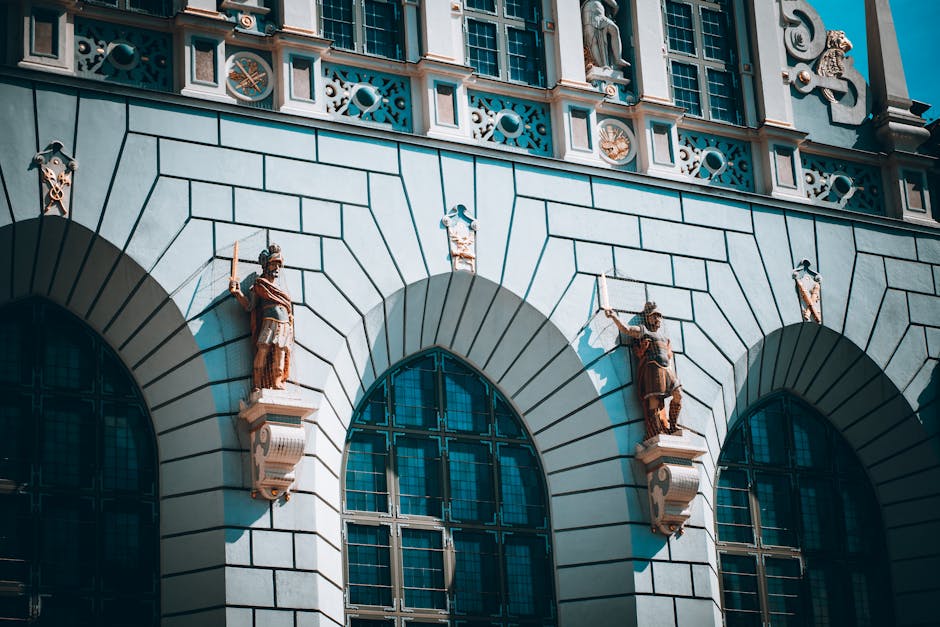
Discover the origins of WWII in Gdansk on this self-guided walk through heroic last stands, massive museums, and strategic hilltop fortifications.
 Easy
EasyNairobi, Kenya
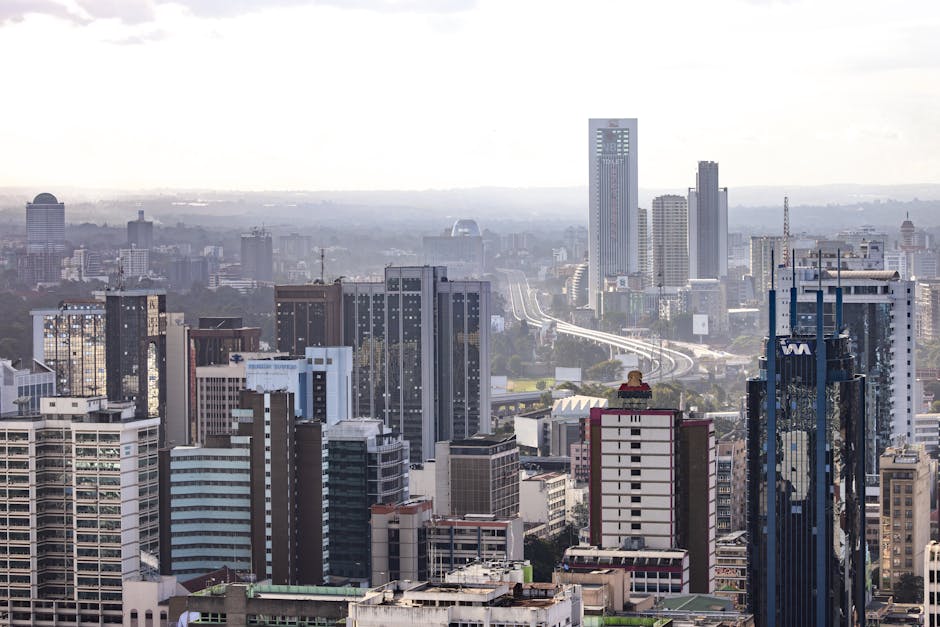
Discover Nairobi's iconic skyline on this self-guided architecture walk through the CBD’s most famous modernist and Brutalist landmarks.
 Moderate
Vienna, Austria
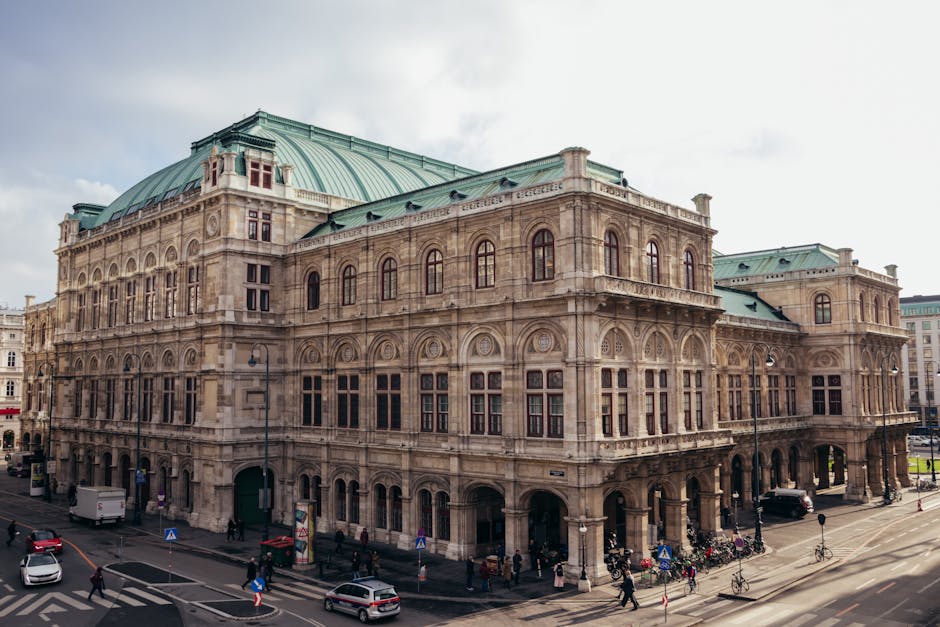
Discover the noir world of The Third Man and Cold War Vienna on this atmospheric self-guided audio walk through the historic Innere Stadt.
 Easy
EasyKrakow, Poland
Explore the prestigious Jagiellonian University district, featuring Neo-Gothic architecture, Baroque churches, and Krakow's hidden scholarly gems.
 Easy
EasyNew York City, United States
Explore the golden age of Manhattan architecture on this self-guided walk through Midtown's iconic Art Deco skyscrapers and historic landmarks.
 Easy
EasyNew York City, United States
Discover the literary legends, jazz haunts, and revolutionary history of Greenwich Village on this immersive self-guided walking route.
 Easy
EasyNew York City, United States
Explore Manhattan's transformation on this self-guided walk from the High Line to Hudson Yards.
 Easy
EasyNew York City, United States
Discover the world's finest cast-iron architecture and the evolution of fashion on this self-guided walking route through NYC's iconic SoHo district.
