Tucked away just behind the grand palaces and museums of Vienna’s city center lies a neighborhood that feels more like a cozy village than a capital city. Spittelberg, the crown jewel of the 7th District (Neubau), is a maze of narrow cobblestone lanes and beautifully preserved Biedermeier-era houses. This self-guided walk invites you to step away from the monumental Ringstrasse and into the bohemian heart of Vienna, where history meets a modern, creative spirit. Your walking route begins at the MuseumsQuartier, a massive cultural complex that was once the imperial stables. From there, you will transition from the scale of empires to the intimate scale of the 19th-century middle class. As you wander through Gutenberggasse and Spittelberggasse, you will see the distinctive Biedermeier architecture—characterized by simplicity, elegance, and a focus on domestic life—that flourished between 1815 and 1848. These streets have a colorful past; once a notorious red-light district on the outskirts of the city, Spittelberg was saved from demolition in the 1970s and transformed into one of Vienna's most desirable and atmospheric residential areas. Along this neighborhood stroll, you will discover hidden courtyards, independent boutiques, and quiet squares like Sankt-Ulrichs-Platz, which feels like a scene from a historical film. This walking tour Vienna highlights the contrast between the city's imperial grandeur and its local, artistic side. Whether you are interested in the evolution of urban architecture or simply want to find the best spots for photography and coffee, this route offers a unique perspective. By the time you reach the Volkstheater, you will have experienced the authentic, creative pulse of Neubau, a district that continues to be a favorite for locals and travelers alike who seek the 'real' Vienna beyond the postcards. **Note:** This area is known for its ever-changing character. Street art, pop-up venues, and temporary exhibitions may differ from what's described. That's part of the adventure - you might discover something entirely new!
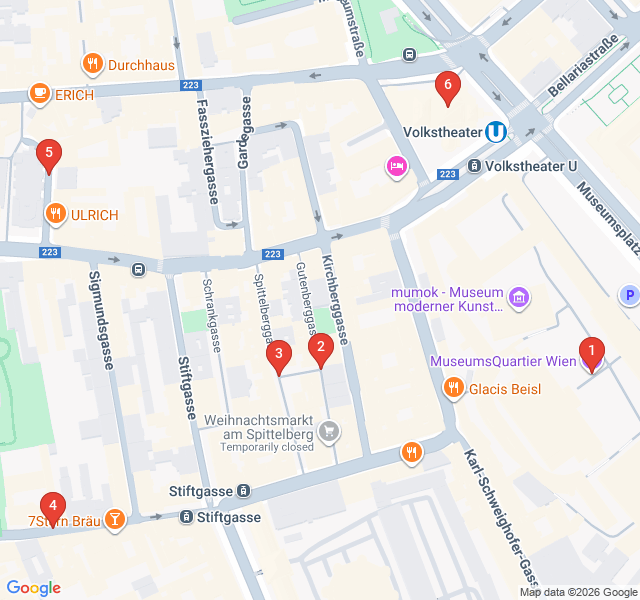
Numbers indicate the order of stops on the tour
Your self-guided walk begins at the MuseumsQuartier, or MQ, one of the largest cultural complexes in the world. Originally built in the 18th century as the imperial stables for the Habsburgs, this 90,000-square-meter space now blends Baroque architecture with modern structures like the Leopold Museum and MUMOK. Notice the colorful, oversized outdoor furniture known as 'Enzis' scattered throughout the courtyard. They have become a symbol of Vienna's modern leisure culture. This space serves as the gateway between the formal imperial city and the creative Neubau district. Spend a moment soaking in the vibrant atmosphere before heading toward the quieter streets of Spittelberg.
Leaving the MQ, you enter Gutenberggasse, a street that feels like a time capsule of the Biedermeier period. Biedermeier was a cultural and architectural style popular in Central Europe between 1815 and 1848, focusing on simplicity, functionality, and the domestic life of the growing middle class. The buildings here are smaller and more intimate than the palaces you’ll find elsewhere in Vienna. Look for the pastel facades and the intricate ironwork on the doors. This street once housed many artisans and craftsmen, and today it remains a peaceful enclave for those looking to escape the city's main thoroughfares.
Next, turn into Spittelberggasse, the heart of the historic Spittelberg area. It is hard to believe that in the 18th and 19th centuries, this was a rough neighborhood filled with taverns and a notorious red-light district. In the 1970s, many of these buildings were slated for demolition to make way for modern developments, but a dedicated group of citizens fought to preserve them. Today, it is one of Vienna's most expensive and charming residential streets. Note the narrowness of the street and the uneven cobblestones, which have seen centuries of history. While shops and cafes here change periodically, the architectural integrity of the lane remains constant.
As you transition onto Siebensterngasse, the vibe shifts from historic charm to contemporary urban energy. This street is the creative artery of the 7th District. It is named after a house that once stood at number 13 called 'At the Seven Stars.' Today, it is famous for its independent boutiques, concept stores, and 'Schanigärten'—the traditional Viennese sidewalk cafes. This area is a hub for local designers and artists, making it a perfect spot to observe the modern Viennese lifestyle. The street art and window displays often change, reflecting the neighborhood's dynamic and ever-evolving character.
Tucked away from the main road is Sankt-Ulrichs-Platz, perhaps the most picturesque square in the district. Dominated by the Baroque Church of St. Ulrich, the square has a quiet, almost Mediterranean feel. The church itself dates back to the 13th century but was rebuilt in its current Baroque style after the Ottoman Siege of 1683. The square has served as a backdrop for various film productions due to its perfectly preserved historic appearance. It is a favorite local spot for a quiet coffee, offering a sense of seclusion and timelessness that is rare in a modern capital city.
Your journey concludes at the Volkstheater, a grand building that marks the return to the Ringstrasse style of architecture. Founded in 1889 at the request of the citizens of Vienna, it was designed by the famous architects Fellner & Helmer. Unlike the Burgtheater, which was the theater of the court and aristocracy, the Volkstheater was intended to be the theater for the common people. Its architecture reflects this democratic spirit, standing proudly on the edge of the 7th District. From here, you are perfectly positioned to return to the city center or continue your exploration of Vienna's museum district.
Download Zigway to experience "Bohemian Biedermeier: The Hidden Lanes of Spittelberg" with AI-powered audio narration. Walk at your own pace while stories unfold around you.
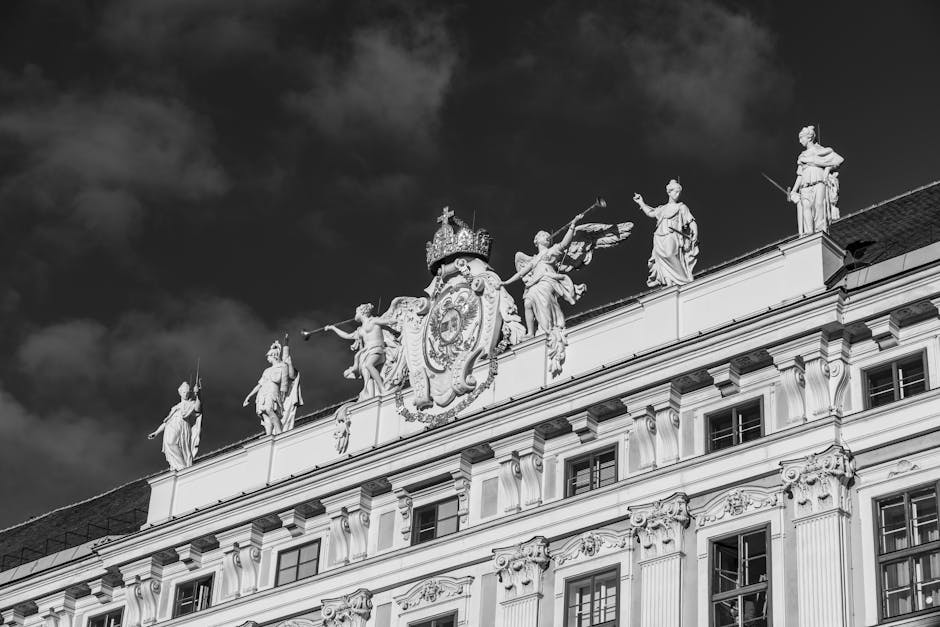 Easy
EasyVienna, Austria
Explore Vienna’s vibrant open-air gallery along the Danube Canal on this self-guided street art and nightlife stroll through Leopoldstadt.
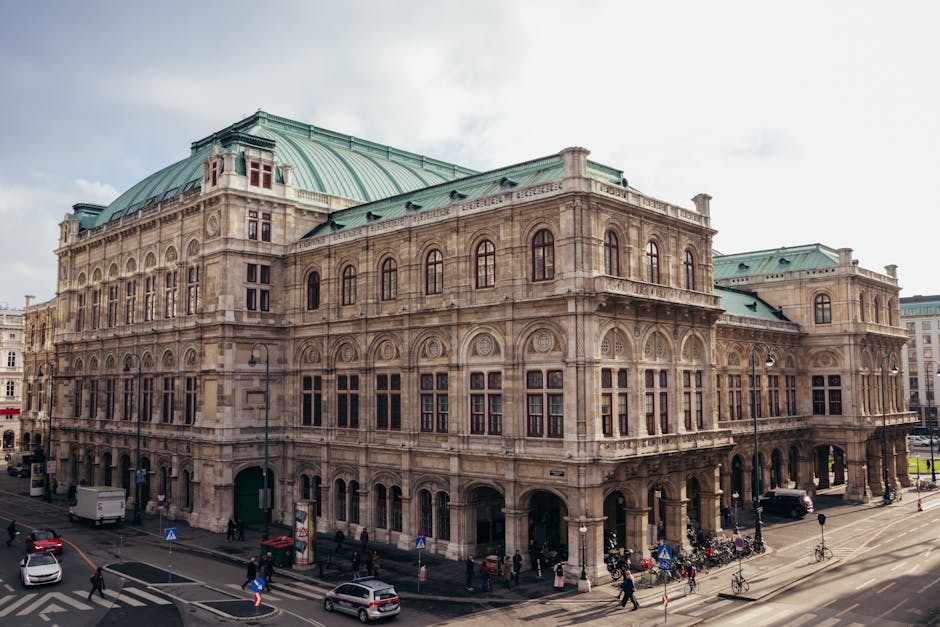 Moderate
Vienna, Austria
Follow the footsteps of Mozart and Strauss through Vienna’s historic center on this self-guided walk through the city's rich musical history.
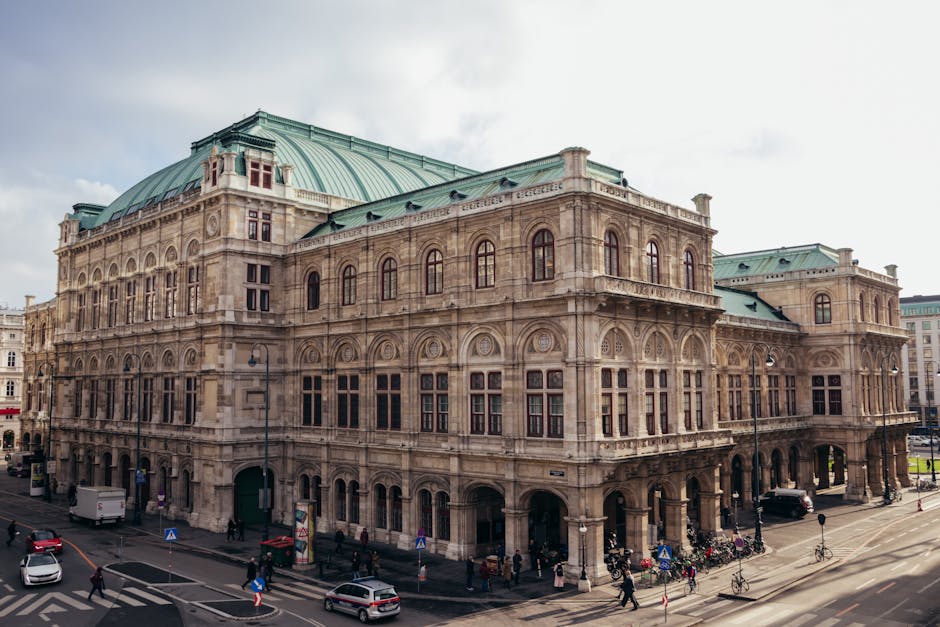 Moderate
Vienna, Austria
Discover the noir world of The Third Man and Cold War Vienna on this atmospheric self-guided audio walk through the historic Innere Stadt.
 Easy
EasyVienna, Austria
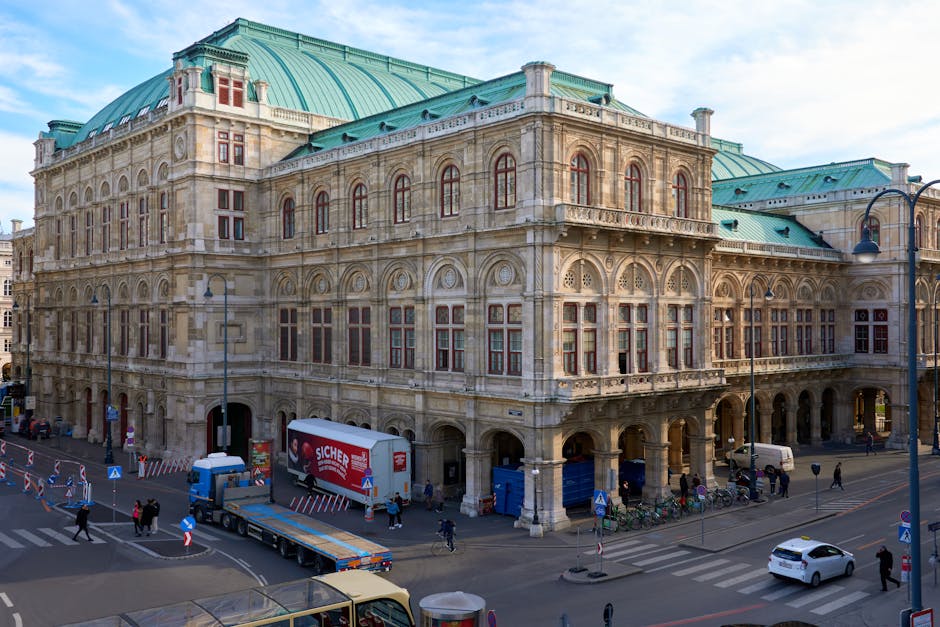
Discover the literary haunts and architectural gems of Vienna's legendary coffee culture on this self-guided stroll through the historic city center.
 Easy
EasyWarsaw, Poland
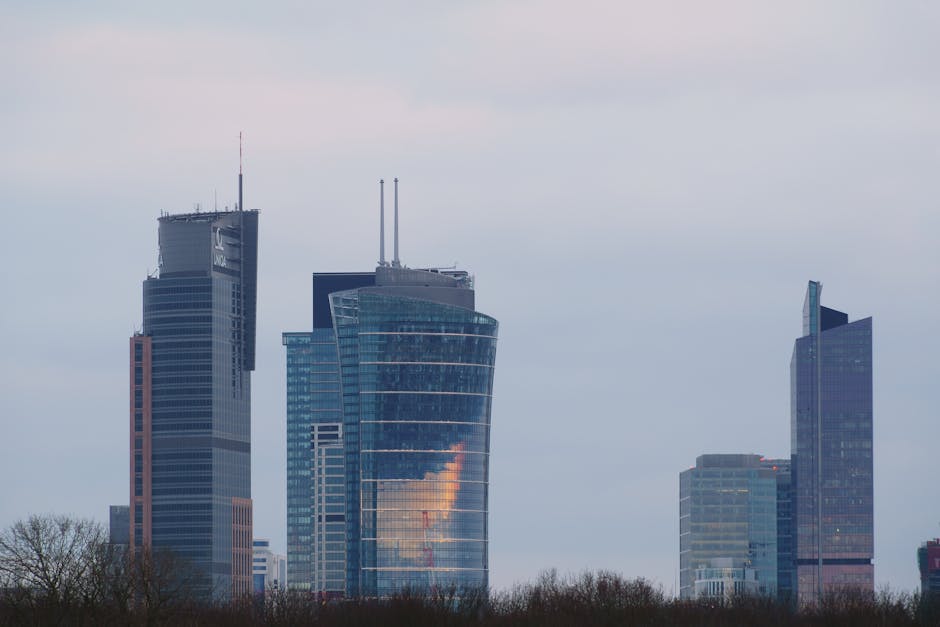
Discover the hidden courtyards and grand pre-war architecture of Warsaw's most atmospheric neighborhood on this self-guided stroll.
 Easy
EasyHelsinki, Finland
Discover Helsinki's oldest neighborhood on this self-guided audio walk through Kruununhaka’s historic streets, hidden courtyards, and scenic shores.
 Easy
EasyGothenburg, Sweden
Explore Gothenburg's maritime soul on this self-guided walk from historic shipyards to sleek modern piers and iconic industrial landmarks.
 Easy
EasyKrakow, Poland
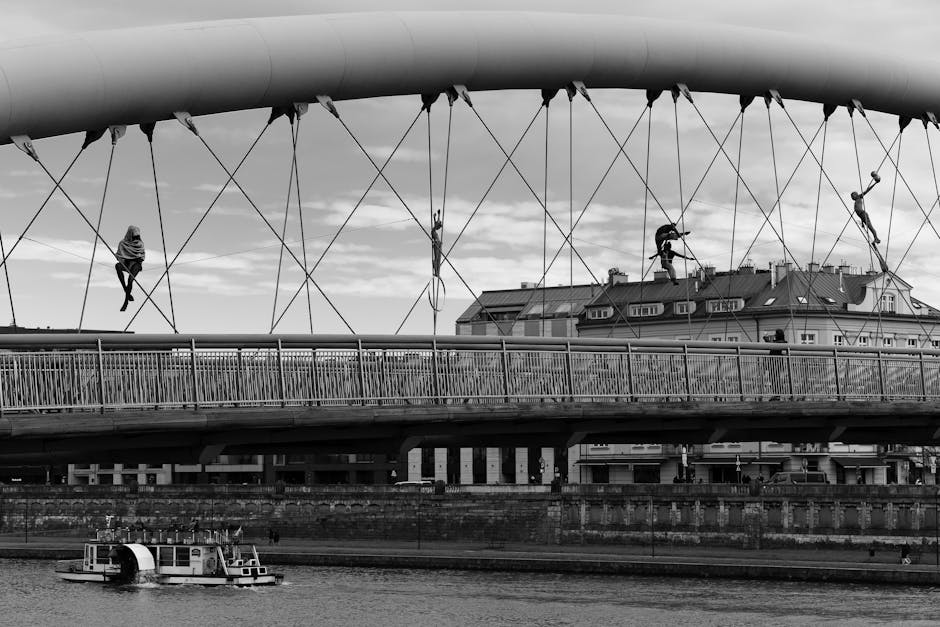
Discover Krakow’s creative soul in Zabłocie, exploring industrial heritage, contemporary art museums, and avant-garde architecture at your own pace.
 Easy
EasySalzburg, Austria
Discover the 'Rome of the North' on this self-guided walk through the Baroque squares and monumental legacy of Salzburg’s Prince-Archbishops.
 Easy
EasySalzburg, Austria
Discover Salzburg's oldest medieval alley, the birthplace of the 'Silent Night' author, and breathtaking views on this quiet self-guided walk.
 Easy
EasySalzburg, Austria
Walk through the iconic filming locations of The Sound of Music and discover the real history of the von Trapp family in Salzburg.
 Challenging
Salzburg, Austria
Scale the heights of Salzburg on this self-guided walk to the Hohensalzburg Fortress, exploring medieval walls and ancient monastic grounds.
