Innsbruck is world-renowned for its medieval Old Town and the shimmering Golden Roof, but beyond the Gothic facades lies a city that has become a playground for world-class contemporary architects. This self-guided walk invites you to explore the fascinating dialogue between the jagged peaks of the Nordkette mountains and the fluid, avant-garde structures that define modern Innsbruck. Over the last two decades, the city has transformed into a hub of alpine urbanism, attracting Pritzker Prize winners like Zaha Hadid and David Chipperfield to leave their mark on the Tyrolean capital. On this neighborhood stroll, you will witness how the city bridges the gap between its imperial past and a bold, futuristic vision. The route begins at the striking Hungerburgbahn station, a masterpiece of organic architecture that mimics the movement of glaciers. From there, you will move through the city center to see how modern retail and civic spaces have been seamlessly integrated into historic streetscapes. Highlights include the minimalist elegance of the BTV Stadtforum and the crystalline transparency of the RathausGalerien. This architectural walking tour Innsbruck offers is more than just a look at buildings; it is a journey through the changing identity of an alpine city. You will explore Eduard-Wallnöfer-Platz, a controversial yet award-winning public space that transformed a traditional square into an undulating concrete landscape. The route culminates with a breath of fresh mountain air at the Umbrüggler Alm, where traditional mountain hut design is reimagined through a sleek, modern lens. Whether you are an architecture enthusiast or a curious traveler, this walking route provides a unique perspective on how Innsbruck continues to evolve while remaining rooted in its dramatic natural environment. Experience the city at your own pace and discover why Innsbruck is a premier destination for modern design in the Alps.
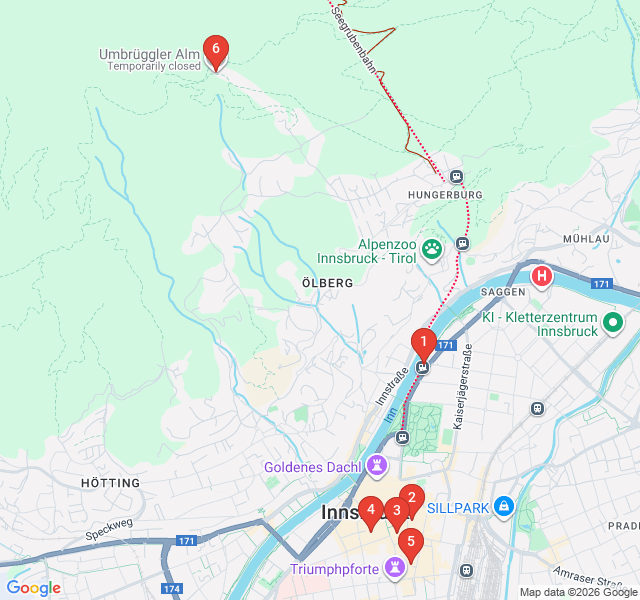
Numbers indicate the order of stops on the tour
Welcome to the start of your self-guided walk through Innsbruck's architectural evolution. You are standing at the Congress station of the Hungerburgbahn, designed by the legendary Zaha Hadid. Completed in 2007, these stations are a masterclass in organic architecture. Notice how the fluid, white glass-reinforced plastic shells seem to float over concrete plinths. Hadid was inspired by the natural formations of ice and glaciers found in the surrounding Alps. The contrast between the high-tech, curvaceous structures and the historic buildings nearby perfectly encapsulates the spirit of modern Innsbruck. This station serves as the gateway between the urban center and the high alpine terrain, symbolizing the city's unique dual identity.
A short walk brings you to the BTV Stadtforum, designed by Austrian architect Heinz Tesar. This building is a prime example of 'New Alpine' architecture, characterized by its restrained use of materials and geometric precision. Tesar used light-colored, smooth-faced concrete to create a structure that feels both solid and ethereal. The building's sharp angles and clean lines are a deliberate nod to the limestone peaks of the Nordkette mountain range that towers over the city. It serves as a bank and an art gallery, reflecting the Austrian tradition of blending commerce with culture. Take a moment to appreciate how the building’s minimalist facade interacts with the changing daylight.
As you arrive at Maria-Theresien-Straße, look for the Kaufhaus Tyrol. Designed by the renowned British architect David Chipperfield, this department store is a study in sensitive urban integration. Replacing a previous structure, Chipperfield’s design uses a colonnade of precast concrete elements infused with marble dust to echo the rhythm and texture of the surrounding historic facades. It doesn't scream for attention; instead, it uses classical proportions and high-quality materials to fit into one of Europe's most beautiful streets. This building won the RIBA European Award, proving that modern commercial architecture can enhance, rather than detract from, a city's historic character.
Step inside the RathausGalerien, a brilliant fusion of civic administration and retail space designed by French architect Dominique Perrault. Perrault is perhaps best known for the National Library in Paris, and here he brought a similar sense of transparency and light. The project involved renovating the historic town hall and adding a glass-roofed passage that connects several streets. Look up at the glass ceilings and the 'Adolf Pichler' courtyard. The design uses light as a building material, creating an airy, open atmosphere that invites the public into what was once a closed-off administrative block. It is a perfect example of modernizing a city's heart without losing its historical soul.
You are now at Eduard-Wallnöfer-Platz, also known as Landhausplatz. This is one of the most significant pieces of contemporary landscape architecture in Austria. Designed by LAAC Architekten and Stiefel Kramer Architecture, the square was transformed from a traditional monument-heavy space into a 9,000-square-meter undulating concrete floor. The smooth, wave-like surfaces are popular with skateboarders and locals alike, turning a formal plaza into a living social space. The design was intended to break the rigid geometry of the surrounding government buildings and create a 'topographical' connection to the mountains. It remains a bold statement on how modern public spaces can be both functional and artistic.
To reach our final stop, you will take the Hungerburgbahn funicular up the mountain. The Umbrüggler Alm, designed by Ludescher + Lutz, is a radical departure from the 'kitsch' mountain huts often found in the Alps. This modern alpine lodge uses locally sourced silver fir and a sleek, curved silhouette that hugs the mountainside. The interior is minimalist yet warm, with large panoramic windows that frame the city below like a work of art. It represents the 'New Alpine' style—respectful of tradition and nature, but unashamedly contemporary. It is the perfect place to reflect on Innsbruck’s journey from its Gothic foundations to its Hadid-inspired future while enjoying the crisp mountain air.
Download Zigway to experience "From Gothic to Hadid: Architectural Evolution" with AI-powered audio narration. Walk at your own pace while stories unfold around you.
 Easy
EasyInnsbruck, Austria
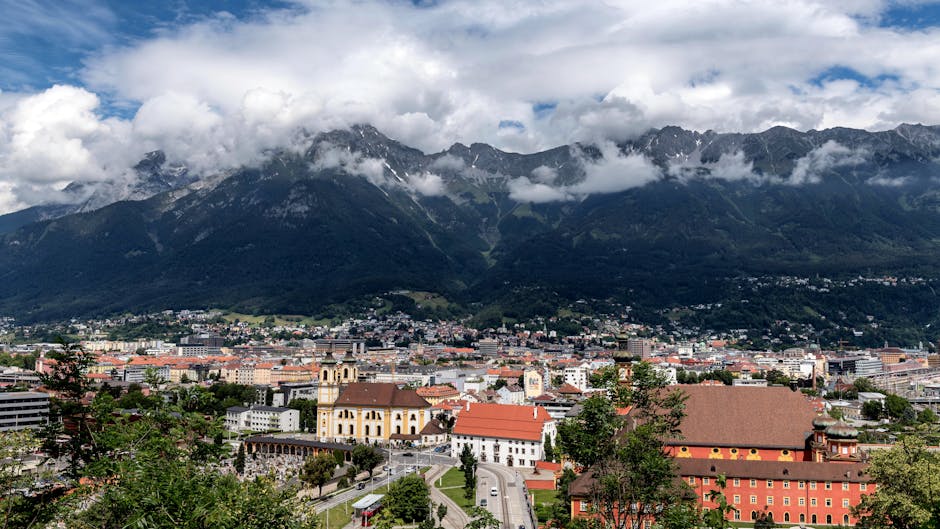
Discover the flavors of Tyrol on this self-guided stroll through Innsbruck’s historic Old Town and vibrant market hall.
 Easy
EasyInnsbruck, Austria
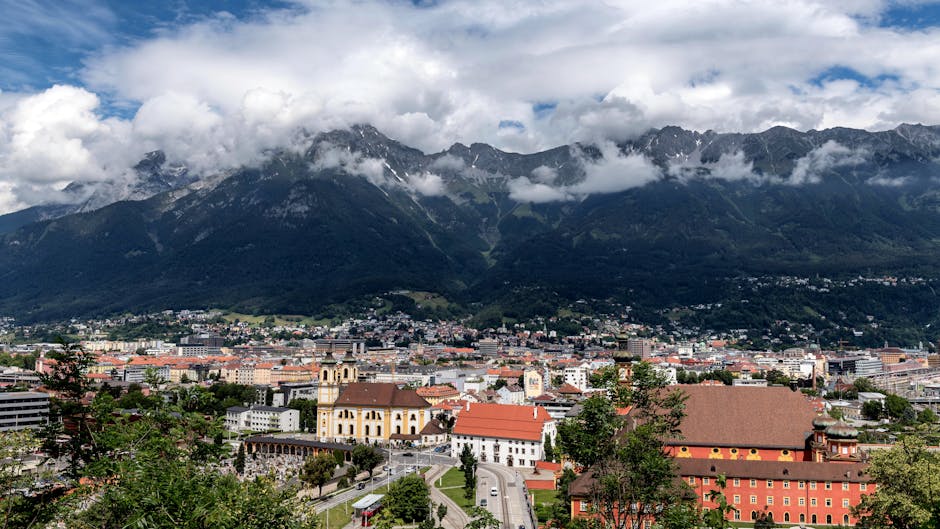
Uncover the myths and legends of Innsbruck on this self-guided walk through the historic Altstadt and beyond.
 Challenging
Innsbruck, Austria
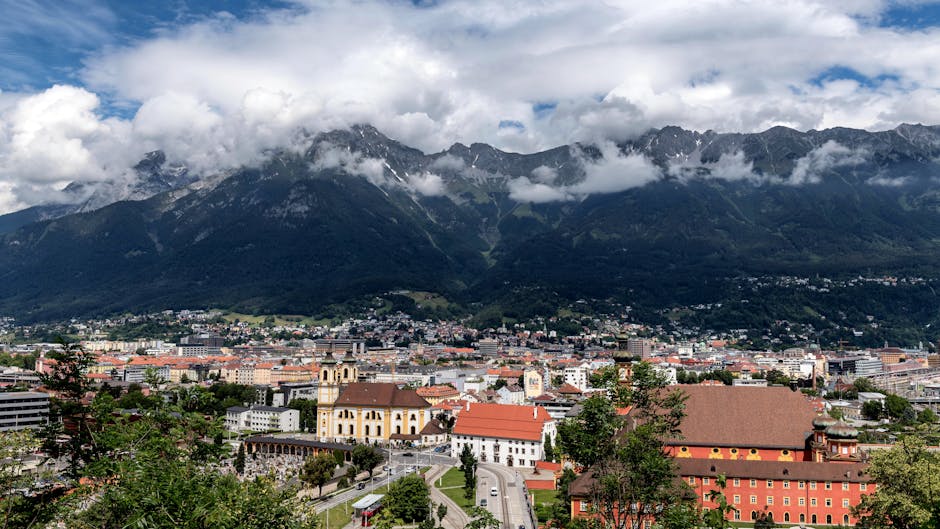
Scale the sun-drenched slopes of Hötting on this self-guided walk featuring panoramic Alps views, steep historic streets, and hidden forest chapels.
 Easy
EasyInnsbruck, Austria
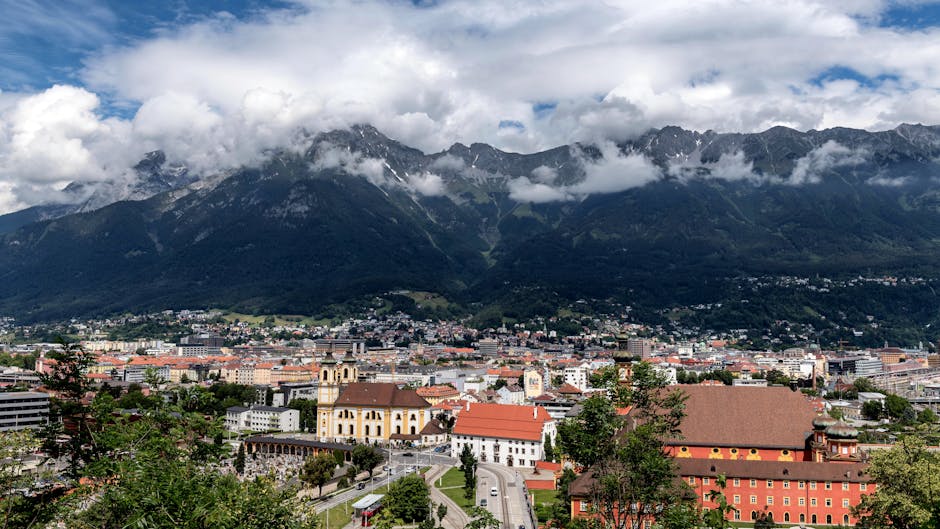
Explore Innsbruck's 'Garden City' on this self-guided walk through the stunning Belle Époque villas and lush parks of the Saggen district.
 Easy
EasyGdansk, Poland
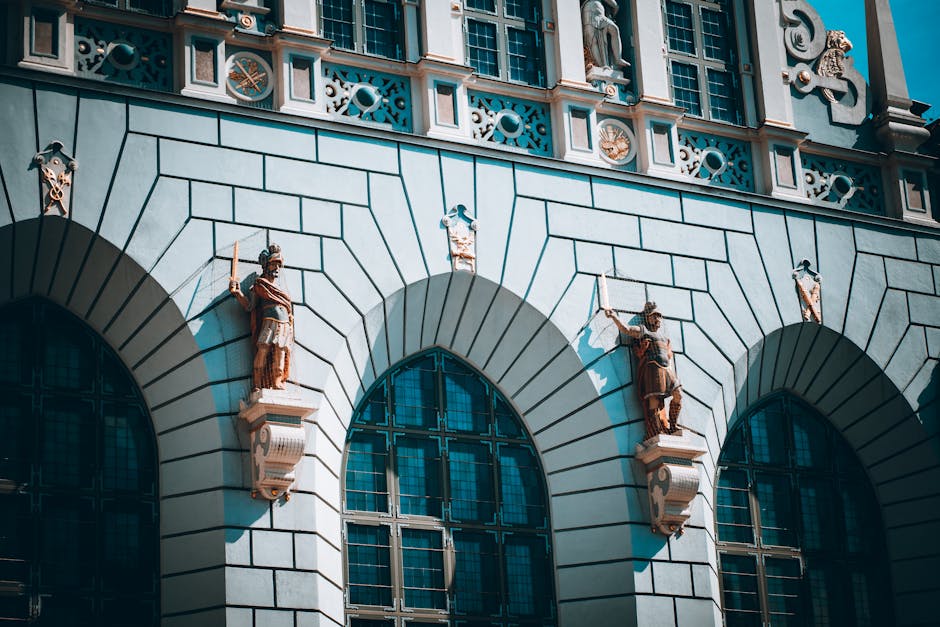
Discover the opulent Royal Way of Gdansk at your own pace. Explore Hanseatic history, gilded architecture, and the iconic Neptune's Fountain.
 Easy
EasyGdansk, Poland
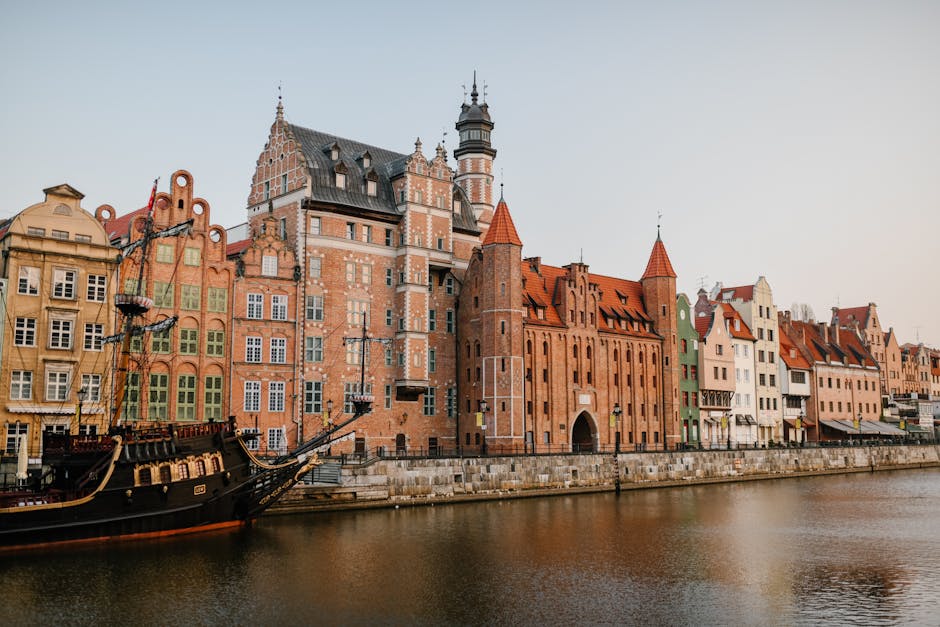
Discover the 'Baltic Gold' on this self-guided walk through Gdansk's historic mills, massive cathedrals, and the magical Mariacka Street.
 Easy
EasyWarsaw, Poland
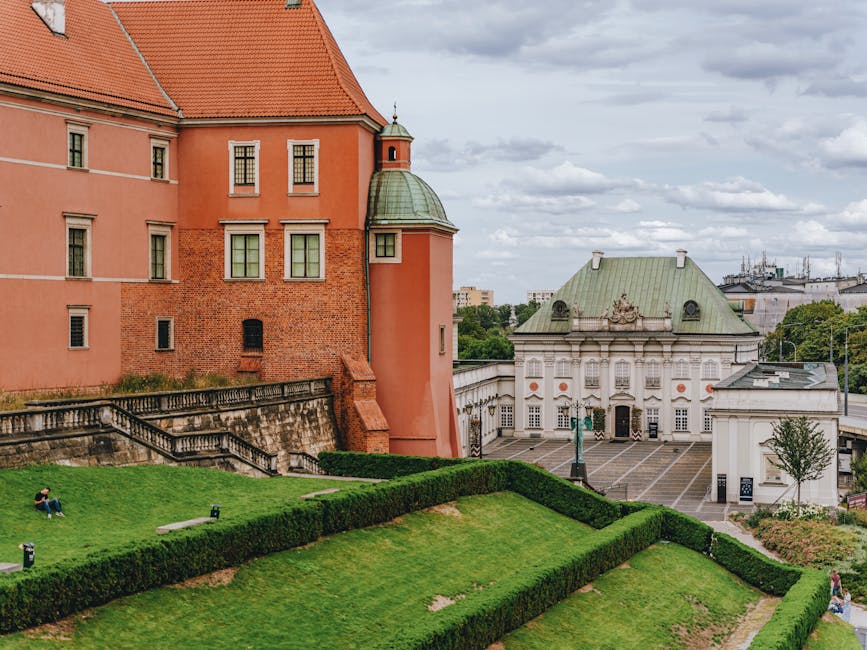
Explore the miracle of Warsaw's reconstructed Old Town on this self-guided walk through royal squares, medieval walls, and heroic monuments.
 Easy
EasyGothenburg, Sweden
Explore Gothenburg's elegant academic district, featuring grand 19th-century stone architecture and the iconic cultural hub of Götaplatsen.
 Easy
EasyVienna, Austria
Explore Vienna’s vibrant open-air gallery along the Danube Canal on this self-guided street art and nightlife stroll through Leopoldstadt.
 Moderate
Vienna, Austria
Follow the footsteps of Mozart and Strauss through Vienna’s historic center on this self-guided walk through the city's rich musical history.
 Moderate
Vienna, Austria
Discover the noir world of The Third Man and Cold War Vienna on this atmospheric self-guided audio walk through the historic Innere Stadt.
 Easy
EasyVienna, Austria
Discover the literary haunts and architectural gems of Vienna's legendary coffee culture on this self-guided stroll through the historic city center.
