Step away from the crowds surrounding the Golden Roof and enter a world of medieval mystery with this self-guided walking route through Innsbruck's Altstadt. While most visitors stick to the main thoroughfares, the true soul of this Tyrolean capital is found in its 'Gassen'—the narrow alleys and covered passages that have remained largely unchanged for centuries. This neighborhood stroll invites you to discover the architectural layers of the city, from Gothic foundations to Baroque flourishes, all while uncovering the local legends that haunt these cobblestone paths. As you explore independently, you will weave through the historic Riesengasse, where the legend of a local giant still lingers, and traverse the Kiebachgasse, once the bustling hub of medieval trade. This route is specifically designed to highlight the 'Durchhäuser'—unique buildings with public passageways cutting directly through their ground floors, connecting one street to another. These hidden shortcuts are a hallmark of Alpine urban design and offer a glimpse into the private courtyards and quiet corners of the Old Town. Beyond the architectural curiosities, this walk takes you to the serene Domplatz, home to the magnificent St. James Cathedral, before leading you across the Inn River. The journey concludes with a gentle ascent toward the Hungerburg district, offering a vantage point that perfectly frames the colorful houses of Mariahilf against the backdrop of the jagged Nordkette mountains. Whether you are a first-time visitor or a repeat traveler, this self-guided walk provides a deeper understanding of how Innsbruck’s geography and folklore shaped its unique urban character. There is no need for a guided tour Innsbruck when the city’s walls speak so clearly for themselves. Simply follow the path, look up at the ornate bay windows, and let the history of the Altstadt unfold at your own pace.
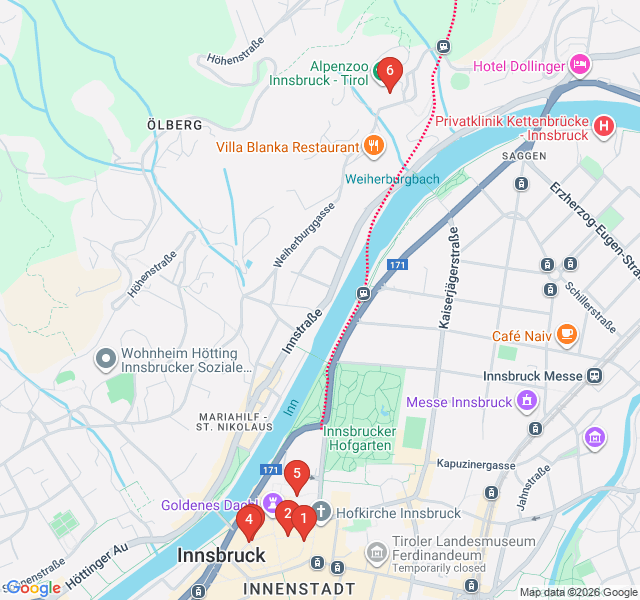
Numbers indicate the order of stops on the tour
Begin your self-guided adventure in Stiftgasse, a narrow street that runs parallel to the grand Imperial Palace. Unlike the wide-open spaces of the Rennweg, Stiftgasse offers a more intimate look at Innsbruck’s medieval layout. This street was once home to many court officials and clergy members. As you walk, notice the heavy stone portals and the traditional 'Erker' or bay windows. These were not just for decoration; they allowed residents to look up and down the street to see who was coming without opening their windows to the cold mountain air. It is a perfect introduction to the architectural ingenuity of the Tyrolean people.
Welcome to the 'Alley of the Giant.' This street is named after Haymon, a legendary giant said to have lived in the region during the 7th century. Look for the 'Riesenhaus' (Giant's House), which is adorned with a large mural of Haymon himself. According to local lore, Haymon engaged in a fierce battle with another giant named Thyrsus. After his victory, he felt such remorse that he converted to Christianity and founded the Wilten Monastery. This alley is a fantastic example of how medieval folklore is physically woven into the city's streetscape, blending myth with masonry.
Kiebachgasse is one of the most atmospheric streets in the Altstadt. In the Middle Ages, this was a center for trade and craftsmanship. You are standing near the 'Goldener Adler,' one of the oldest inns in the city, which has hosted famous guests ranging from Mozart to Goethe. The street is incredibly narrow, a common feature in medieval cities designed to keep the sun out during summer and the wind out during winter. Take a moment to look at the shop signs hanging overhead; many still use traditional wrought-iron designs that indicate what was historically sold inside.
Seilergasse, or 'Rope Maker’s Alley,' is famous for its 'Durchhäuser.' These are buildings that contain public walkways leading from one street to the next. In a crowded walled city like medieval Innsbruck, these passages were vital for moving through the dense urban fabric. As you explore this neighborhood stroll, try to spot the small courtyards hidden behind the heavy wooden doors. These spaces often contain beautiful arched walkways and quiet gardens that feel miles away from the tourist crowds just a few steps away. It is here that you truly feel the pulse of the old city.
Emerging from the narrow alleys into Domplatz is a breath of fresh air. The square is dominated by the Cathedral of St. James (Dom zu St. Jakob). While the exterior is relatively restrained, the interior is a masterpiece of High Baroque art. It houses the famous 'Maria Hilf' painting by Lucas Cranach the Elder, which is one of the most venerated images in the Alps. The square itself is a place of quiet dignity, often used for small markets or local gatherings. Listen for the cathedral bells, which have a particularly deep and resonant tone that echoes off the surrounding mountain peaks.
To conclude your walk, cross the Inn River and head toward Weiherburggasse. This street leads upward from the riverbank toward the base of the Nordkette. From this vantage point, you can look back across the water at the iconic row of pastel-colored houses in Mariahilf, perfectly mirrored in the glacier-fed river. This area was historically home to people who worked on the river or in the nearby mills. It provides a peaceful conclusion to your journey, offering a perspective of the city that highlights the dramatic relationship between the urban Altstadt and the wild Alpine nature that surrounds it.
Download Zigway to experience "Secrets of the Altstadt: Courtyards and Passages" with AI-powered audio narration. Walk at your own pace while stories unfold around you.
 Easy
EasyInnsbruck, Austria
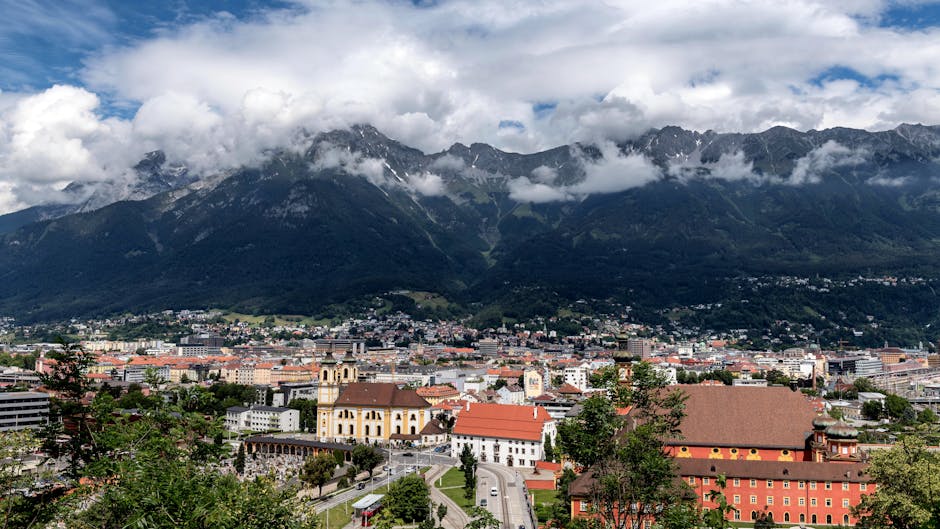
Discover the flavors of Tyrol on this self-guided stroll through Innsbruck’s historic Old Town and vibrant market hall.
 Easy
EasyInnsbruck, Austria
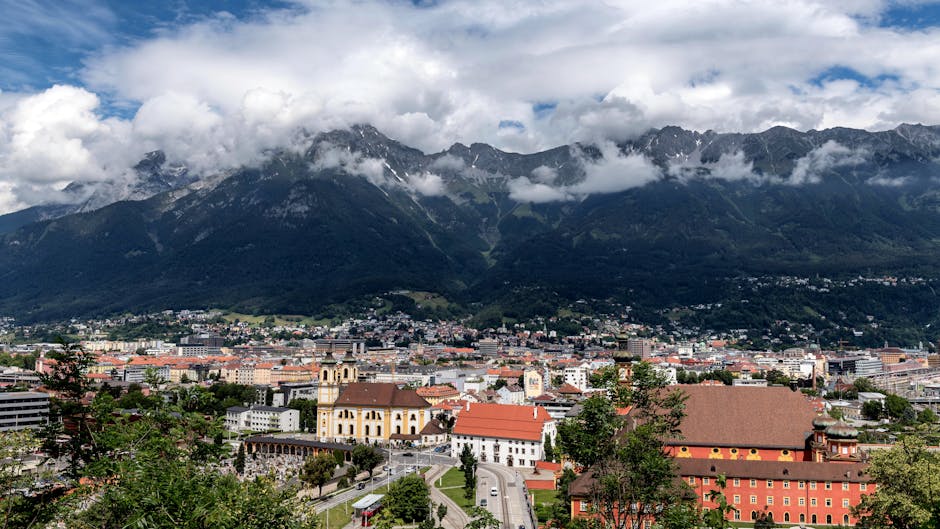
Uncover the myths and legends of Innsbruck on this self-guided walk through the historic Altstadt and beyond.
 Easy
EasyInnsbruck, Austria
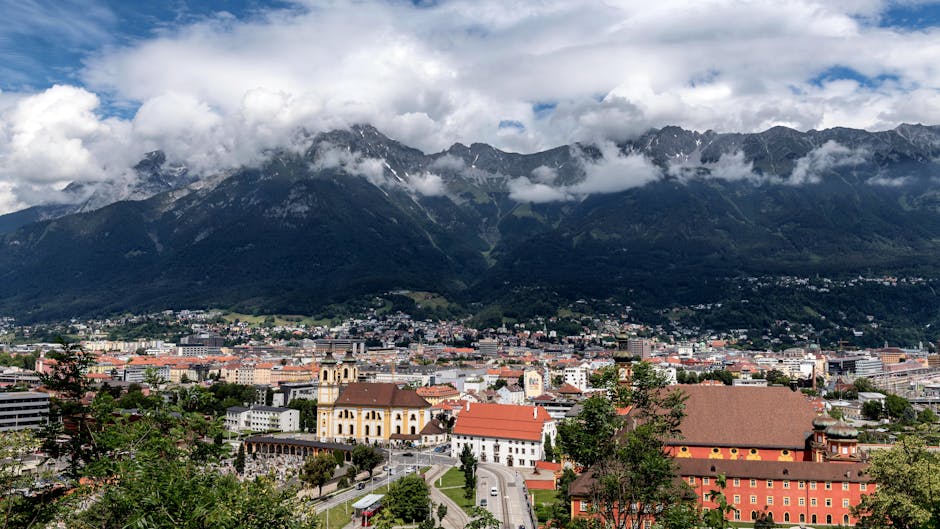
Discover Innsbruck's evolution from Gothic roots to Zaha Hadid's futuristic designs on this self-guided architectural walking route.
 Challenging
Innsbruck, Austria
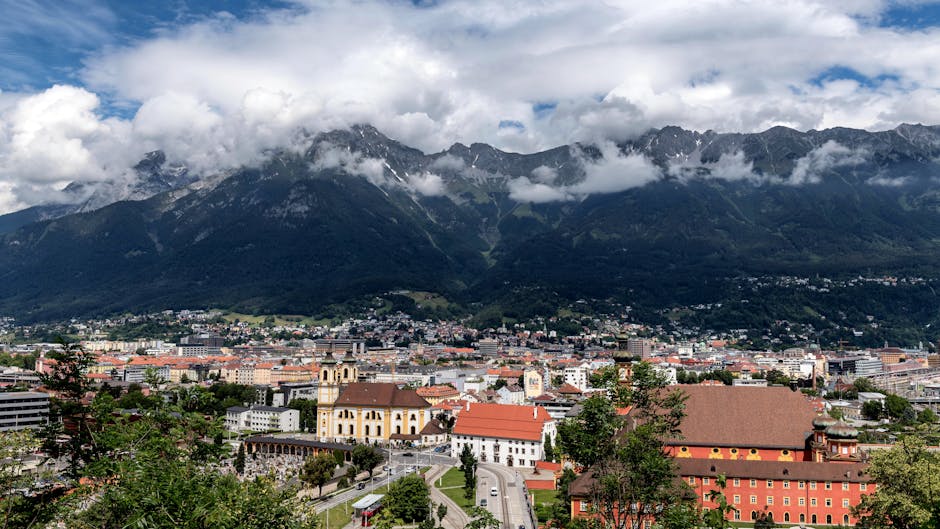
Scale the sun-drenched slopes of Hötting on this self-guided walk featuring panoramic Alps views, steep historic streets, and hidden forest chapels.
 Easy
EasySalzburg, Austria
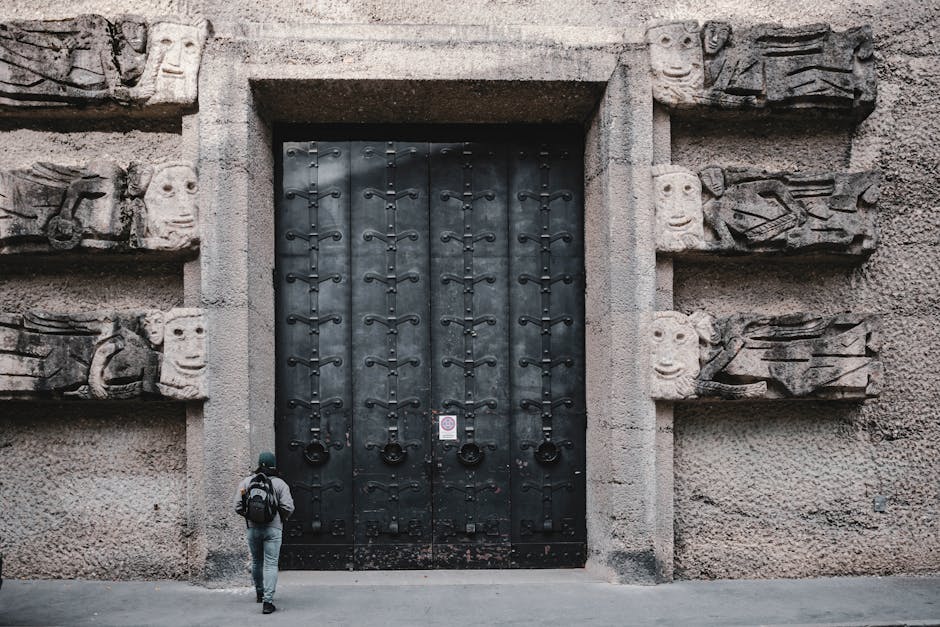
Discover Salzburg's oldest medieval alley, the birthplace of the 'Silent Night' author, and breathtaking views on this quiet self-guided walk.
 Easy
EasyWarsaw, Poland
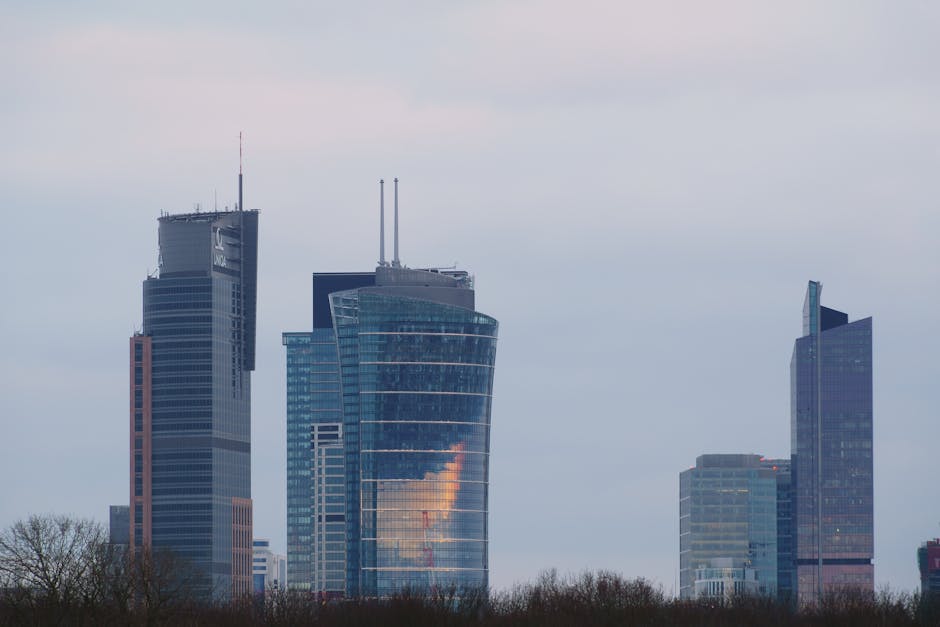
Discover the hidden courtyards and grand pre-war architecture of Warsaw's most atmospheric neighborhood on this self-guided stroll.
 Easy
EasyHelsinki, Finland
Discover Helsinki's oldest neighborhood on this self-guided audio walk through Kruununhaka’s historic streets, hidden courtyards, and scenic shores.
 Easy
EasyNairobi, Kenya
Discover Nairobi's iconic skyline on this self-guided architecture walk through the CBD’s most famous modernist and Brutalist landmarks.
 Easy
EasyVienna, Austria
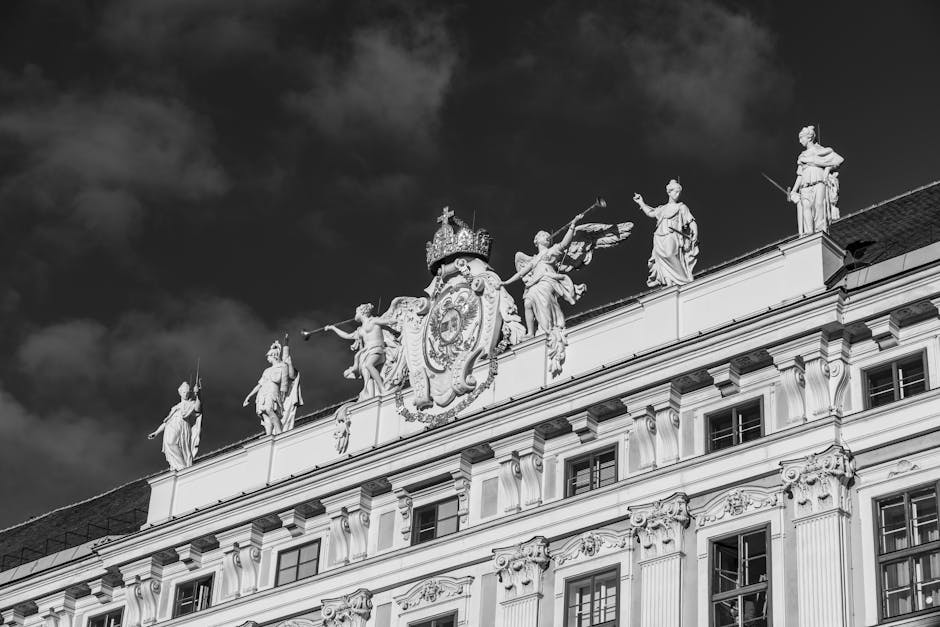
Explore Vienna’s vibrant open-air gallery along the Danube Canal on this self-guided street art and nightlife stroll through Leopoldstadt.
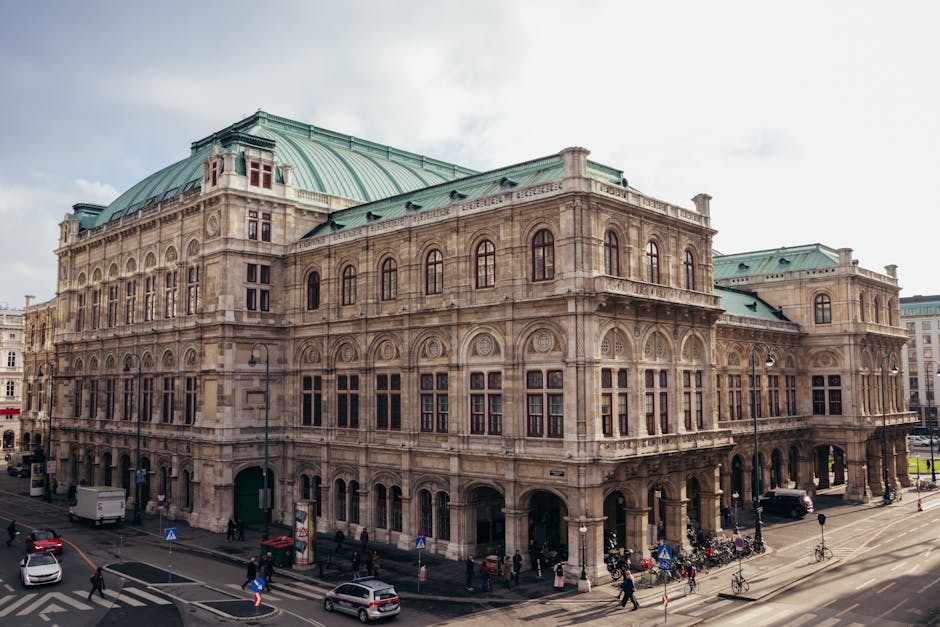 Moderate
Vienna, Austria
Follow the footsteps of Mozart and Strauss through Vienna’s historic center on this self-guided walk through the city's rich musical history.
 Moderate
Vienna, Austria
Discover the noir world of The Third Man and Cold War Vienna on this atmospheric self-guided audio walk through the historic Innere Stadt.
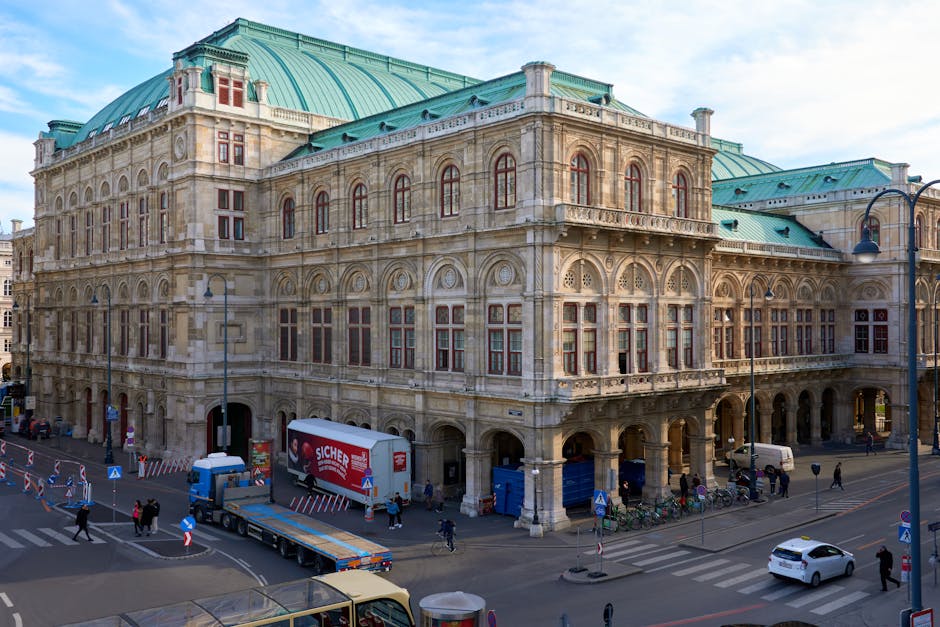 Easy
EasyVienna, Austria
Discover the literary haunts and architectural gems of Vienna's legendary coffee culture on this self-guided stroll through the historic city center.
