Step into a world where time seems to stand still, and every ornate roofline tells a story of migration, faith, and community. This self-guided walk through Hoi An’s Ancient Town invites you to explore the 'Assembly Halls'—magnificent structures that served as social clubs, temples, and trade centers for Chinese merchants centuries ago. As you navigate the sun-drenched, ochre-colored streets, you will discover how different dialect groups from China left their unique architectural fingerprints on this Vietnamese port town. The route begins in the heart of the UNESCO World Heritage site, showcasing the intricate woodcarvings of the Trieu Chau Assembly Hall before moving to the somber yet beautiful Hainan Assembly Hall. To balance the spiritual journey, the walk includes a pause at the iconic Cargo Club, where you can admire the Thu Bon River and reflect on the city's maritime history. The latter half of the journey takes you through the vibrant Cantonese Assembly Hall and the locally revered Cam Pho Communal House, finally leading you away from the bustling tourist center to the serene Chuc Thanh Pagoda. This walking route Hoi An offers a deep dive into the religious syncretism that defines the region, allowing you to experience both the famous landmarks and the quieter, sacred spaces where the scent of incense and the sound of distant bells create a truly meditative atmosphere.
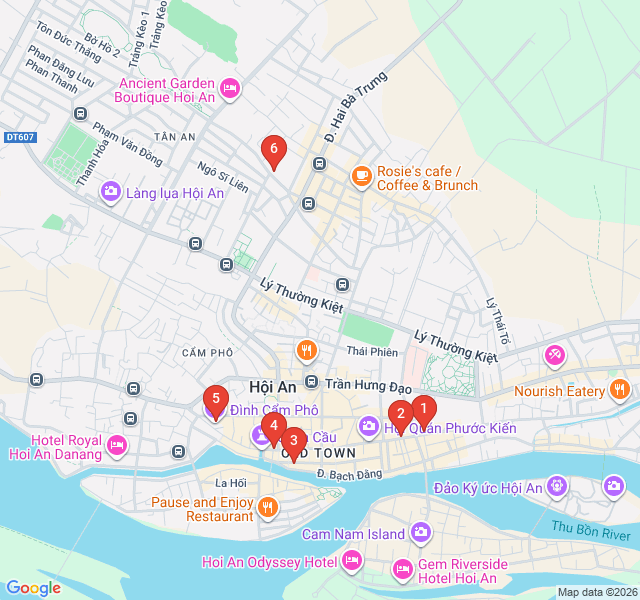
Numbers indicate the order of stops on the tour
Welcome to the Trieu Chau Assembly Hall, built in 1845 by the Chinese community from Chaozhou. This structure is a masterpiece of woodcarving. Take a moment to look at the altar; the intricate relief carvings depict scenes of daily life and mythological battles, all rendered with incredible depth. This hall was dedicated to Phuc An Chinh Truc, a deity believed to protect sailors and traders. In a port town like Hoi An, where life depended on the unpredictable sea, this was a vital sanctuary for merchants seeking safe passage. The craftsmanship here is considered some of the finest in the Ancient Town.
The Hainan Assembly Hall, built in 1875, carries a more somber history than its counterparts. It was constructed to honor 108 Chinese merchants from Hainan who were tragically mistaken for pirates and killed by imperial guards. When the truth was later discovered, the Emperor Tu Duc declared them 'Martyrs' and authorized the building of this shrine. Notice the large gilded altar and the peaceful courtyard. Unlike the more colorful halls, the Hainan Hall has an air of quiet dignity and serves as a powerful reminder of the close-knit bonds within the immigrant communities of old Hoi An.
For a brief change of pace, stand before the Cargo Club. While now a famous spot for a refreshing drink or a pastry, this building is a classic example of a traditional Hoi An shophouse. Its long, narrow layout allowed it to face the street for business while extending all the way back to the river for easy loading of goods. This spot offers a perfect vantage point to observe the Thu Bon River, the lifeblood of the city. For centuries, this waterfront was crowded with Japanese merchant ships, Chinese junks, and European trading vessels, all making Hoi An one of the most important ports in Southeast Asia.
The Cantonese Assembly Hall, or Quang Dong, is perhaps the most vibrant stop on your walk. Founded in 1885, it was built using materials pre-fabricated in China and shipped here for assembly. The star of the courtyard is the magnificent dragon fountain, crafted from colorful ceramic mosaics. The hall is dedicated to Guan Yu, a general who symbolizes loyalty, integrity, and justice—qualities highly valued by the Cantonese merchants who gathered here to negotiate deals and maintain their cultural heritage. The blend of stone, wood, and bright pottery makes this one of the most photographed spots in the city.
Moving away from the specific Chinese dialect halls, we arrive at the Cam Pho Communal House. This is one of the oldest communal houses in Hoi An and represents the local Vietnamese community's spiritual life. Unlike the Assembly Halls, which were tied to specific Chinese regions, the 'Dinh' was a place for the entire village to worship their tutelary deities and hold community meetings. Its architecture, shaped like a 'Chinese character,' is a beautiful example of the cultural fusion in Hoi An, blending Vietnamese construction styles with subtle Chinese and Japanese decorative influences.
To conclude your journey, we step slightly outside the main tourist hub to Chuc Thánh Pagoda. Founded in 1454 by Monk Minh Hai, this is considered the oldest Buddhist pagoda in Hoi An. It is the birthplace of the 'Chúc Thánh' branch of Zen Buddhism. As you wander through the gardens filled with ancient stupas and ornamental trees, you'll notice the atmosphere is significantly more tranquil than the town center. The architecture here features the 'swastika' pattern and intricate carvings of dragons and phoenixes, representing the eternal cycle of life and the pursuit of enlightenment.
Download Zigway to experience "Temples and Sacred Sanctuaries" with AI-powered audio narration. Walk at your own pace while stories unfold around you.
 Easy
EasyHoi An, Vietnam
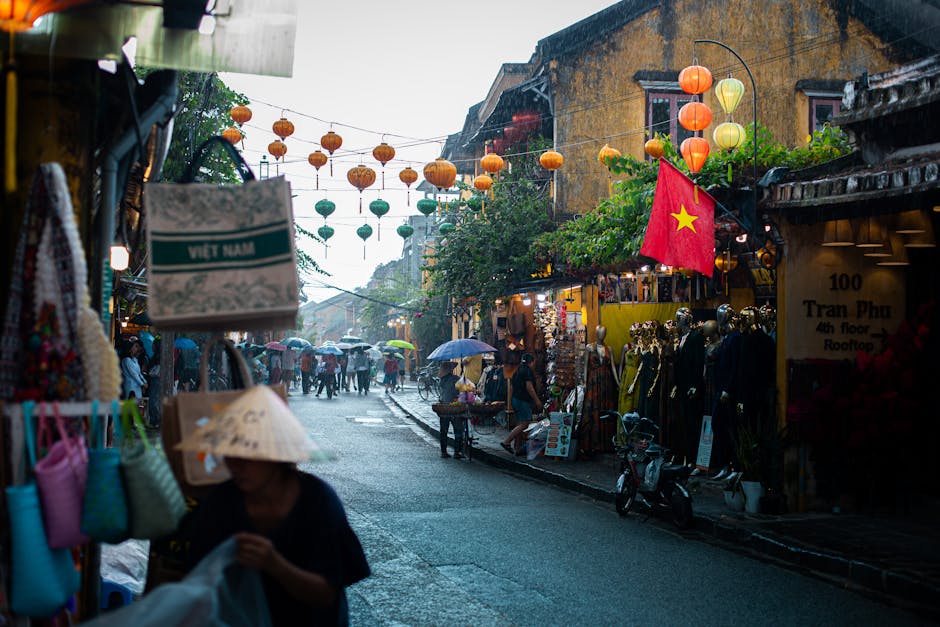
Capture the magic of Hoi An's golden hour on this self-guided photography walk through historic streets, temple gates, and riverside views.
 Moderate
Hoi An, Vietnam
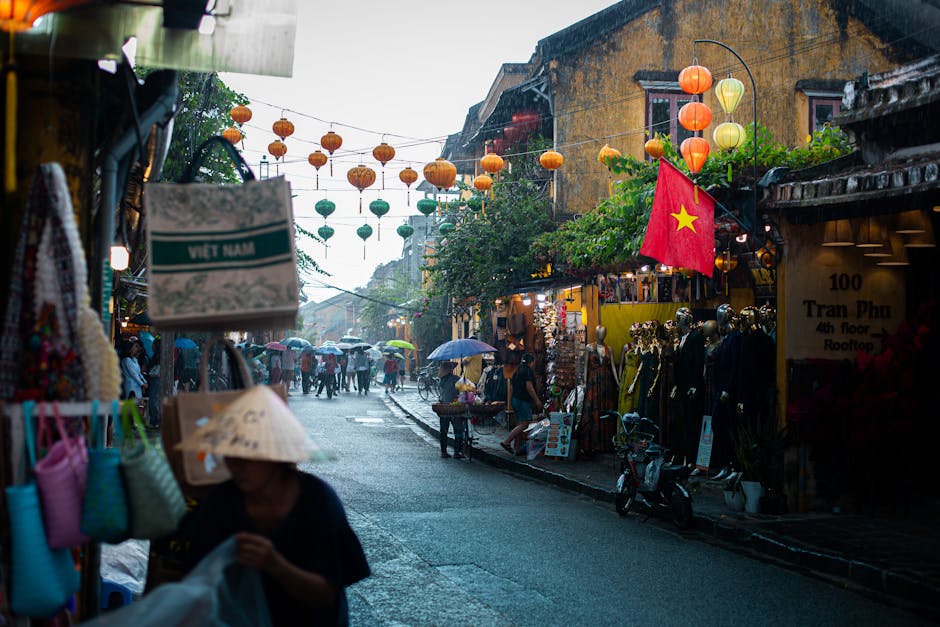
Escape the crowds and explore the rural heart of Hoi An, from the riverside charms of Cam Nam to the lush herb gardens of Tra Que.
 Easy
EasyHoi An, Vietnam
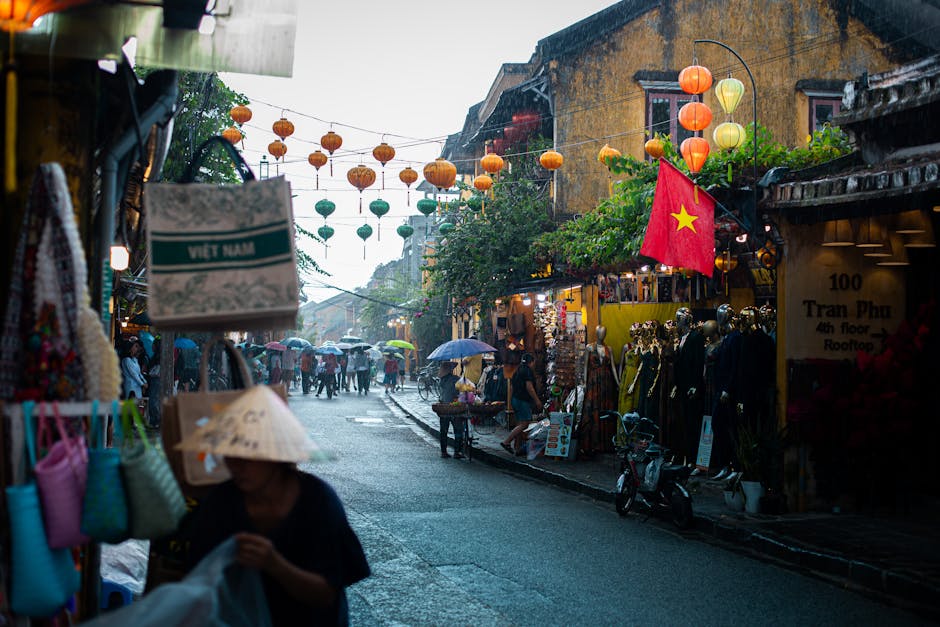
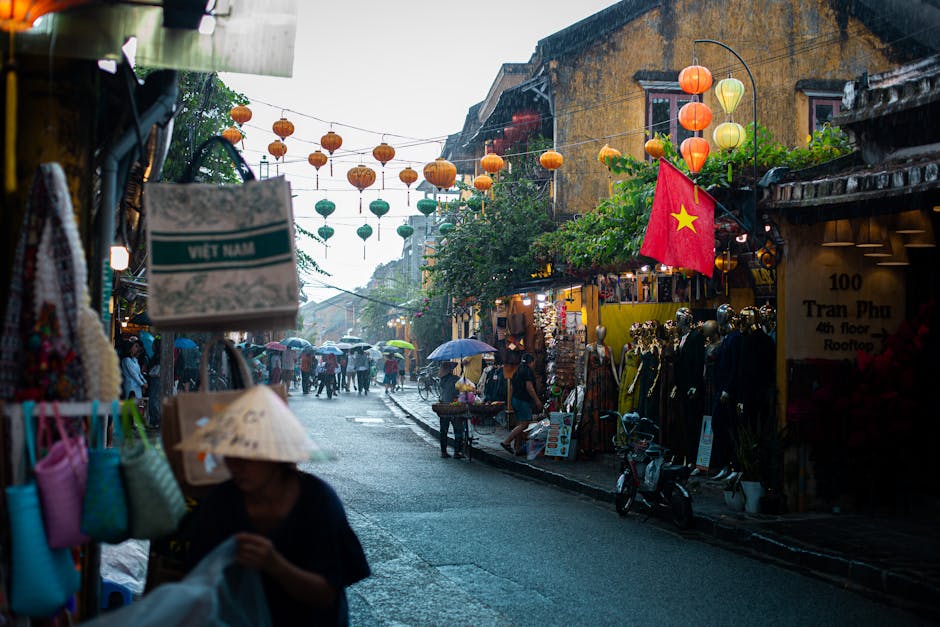
Explore the luminous magic of Hoi An at night. Discover lanterns, riverside bars, and local markets on this enchanting self-guided audio walk.
 Easy
EasyHoi An, Vietnam
Follow the Thu Bon River on a self-guided adventure through Hoi An’s scenic bridges, bustling markets, and iconic lantern-lit waters.
 Easy
EasyGdansk, Poland
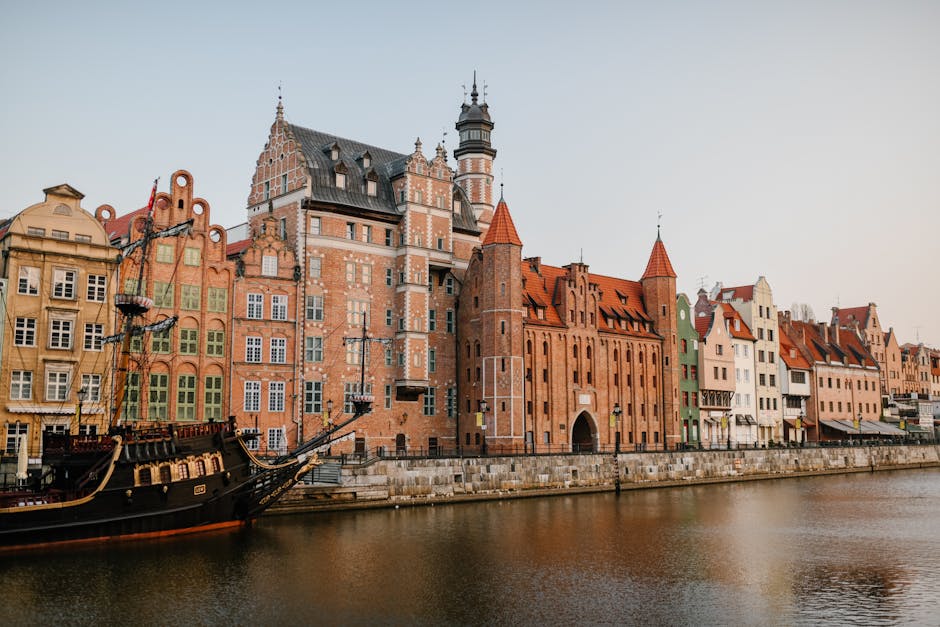
Discover the monastic heritage, world-famous organs, and lush botanical gardens of Oliwa on this peaceful self-guided neighborhood stroll.
 Easy
EasySalzburg, Austria
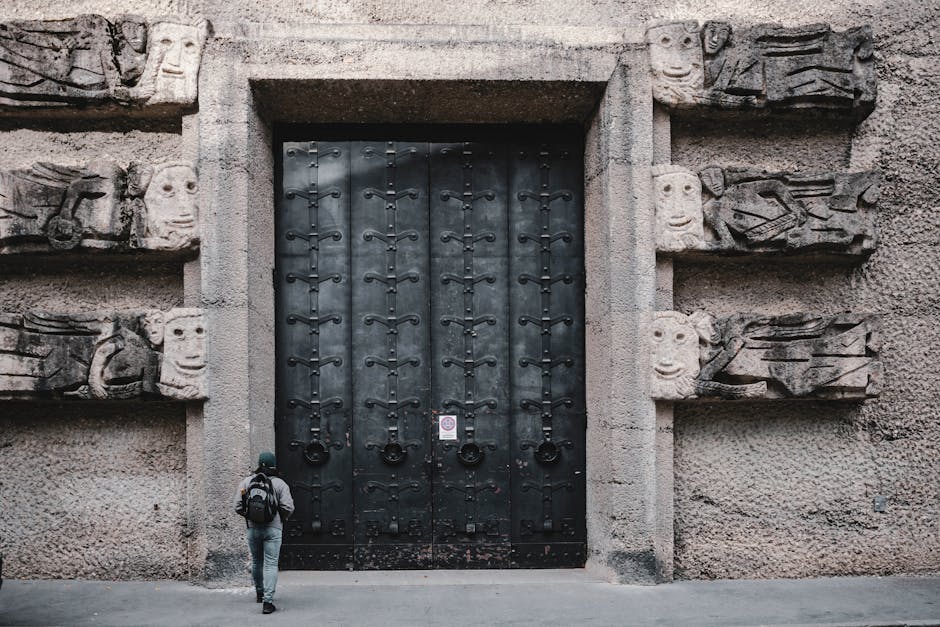
Discover the 'Rome of the North' on this self-guided walk through the Baroque squares and monumental legacy of Salzburg’s Prince-Archbishops.
 Easy
EasyWarsaw, Poland
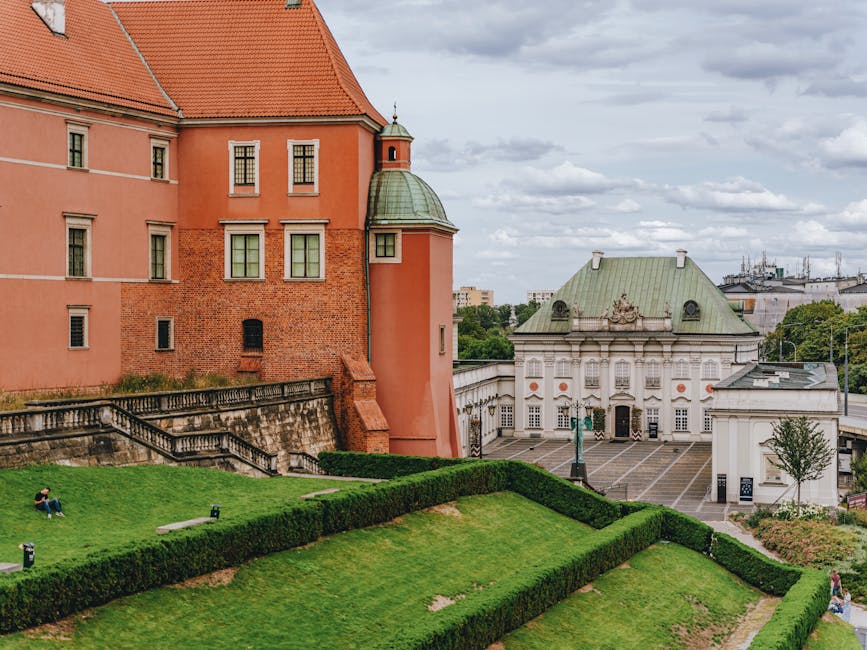
Explore the miracle of Warsaw's reconstructed Old Town on this self-guided walk through royal squares, medieval walls, and heroic monuments.
 Easy
EasyHelsinki, Finland
Discover Helsinki's oldest neighborhood on this self-guided audio walk through Kruununhaka’s historic streets, hidden courtyards, and scenic shores.
 Moderate
Hanoi, Vietnam
Discover Hanoi's resilient spirit on this self-guided audio walk through wartime bunkers, historic prisons, and military landmarks.
 Easy
EasyHanoi, Vietnam
Discover Hanoi's spiritual heart and scenic vistas on an independent stroll featuring ancient pagodas, colonial architecture, and sunset lake views.
 Easy
EasyHanoi, Vietnam
Explore Hanoi's diverse spiritual heritage on this self-guided walk through historic pagodas, a Neo-Gothic cathedral, and lakeside temples.
 Easy
EasyHanoi, Vietnam
Discover Hanoi's vibrant soul through railway-side murals, historic tracks, and the record-breaking Ceramic Road on this self-guided walk.
