The Thu Bon River is the rhythmic heartbeat of Hoi An, a silver ribbon of water that has carried traders, fishermen, and legends for centuries. This self-guided walk invites you to step away from the crowded alleys and follow the river’s edge, where nature and culture intertwine seamlessly. From the rustic charm of the Cẩm Kim Bridge to the iconic silhouette of the Japanese Covered Bridge, you will witness how the water dictates the pace of life in this UNESCO World Heritage site. This walking route is designed for those who want to see the authentic side of the city, where the morning mist over the fish market transitions into the vibrant glow of evening lanterns. As you explore independently, you will encounter the Hoi An sculpture promenade, a space where local artistry pays homage to the maritime history of the region. The journey takes you through the architectural evolution of the town, highlighting the Chùa Cầu, a 17th-century symbol of peace and international connection. Beyond the stone and wood, the route emphasizes the living heritage of the river, from the traditional basket boats bobbing near Duy Hai to the bustling trade still active along the Bạch Đằng waterfront. This neighborhood stroll offers a balanced perspective of Hoi An’s dual identity: a peaceful rural sanctuary and a thriving historical port. Whether you are capturing the golden hour on your camera or simply soaking in the atmosphere of a walking tour Hoi An style, this route provides the flexibility to linger where you choose. The river tells a story of resilience and beauty, reflected in the shimmering water and the faces of the people who call its banks home. Discover the essence of the region at your own pace, away from the constraints of a rigid schedule, and find out why the Thu Bon remains the soul of Central Vietnam.
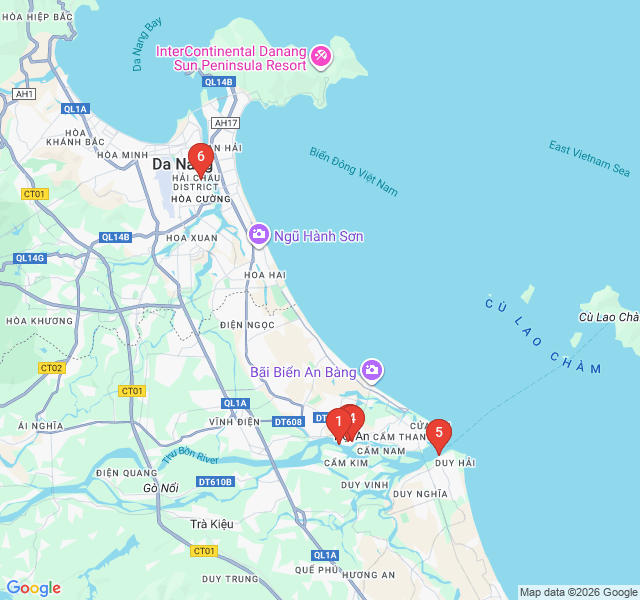
Numbers indicate the order of stops on the tour
Begin your self-guided adventure at the Cẩm Kim Bridge. This modern span replaced a long-standing ferry system, connecting the bustling ancient town with the quiet, rural island of Cẩm Kim. As you stand here, look down at the Thu Bon River; it has been the primary artery for trade in Central Vietnam for centuries. To your south lies an island famous for its woodworking heritage, where artisans once carved the intricate details of Hoi An’s famous assembly halls. The bridge offers one of the best vantage points to see the scale of the river and the traditional wooden boats that still ply these waters today.
Walking along the northern bank, you will reach the sculpture promenade. This open-air gallery features works by local and international artists that reflect the spirit of Hoi An. Many of these pieces use stone and metal to depict themes of family, fishing, and the passage of time. It is a quiet contrast to the busy market nearby, offering a space for reflection. Notice how the sculptures are positioned to interact with the river's backdrop, blending contemporary creative expression with the timeless flow of the Thu Bon. It is a testament to how the city continues to evolve while honoring its cultural roots.
No walking route in Hoi An is complete without the Chùa Cầu, or the Japanese Covered Bridge. Built in the early 1600s by the Japanese merchant community, this bridge was designed to link the Japanese and Chinese quarters of the city. Look for the statues of dogs and monkeys at either end; legend says the bridge’s construction began in the year of the monkey and finished in the year of the dog. Inside, there is a small temple dedicated to the Taoist deity Tran Vo Bac De, the god of weather. This bridge is a rare example of a bridge with a pagoda built into its side, symbolizing the spiritual protection of the town from floods.
As you move closer to the An Hoi islet, you will see dozens of small wooden boats decorated with colorful silk lanterns. While many visitors choose to board these boats, the view from the shore is equally enchanting. These lanterns are more than just decoration; they represent the town’s history as a major trading port where Japanese, Chinese, and European influences merged. The tradition of releasing paper lanterns onto the water is a local way of sending off prayers for luck and peace. The reflection of the multi-colored lights on the dark water of the Thu Bon is arguably the most iconic image of Hoi An.
To truly understand the river’s bounty, consider the Duy Hai area. While the main market is located where the river meets the sea, its influence is felt all along the banks here. You might see 'thuyền thúng' or round basket boats being used to ferry goods from larger vessels to the shore. These unique circular boats were originally designed to avoid taxes imposed by French colonialists, who taxed traditional boats but not these 'baskets.' The market activity here is a sensory explosion of fresh seafood, aromatic spices, and the rhythmic calls of vendors. It is the raw, unpolished heart of the river’s economy.
Finish your stroll along Bạch Đằng, the historic waterfront street. During the 18th and 19th centuries, this street was lined with warehouses and merchant homes. Today, the yellow-walled buildings house cafes and shops, but the architecture remains largely unchanged. This was the first point of contact for foreign sailors arriving in Hoi An. The street’s elevation is intentionally low to stay close to the water, which unfortunately makes it prone to seasonal flooding. As you walk, look for the high-water marks carved into some of the older buildings, a silent reminder of the river's power and the resilience of the people who live alongside it.
Download Zigway to experience "Life on the Thu Bon River" with AI-powered audio narration. Walk at your own pace while stories unfold around you.
 Easy
EasyHoi An, Vietnam
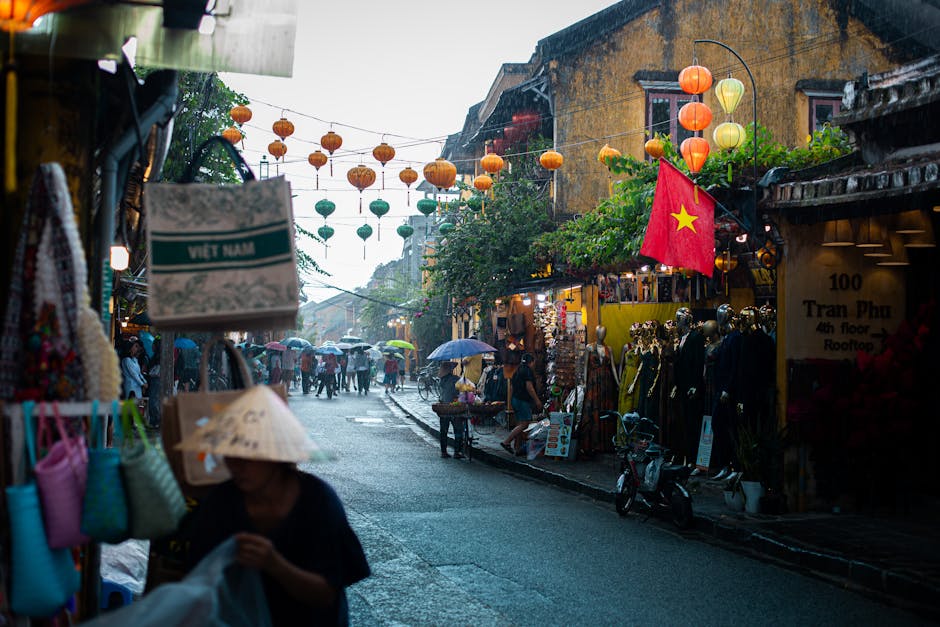
Discover the ornate assembly halls and hidden pagodas of Hoi An on this self-guided walk through the city's spiritual and architectural history.
 Easy
EasyHoi An, Vietnam
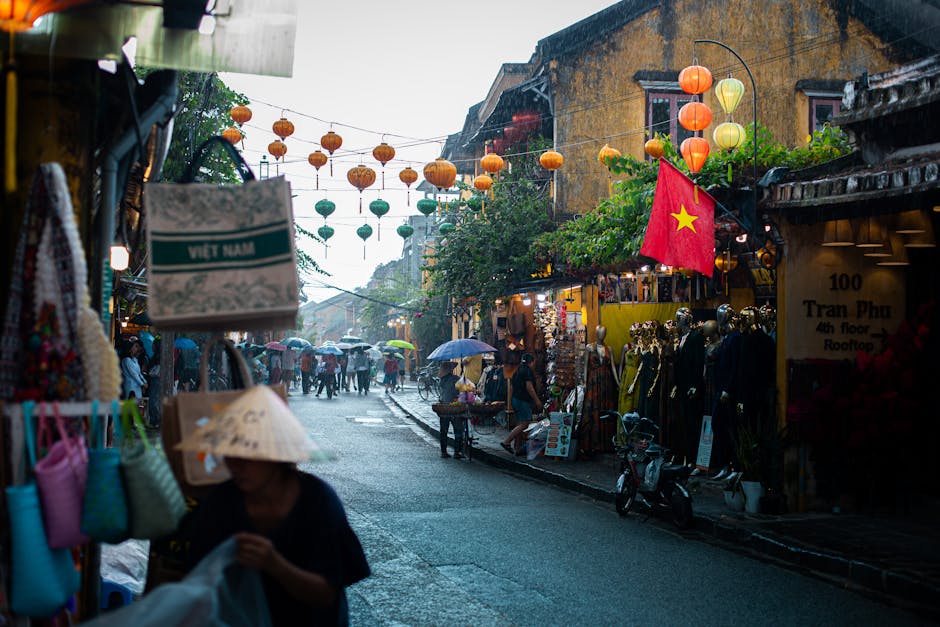
Capture the magic of Hoi An's golden hour on this self-guided photography walk through historic streets, temple gates, and riverside views.
 Moderate
Hoi An, Vietnam
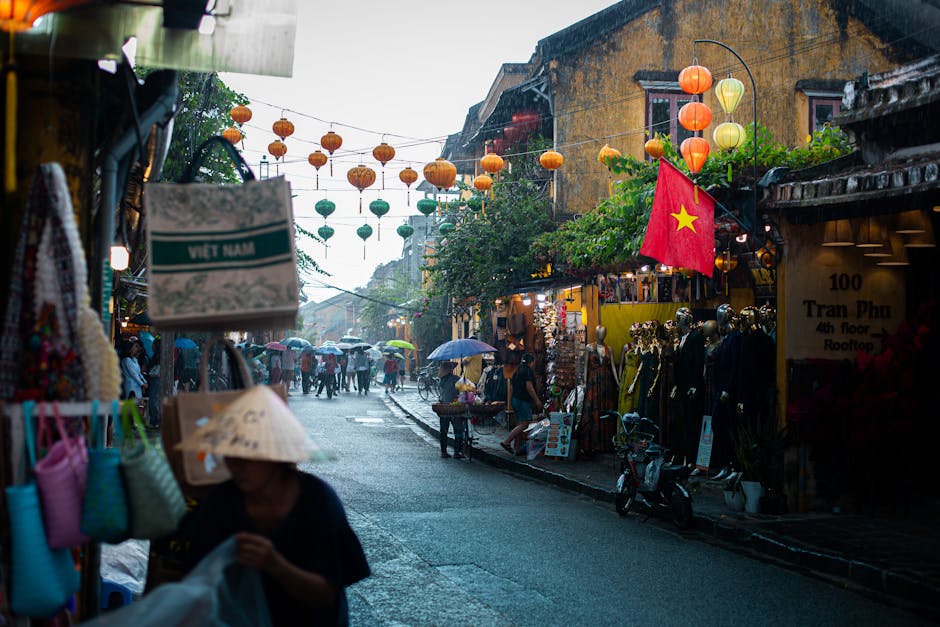
Escape the crowds and explore the rural heart of Hoi An, from the riverside charms of Cam Nam to the lush herb gardens of Tra Que.
 Easy
EasyHoi An, Vietnam
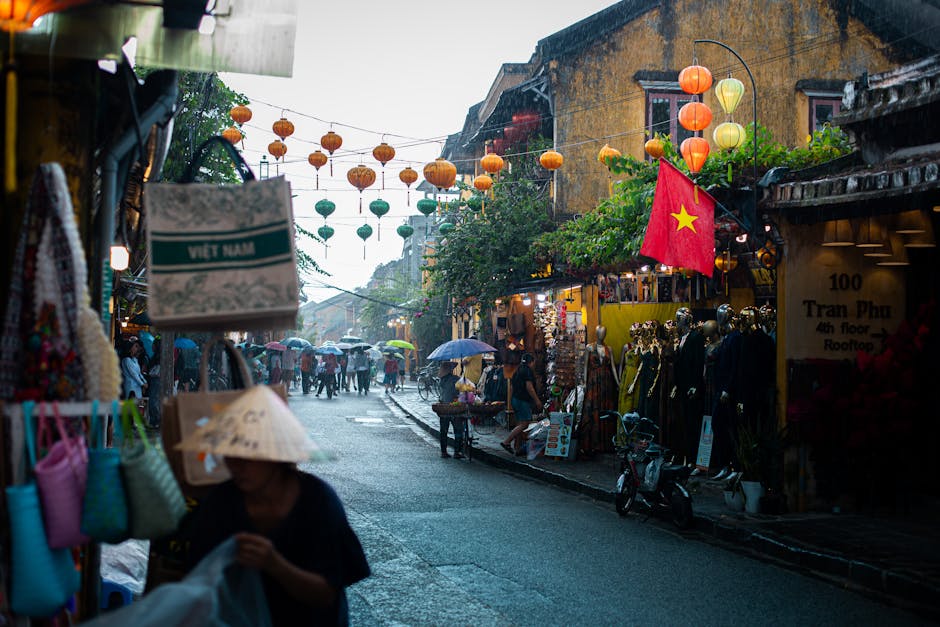
Explore the luminous magic of Hoi An at night. Discover lanterns, riverside bars, and local markets on this enchanting self-guided audio walk.
 Moderate
Krakow, Poland
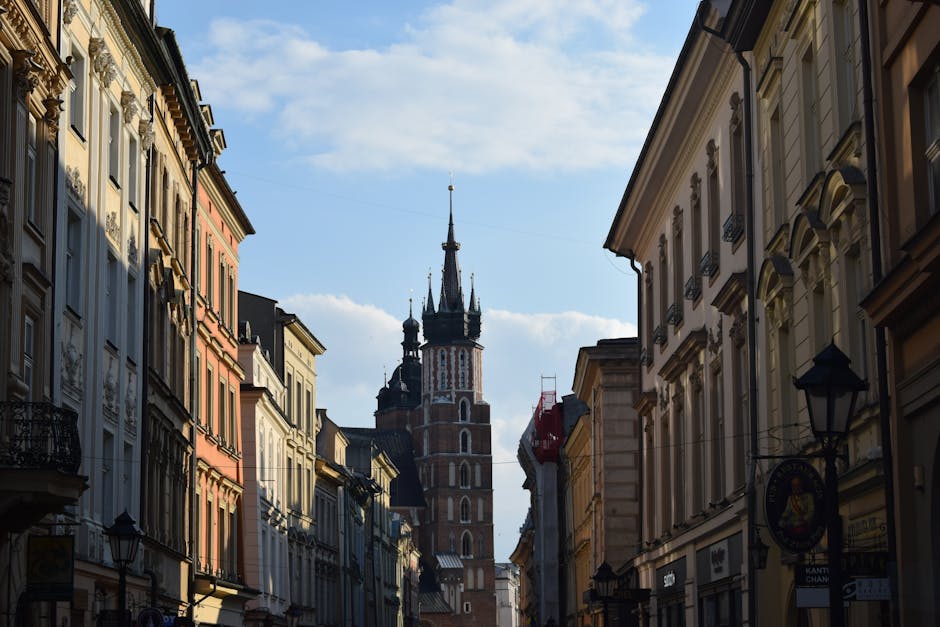
Discover Krakow’s stunning skyline and riverside charm on this self-guided audio walk through scenic viewpoints and historic mounds.
 Easy
EasyWarsaw, Poland
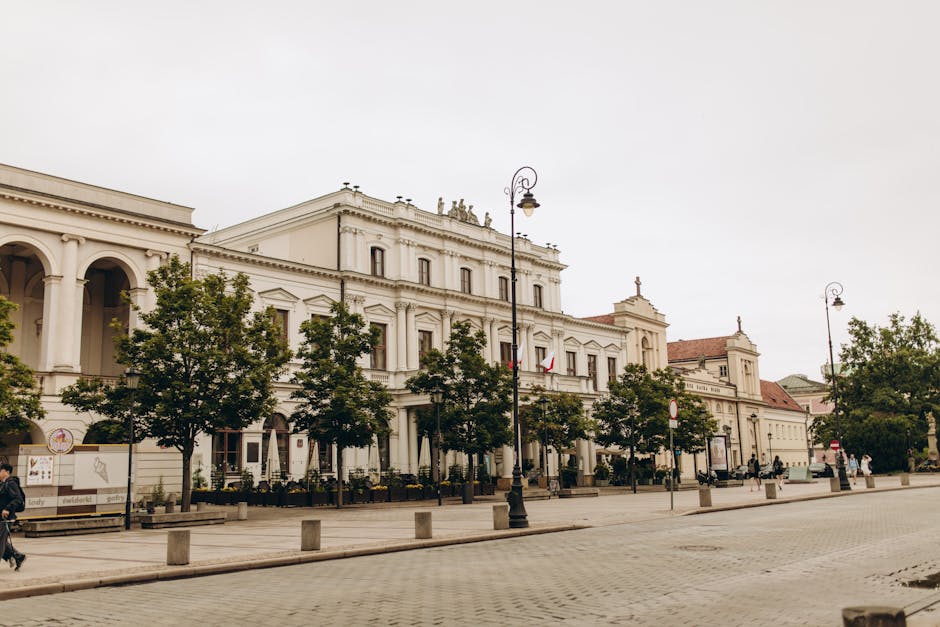
Explore Warsaw's scenic riverfront, rooftop gardens, and industrial-chic architecture on this self-guided stroll through the Powiśle district.
 Easy
EasyWarsaw, Poland
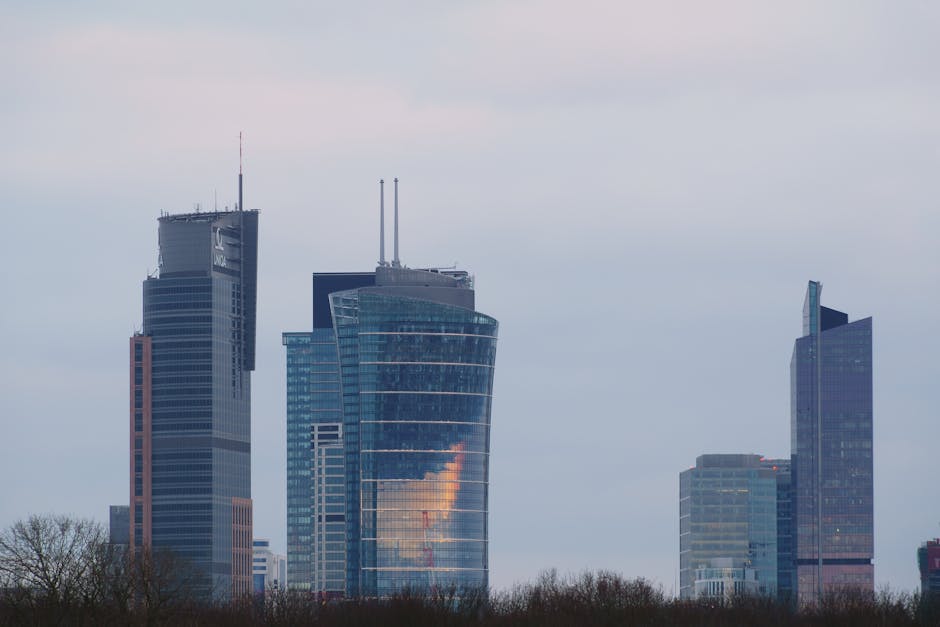
Discover the hidden courtyards and grand pre-war architecture of Warsaw's most atmospheric neighborhood on this self-guided stroll.
 Easy
EasyGothenburg, Sweden
Explore Gothenburg’s historic wooden houses, legendary giant cinnamon buns, and panoramic fortress views on this self-guided neighborhood stroll.
 Moderate
Hanoi, Vietnam
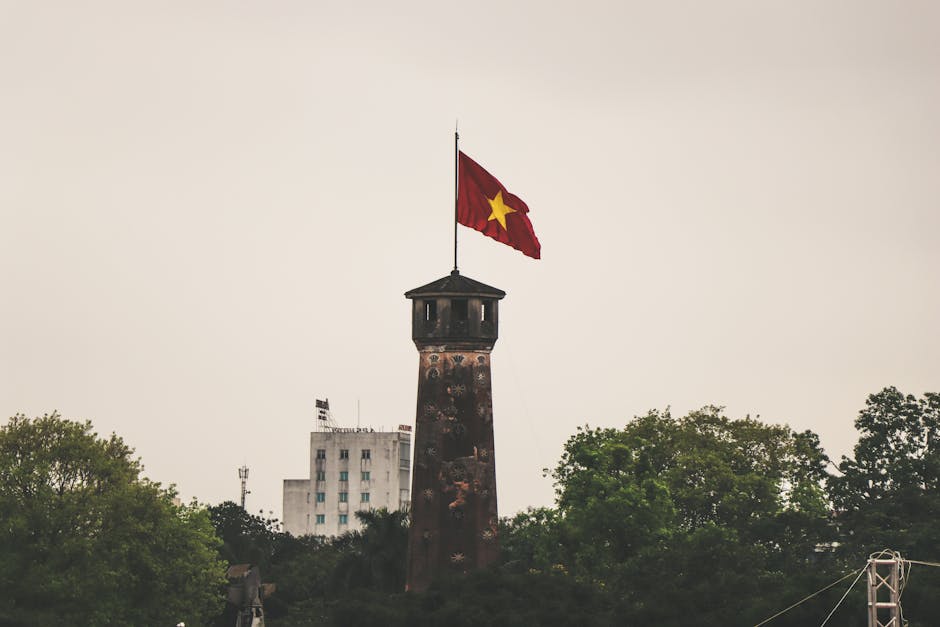
Discover Hanoi's resilient spirit on this self-guided audio walk through wartime bunkers, historic prisons, and military landmarks.
 Easy
EasyHanoi, Vietnam
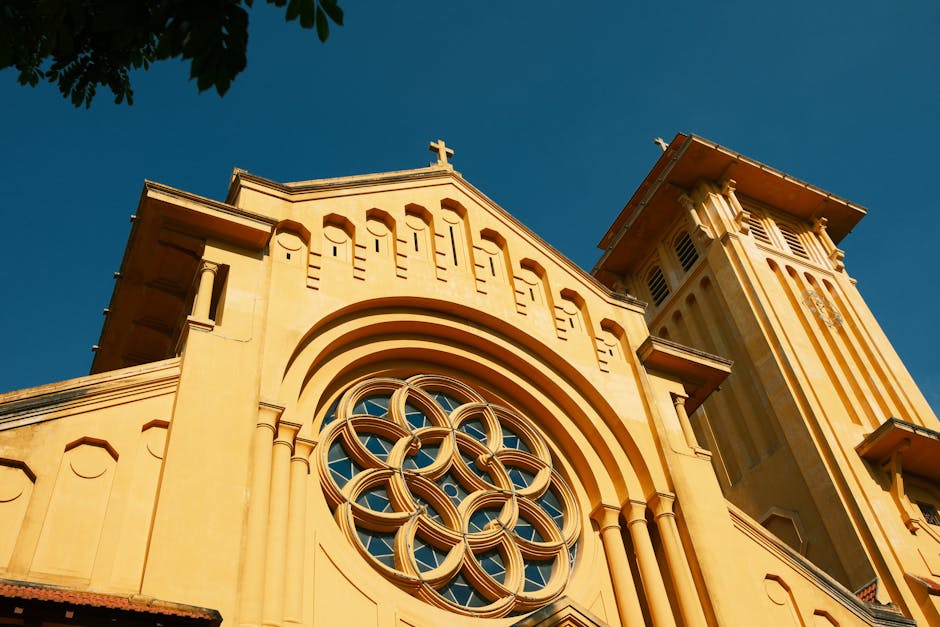
Discover Hanoi's spiritual heart and scenic vistas on an independent stroll featuring ancient pagodas, colonial architecture, and sunset lake views.
 Easy
EasyHanoi, Vietnam
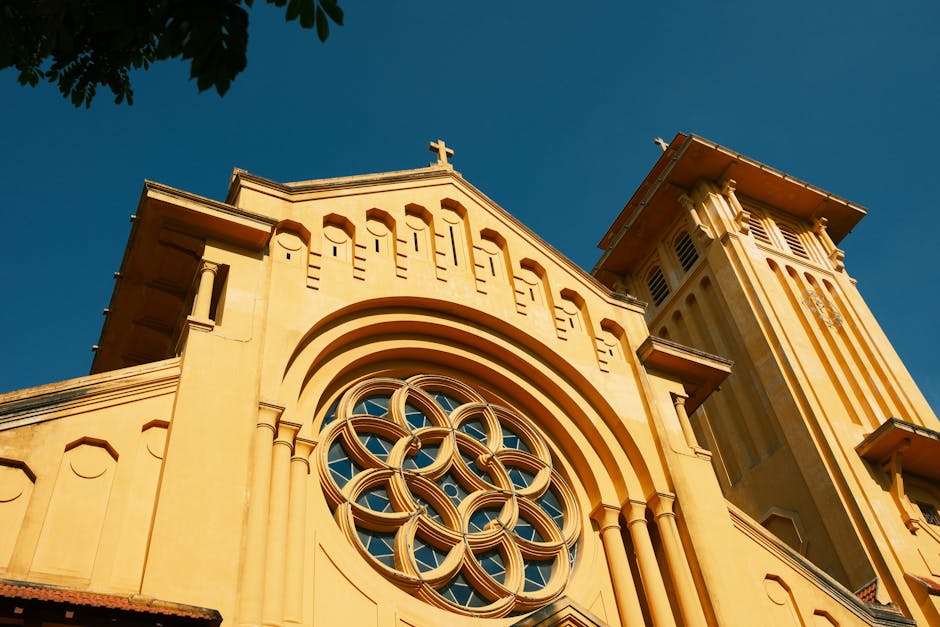
Explore Hanoi's diverse spiritual heritage on this self-guided walk through historic pagodas, a Neo-Gothic cathedral, and lakeside temples.
 Easy
EasyHanoi, Vietnam
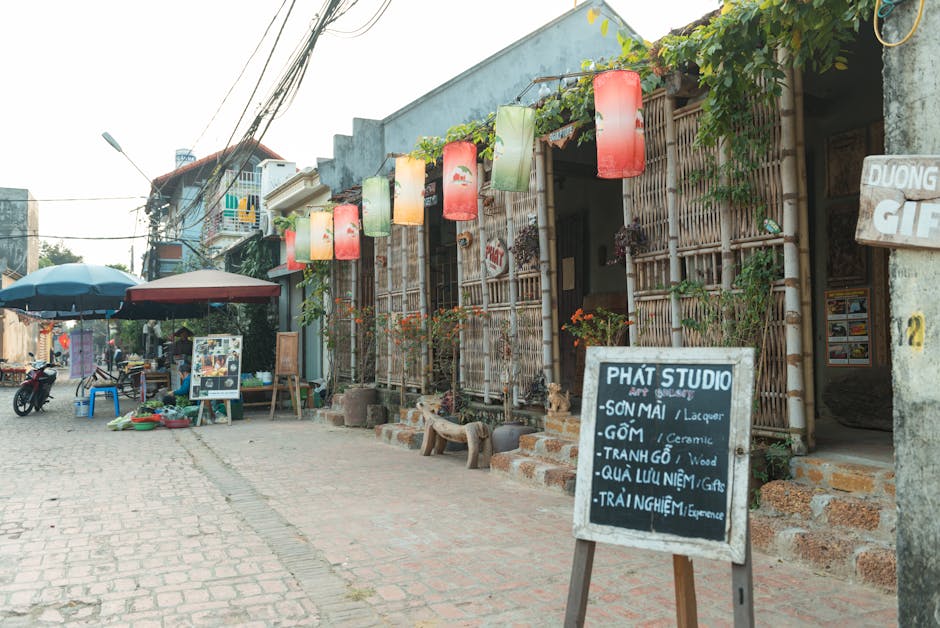
Discover Hanoi's vibrant soul through railway-side murals, historic tracks, and the record-breaking Ceramic Road on this self-guided walk.
