Discover the soul of Vietnam's capital on this self-guided walk through the spiritual heart of Hanoi. This neighborhood stroll takes you beyond the bustling motorbike-filled streets into the serene sanctuaries that have defined the city's identity for centuries. Hanoi is a unique tapestry of faiths, where ancient Buddhist pagodas stand alongside colonial-era cathedrals and lakeside temples dedicated to legendary heroes. This walking route offers a profound look at how religion and folklore are woven into the daily life of Hanoians. Your independent journey begins at Quan Su Pagoda, the headquarters of the Vietnamese Buddhist Sangha, a site of immense national importance. From there, you will transition from the incense-filled halls of Buddhism to the towering spires of St. Joseph Cathedral. This Neo-Gothic landmark serves as a powerful reminder of the city's French colonial history and the vibrant Catholic community that remains active today. As you navigate the winding streets of the Hoan Kiem district, you will encounter hidden gems like Ba Da Pagoda, tucked away in a narrow alleyway, offering a peaceful escape from the urban rush. Unlike a traditional walking tour Hanoi often provides in crowded groups, this audio walk allows you to linger as long as you like at each altar or courtyard. You will explore the legend of the 'Returned Sword' at Hoan Kiem Lake and cross the iconic scarlet bridge to Ngoc Son Temple, where Taoist, Confucian, and Buddhist influences merge seamlessly. Whether you are interested in the intricate architecture of the 12th-century Ly Trieu Quoc Su Pagoda or the quiet devotion of local worshippers, this self-guided adventure provides the historical context and cultural depth needed to appreciate Hanoi's sacred landscape. This walking tour Hanoi route is designed for those who want to experience the city's spiritual heritage at their own pace, providing a tranquil contrast to the high-energy atmosphere of the Old Quarter.
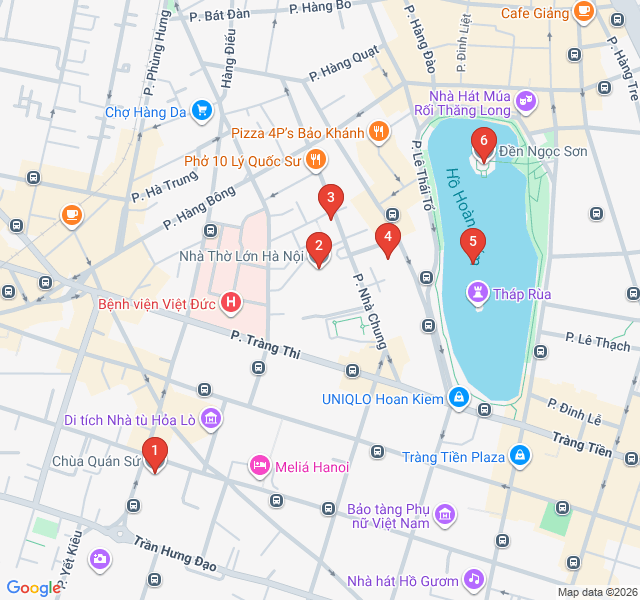
Numbers indicate the order of stops on the tour
Welcome to the spiritual headquarters of the Vietnamese Buddhist Sangha. Built in the 15th century during the Le Dynasty, Quan Su Pagoda originally served as a place for visiting Buddhist ambassadors from neighboring countries to worship. Unlike many smaller neighborhood temples, this is a major center for religious administration and education. As you enter, notice the intricate yellow facades and the heavy scent of sandalwood incense. This site is particularly famous for its wax statue of the late monk Thich Thanh Tu, which is so lifelike it often startles visitors. It remains a cornerstone of Vietnamese religious identity, representing the formal structure of Buddhism in the modern capital.
Standing in stark contrast to the low-slung pagodas is the towering St. Joseph Cathedral. Completed in 1886, this is the oldest church in Hanoi, built by the French colonial government on the site of the former Bao Thien Pagoda. Its architectural style is Neo-Gothic, heavily inspired by Notre Dame de Paris, featuring twin bell towers and intricate stained glass imported from France. This cathedral is more than just a relic; it is the heart of Hanoi's Roman Catholic community. On Sundays and holidays, the plaza outside overflows with worshippers. The weathered, grey stone exterior gives it an ancient, atmospheric feel that makes it one of the most photographed spots in the city.
Just a short walk from the cathedral, you find Ly Trieu Quoc Su Pagoda, a site dedicated to a 12th-century Zen master named Nguyen Minh Khong. He was a legendary figure who famously cured King Ly Than Tong of a mysterious illness that made the monarch act like a tiger. Because of this miraculous feat, he was given the title 'Quoc Su' or National Teacher. The pagoda blends Buddhist worship with the veneration of historical figures, a common practice in Vietnam. Look for the ancient stone steles and the intricate wood carvings that date back centuries, reflecting the high artistic standards of the Ly Dynasty.
Tucked away at the end of a narrow alleyway, Ba Da Pagoda is a true hidden gem. Its name translates to 'Lady of Stone' Pagoda. Legend has it that while workers were digging the foundations for the city walls, they discovered a stone statue of a woman. Believing it to be a sacred sign, they built this temple to honor her. The pagoda serves as the school for the Hanoi Buddhist Association. The courtyard here is exceptionally peaceful, often filled with low chanting and the sound of wooden bells. It offers a rare moment of silence in the heart of the busy Hoan Kiem district, showcasing the 'alleyway culture' of Hanoi's spiritual life.
Hoan Kiem Lake, or 'The Lake of the Returned Sword,' is the spiritual and physical center of Hanoi. According to 15th-century legend, Emperor Le Loi was given a magical sword by a Golden Turtle God to drive out invaders. After his victory, while boating on this lake, the turtle surfaced and reclaimed the weapon. This story is central to Vietnamese national identity, symbolizing the end of war and the return to peace. The lake is a gathering place for locals at dawn for Tai Chi and in the evening for social strolls. In the center of the lake sits the Turtle Tower, a small stone structure commemorating the legend.
To reach your final stop, cross the iconic The Huc Bridge—the scarlet, wooden bridge whose name means 'Morning Sunlight Bridge.' Ngoc Son Temple, or the Temple of the Jade Mountain, sits on an island in the lake. It is dedicated to several figures, including the 13th-century military hero Tran Hung Dao and the patron saint of scholars, Van Xuong. Inside, you can see a preserved specimen of a giant soft-shell turtle that once lived in the lake, linking the physical world to the legends you've just heard. The temple is a beautiful example of 'Tam Giao,' the coexistence of Taoism, Confucianism, and Buddhism that defines Vietnamese spiritual philosophy.
Download Zigway to experience "Sacred Hanoi: A Spiritual Circuit" with AI-powered audio narration. Walk at your own pace while stories unfold around you.
 Moderate
Hanoi, Vietnam
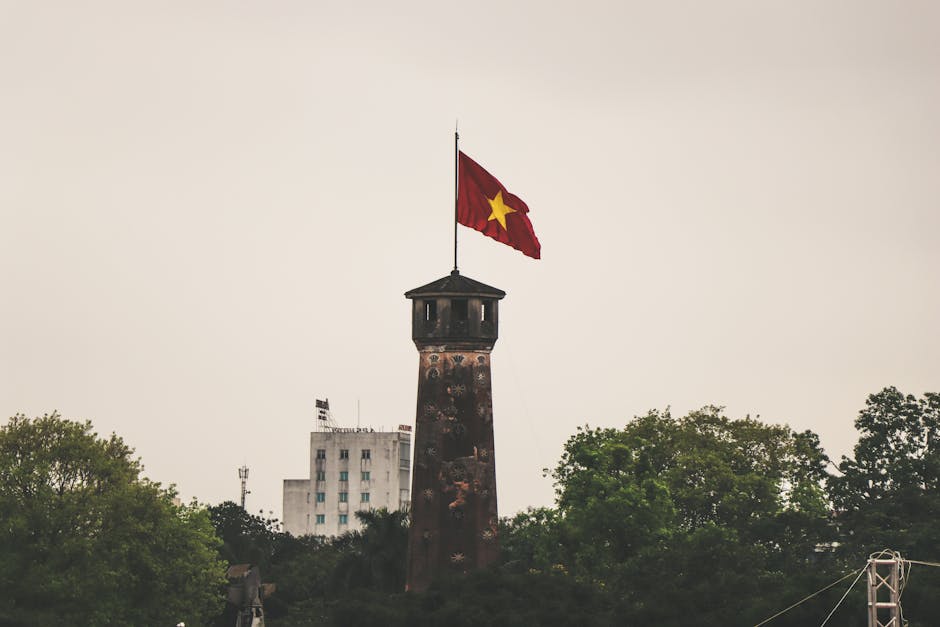
Discover Hanoi's resilient spirit on this self-guided audio walk through wartime bunkers, historic prisons, and military landmarks.
 Easy
EasyHanoi, Vietnam
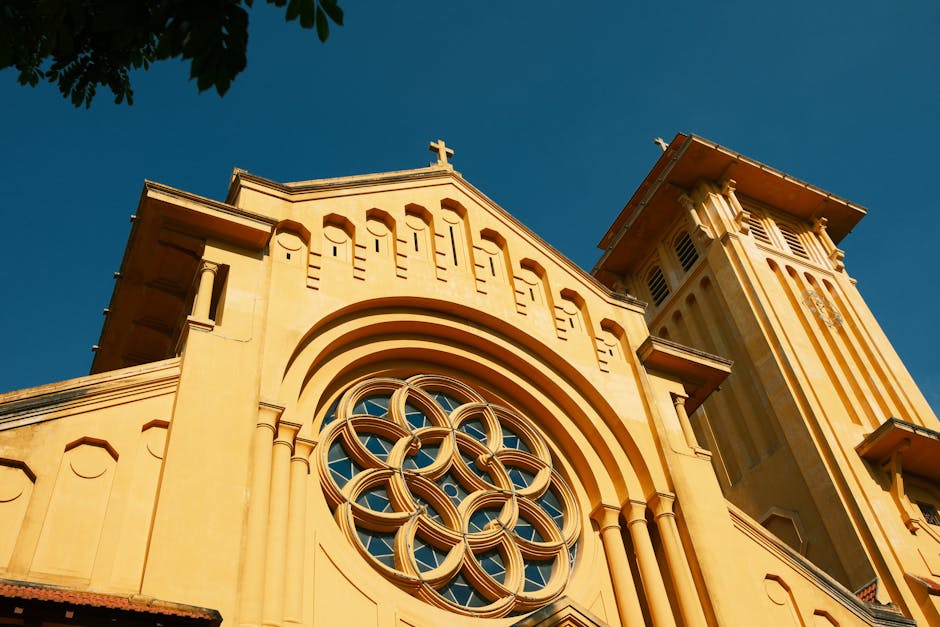
Discover Hanoi's spiritual heart and scenic vistas on an independent stroll featuring ancient pagodas, colonial architecture, and sunset lake views.
 Easy
EasyHanoi, Vietnam
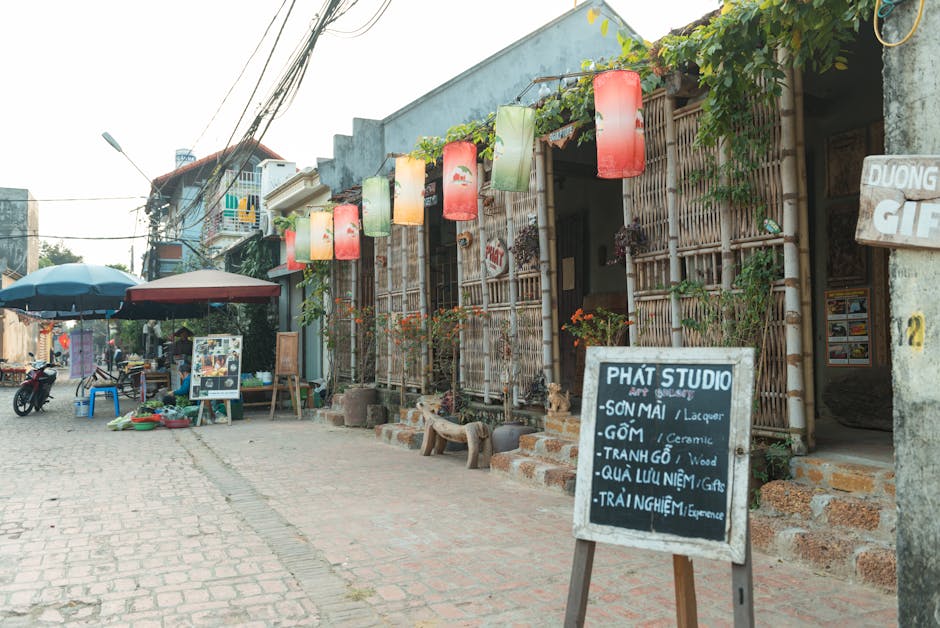
Discover Hanoi's vibrant soul through railway-side murals, historic tracks, and the record-breaking Ceramic Road on this self-guided walk.
 Moderate
Hanoi, Vietnam
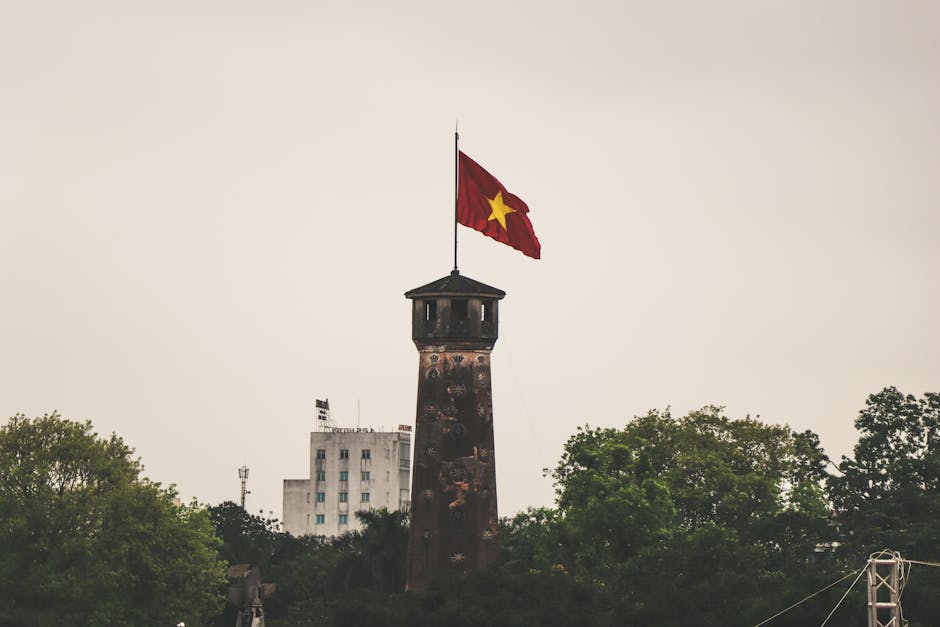
Explore the political heart of Hanoi. Discover the legacy of Ho Chi Minh and the evolution of Vietnamese power on this self-guided walking route.
 Easy
EasySalzburg, Austria
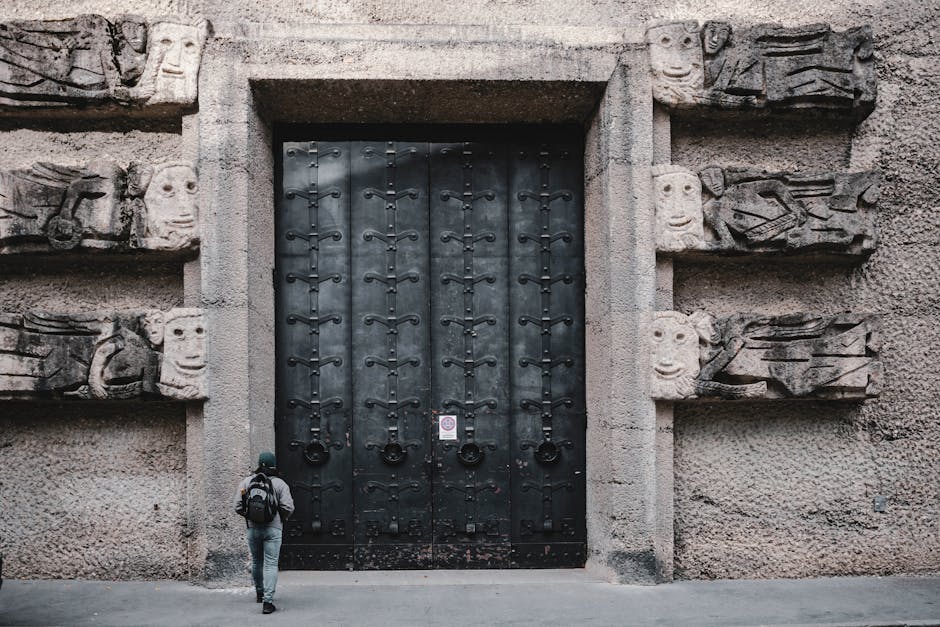
Discover the 'Rome of the North' on this self-guided walk through the Baroque squares and monumental legacy of Salzburg’s Prince-Archbishops.
 Easy
EasyNairobi, Kenya
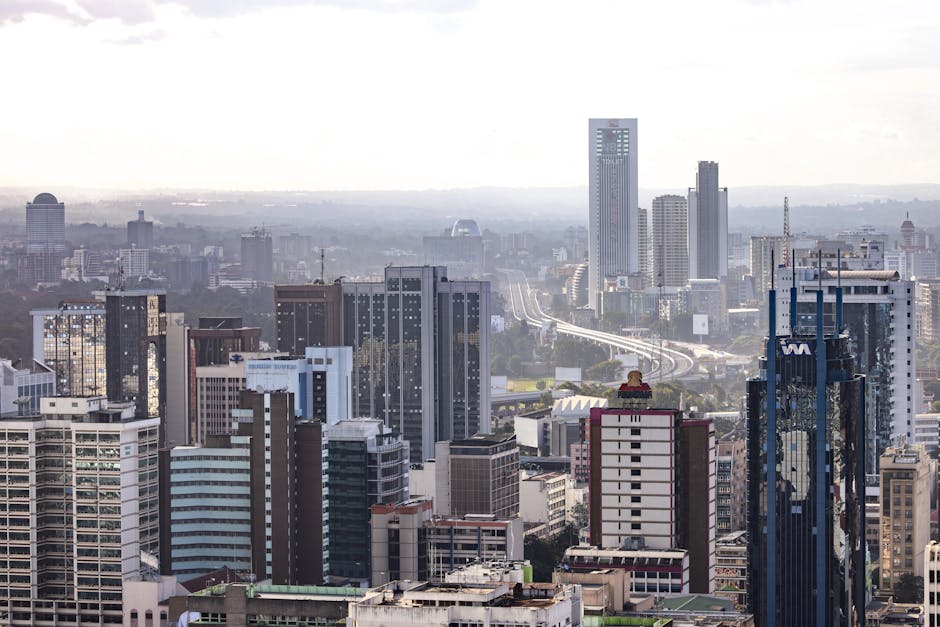
Explore Nairobi's architectural evolution from colonial-era landmarks to iconic Brutalist skyscrapers on this historic self-guided walking route.
 Easy
EasyNairobi, Kenya
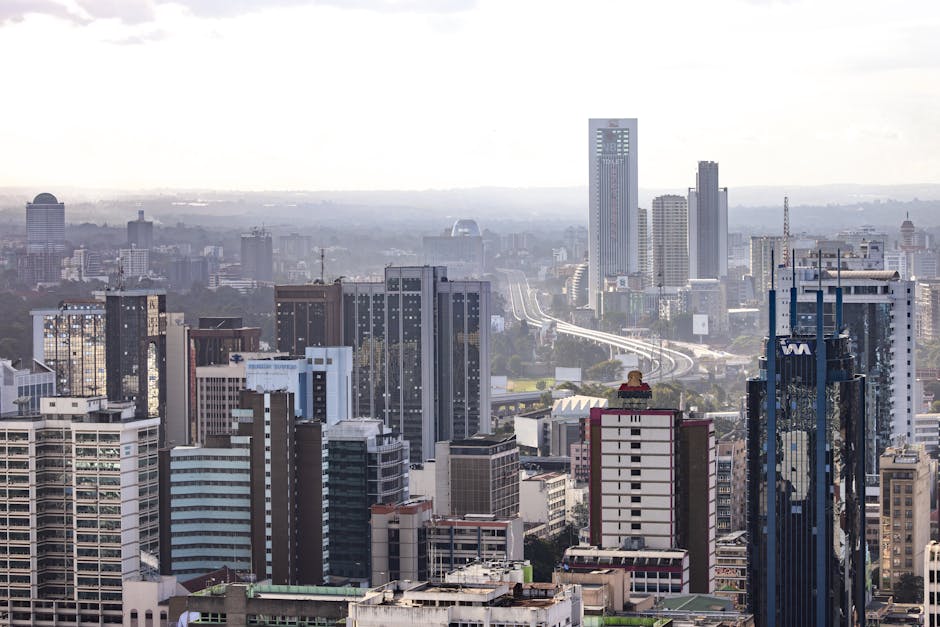
Discover Nairobi's iconic skyline on this self-guided architecture walk through the CBD’s most famous modernist and Brutalist landmarks.
 Easy
EasyKrakow, Poland
Explore the historic heart of Kazimierz on this self-guided walk through synagogues, ancient cemeteries, and vibrant squares.
 Moderate
Ho Chi Minh City, Vietnam
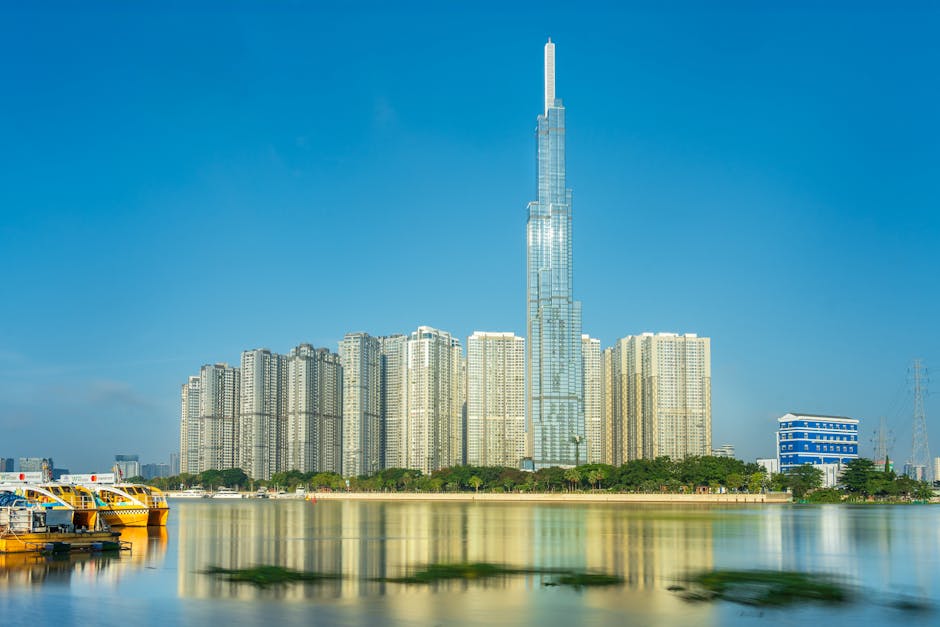
Explore the history of the Vietnam War at your own pace through iconic landmarks and hidden clandestine sites in Districts 1 and 3.
 Moderate
Ho Chi Minh City, Vietnam
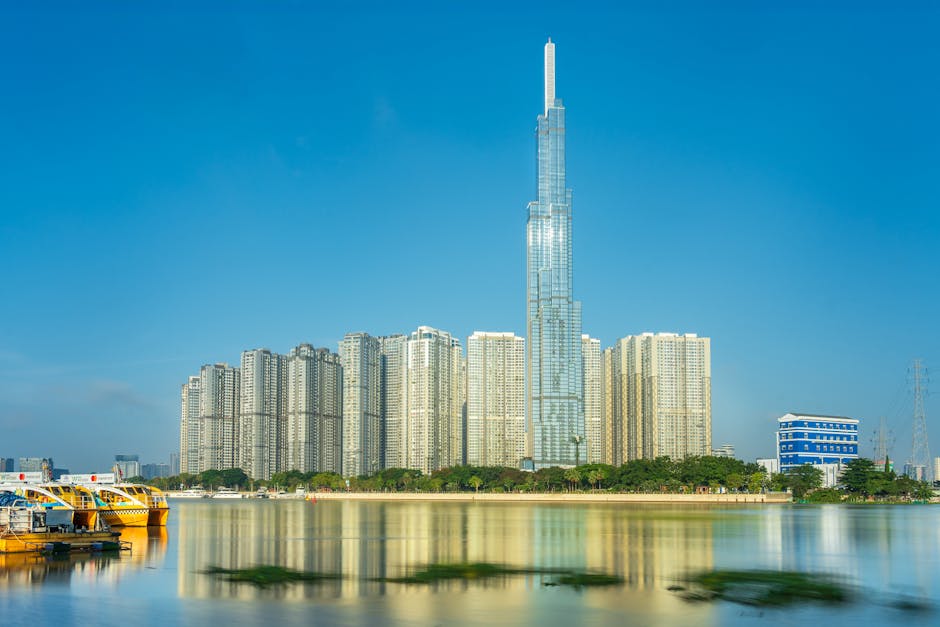
Explore Saigon’s coffee evolution from 1930s clay-pot brews to modern specialty roasters on this self-guided walk through District 1 and 3.
 Moderate
Ho Chi Minh City, Vietnam
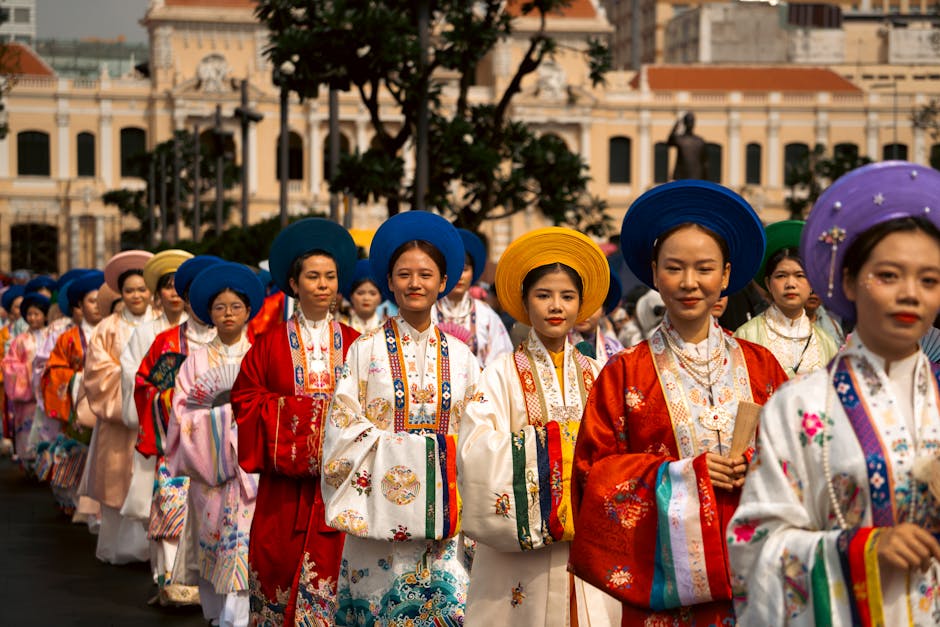
Explore the soul of Ho Chi Minh City's Chinatown on this self-guided walk through historic markets and ornate Cantonese assembly halls.
 Easy
EasyHo Chi Minh City, Vietnam
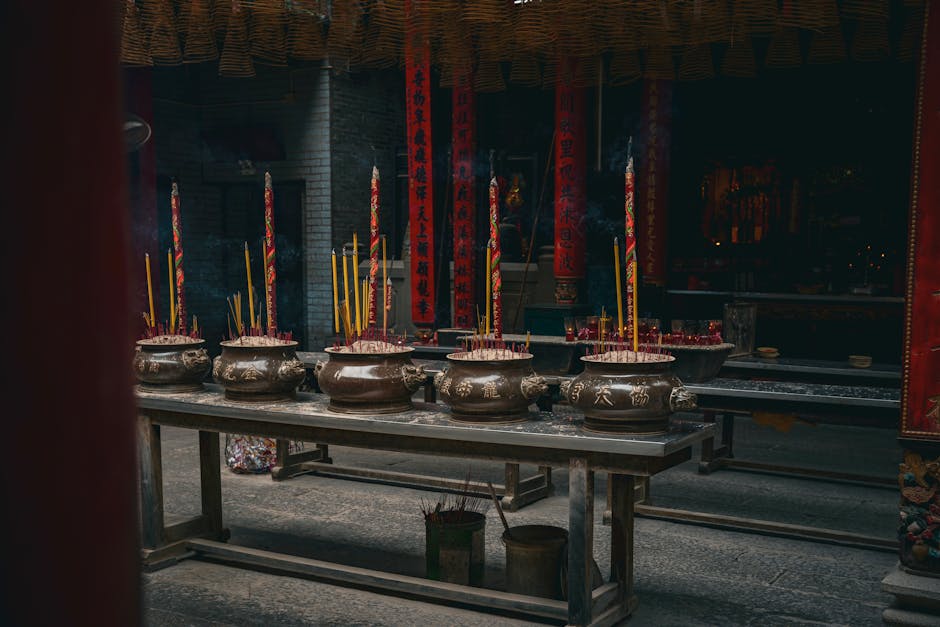
Discover the vibrant spirituality and stunning architecture of District 3, from serene pagodas to the iconic Pink Church.
