Step into the complex and moving history of Saigon with this immersive self-guided walk through Districts 1 and 3. As you navigate the bustling streets of modern Ho Chi Minh City, this route peels back the layers of time to reveal the pivotal moments of the Vietnam War—known locally as the American War. This experience offers a profound look at the conflict from multiple perspectives, ranging from the high-stakes political drama at the Independence Palace to the clandestine operations hidden beneath ordinary residential floorboards. This walking route is designed for those who wish to understand the resilience of the Vietnamese people and the scars that shaped this vibrant metropolis. Your journey begins at the War Remnants Museum, a sobering site that provides a visceral look at the realities of the conflict. From there, you will transition to the modernist grandeur of the Independence Palace, where the war famously reached its conclusion on April 30, 1975. As you explore independently, you will visit sites of intense historical drama, such as the location of the former U.S. Embassy—the site of a daring Tet Offensive raid—and the rooftop immortalized in the 'Fall of Saigon' evacuation photos. This historical stroll doesn't just focus on the battles; it also takes you to Turtle Lake, a favorite local hangout with its own unique political history, and concludes at a hidden weapon cellar used by the Viet Cong. Whether you are a history buff or a first-time visitor, this self-guided walking tour Ho Chi Minh City provides the context needed to see beyond the skyscrapers and motorbikes. You will discover how the city's past continues to echo through its architecture and public spaces. By following this walking tour Ho Chi Minh City, you can take your time at each site, reflecting on the stories of survival and change that define the city today.
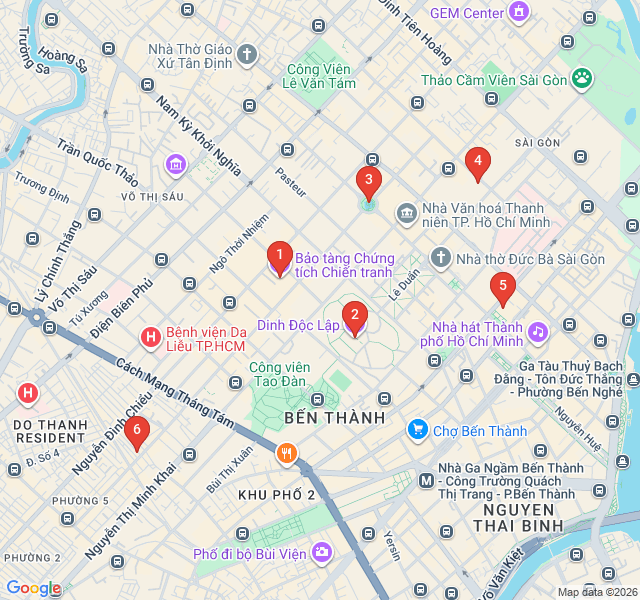
Numbers indicate the order of stops on the tour
Start your self-guided adventure at one of Vietnam's most visited museums. Formerly known as the Museum of American War Crimes, this site offers a powerful, albeit often one-sided, look at the conflict. Outside, you'll see a collection of captured U.S. military hardware, including tanks, aircraft, and the 'Daisy Cutter' bomb. Inside, the exhibits detail the devastating effects of Agent Orange and the reality of the 'Tiger Cages' used for political prisoners. It is a place for quiet reflection on the human cost of war. Take note of the 'Requiem' photography exhibit, which features works from photojournalists on both sides who lost their lives during the conflict.
Known also as Reunification Palace, this building is a masterpiece of 1960s Modernist architecture. It served as the home and workplace of the President of South Vietnam. On April 30, 1975, a North Vietnamese tank crashed through these very gates, marking the end of the Vietnam War and the fall of Saigon. As you walk the grounds, look for the two tanks parked on the lawn—replicas of the originals. The building remains frozen in time, with its lush reception rooms, a basement command bunker filled with vintage radio equipment, and a rooftop helipad that tells the story of the final days of the Republic of Vietnam.
This circular monument and pond is a popular social hub for local students today, but its history is far more political. Originally the site of a French gate, the South Vietnamese government later built a monument here. Legend says the 'dragon's tail' of the city was located here, and the tower was built to 'pin it down' and ensure political stability. The 'turtle' that gave the lake its name—a bronze statue carrying an inscribed stele—was destroyed in an explosion in the 1970s. Today, it is a peaceful spot to observe local life and enjoy some street snacks before continuing your historical route.
While the current building is modern, this site holds immense historical weight. This was the location of the former U.S. Embassy, which became a focal point of global news during the 1968 Tet Offensive. In the early morning hours, Viet Cong commandos blew a hole in the perimeter wall and entered the grounds, engaging in a hours-long battle that shocked the American public and changed the course of the war. Although the original embassy building was demolished in the late 90s, the high walls and heavy security remain a reminder of the strategic importance of this location throughout the 20th century.
Look up at the rooftop of this unassuming apartment building. This site was immortalized in one of the most famous photographs of the 20th century, taken by Hubert van Es. Often misidentified as the U.S. Embassy, this was actually a CIA 'safe house.' The photo captured a line of people climbing a ladder to a Huey helicopter on the rooftop during the final chaotic evacuation of Saigon in April 1975. It stands as a silent witness to the end of an era. While you cannot enter the rooftop, standing on the street below offers a powerful connection to those desperate final hours of the war.
Your final stop takes you into the heart of the clandestine resistance. From the outside, this looks like a typical narrow Saigon house, but beneath the floorboards lies a secret cellar used by the Viet Cong 'F100' commando unit. During the war, residents lived here while secretly storing tons of weapons right under the noses of the South Vietnamese police. You can see the tiny trapdoors and the ingenious ways weapons were smuggled in via hollowed-out floors and carts. It is a testament to the incredible ingenuity and risk taken by local supporters of the North during the conflict.
Download Zigway to experience "Echoes of the Vietnam War" with AI-powered audio narration. Walk at your own pace while stories unfold around you.
 Moderate
Ho Chi Minh City, Vietnam
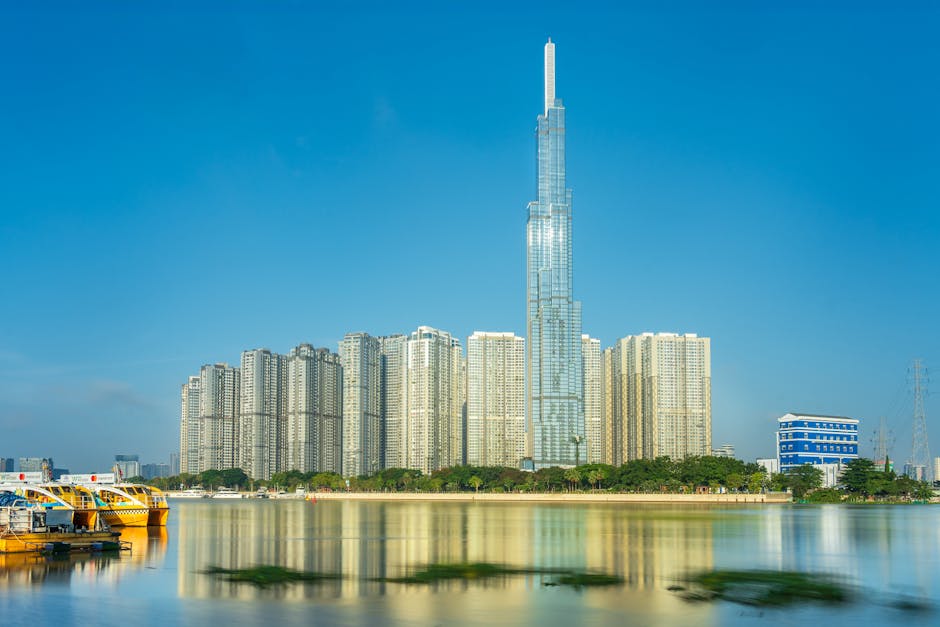
Explore Saigon’s coffee evolution from 1930s clay-pot brews to modern specialty roasters on this self-guided walk through District 1 and 3.
 Moderate
Ho Chi Minh City, Vietnam
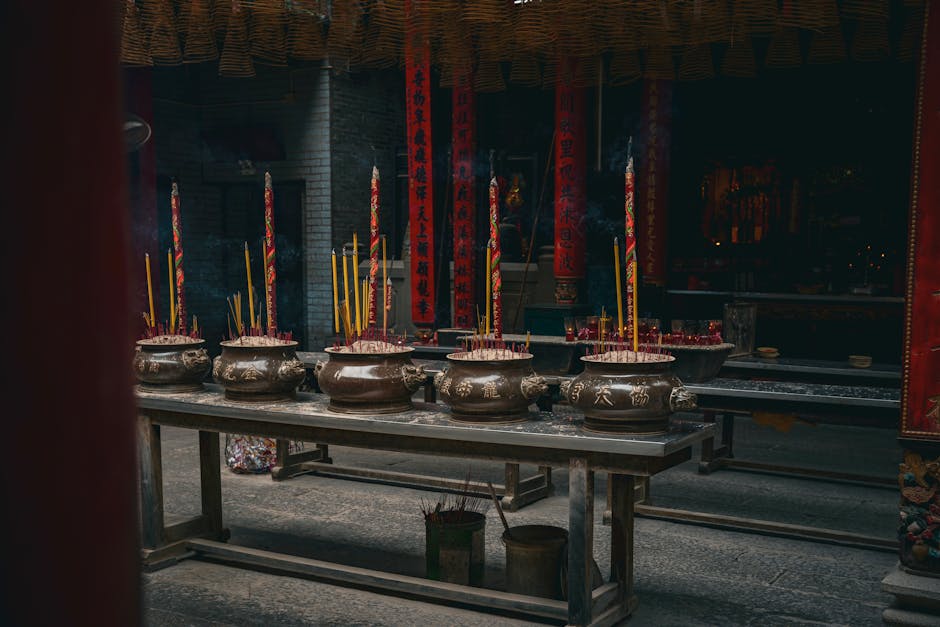
Explore the soul of Ho Chi Minh City's Chinatown on this self-guided walk through historic markets and ornate Cantonese assembly halls.
 Easy
EasyHo Chi Minh City, Vietnam
Discover the vibrant spirituality and stunning architecture of District 3, from serene pagodas to the iconic Pink Church.
 Moderate
Ho Chi Minh City, Vietnam
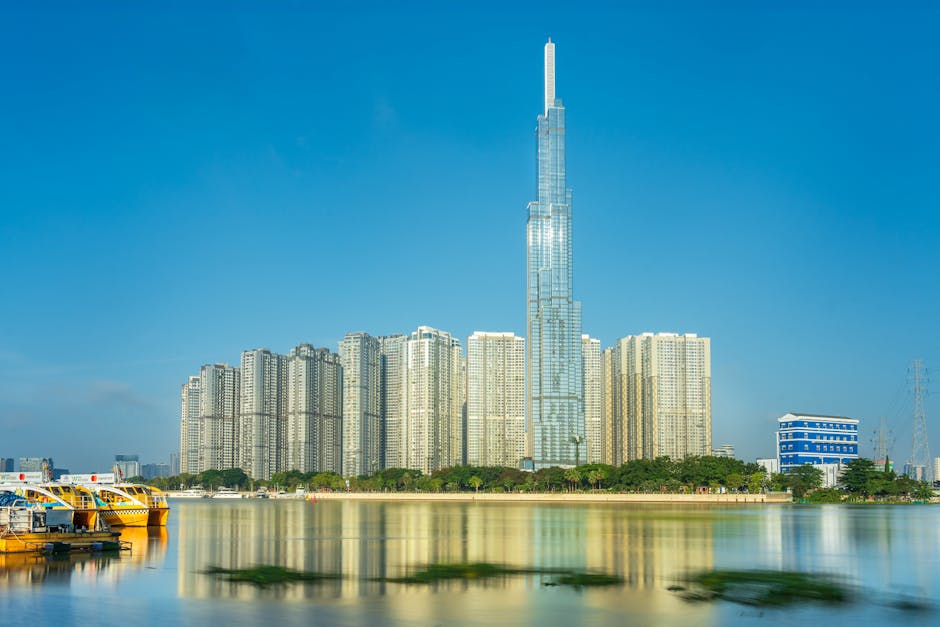
Explore the bold lines and tropical soul of Southern Modernism on this self-guided architecture walk through Saigon's District 3.
 Moderate
Gdansk, Poland
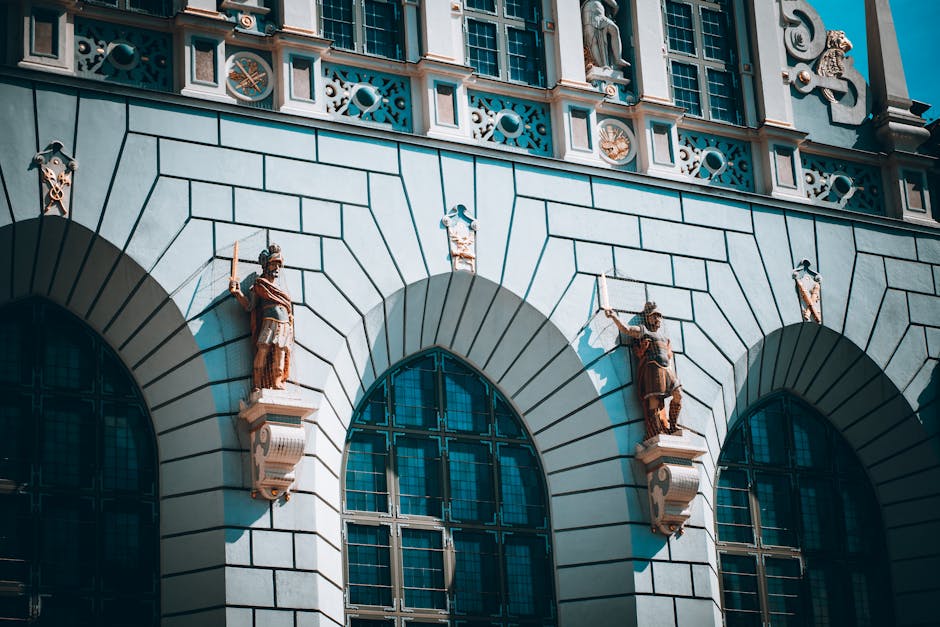
Discover the origins of WWII in Gdansk on this self-guided walk through heroic last stands, massive museums, and strategic hilltop fortifications.
 Moderate
Warsaw, Poland
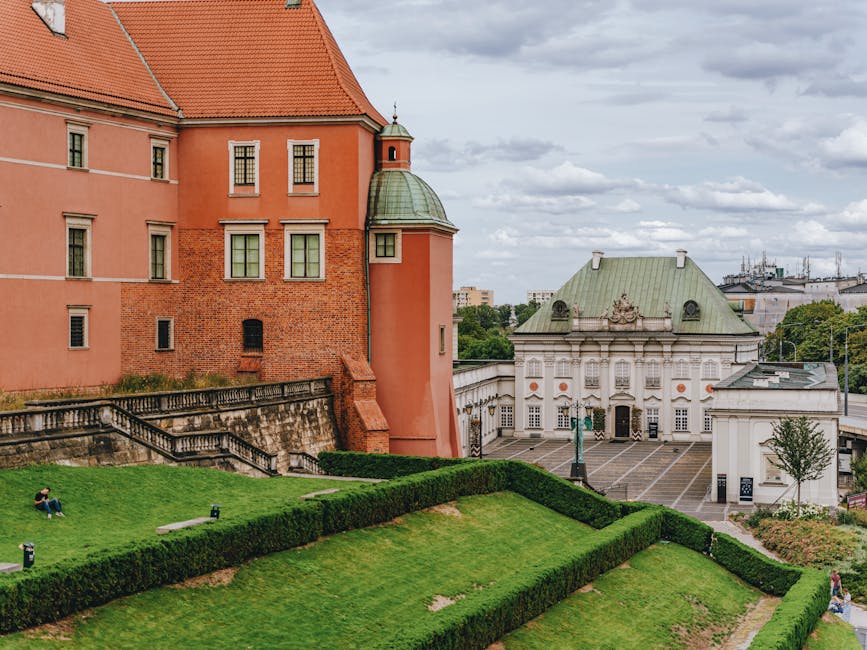
A powerful self-guided walk through Warsaw's WWII history, tracking the 1944 Uprising from ruined skyscrapers to solemn memorials.
 Moderate
Warsaw, Poland
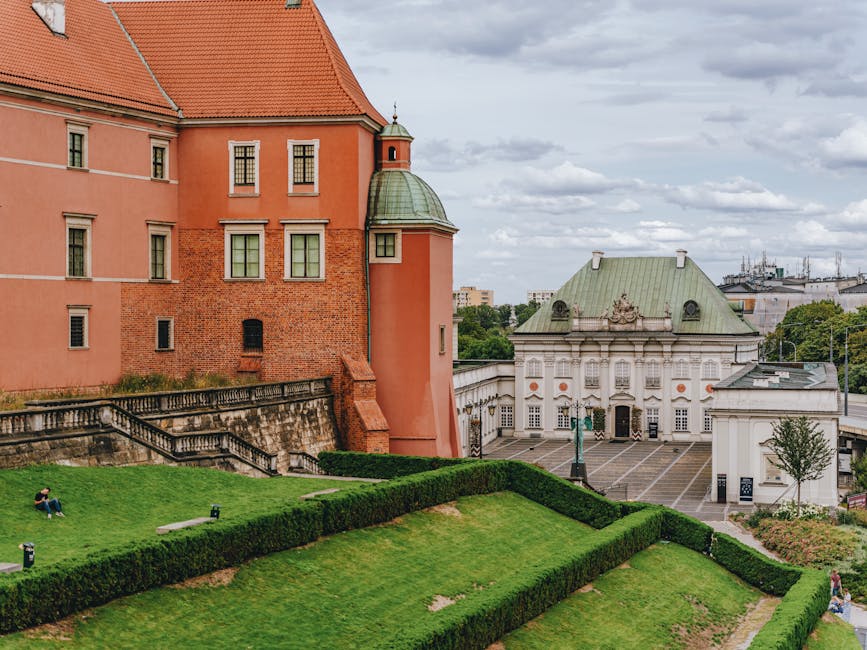
Explore the resilient spirit of Warsaw's Muranów district on this self-guided walk through the history and landmarks of the former Jewish Ghetto.
 Easy
EasyNairobi, Kenya
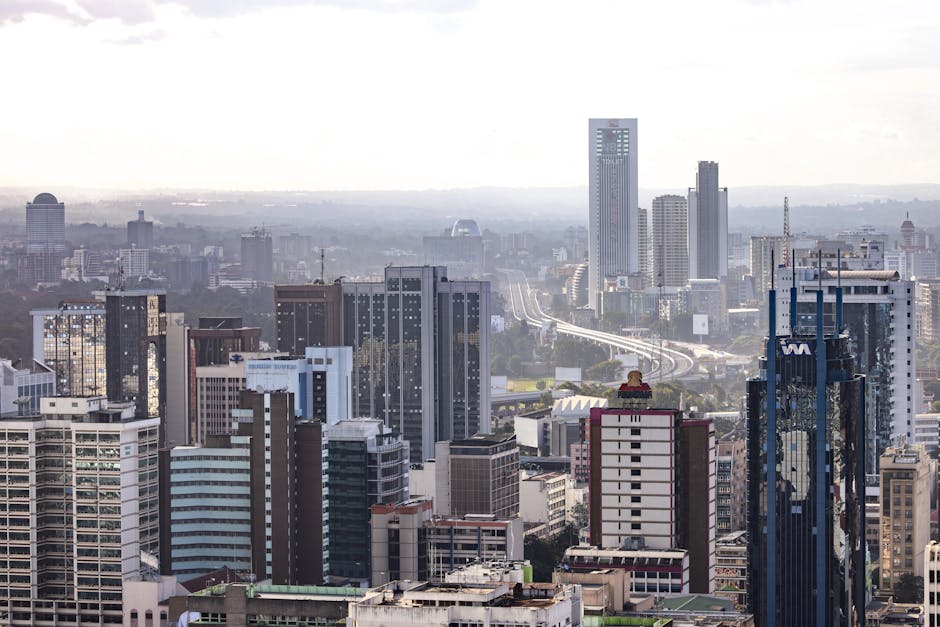
Explore Nairobi's architectural evolution from colonial-era landmarks to iconic Brutalist skyscrapers on this historic self-guided walking route.
 Moderate
Hanoi, Vietnam
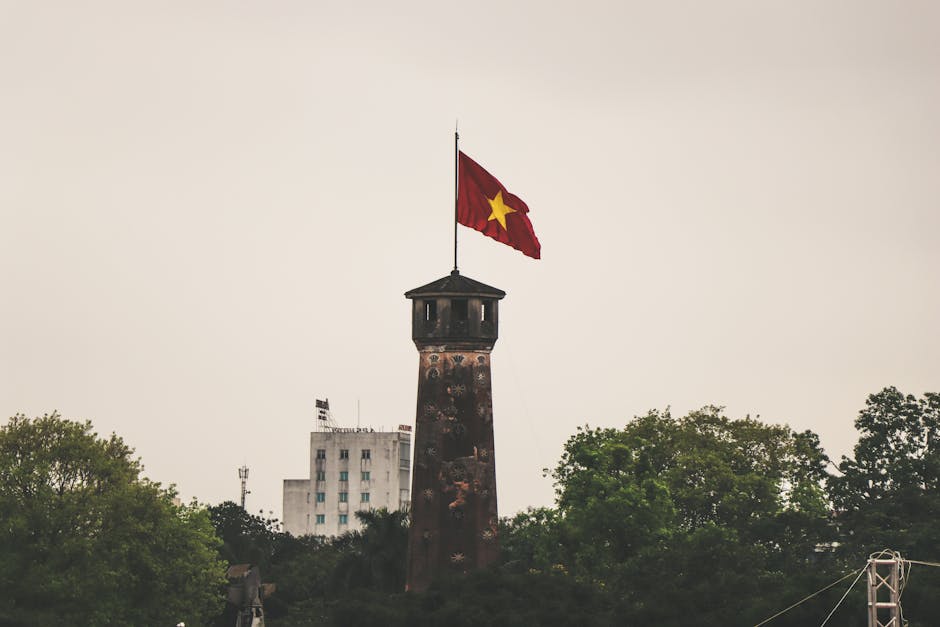
Discover Hanoi's resilient spirit on this self-guided audio walk through wartime bunkers, historic prisons, and military landmarks.
 Easy
EasyHanoi, Vietnam
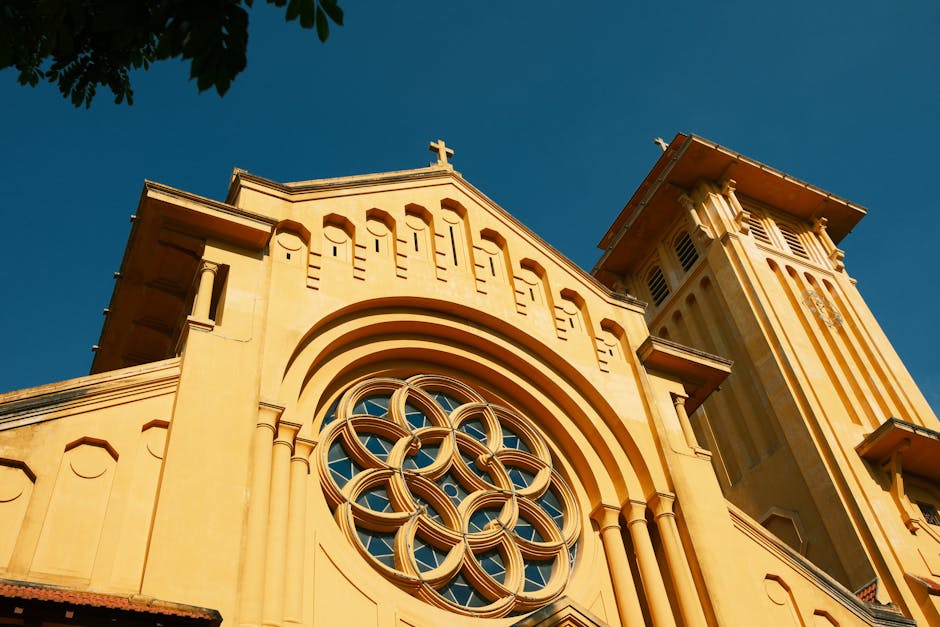
Discover Hanoi's spiritual heart and scenic vistas on an independent stroll featuring ancient pagodas, colonial architecture, and sunset lake views.
 Easy
EasyHanoi, Vietnam
Explore Hanoi's diverse spiritual heritage on this self-guided walk through historic pagodas, a Neo-Gothic cathedral, and lakeside temples.
 Easy
EasyHanoi, Vietnam
Discover Hanoi's vibrant soul through railway-side murals, historic tracks, and the record-breaking Ceramic Road on this self-guided walk.
