Athens is a city where the weight of antiquity meets the vibrancy of a modern Mediterranean capital. While most visitors flock immediately to the Acropolis, this self-guided walk through the Syntagma and Mets neighborhoods reveals a more graceful, verdant side of the city. This walking route takes you through the Royal Athens of the 19th century, seamlessly blending it with the colossal ruins of the Roman era and the athletic spirit of the ancient world. Your journey begins at the Hellenic Parliament, where the rhythmic precision of the Presidential Guard serves as a living link to Greece's revolutionary past. From there, you will escape the urban bustle by entering the National Garden. This lush oasis, once the private retreat of Queen Amalia, offers a refreshing canopy of bitter orange trees and exotic flora right in the heart of the city. As you explore independently, you will encounter the Zappeion Hall, a masterpiece of Neoclassical architecture that played a pivotal role in the revival of the Olympic spirit. The scenery then shifts from green groves to soaring marble as you approach the Temple of Olympian Zeus. Even in its ruined state, these massive Corinthian columns evoke the sheer scale of ancient religious devotion. Just a stone's throw away stands the Arch of Hadrian, a symbolic gate that once divided the old city of Theseus from the new Roman quarters. Finally, this neighborhood stroll concludes at the Panathenaic Stadium, a breathtaking sight constructed entirely of white Pentelic marble. Whether you are a history buff or a photography enthusiast, this walking tour Athens experience provides a tranquil yet intellectually stimulating way to see the city. By following this route, you avoid the rigid schedules of a traditional guided tour Athens and instead discover the layers of Hellenic history at your own pace. The transition from royal gardens to ancient sanctuaries offers a unique perspective on how Athens has evolved from a small village into a majestic capital over the millennia.
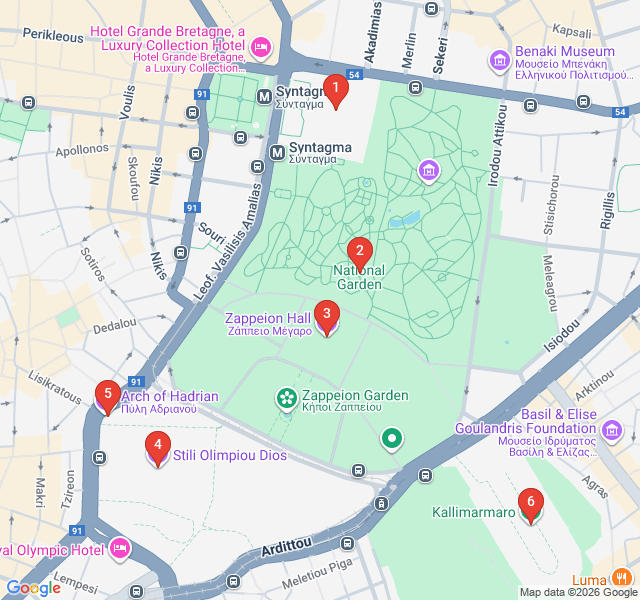
Numbers indicate the order of stops on the tour
The Hellenic Parliament building, originally the Royal Palace for King Otto, dominates the top of Syntagma Square. In front of it lies the Tomb of the Unknown Soldier, a cenotaph guarded by the elite Evzones. These soldiers are famous for their traditional uniform, which includes a kilt-like fustanella with 400 pleats—one for every year of Ottoman occupation. Their slow, high-stepping ceremonial walk is a mesmerizing display of discipline. This site represents the heart of modern Greek democracy and national identity. The changing of the guard occurs hourly, providing a poignant moment of reflection on the country's turbulent path to independence and its enduring traditions.
The National Garden is a 15.5-hectare sanctuary that offers a reprieve from the heat of the city. Created in the 1830s by Queen Amalia, the first Queen of Greece, it was originally the private Royal Garden. As you wander through its labyrinthine paths, you will see a mix of native Mediterranean plants and exotic species brought from all over the world. The garden also houses ancient ruins, including a Roman floor mosaic, and a small pond that is a favorite for local families. It is a perfect example of 19th-century landscape architecture, designed to provide a green lung for the burgeoning capital.
The Zappeion Hall is a masterpiece of Neoclassical architecture, characterized by its striking orange walls and grand Corinthian portico. Completed in 1888, it was the first building in the world designed specifically for the modern Olympic Games, serving as the fencing hall in 1896. Today, it is used for official ceremonies and exhibitions. The surrounding gardens are filled with statues of notable Greek figures and offer wide, paved walkways that are popular for evening strolls. The building stands as a testament to the philanthropic spirit of Evangelos Zappas, who helped revive the Olympic movement in the 19th century.
Standing before the Temple of Olympian Zeus, one can only imagine the sheer scale of the original structure. Construction began in the 6th century BCE but was not finished until the 2nd century CE by the Roman Emperor Hadrian. Originally, 104 colossal Corinthian columns stood here, making it one of the largest temples in the ancient world. Today, only 15 remain standing, with a 16th lying in segments on the ground after a storm in 1852. The temple was dedicated to Zeus, the king of the Olympian gods, and its ruins still dominate the Ilissos valley, providing a dramatic backdrop for photography.
The Arch of Hadrian is a triumphal gate that stands as a bridge between two eras of Athenian history. It was erected by the citizens of Athens in honor of Emperor Hadrian’s arrival and his many contributions to the city. The arch features two inscriptions: on the side facing the Acropolis, it reads 'This is Athens, the ancient city of Theseus,' while the side facing the Temple of Zeus says 'This is the city of Hadrian and not of Theseus.' This symbolic boundary marked the expansion of the city during the Roman period, celebrating the blend of classical Greek heritage and Roman imperial power.
The Panathenaic Stadium, or Kallimarmaro, is a sight unlike any other in the world. Reconstructed from the remains of an ancient Greek stadium, it is the only stadium on earth built entirely of white Pentelic marble. It was here that the first modern Olympic Games were held in 1896, and it continues to serve as the finishing point for the annual Athens Classic Marathon. The U-shaped structure can hold up to 50,000 spectators and its gleaming surfaces are particularly beautiful at sunset. As you stand at the entrance, you are looking at a site that has hosted athletic competitions for over 2,300 years.
Download Zigway to experience "Royal Gardens and Ancient Temples" with AI-powered audio narration. Walk at your own pace while stories unfold around you.
 Easy
EasyAthens, Greece
Explore the intersection of ancient history and industrial art on this self-guided walk through Kerameikos and the vibrant Gazi district.
 Moderate
Athens, Greece
Ascend the Hill of the Muses for breathtaking Acropolis views and ancient democratic sites on this scenic self-guided walking route in Athens.
 Moderate
Athens, Greece
Discover a hidden Cycladic village and ancient monuments on this self-guided walking route through the enchanting alleys of Plaka and Anafiotika.
 Challenging
Athens, Greece
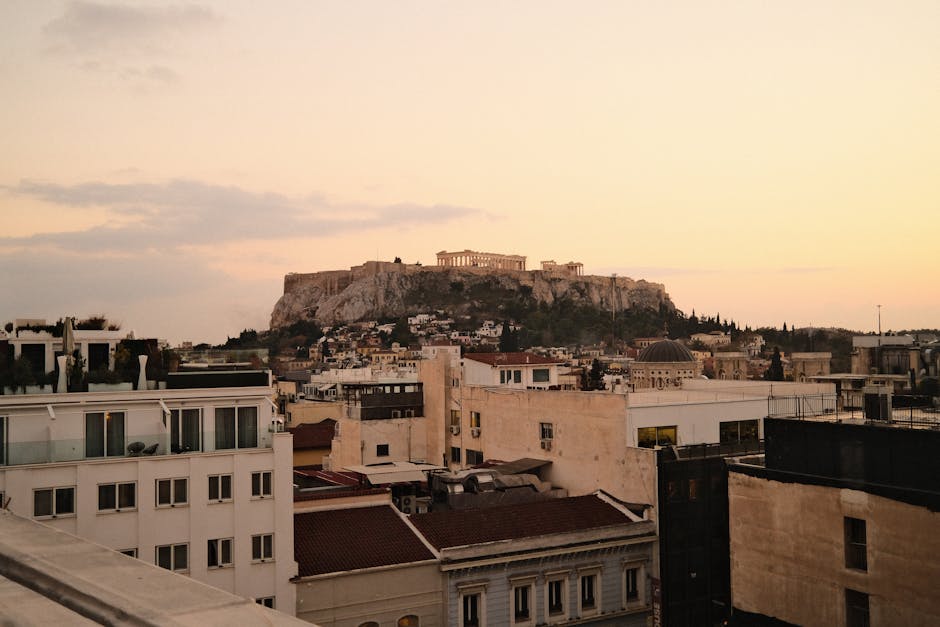
Conquer the highest peak in Athens on this self-guided walking route through chic Kolonaki to the stunning 360-degree summit of Mount Lycabettus.
 Easy
EasyKrakow, Poland
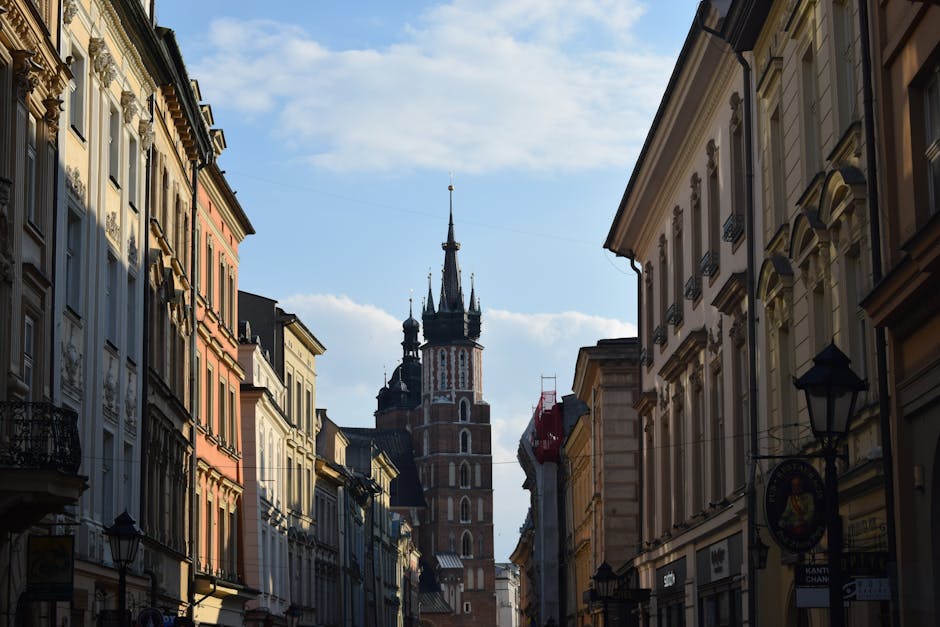
Uncover Krakow's legendary past on this self-guided walk from literary monuments to the fire-breathing Wawel Dragon.
 Easy
EasySalzburg, Austria
Discover the 'Rome of the North' on this self-guided walk through the Baroque squares and monumental legacy of Salzburg’s Prince-Archbishops.
 Easy
EasyWarsaw, Poland
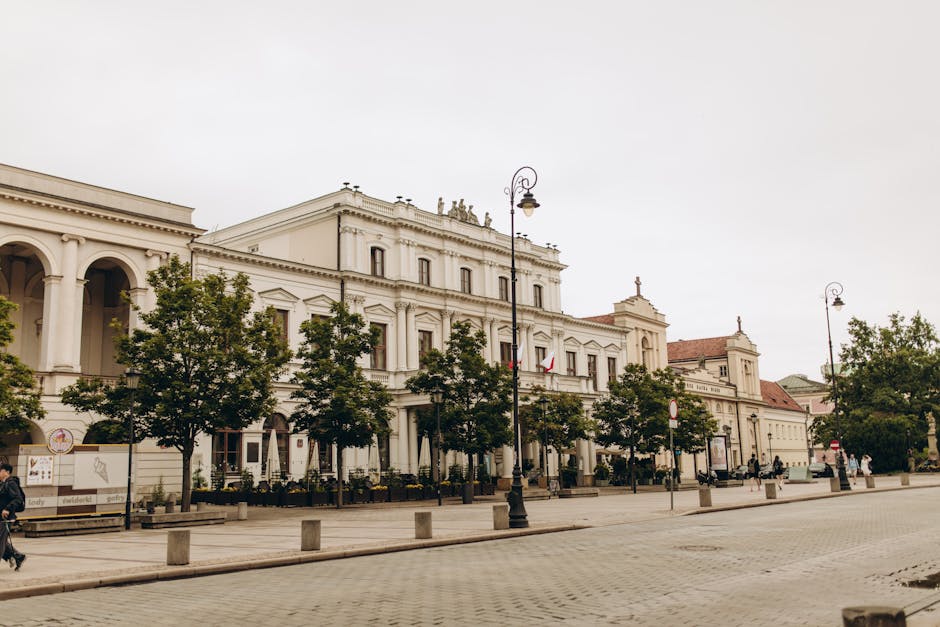
Explore the 'Polish Versailles' at your own pace. Discover Baroque architecture, royal history, and stunning gardens on this self-guided walk.
 Easy
EasyNairobi, Kenya
Explore Nairobi's architectural evolution from colonial-era landmarks to iconic Brutalist skyscrapers on this historic self-guided walking route.
 Moderate
Thessaloniki, Greece
Discover Thessaloniki’s creative soul on this self-guided walk through hidden alleys, vibrant murals, and iconic modern art installations.
 Easy
EasyThessaloniki, Greece
Uncover the hidden Ottoman soul of Thessaloniki. Explore ancient bathhouses, vibrant markets, and historic mosques on this self-guided audio walk.
 Easy
EasyThessaloniki, Greece
Discover how the 1917 Great Fire transformed Thessaloniki into a modern European masterpiece on this self-guided architectural walking route.
 Easy
EasyThessaloniki, Greece
Explore the heart of Thessaloniki on this self-guided walk, discovering Roman ruins and Byzantine masterpieces at your own pace.
