Quebec City is often described as a piece of Europe nestled in North America, but to truly understand its soul, one must look at the stones themselves. This self-guided walk invites you to peel back the layers of time, tracing the city's growth from the rugged colonial outposts of New France to the soaring concrete structures of the modern era. As you embark on this neighborhood stroll, you will see how political shifts, fires, and cultural movements have left an indelible mark on the cityscape. This walking route is designed for those who want to explore independently, moving from the heart of the Upper Town down toward the river and back up to the legislative district. Your journey begins at the City Hall, a masterpiece of eclectic architecture that reflects the city's transition into a major administrative hub. From there, you will encounter remnants of the French Regime at places like Maison Kent and Maison Jean-Baptiste-Chevalier, where thick stone walls and steep-pitched roofs tell stories of survival in a harsh climate. These structures stand in stark contrast to the grandeur of the Parliament Building, a monument to the Second Empire style that was popular during the Victorian era. Unlike a typical guided tour Quebec City, this audio walk allows you to linger at the details that catch your eye, whether it is the intricate stonework of the Voltigeurs de Québec Armoury or the brutalist silhouette of the Édifice Marie-Guyart. By following this architectural timeline, travelers gain a deeper appreciation for how Quebec City has balanced the preservation of its UNESCO World Heritage status with the demands of a modern capital. This travel experience highlights the intersection of military necessity, religious devotion, and political ambition through the buildings that housed them. Whether you are a first-time visitor or a repeat explorer, this self-guided walking tour Quebec City offers a fresh perspective on the city's skyline, concluding with a view of the tallest building in the city, symbolizing the architectural evolution of the 20th century.
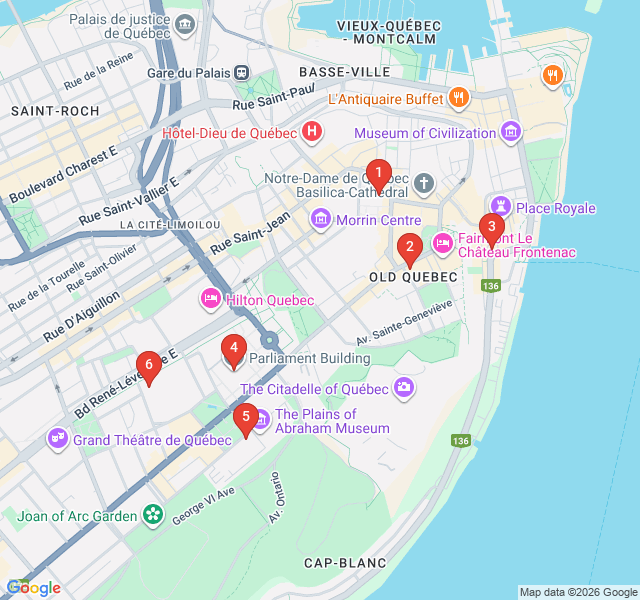
Numbers indicate the order of stops on the tour
Start exploring with Zigway at the Place de l'Hôtel-de-Ville. This impressive building was completed in 1896 on the former site of the Jesuit College. Architect Georges-Émile Tanguay designed it using an eclectic mix of styles, including Classical, Medieval, and Châteauesque elements. Notice the asymmetrical towers and the heavy stone masonry, which were intended to reflect the prestige of the municipal government at the turn of the century. The surrounding square is a central gathering point for the city, often hosting public art and seasonal festivals. This site represents the moment Quebec City began to modernize its administrative core while still nodding to its European roots.
Located at the corner of Rue Saint-Louis and Rue Haldimand, Maison Kent is one of the oldest and most historically significant residences in the city. Built around 1648, it is a prime example of French colonial architecture, though it has seen many additions over the centuries. This building is famously known as the site where the Articles of Capitulation were signed in 1759, effectively surrendering Quebec to the British. Later, it served as the residence of the Duke of Kent, father of Queen Victoria. Its thick stone walls and modest windows are characteristic of the 'New France' style, designed to retain heat during the long Canadian winters.
Descending toward the Lower Town, you find the Maison Jean-Baptiste-Chevalier. This complex of three integrated houses represents the peak of 18th-century urban residential architecture in New France. Jean-Baptiste Chevalier, a wealthy merchant, built the main house in 1752. The structure features fire-break walls that rise above the roofline—a practical architectural response to the frequent fires that plagued the early city. The steep roof and symmetrical facade are hallmarks of the French architectural influence that still defines the Petit-Champlain district today. It serves as a reminder of the city's maritime trade history and the lifestyle of the colonial merchant class.
Climb back toward the hilltop to witness the political heart of the province. The Parliament Building, completed in 1886, is a stunning example of Second Empire architecture, a style that was immensely popular in France during the reign of Napoleon III. Architect Eugène-Étienne Taché designed the facade as a 'pantheon' of Quebec history, featuring 22 bronze statues of explorers, founders, and politicians. The building's layout is a quadrilateral with a central tower, reflecting the influence of the Louvre in Paris. As you walk around the grounds, look for the 'Je me souviens' motto carved above the main entrance, a phrase that originated right here on this facade.
Adjacent to the Plains of Abraham stands the Voltigeurs de Québec Armoury. This building is a masterpiece of the Canadian Château style, characterized by its steep copper roofing, towers, and turrets. Originally built in the late 19th century, it suffered a devastating fire in 2008 but was meticulously restored and reopened in 2018. The restoration successfully blended the original Neo-Gothic stonework with modern glass and wood elements. Historically, it served as the headquarters for the oldest French-Canadian regiment. Its fortress-like appearance was intended to evoke the military heritage of the city while providing a grand space for social and military events.
Your self-guided adventure concludes at the Édifice Marie-Guyart, the tallest building in Quebec City. Completed in 1972, this skyscraper represents the Brutalist movement and the city's mid-century push toward modernization. Standing at 132 meters, it houses government offices and the Observatoire de la Capitale on its top floor. Its stark, functionalist concrete exterior provides a sharp contrast to the historic stone houses you saw earlier. This building marks the transition of Quebec City into a modern administrative capital, showing that architectural evolution is a continuous process. From the base of this tower, you can look back toward the Old City and see the entire timeline of Quebec's history in a single view.
Download Zigway to experience "Architectural Evolution: From New France to Modernity" with AI-powered audio narration. Walk at your own pace while stories unfold around you.
 Easy
EasyQuebec City, Canada
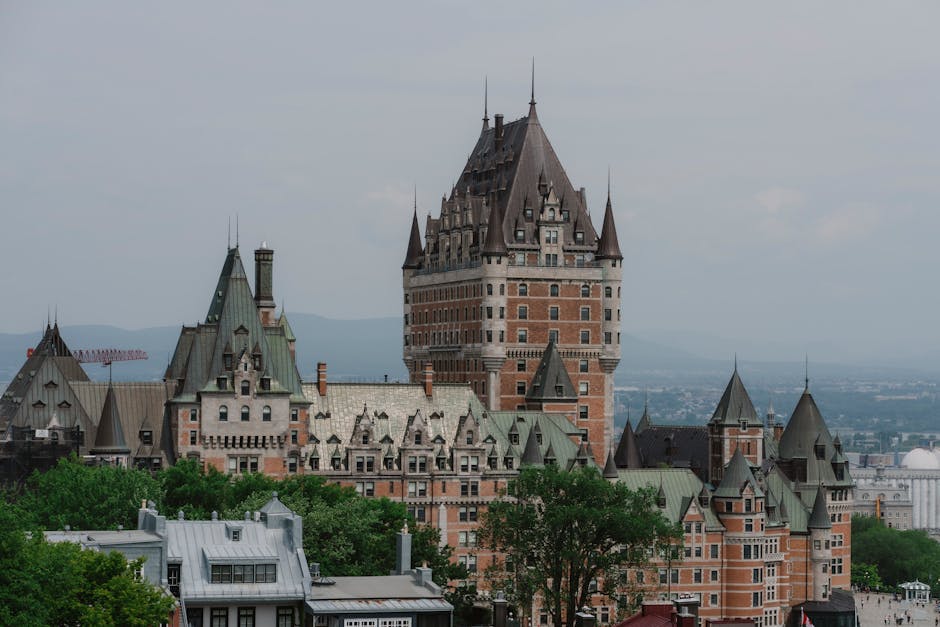
Explore the artistic soul of Quebec City. Discover Gilded Age architecture, iconic murals, and open-air art in the elegant Montcalm neighborhood.
 Moderate
Quebec City, Canada
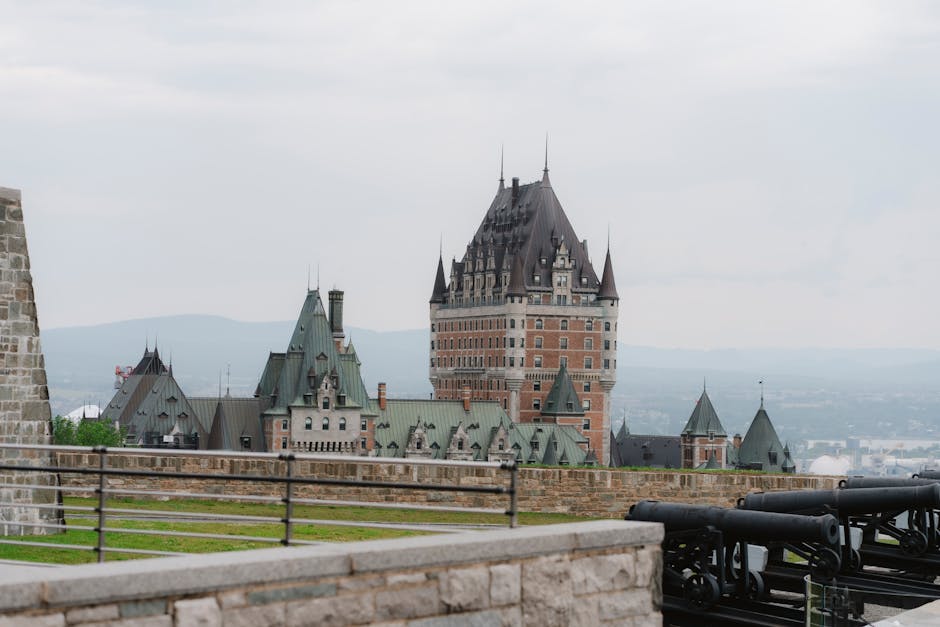
Explore North America's only remaining fortified city walls on this self-guided walk through Quebec City's iconic military history and stone gates.
 Easy
EasyQuebec City, Canada
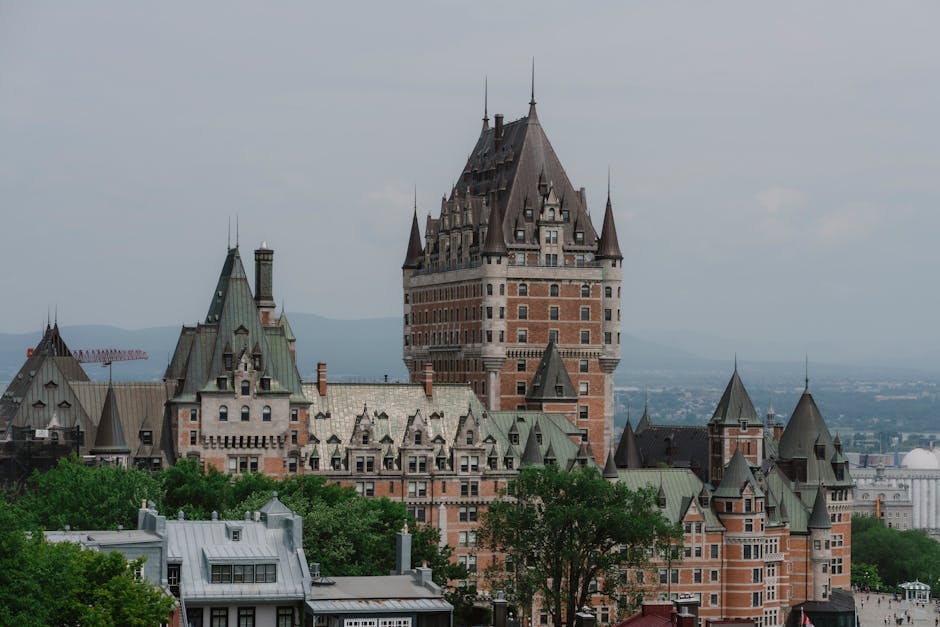
Explore the creative soul of Saint-Roch on this self-guided walk featuring street art, craft breweries, and secret gardens.
 Easy
EasyQuebec City, Canada
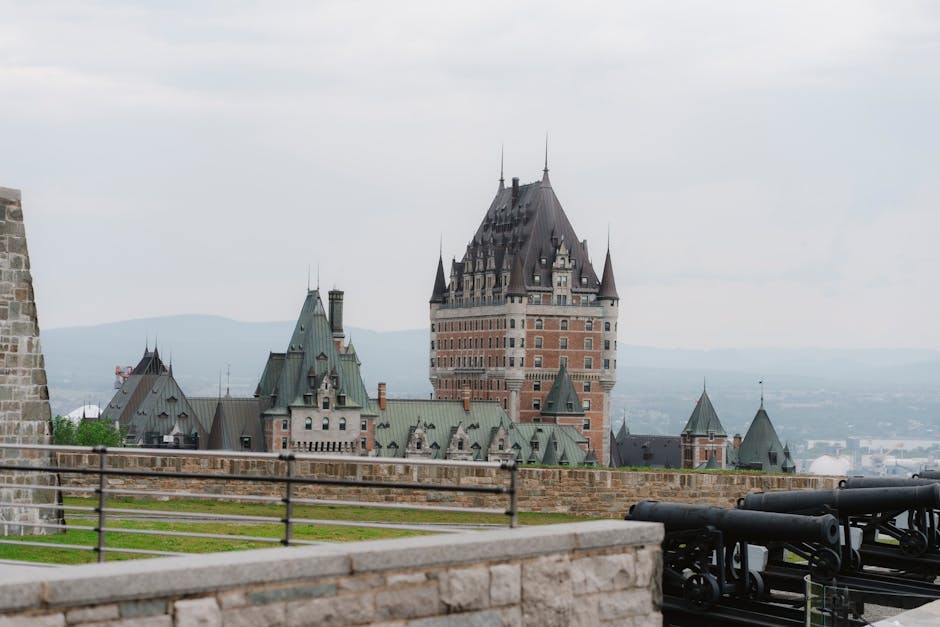
Uncover haunted legends and dark history in Old Quebec on this atmospheric self-guided audio walk through the Upper Town's spooky corners.
 Easy
EasyWarsaw, Poland
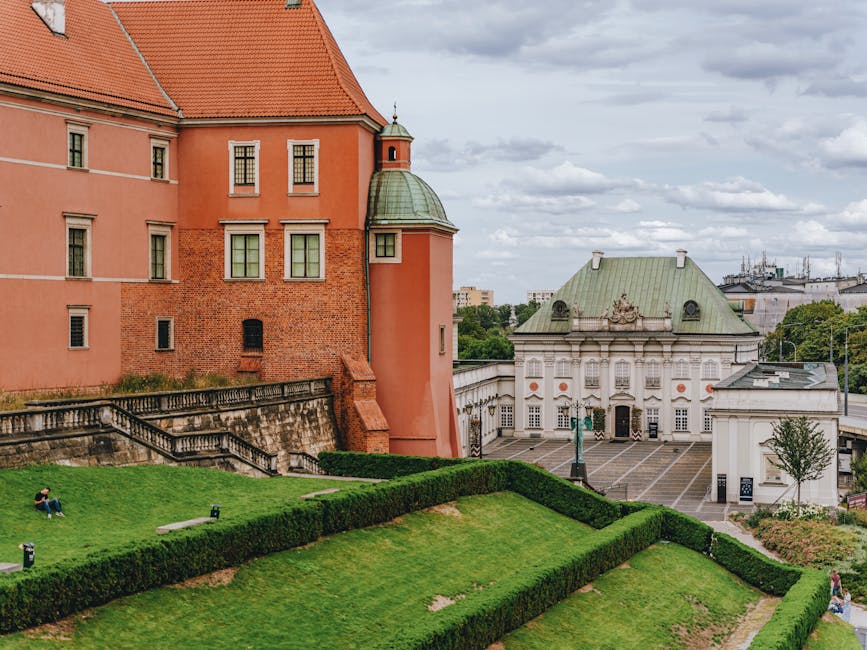
Explore the miracle of Warsaw's reconstructed Old Town on this self-guided walk through royal squares, medieval walls, and heroic monuments.
 Easy
EasyNairobi, Kenya
Explore the history of Kenya’s independence through the statues, monuments, and parks that define Nairobi’s political heart on this self-guided walk.
 Easy
EasyNairobi, Kenya
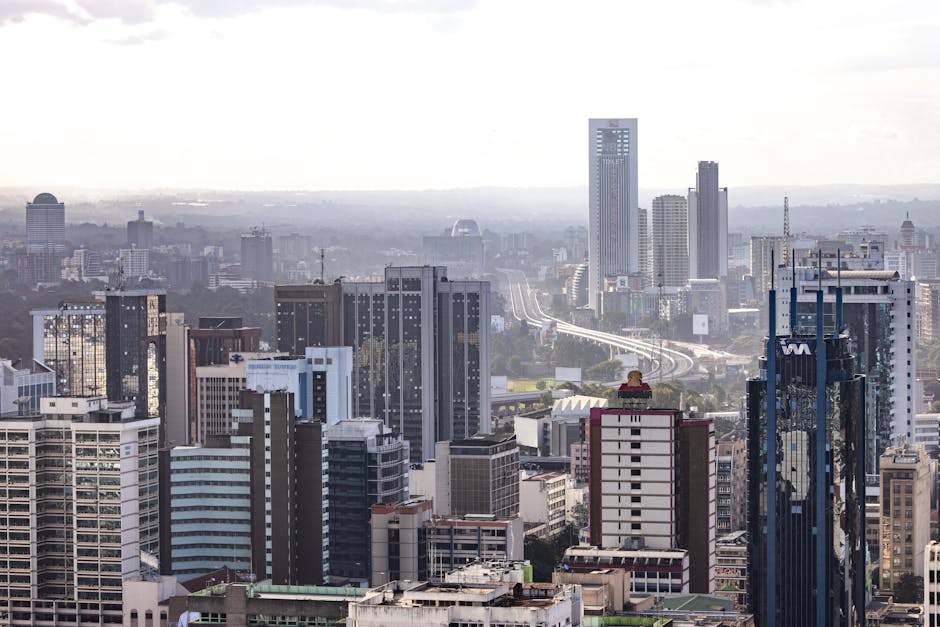
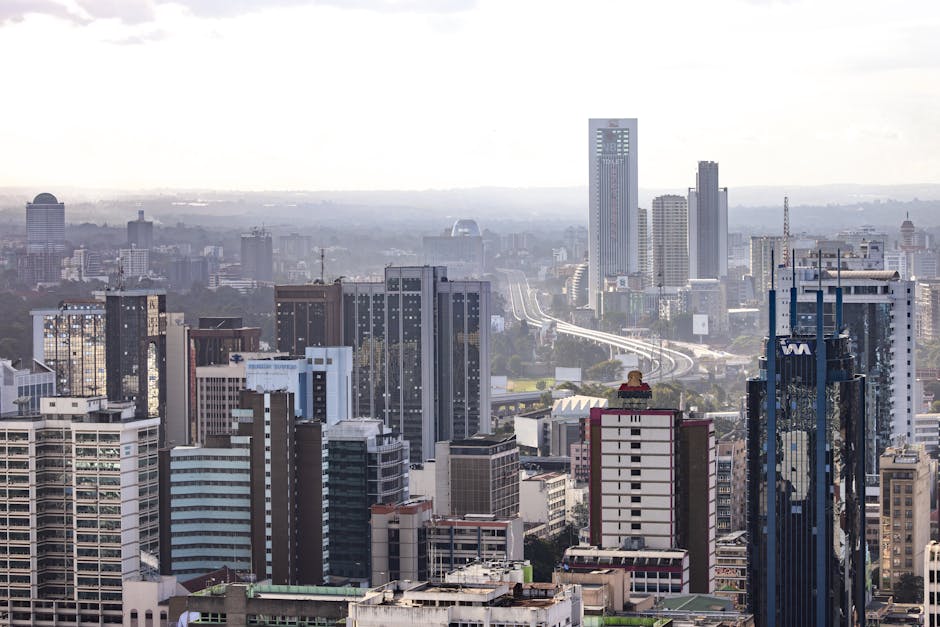
Discover Nairobi's iconic skyline on this self-guided architecture walk through the CBD’s most famous modernist and Brutalist landmarks.
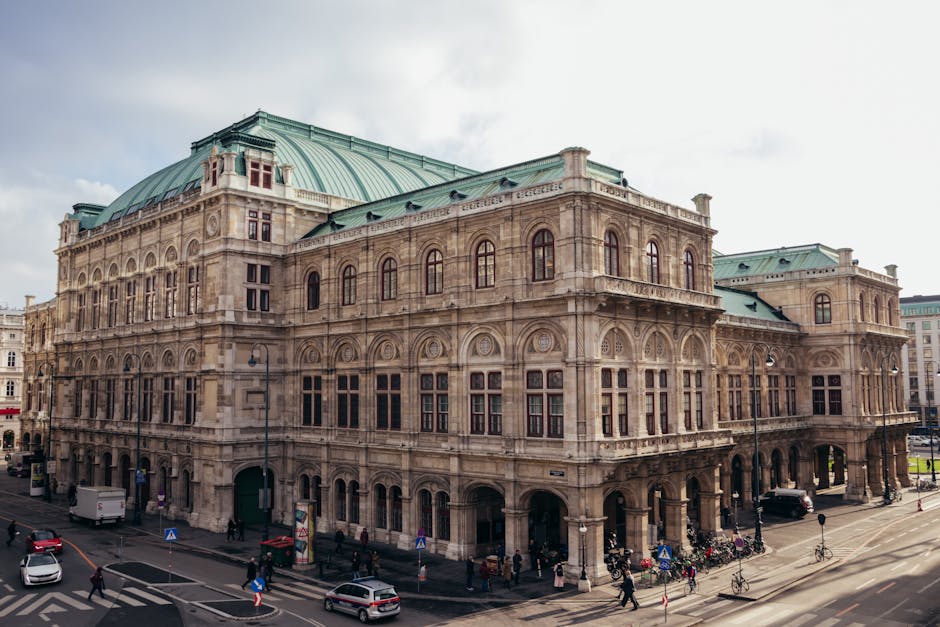 Moderate
Vienna, Austria
Discover the noir world of The Third Man and Cold War Vienna on this atmospheric self-guided audio walk through the historic Innere Stadt.
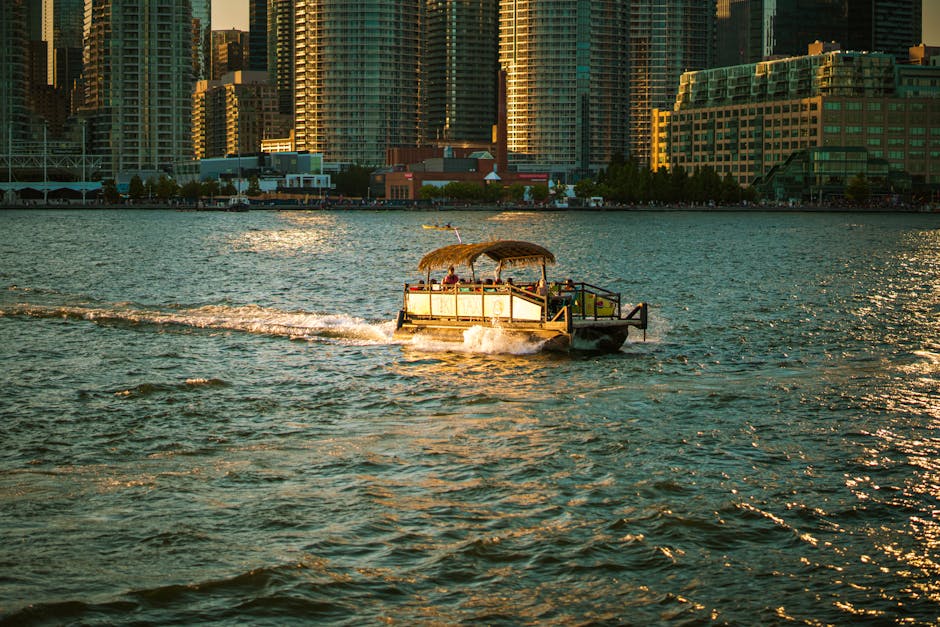 Challenging
Toronto, Canada
Explore Toronto's crown jewel with this self-guided walk through High Park’s hidden gardens, historic lodges, and scenic waterfront trails.
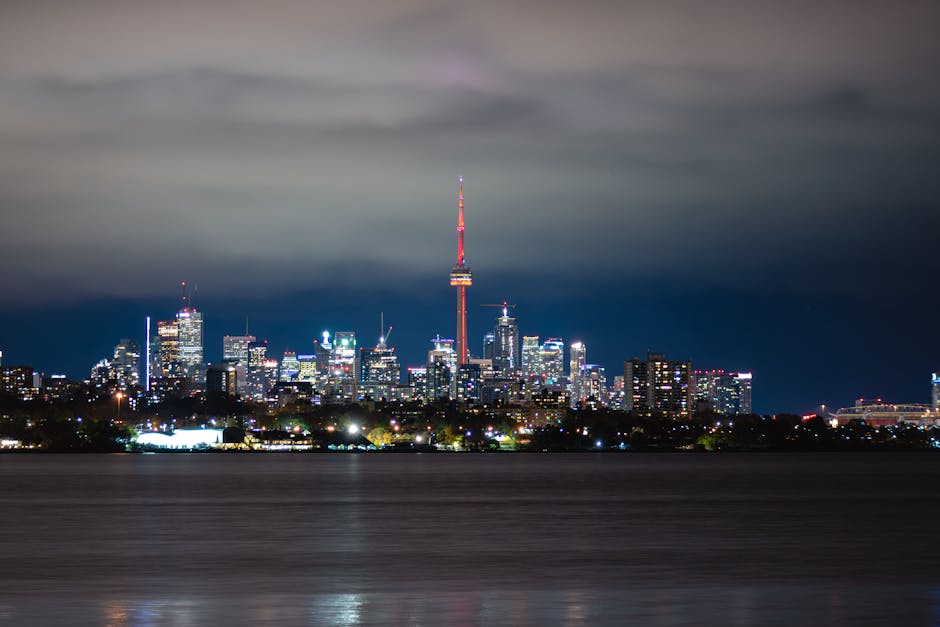 Easy
EasyToronto, Canada
Explore Toronto's iconic skyline on this self-guided walk through the Financial District's historic stone halls and golden glass towers.
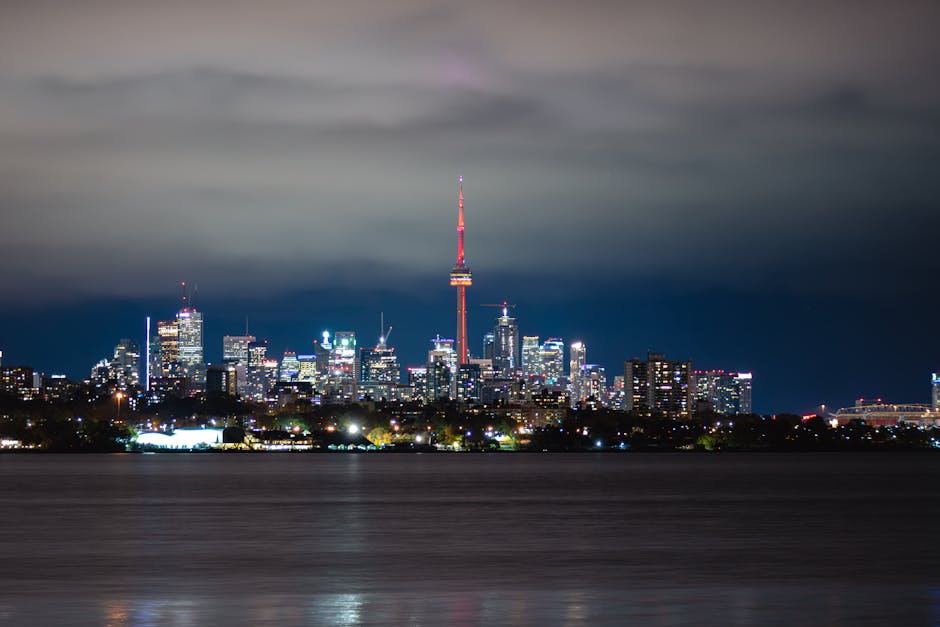 Easy
EasyToronto, Canada
Explore North America's largest collection of Victorian homes and peaceful green spaces on this self-guided stroll through Toronto's Cabbagetown.
 Easy
EasyToronto, Canada
Explore Yorkville’s transformation from 1960s hippie haven to Toronto’s premier luxury district on this self-guided audio walk.
