Montreal is a city of layers, a dual-level metropolis where sleek glass skyscrapers reach for the clouds while a vast, climate-controlled 'Underground City' hums with life beneath the pavement. This self-guided walk invites you to explore the fascinating contrast between the soaring heights of the Downtown skyline and the subterranean corridors of the RÉSO. Starting at the iconic Place Ville-Marie, you will discover how Montreal revolutionized urban planning in the 1960s, creating a world-class business district that thrives even in the depths of a Canadian winter. This neighborhood stroll captures the spirit of a city that honors its past while embracing futuristic design. As you navigate this architectural walking route, you will encounter more than just office towers. The journey highlights Montreal’s unique ability to blend the sacred with the commercial, such as the Christ Church Cathedral, which famously sits atop a bustling shopping center. You will also see the Mary, Queen of the World Cathedral, a scaled-down replica of St. Peter’s Basilica in Rome, standing in the shadow of modern giants. The route transitions from the corporate heart of the city to the vibrant Quartier des Spectacles, culminating at the cultural hub of Place des Arts. Whether you are an architecture enthusiast or a first-time visitor, this audio walk provides a flexible way to see the city. You can choose to walk the surface streets to admire the facades or dive into the tunnels to see how locals navigate the city. Along the way, you will learn about the visionaries who shaped the skyline and the engineering marvels that keep the city running. This walking tour Montreal experience allows you to uncover hidden gems like the stunning atrium of Complexe Desjardins and the historic significance of Dorchester Square. Explore at your own pace and see why Montreal’s downtown is much more than just a business district—it is a living gallery of design and history.
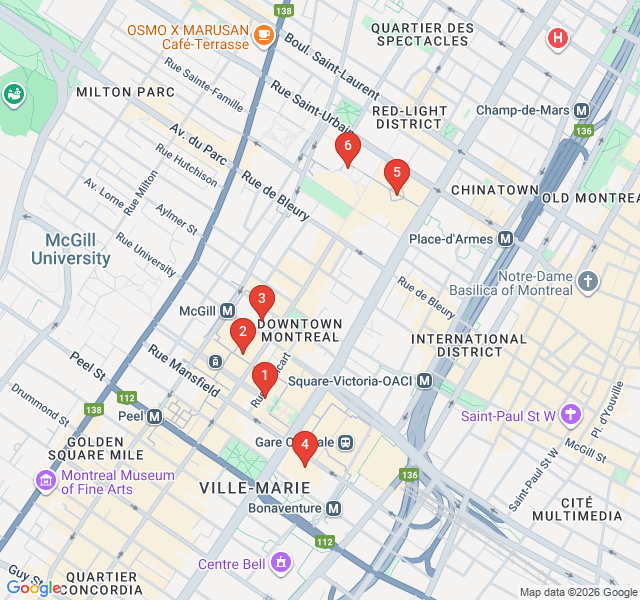
Numbers indicate the order of stops on the tour
Welcome to the birthplace of modern Montreal. Completed in 1962, the cruciform-shaped tower of Place Ville-Marie, or PVM, was designed by the renowned architect I.M. Pei. It didn't just change the skyline; it changed how the city functioned. This was the first link in what would become the Underground City, or RÉSO. Look up at the sleek aluminum facade and the rotating beacon that sweeps across the city at night. Beneath your feet lies a sprawling complex of shops and corridors that connect to the central train station. This site was once a massive open pit for railway tracks, transformed into a symbol of Montreal's 20th-century economic boom.
The Montreal Eaton Centre is more than just a premier shopping destination; it is a vital artery of the downtown core. This site reflects the evolution of retail in the city, merging several older buildings into one massive complex. As you walk through, notice how the architecture integrates with the metro system and the underground network. It is a prime example of the 'indoor city' concept, where thousands of people transit daily without ever stepping outside. In recent years, the center has become a culinary destination as well, hosting the Time Out Market, which showcases the city's top chefs in a modern, communal setting.
Look closely at this beautiful Neo-Gothic cathedral, and you might notice something miraculous: it is essentially floating. In the late 1980s, a shopping mall—Promenade Cathédrale—was excavated and built directly beneath the church. During construction, the entire 19th-century stone structure was supported by steel pillars while the earth was removed below. It is one of the most impressive engineering feats in the city. The cathedral itself, with its striking spire and quiet interior, offers a peaceful contrast to the consumerist energy of the mall below. It stands as a testament to Montreal's unique ability to preserve heritage in a rapidly developing urban environment.
This grand cathedral is a surprising sight amidst the glass office towers. Built in the late 19th century, it was designed as a one-third scale replica of St. Peter’s Basilica in Rome. The Bishop at the time wanted to assert the presence of the Catholic Church in the then-predominantly Protestant downtown. Take a moment to look at the statues on the facade; unlike St. Peter's, which features the twelve apostles, these statues represent the patron saints of the various parishes of Montreal. The interior is equally lavish, featuring a magnificent baldachin that mimics the one created by Bernini in Rome.
As you enter Complexe Desjardins, you are stepping into one of the city's most impressive public spaces. This mixed-use complex features three office towers and a hotel centered around a massive sunlit atrium. It was designed to feel like an indoor 'town square.' Depending on when you visit, you might see a fountain show, a craft fair, or even a live concert in the center of the court. It serves as a crucial transition point between the financial district and the cultural district. The design emphasizes natural light and openness, a deliberate choice to make the subterranean and indoor levels feel connected to the world above.
The final stop is Place des Arts, the heart of Montreal’s cultural life. This is the largest performing arts complex in Canada, home to the Montreal Symphony Orchestra, the Montreal Opera, and Les Grands Ballets Canadiens. The wide-open plaza outside, known as the Place des Festivals, is the epicenter of the city's world-famous summer festivals, including Jazz Fest and Just for Laughs. The architecture here is a mix of mid-century brutalism and sleek modern glass. Below the plaza, the underground network continues, connecting the theaters to the metro and the Museum of Contemporary Art, ensuring the show goes on regardless of the weather.
Download Zigway to experience "Skyscrapers and Subterranea: Downtown's Dual Levels" with AI-powered audio narration. Walk at your own pace while stories unfold around you.
 Easy
EasyMontreal, Canada
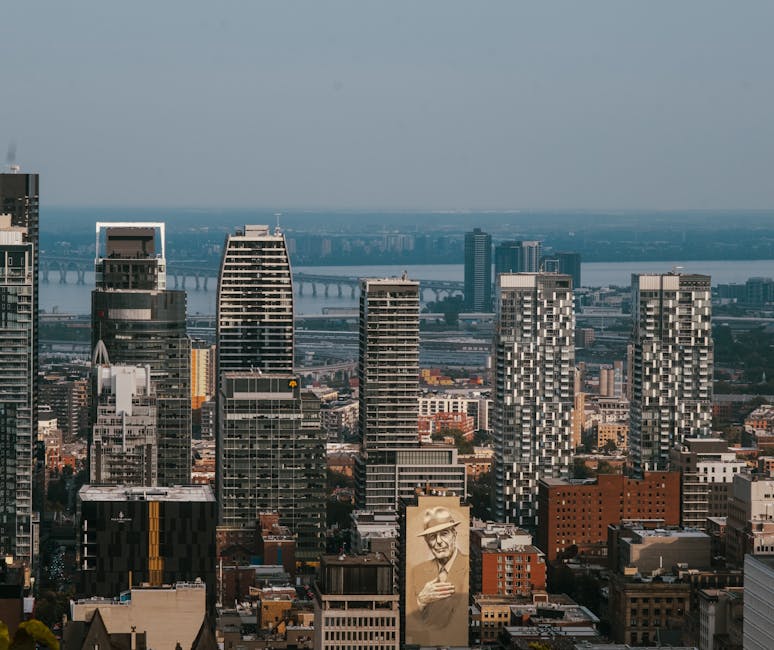
Discover Montreal’s Little Italy on this self-guided walk. Explore Jean-Talon Market, historic churches, and iconic pastry shops at your own pace.
 Easy
EasyMontreal, Canada
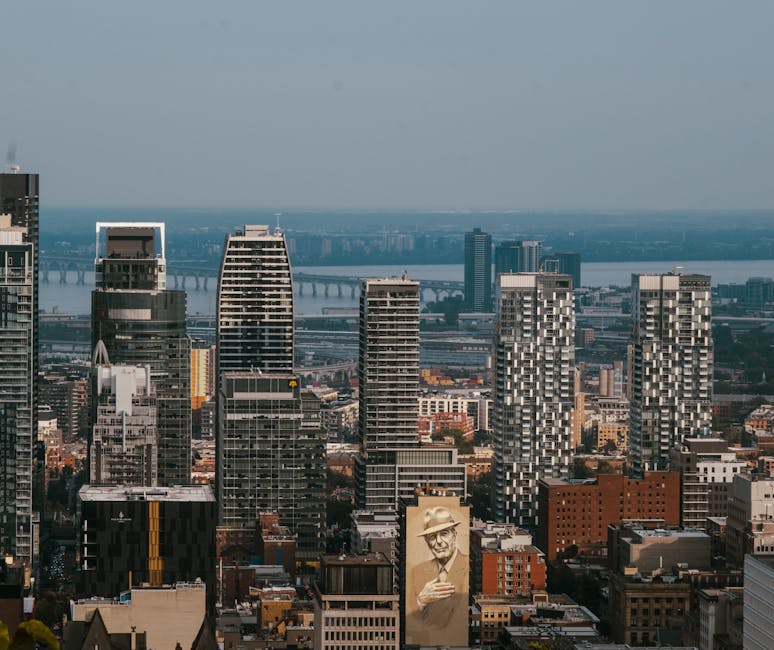
Discover the birthplace of Montreal on this self-guided walk through cobblestone streets, historic markets, and stunning Gothic architecture.
 Moderate
Montreal, Canada
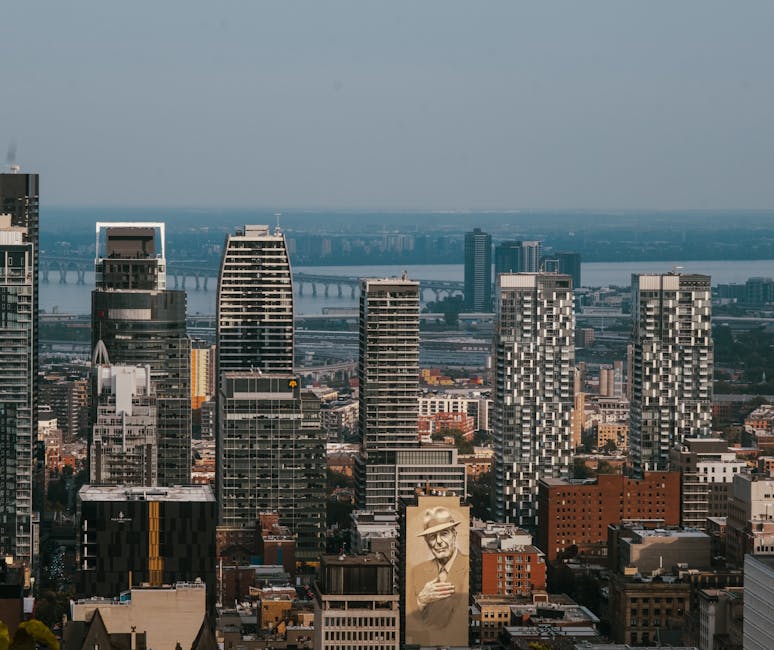
Explore the Gilded Age grandeur of Montreal's elite through this self-guided walk of historic mansions and architectural landmarks.
 Moderate
Montreal, Canada
Explore Montreal's industrial heritage and modern charm on this self-guided audio walk through the historic streets of Saint-Henri.
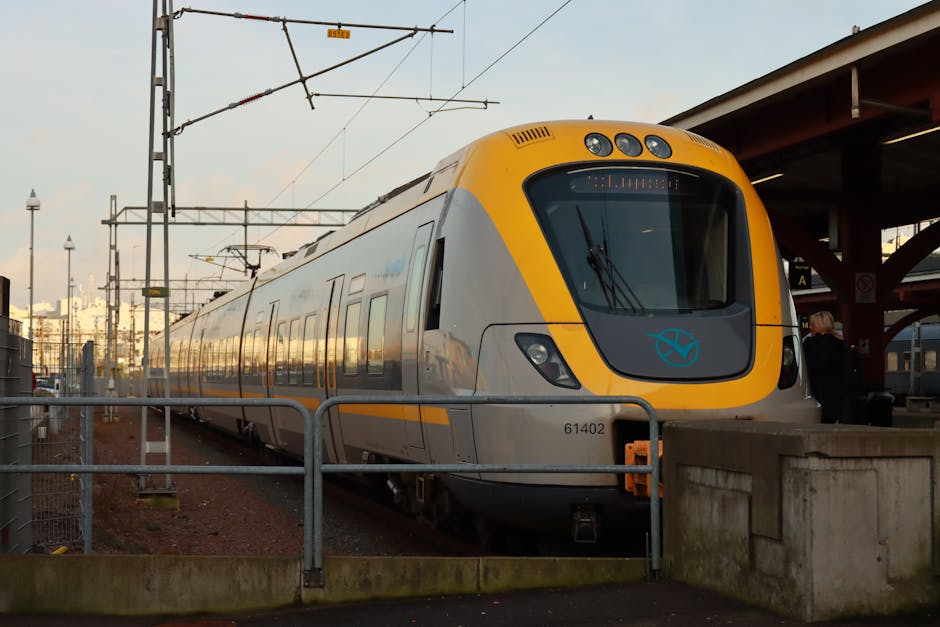 Easy
EasyGothenburg, Sweden
Discover Gothenburg’s 17th-century Dutch foundations, historic canals, and military fortifications on this self-guided architectural walk.
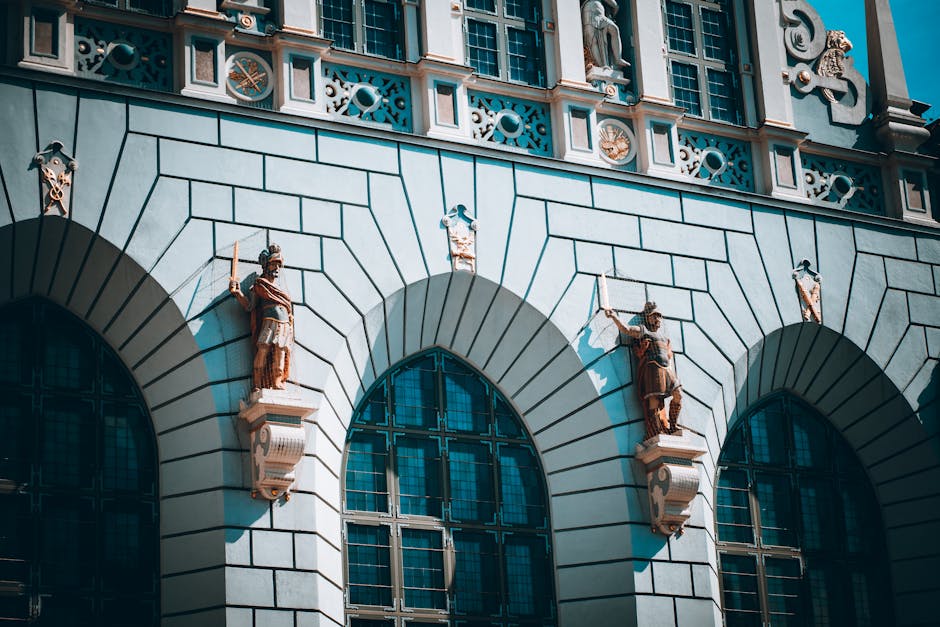 Easy
EasyGdansk, Poland
Discover the opulent Royal Way of Gdansk at your own pace. Explore Hanseatic history, gilded architecture, and the iconic Neptune's Fountain.
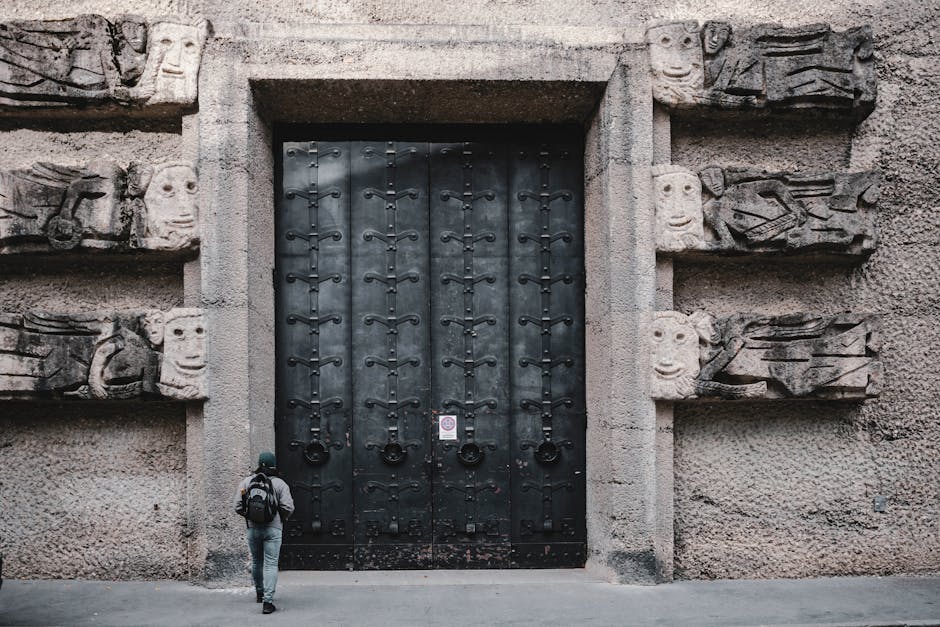 Easy
EasySalzburg, Austria
Discover the 'Rome of the North' on this self-guided walk through the Baroque squares and monumental legacy of Salzburg’s Prince-Archbishops.
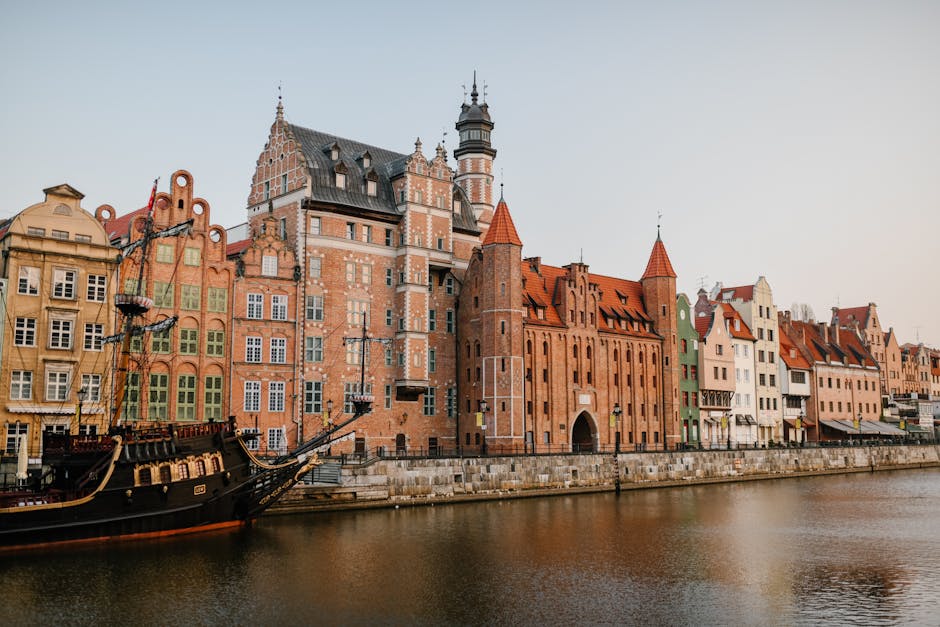 Easy
EasyGdansk, Poland
Discover the 'Baltic Gold' on this self-guided walk through Gdansk's historic mills, massive cathedrals, and the magical Mariacka Street.
 Challenging
Toronto, Canada
Explore Toronto's crown jewel with this self-guided walk through High Park’s hidden gardens, historic lodges, and scenic waterfront trails.
 Easy
EasyToronto, Canada
Explore Toronto's iconic skyline on this self-guided walk through the Financial District's historic stone halls and golden glass towers.
 Easy
EasyToronto, Canada
Explore North America's largest collection of Victorian homes and peaceful green spaces on this self-guided stroll through Toronto's Cabbagetown.
 Easy
EasyToronto, Canada
Explore Yorkville’s transformation from 1960s hippie haven to Toronto’s premier luxury district on this self-guided audio walk.
