Where the urban skyline meets the rugged beauty of the Pacific, Coal Harbour stands as a testament to Vancouver’s transformation from an industrial outpost to a world-class metropolis. This neighborhood stroll invites you to explore a landscape of shimmering glass spires, lush green spaces, and a deep-seated Olympic legacy. As you follow the water’s edge along the Burrard Inlet, you will discover how the city has balanced its rapid modernization with a commitment to public art and historical remembrance. This route is a dream for those interested in photography, offering unobstructed views of the North Shore Mountains and the iconic seaplanes that take off and land in the harbor like clockwork. The history of this area is equally compelling; once a hub for the Canadian Pacific Railway and shipbuilding, it now hosts one of the world's most sustainable convention centers. Along this walking route, you will encounter monuments that speak to the city's complex social history, such as the Komagata Maru Memorial, and celebrate the triumphs of the 2010 Winter Games at the massive Olympic Cauldron. Whether you are a first-time visitor or a local looking to see the city from a new perspective, this self-guided adventure provides the flexibility to linger at a waterfront cafe or wait for that perfect sunset shot. Exploring this part of the city independently allows you to truly soak in the 'Lotusland' vibe—a mixture of high-end luxury and natural serenity. While some might look for a walking tour Vancouver, this audio walk offers a more intimate and flexible experience, letting the stories of the glass towers and the salty breeze guide your way. From the pixelated Digital Orca to the massive living roof of the Convention Centre, every stop highlights the innovation and spirit that define modern British Columbia.
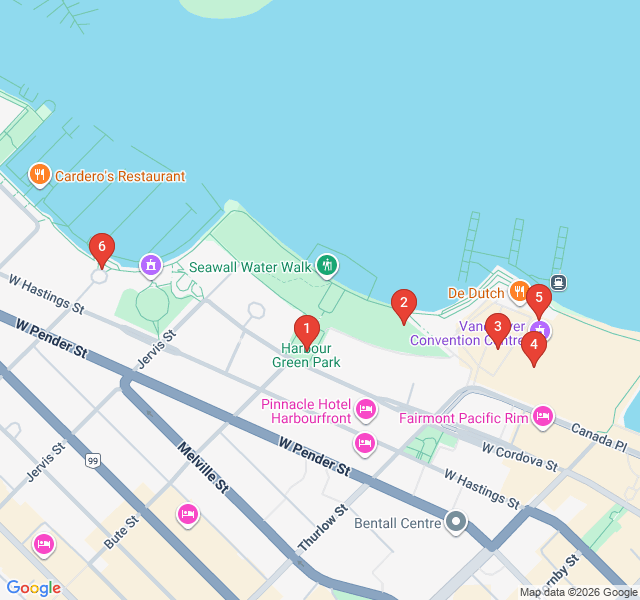
Numbers indicate the order of stops on the tour
Welcome to Harbour Green Park, the beginning of your journey through Coal Harbour. This lush green space serves as the front yard for the neighborhood's luxury high-rises. As you look out toward the water, you are seeing the Burrard Inlet, a busy marine highway where tugboats, ferries, and floatplanes create a constant dance of movement. Historically, this area was dominated by rail yards and industry, but today it is a model of urban planning. Notice how the park design allows for clear sightlines to the mountains. This is a perfect spot to watch the seaplanes depart; they have been a staple of Vancouver’s transport since the early 20th century, connecting the mainland to the rugged islands of the coast.
This striking memorial, featuring a steel wall with small cutouts that look like a ship's hull, commemorates a somber chapter in Canadian history. In 1914, the steamship Komagata Maru arrived in Vancouver carrying 376 passengers from Punjab, British India, seeking a better life. Due to discriminatory 'continuous journey' laws, most were denied entry and the ship was forced to return after a two-month standoff in the harbor. The memorial is placed here so that the passengers' descendants and the public can look out at the very water where the ship sat. It is a place for reflection on social justice and the evolution of Vancouver’s multicultural identity.
You are now standing in Jack Poole Plaza, home to the 2010 Olympic Cauldron. Standing over 10 meters tall, this glass and steel structure was the centerpiece of the Winter Games. During the opening ceremony, it was famously lit by hockey legend Wayne Gretzky. While it is only lit for special occasions today, it remains a powerful symbol of the 'Olympic Spirit' that transformed Vancouver's international reputation. The plaza itself is named after the man who led the bid to bring the games here. Take a moment to look at the surrounding glass towers—their design is often called 'Vancouverism,' characterized by slim towers and podiums that preserve mountain views for the public.
The Vancouver Convention Centre West is a marvel of modern engineering. Look up toward the roof; you are looking at a six-acre 'living roof,' the largest of its kind in Canada. It features over 400,000 native plants and even four beehives that produce honey for the center's kitchen. The building is designed to be environmentally friendly, using seawater for heating and cooling. Even the foundation is unique; it was built with a 'marine habitat' skirt to encourage the growth of local sea life like mussels and starfish. It is a prime example of how Vancouver integrates high-density urban infrastructure with ecological preservation.
This pixelated black-and-white sculpture is one of Vancouver's most photographed pieces of public art. Created by celebrated Canadian author and artist Douglas Coupland, the 'Digital Orca' looks like a 3D image brought to life from an old computer game. It represents the intersection of nature and technology—two pillars of British Columbia’s economy. While the orca is a traditional symbol of the West Coast, the 'pixels' remind us of the city's booming tech sector. From this angle, you can frame the sculpture against the backdrop of the real mountains and harbor, creating a fascinating contrast between the digital-inspired art and the organic landscape.
As you walk along the Coal Harbour waterfront towards the marinas, you are following the path that leads toward Stanley Park. This stretch of the seawall is lined with houseboats and some of the most expensive slips in the city. The name 'Coal Harbour' isn't just a fancy title; coal was actually discovered here in 1859 by Colonel Moody, though it was never successfully mined on a large scale. Today, the 'wealth' of the harbor is found in its views and its role as a gateway to the Pacific. This is an ideal place to finish your walk, perhaps by stopping at one of the nearby cafes to watch the sun dip behind the mountains.
Download Zigway to experience "Coal Harbour's Olympic Spirit and Glass Spires" with AI-powered audio narration. Walk at your own pace while stories unfold around you.
 Easy
EasyVancouver, Canada
Explore Vancouver’s transformation from industrial hub to futuristic urban oasis on this self-guided audio walk along the scenic False Creek Seawall.
 Moderate
Vancouver, Canada
Discover the cinematic secrets of Hollywood North on this self-guided walk through Downtown Vancouver’s most famous filming locations.
 Easy
EasyVancouver, Canada
Explore Vancouver's oldest neighborhood, from Victorian homes to the historic heart of the city's multicultural pioneer communities.
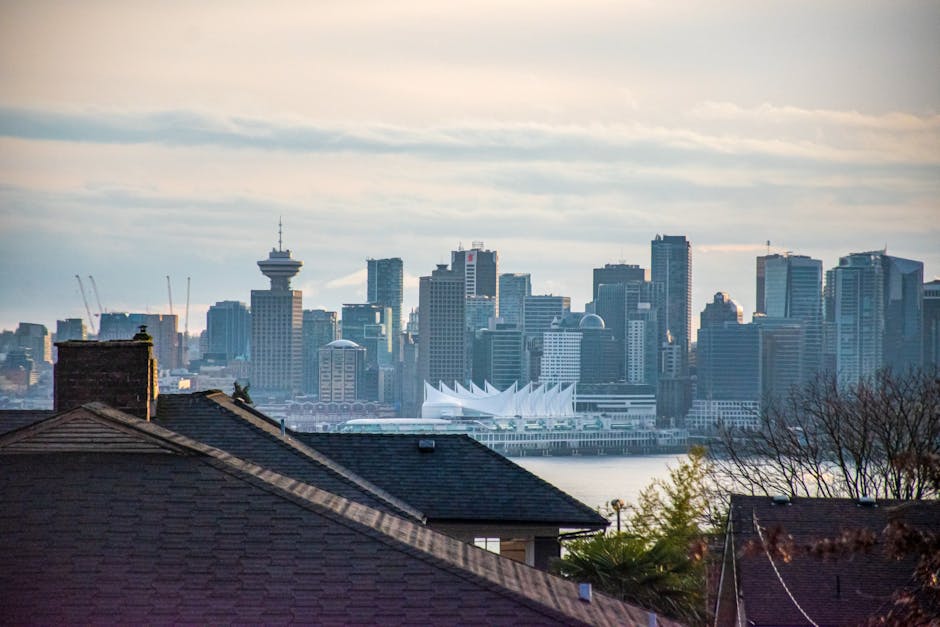 Easy
EasyVancouver, Canada
Discover how historic rail warehouses became Vancouver’s trendiest district on this self-guided stroll through Yaletown’s chic streets and parks.
 Easy
EasyNairobi, Kenya
Discover Nairobi's iconic skyline on this self-guided architecture walk through the CBD’s most famous modernist and Brutalist landmarks.
 Easy
EasyGothenburg, Sweden
Discover Gothenburg’s 17th-century Dutch foundations, historic canals, and military fortifications on this self-guided architectural walk.
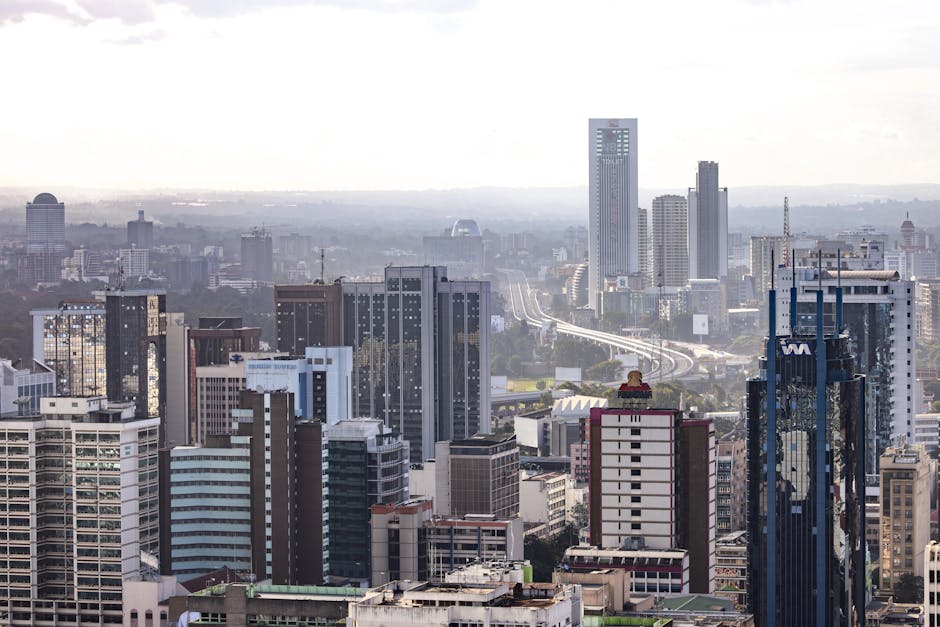 Easy
EasyNairobi, Kenya
Explore Nairobi's architectural evolution from colonial-era landmarks to iconic Brutalist skyscrapers on this historic self-guided walking route.
 Easy
EasyKrakow, Poland
Explore the prestigious Jagiellonian University district, featuring Neo-Gothic architecture, Baroque churches, and Krakow's hidden scholarly gems.
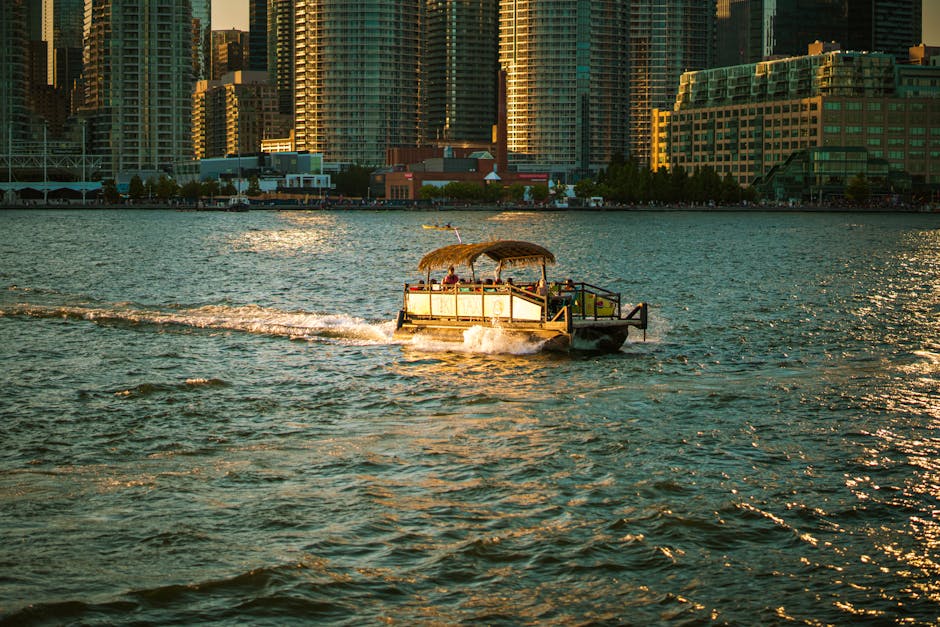 Challenging
Toronto, Canada
Explore Toronto's crown jewel with this self-guided walk through High Park’s hidden gardens, historic lodges, and scenic waterfront trails.
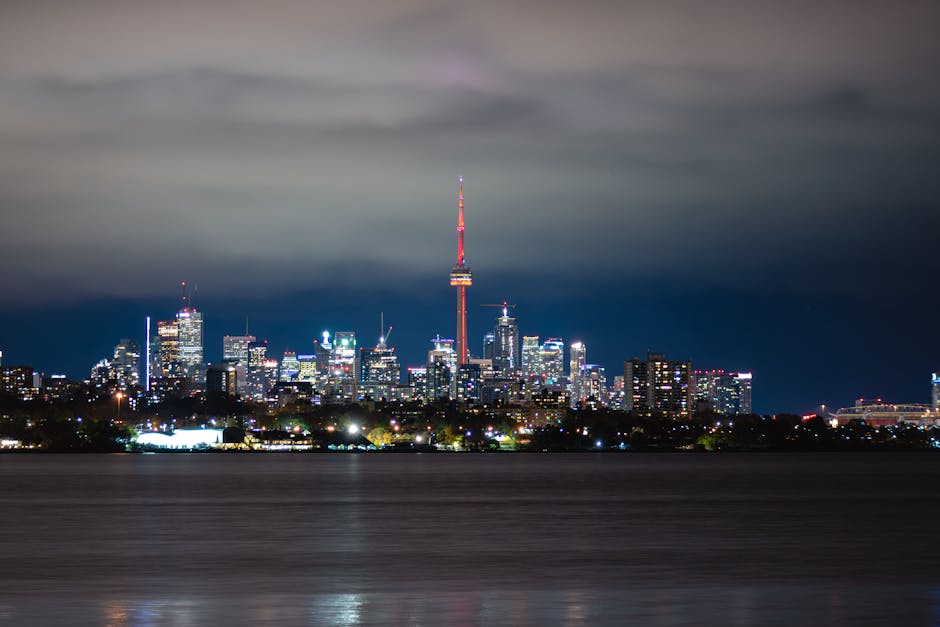 Easy
EasyToronto, Canada
Explore Toronto's iconic skyline on this self-guided walk through the Financial District's historic stone halls and golden glass towers.
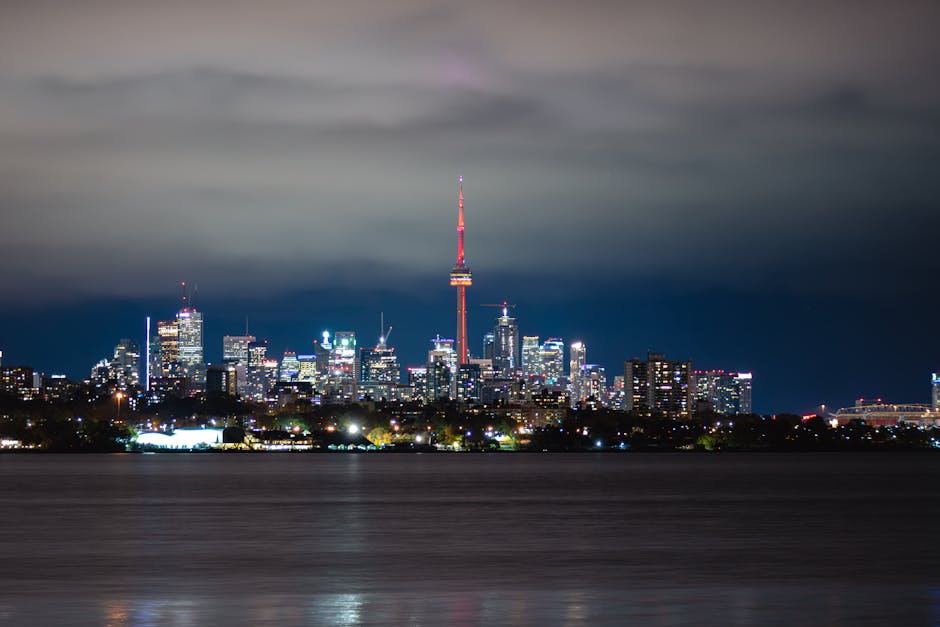 Easy
EasyToronto, Canada
Explore North America's largest collection of Victorian homes and peaceful green spaces on this self-guided stroll through Toronto's Cabbagetown.
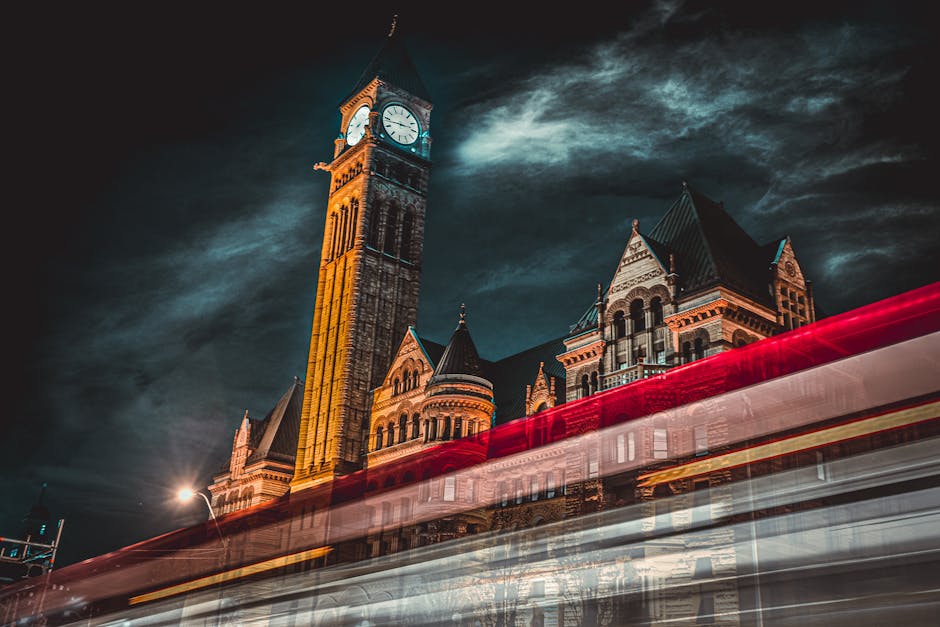 Easy
EasyToronto, Canada
Explore Yorkville’s transformation from 1960s hippie haven to Toronto’s premier luxury district on this self-guided audio walk.
