Step back into the 19th century with this self-guided walking route through Toronto’s Distillery District, one of the best-preserved collections of Victorian industrial architecture in North America. Once the site of the Gooderham & Worts Distillery—which by the 1870s was the largest distillery in the world—this neighborhood has transformed from a soot-covered industrial complex into a vibrant pedestrian-only village filled with art galleries, boutiques, and cafes. As you wander the original cobblestone streets, this self-guided walk reveals the stories of the ambitious immigrants who built a whiskey empire that fueled the British Empire. You will explore the massive limestone structures of the Stone Distillery, see where thousands of wooden barrels were once handcrafted at the Cooperage, and discover how these heritage buildings were saved from demolition to become a center for Toronto's creative community. Beyond the history, this neighborhood stroll is a photographer's dream, featuring large-scale art installations like the famous Love Locks and the towering 'IT' sculpture. Whether you are interested in the engineering marvels of the 1800s or simply want to soak in the atmosphere of a neighborhood that feels worlds away from the glass towers of downtown, this walking route Toronto offers an immersive experience. Explore at your own pace, stopping for a coffee in a converted pump house or browsing contemporary Canadian art in spaces where spirits once flowed. This route is perfect for those who want to discover the grit and glamour of Toronto’s history without the constraints of a rigid schedule.
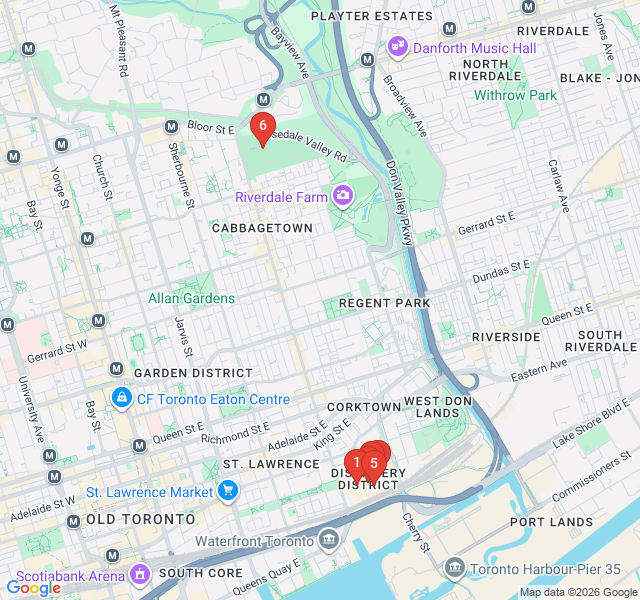
Numbers indicate the order of stops on the tour
Welcome to the heart of the district. The Stone Distillery, completed in 1859, is the oldest and most imposing building in the complex. Designed by architect David Roberts Sr., it was built using limestone quarried from the Kingston area. At its peak, this single building produced over two million gallons of whiskey annually. Look up at the rhythmic window patterns and the massive walls; this was the height of industrial efficiency in the Victorian era. It stood as a symbol of the Gooderham & Worts empire's dominance. Today, it serves as a reminder of Toronto's early industrial roots, having survived fires and the decline of the distilling industry to remain a centerpiece of the city's architectural heritage.
This stunning space was once the Cooperage, where skilled craftsmen known as coopers built and repaired the thousands of wooden barrels required to age and transport whiskey. The smell of cedar and oak would have filled the air here for over a century. Today, the building houses the Thompson Landry Gallery, which showcases contemporary Quebecois art. Notice how the rugged, original brickwork and heavy timber beams provide a dramatic backdrop for modern sculptures and paintings. It is a perfect example of adaptive reuse, where the district's 'spirits' of the past meet the creative energy of the present. The transition from a site of manual labor to a sanctuary for fine art reflects the neighborhood's 21st-century evolution.
While the architecture here is historic, the Distillery District is also home to modern traditions. The Love Locks installation is a favorite for visitors and locals alike. Inspired by similar bridges in Paris and across Europe, this steel structure allows people to symbolize their commitment by attaching a padlock and, traditionally, throwing away the key. It’s a popular spot for photography, framed by the red brick of the surrounding Victorian warehouses. The installation adds a touch of modern romance to the industrial backdrop, proving that while the buildings are over 150 years old, the district remains a living, breathing part of Toronto’s social fabric.
The Pure Spirits building, with its distinctive signage, was originally the rectifying house where whiskey was purified. Built in the 1870s, it features some of the most intricate brickwork in the district. The name itself is a nod to the high-quality alcohol produced on-site. If you look closely at the facade, you can see the blend of functional industrial design and Victorian aesthetic flourishes. This building has lived many lives, once a site of intense chemical processing and now a popular destination for dining. It stands as a testament to the area's transition from a closed-off factory site to an open, welcoming public space where the history of 'pure spirits' is still celebrated.
Step inside this cafe to see one of the most beautiful interiors in Toronto. This building was constructed in 1895 as the district’s pump house. It was a vital piece of infrastructure, managing the water and steam required for the massive distilling operations. When it was converted into a cafe, the designers kept the soaring ceilings, the grand Parisian-style chandelier, and the original industrial bones. It is named after the French novelist Honoré de Balzac, who was famously obsessed with coffee. It’s an ideal spot to pause your walking route and appreciate how the functional Victorian utilities have been reimagined as elegant social hubs.
As you conclude your walk, consider the man who helped start it all. James Gooderham Worts was a key figure in the partnership that built this empire. While the distillery was a place of business, the wealth generated here shaped the very foundations of Toronto. The Worts family were influential philanthropists and business leaders. Although the family eventually moved their primary residences further north as the city grew—like the location near where this marker stands today—their legacy remains etched into every brick of the Distillery District. Their story is one of migration, industrial innovation, and the eventual transition of Toronto from a colonial outpost to a global commercial hub.
Download Zigway to experience "Victorian Spirits: The Distillery District Walk" with AI-powered audio narration. Walk at your own pace while stories unfold around you.
 Challenging
Toronto, Canada
Explore Toronto's crown jewel with this self-guided walk through High Park’s hidden gardens, historic lodges, and scenic waterfront trails.
 Easy
EasyToronto, Canada
Explore Toronto's iconic skyline on this self-guided walk through the Financial District's historic stone halls and golden glass towers.
 Easy
EasyToronto, Canada
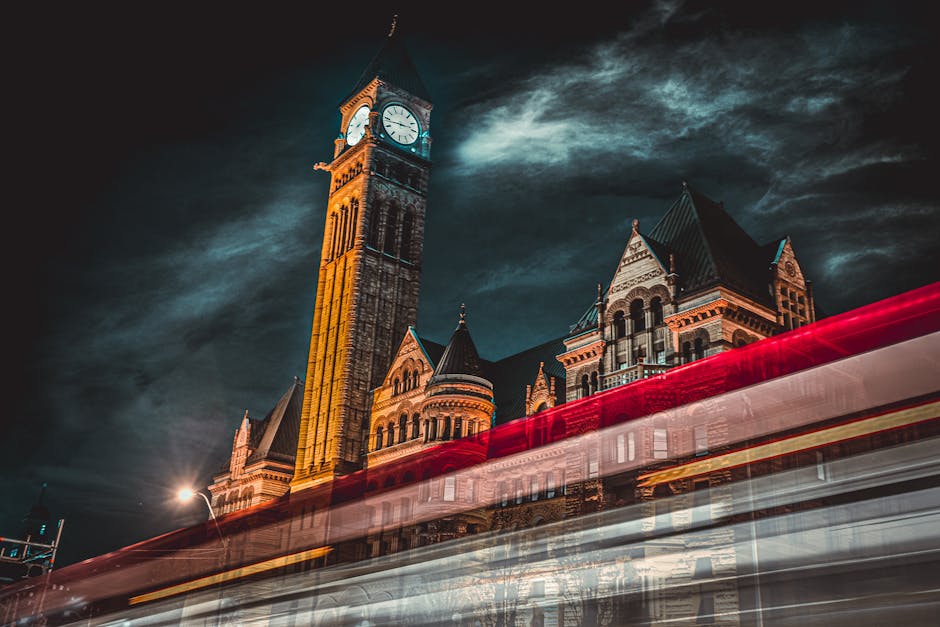
Explore North America's largest collection of Victorian homes and peaceful green spaces on this self-guided stroll through Toronto's Cabbagetown.
 Easy
EasyToronto, Canada
Explore Yorkville’s transformation from 1960s hippie haven to Toronto’s premier luxury district on this self-guided audio walk.
 Easy
EasyGothenburg, Sweden
Explore Gothenburg's maritime soul on this self-guided walk from historic shipyards to sleek modern piers and iconic industrial landmarks.
 Easy
EasyGdansk, Poland
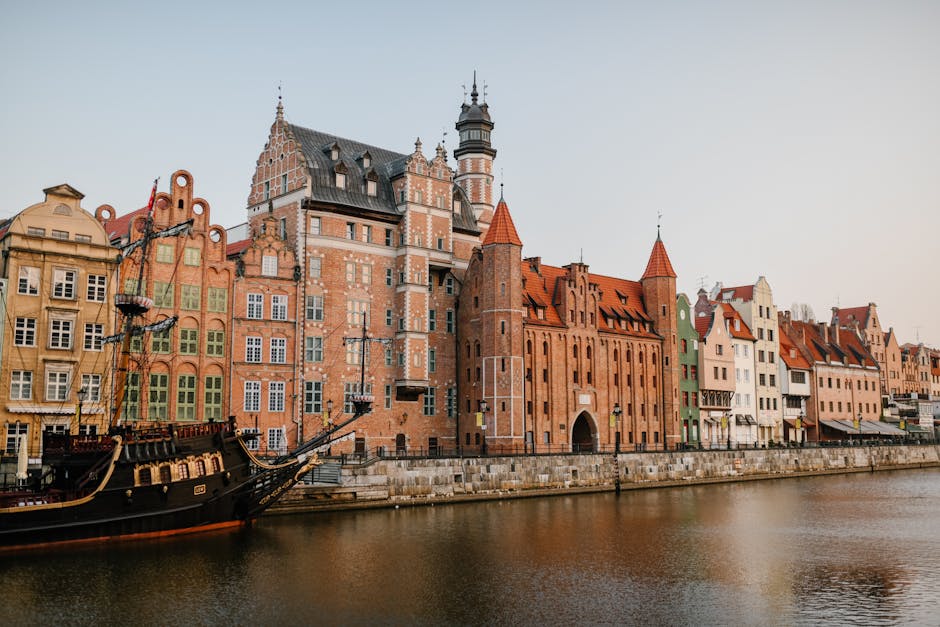
Discover the 'Baltic Gold' on this self-guided walk through Gdansk's historic mills, massive cathedrals, and the magical Mariacka Street.
 Easy
EasyWarsaw, Poland
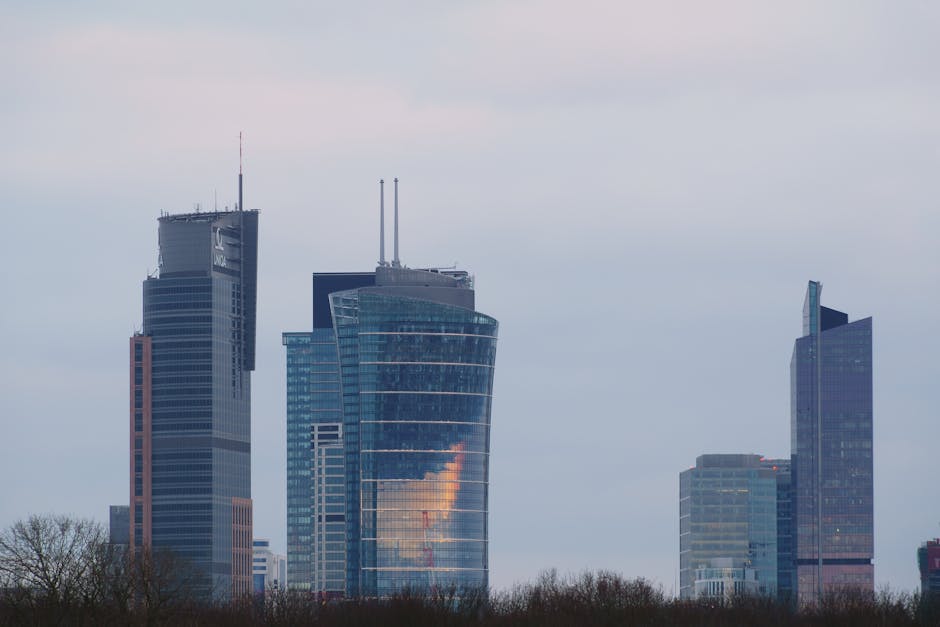
Discover the hidden courtyards and grand pre-war architecture of Warsaw's most atmospheric neighborhood on this self-guided stroll.
 Easy
EasyWarsaw, Poland
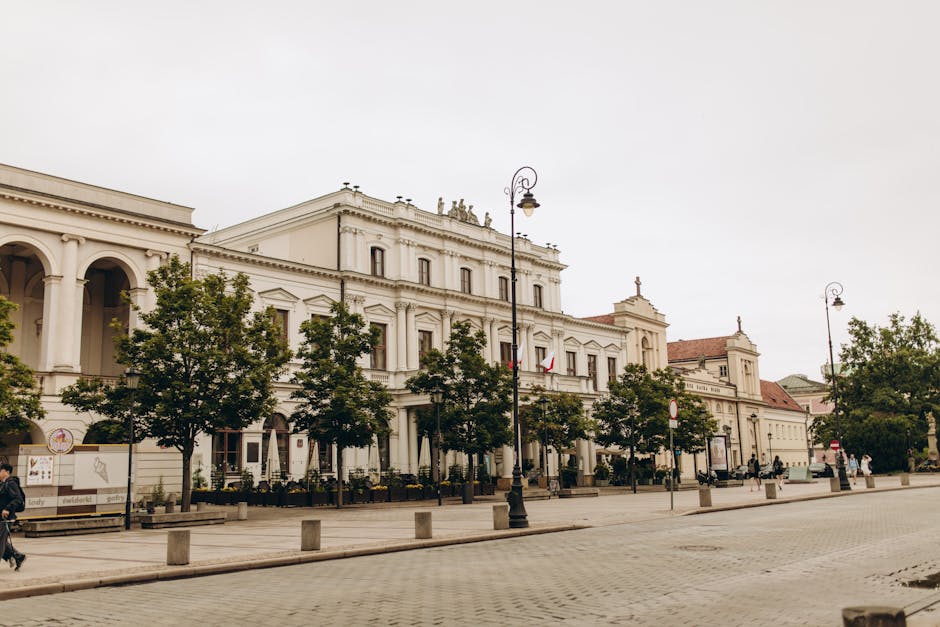
Explore Warsaw's scenic riverfront, rooftop gardens, and industrial-chic architecture on this self-guided stroll through the Powiśle district.
 Easy
EasyVancouver, Canada
Explore Vancouver’s transformation from industrial hub to futuristic urban oasis on this self-guided audio walk along the scenic False Creek Seawall.
 Moderate
Vancouver, Canada
Discover the cinematic secrets of Hollywood North on this self-guided walk through Downtown Vancouver’s most famous filming locations.
 Easy
EasyVancouver, Canada
Explore Vancouver's oldest neighborhood, from Victorian homes to the historic heart of the city's multicultural pioneer communities.
 Easy
EasyVancouver, Canada
Discover how historic rail warehouses became Vancouver’s trendiest district on this self-guided stroll through Yaletown’s chic streets and parks.
