Step into the epicenter of human discovery with this self-guided walk through the historic streets of Cambridge. For centuries, this city has served as a laboratory for the minds that shaped our understanding of the universe. This walking route invites you to explore the physical spaces where the secrets of the atom were unlocked, the structure of DNA was revealed, and the laws of gravity were first contemplated. Unlike a traditional guided tour Cambridge visitors might find elsewhere, this independent journey allows you to linger at your own pace under the same spires that inspired Isaac Newton and Stephen Hawking. Your journey begins in the heart of the University’s scientific quarter, where the Whipple Museum houses the tools of the trade from centuries past. You will stroll past the Old Cavendish Laboratory, a site of unparalleled intellectual output where researchers once peered into the very heart of matter. The route then transitions from the laboratory to the local pub, visiting the famous Eagle where the 'Secret of Life' was first announced to a room of unsuspecting locals. You will also encounter the haunting Corpus Clock, a masterpiece of modern horology that serves as a stark reminder of the relentless passage of time. As you move toward the river, the architecture of the colleges takes center stage. You will see the Mathematical Bridge, a marvel of engineering that has inspired local legends for generations. The walk concludes at Trinity College, standing before a living piece of history: a descendant of the very tree that supposedly prompted Newton’s theory of universal gravitation. This self-guided walking tour Cambridge experience is designed for the curious traveler who wants to connect with the giants of science without the constraints of a group, offering a deep dive into the innovations that changed the world forever.
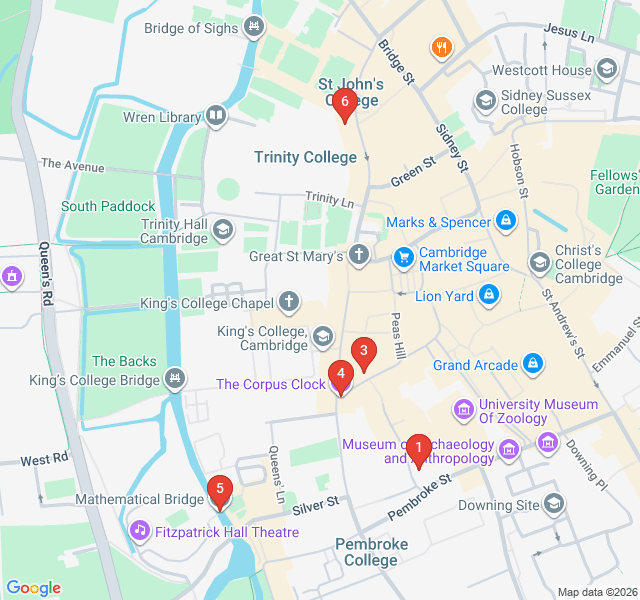
Numbers indicate the order of stops on the tour
Welcome to the starting point of your scientific exploration. The Whipple Museum is located within the historic Perse School building and holds one of the world's most significant collections of scientific instruments. Founded in 1944 when Robert Whipple donated his private collection to the University, this museum showcases the evolution of human inquiry. From intricate medieval astrolabes used to map the stars to the microscopes that first revealed the hidden world of cells, the items here represent the physical tools of genius. As you stand here, consider that Cambridge science wasn't just about abstract theories; it was about the craftsmanship and precision of the instruments that made those theories provable. It is a quiet, contemplative space that sets the stage for the massive breakthroughs you will encounter later on this route.
You are standing outside one of the most productive sites in the history of physics. Established in 1874 under the direction of James Clerk Maxwell, the Old Cavendish Laboratory was the site where 29 Nobel Prizes were effectively earned. It was within these walls that J.J. Thomson discovered the electron in 1897, and where Ernest Rutherford—the father of nuclear physics—first split the atom. The density of discovery here is staggering; imagine the greatest minds of the Victorian and Edwardian eras walking these corridors, debating the nature of light, electricity, and the very building blocks of the universe. Though the physics department has since moved to a newer site, the spirit of the 'Cavendish' remains etched into the stone of Free School Lane, marking the spot where modern physics was born.
Science isn't always confined to the lab; sometimes, the biggest breakthroughs are celebrated over a pint. The Eagle is one of Cambridge's oldest pubs, but it gained global fame on February 28, 1953. It was here that Francis Crick and James Watson burst in during their lunch break to announce they had 'discovered the secret of life'—referring to the double-helix structure of DNA. Look for the plaque commemorating this event near the entrance. While you're inside, don't miss the RAF Bar at the back; its ceiling is covered in graffiti from World War II pilots who used candles and lighters to write their squadron numbers. This pub represents the intersection of Cambridge's academic brilliance and its lived history, making it a perfect spot to pause and reflect on the humanity behind the science.
At the corner of Bene't Street and Trumpington Street, you'll find one of the city's most arresting modern landmarks. Unveiled in 2008 by Stephen Hawking, the Corpus Clock is a masterpiece of 'weird' engineering. Notice the terrifying creature perched on top—this is the Chronophage, or 'time-eater.' As it crawls across the clock, its jaw snaps shut, symbolically devouring every minute of our lives. The clock has no hands or digital numbers; instead, light escapes through slits in the gold-plated disk. It is intentionally designed to be unsettling. The pendulum slows down, speeds up, and even stops, reflecting our subjective perception of time. It’s a chillingly beautiful tribute to the physics of time and a reminder that, in the grand scale of the universe, our moments are fleeting.
Connecting two parts of Queens' College over the River Cam, the Mathematical Bridge is a triumph of geometric design. Built in 1749 by James Essex the Younger, it uses a series of straight timbers arranged in a series of tangents to create a self-supporting arch. There is a popular local myth that Sir Isaac Newton built the bridge without any nuts or bolts, and that later students took it apart and couldn't figure out how to put it back together. While charming, the story is false—Newton died 22 years before the bridge was built, and it has always used iron fastenings. However, the 'mathematical' label holds true; the sophisticated radial design allows the bridge to bear significant weight despite its delicate appearance. It remains one of the most photographed spots in the city.
Your walk concludes outside the gates of Trinity College, where a modest-looking apple tree stands. While the original tree that inspired Isaac Newton's theory of gravity in 1666 was located at his home in Woolsthorpe Manor, this tree is a direct genetic descendant, grafted from the original. It was planted here in 1954 to honor Trinity's most famous alumnus. Looking at this tree, you can imagine a young Newton observing a falling fruit and wondering why it always fell straight down rather than sideways or up. This simple observation led to the 'Principia Mathematica,' the foundation of classical mechanics. It is a living monument to the power of curiosity and the perfect place to end your journey through the history of Cambridge discovery.
Download Zigway to experience "The Giants of Science and Discovery" with AI-powered audio narration. Walk at your own pace while stories unfold around you.
 Moderate
Cambridge, United Kingdom
Discover Cambridge's verdant soul on this self-guided walk through the Botanic Garden and secret riverside fens. Perfect for nature lovers.
 Easy
EasyCambridge, United Kingdom
Discover the Saxon and Norman roots of Cambridge on this self-guided walk through the city's oldest churches and medieval landmarks.
 Easy
EasyCambridge, United Kingdom
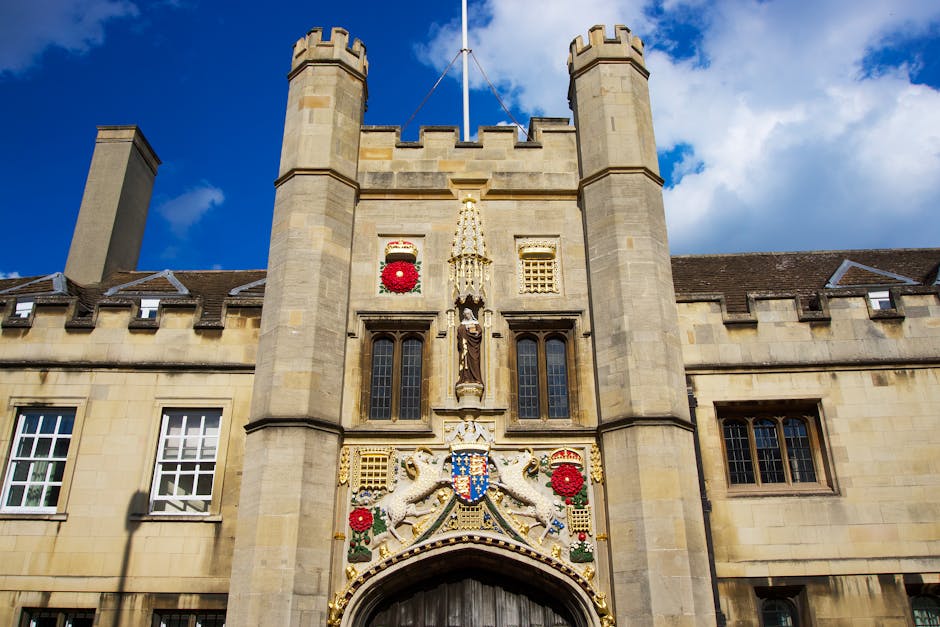
Discover the architectural wonders and scholarly secrets of Cambridge’s most prestigious colleges on this independent, historic neighborhood stroll.
 Moderate
Cambridge, United Kingdom
Discover the ancient roots of Cambridge and the stunning art of Kettle's Yard on this self-guided stroll through the historic Castle Hill district.
 Easy
EasyWarsaw, Poland
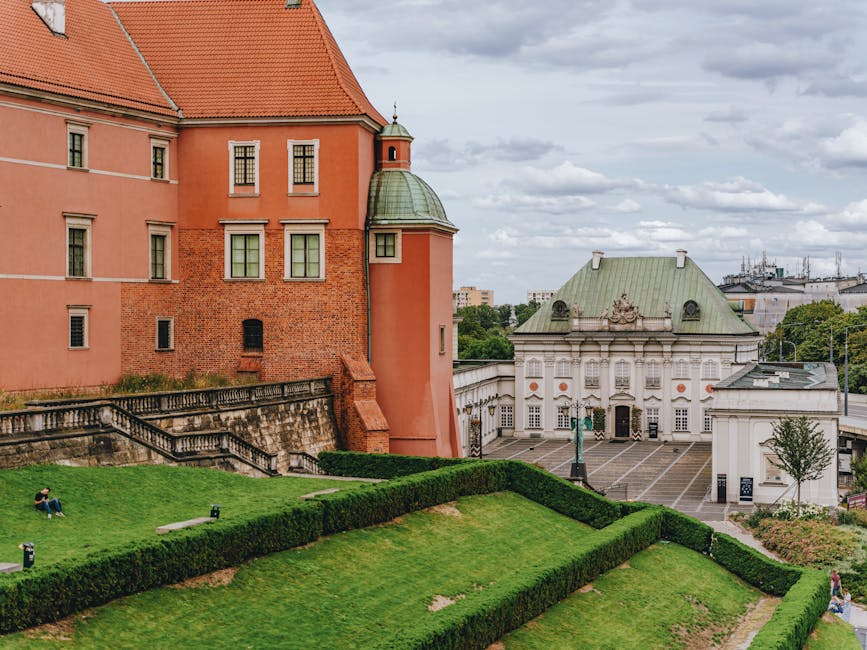
Follow the life of Fryderyk Chopin through Warsaw’s historic center. See where he lived, studied, and where his heart remains today.
 Easy
EasyGothenburg, Sweden
Explore Gothenburg's elegant academic district, featuring grand 19th-century stone architecture and the iconic cultural hub of Götaplatsen.
 Easy
EasyGothenburg, Sweden
Discover Gothenburg’s 17th-century Dutch foundations, historic canals, and military fortifications on this self-guided architectural walk.
 Easy
EasyNairobi, Kenya
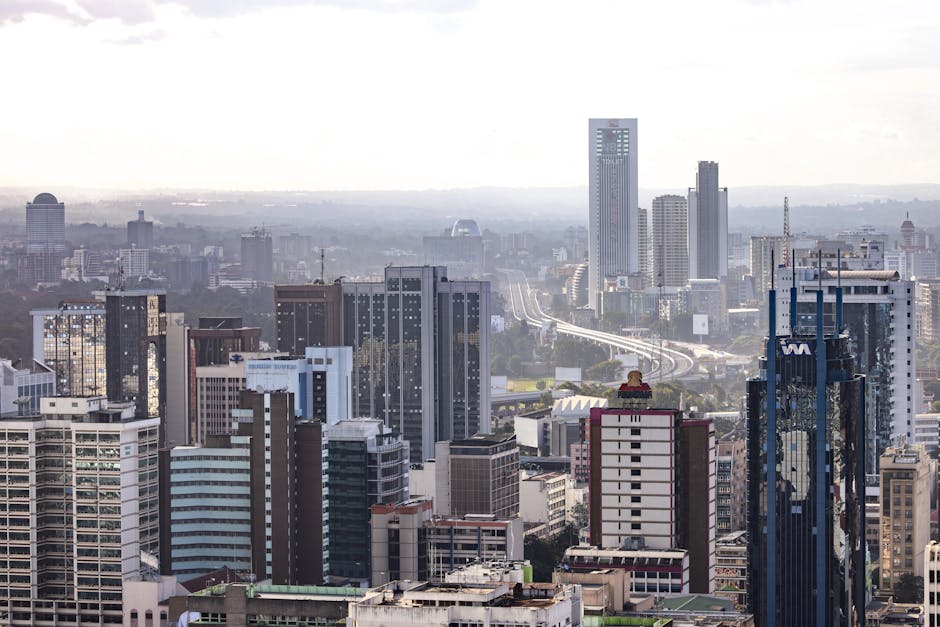
Explore Nairobi's architectural evolution from colonial-era landmarks to iconic Brutalist skyscrapers on this historic self-guided walking route.
 Easy
EasyEdinburgh, United Kingdom
Explore Edinburgh's historic Royal Mile at your own pace, from the heights of the Castle to the royal Palace of Holyroodhouse.
 Easy
EasyEdinburgh, United Kingdom
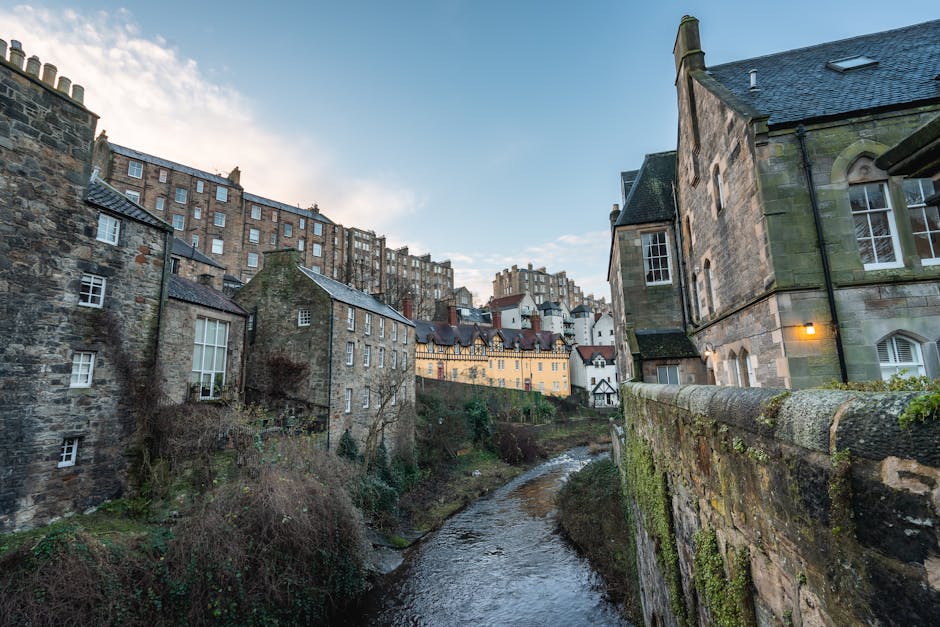
Capture the magic of Edinburgh on this self-guided stroll through the fairy-tale Dean Village, floral Circus Lane, and the scenic Water of Leith.
 Easy
EasyEdinburgh, United Kingdom
Explore Edinburgh's creative soul on this self-guided walk from historic museums to the stylish galleries and boutiques of the West End.
 Challenging
Edinburgh, United Kingdom
Ascend an ancient volcano and discover royal history on this challenging self-guided walk through Edinburgh's iconic Holyrood Park.
