Oxford is synonymous with dreaming spires and ancient colleges, but beneath the ivory towers lies a legacy of groundbreaking discovery and the delightfully macabre. This self-guided walk invites you to explore the 'Science Area' and its world-class museums, where the history of human knowledge is preserved in glass cases and grand Victorian architecture. From the world's oldest purpose-built museum building to the hauntingly beautiful collections of the Pitt Rivers, you will traverse the evolution of medicine, astronomy, and anthropology. This neighborhood stroll captures the essence of Oxford's intellectual curiosity, showing how the city moved from the alchemy of the 17th century to the cutting-edge laboratories of today. The route begins at the very heart of the university's scientific origins on Broad Street. Here, you will encounter relics of genius, including the chalkboard used by Albert Einstein. As you move toward the Victorian Gothic masterpieces of the Parks Road area, the atmosphere shifts from the academic to the adventurous. You will walk through the 'Cathedral of Science,' a stunning iron-and-glass structure housing prehistoric giants, before entering the dense, atmospheric world of ethnographic wonders. This walking route Oxford offers a deep dive into the curiosities that have fascinated scholars for centuries, including the famous shrunken heads and the remains of the extinct Dodo. Beyond the museums, the path takes you through the evolving 'Science Area,' where modern medicine was born, and concludes at a stunning 18th-century observatory modeled after the Tower of the Winds in Athens. This is not just a walk through buildings; it is a journey through the human mind's attempt to map the stars, the earth, and ourselves. Whether you are a history buff, a science enthusiast, or simply a curious traveler, this explore Oxford experience provides a unique perspective on the university's global impact. Discover the stories behind the specimens at your own pace, away from the typical tourist crowds, and see how Oxford shaped the modern world.
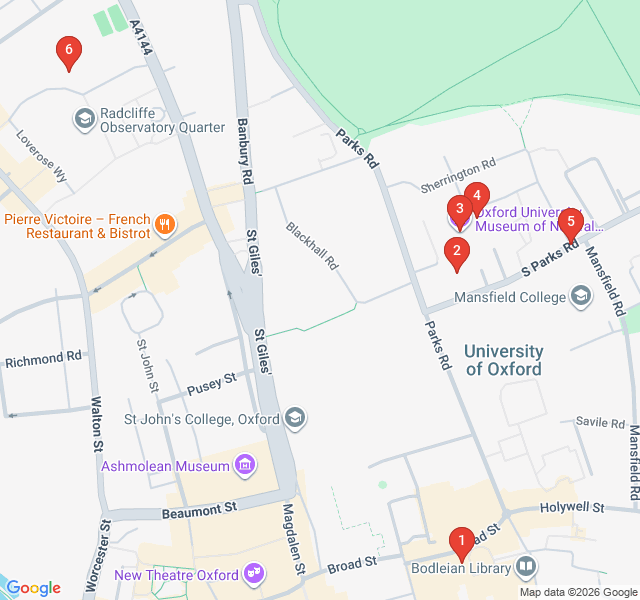
Numbers indicate the order of stops on the tour
Welcome to the Old Ashmolean building, the world's oldest purpose-built museum. Opened in 1683, this structure was designed to house the curiosities of Elias Ashmole, but it soon became a hub for the 'new' experimental sciences. As you look at the facade, imagine the basement filled with chemical furnaces and the upper floors with rare specimens. Today, it holds a treasure trove of scientific instruments. The most famous resident is a simple chalkboard used by Albert Einstein during a lecture in Oxford in 1931. While the equations for the density and age of the universe remain frozen in chalk, the museum also houses ornate astrolabes and early surgical tools that reveal the transition from medieval mysticism to modern reason.
Tucked away near the University Museum is a peculiar stone structure known as the Abbot's Kitchen. While its name suggests a monastic dining hall, it was actually built in 1860 as one of the world's first dedicated chemistry laboratories. The architects based the design on the medieval kitchen of Glastonbury Abbey, believing that the high, vaulted ceiling and ventilation would be perfect for whisking away the noxious fumes and occasional explosions of Victorian chemical experiments. It represents a fascinating moment in Oxford's history where the university’s medieval aesthetic collided with the industrial revolution's scientific demands. Although it is now part of the Chemistry Department, its exterior remains a testament to the quirky evolution of laboratory design.
Enter the 'Cathedral of Science.' This breathtaking Victorian Gothic building, with its iron-and-glass roof and stone columns representing different geological strata, was designed to celebrate the natural world. It was here in 1860 that the famous 'Great Debate' on evolution took place between Thomas Huxley and Bishop Samuel Wilberforce, just months after Darwin published 'On the Origin of Species.' Inside, look for the Oxford Dodo—the most complete remains of the extinct bird in the world. The skeletons of dinosaurs and whales stand beneath a canopy of intricate ironwork, making this one of the most beautiful spaces in the city to contemplate the history of life on Earth.
Accessed through the back of the Natural History Museum, the Pitt Rivers is a 'museum of a museum.' Unlike modern galleries with minimalist displays, this space is packed with over half a million objects arranged by type rather than geography. You are surrounded by a dense forest of masks, weapons, musical instruments, and charms. The most famous—and controversial—exhibits are the 'tsantsas' or shrunken heads from the Upper Amazon. While the museum has recently updated its displays to reflect modern ethical standards regarding human remains, the collection remains an unparalleled look at how different cultures have solved the same human problems throughout history. It is a place of shadows, secrets, and immense cultural depth.
Walking along South Parks Road, you are in the heart of Oxford’s 'Science Area.' This stretch of road saw a massive expansion in the late 19th and early 20th centuries as the university pivoted toward modern research. To your sides are the departments where penicillin was first purified for clinical use, a breakthrough that saved millions of lives during World War II. The architecture here is a mix of stern Victorian brickwork and mid-century functionalism. This area marks the shift from the individual 'gentleman scientist' working in a college room to the massive, collaborative research efforts that define modern academia. It is a bustling corridor of innovation where the next generation of Nobel laureates is likely currently at work.
We conclude our walk at the Radcliffe Observatory, a masterpiece of 18th-century architecture. Completed in 1794, its design was inspired by the Tower of the Winds in Athens, topped by a statue of Atlas holding the world. For over 150 years, astronomers tracked the stars from this tower, benefitting from its (at the time) rural location away from the city’s coal smoke. Today, it sits at the center of Green Templeton College. The observatory symbolizes the Age of Enlightenment, a time when humanity looked upward to understand its place in the cosmos. Though the telescopes are gone, the building remains one of the most elegant landmarks in Oxford’s scientific landscape, standing as a monument to our eternal desire to explore the unknown.
Download Zigway to experience "Science, Skulls, and Shrunken Heads" with AI-powered audio narration. Walk at your own pace while stories unfold around you.
 Easy
EasyOxford, United Kingdom
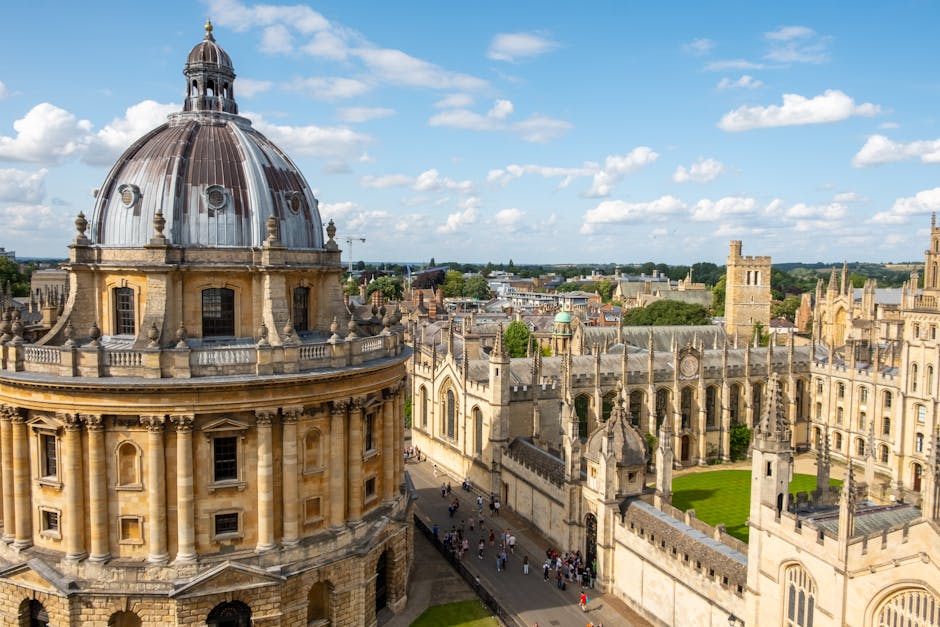
Explore Oxford’s historic food scene on this self-guided walk through the 1774 Covered Market, ancient pubs, and England’s first coffee house site.
 Moderate
Oxford, United Kingdom
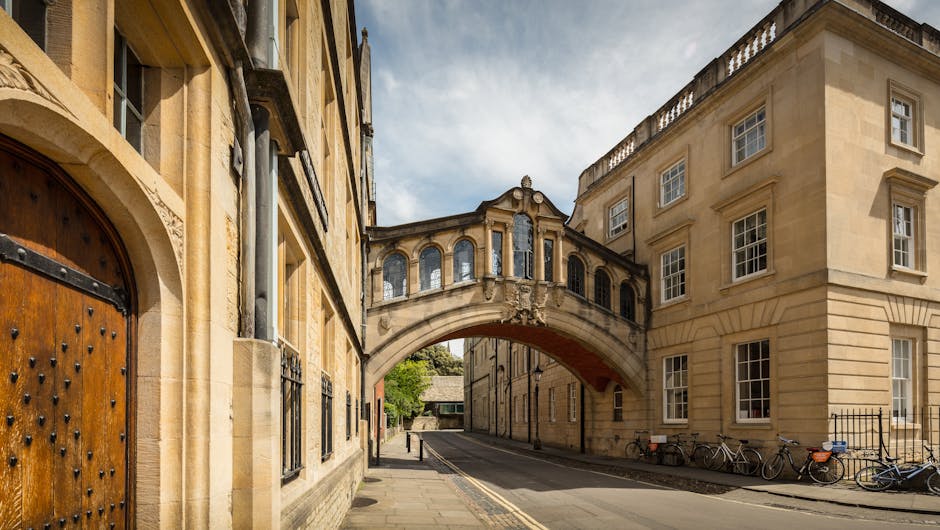
Discover the rebellious Headington Shark and the ancient sunken paths of Old Headington on this quirky self-guided neighborhood stroll through Oxford.
 Moderate
Oxford, United Kingdom
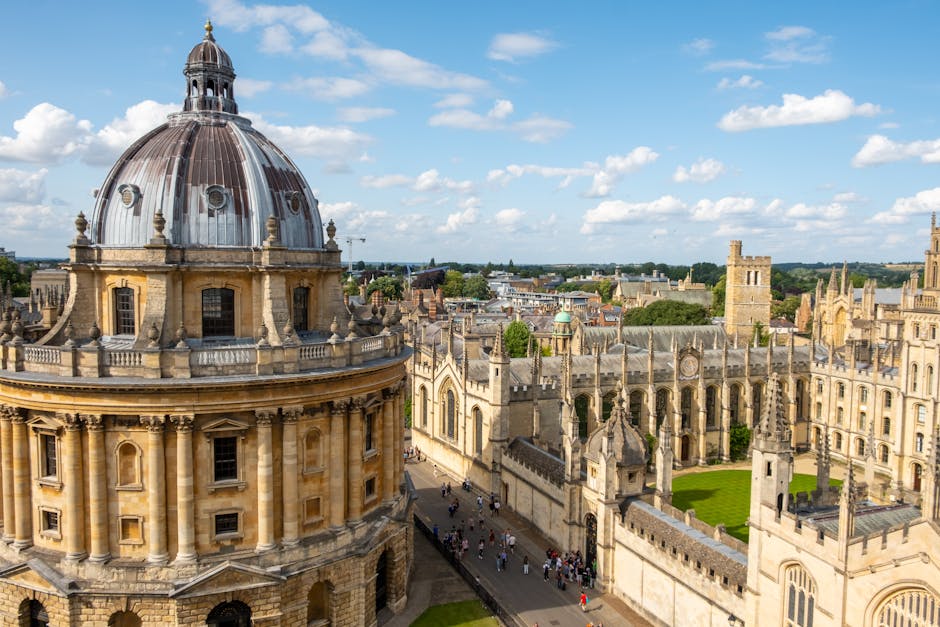
Uncover the mysteries of Oxford on this self-guided walk through the iconic filming locations of Inspector Morse, Lewis, and Endeavour.
 Easy
EasyOxford, United Kingdom
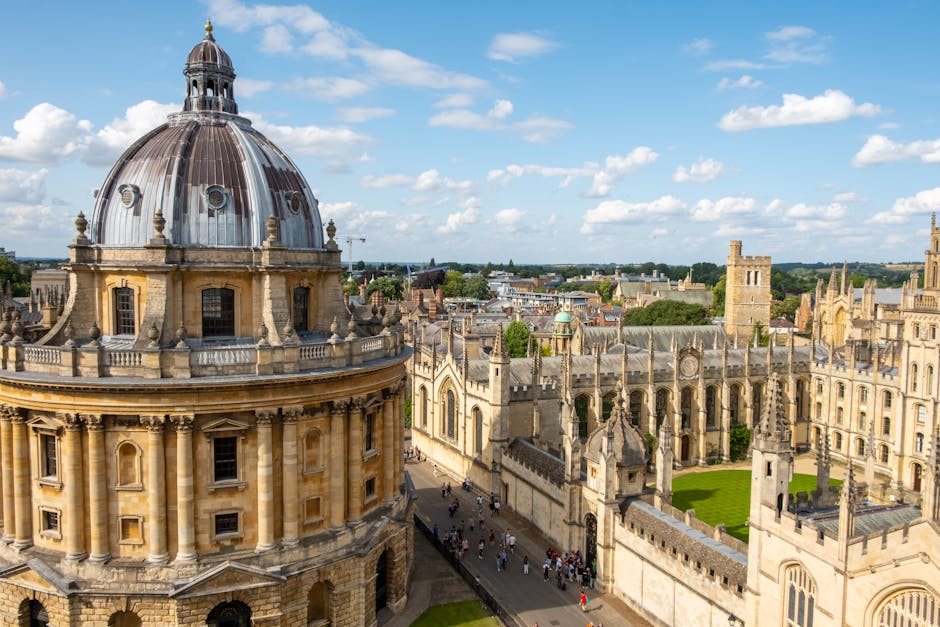
Discover the Oxford haunts of J.R.R. Tolkien and C.S. Lewis on this self-guided walking route through literary history.
 Easy
EasyNairobi, Kenya
Discover Nairobi’s literary soul on this self-guided walk through historic libraries, iconic bookshops, and cultural centers in the heart of the CBD.
 Moderate
Gdansk, Poland
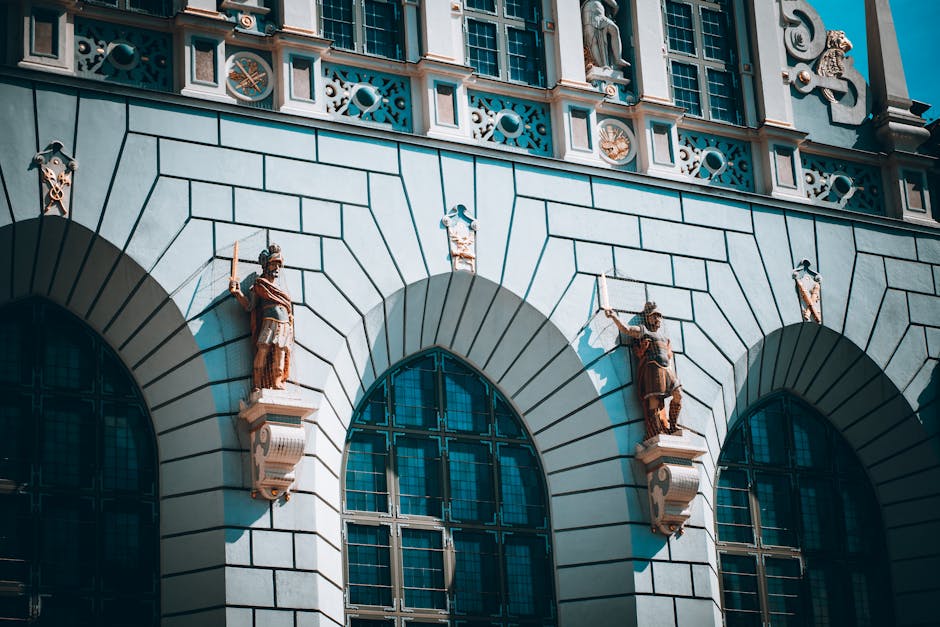
Discover the origins of WWII in Gdansk on this self-guided walk through heroic last stands, massive museums, and strategic hilltop fortifications.
 Moderate
Helsinki, Finland
Explore the 'Gibraltar of the North' on this independent walking route through the historic bastions and hidden gardens of Suomenlinna Sea Fortress.
 Easy
EasyGothenburg, Sweden
Explore Gothenburg's elegant academic district, featuring grand 19th-century stone architecture and the iconic cultural hub of Götaplatsen.
 Easy
EasyEdinburgh, United Kingdom
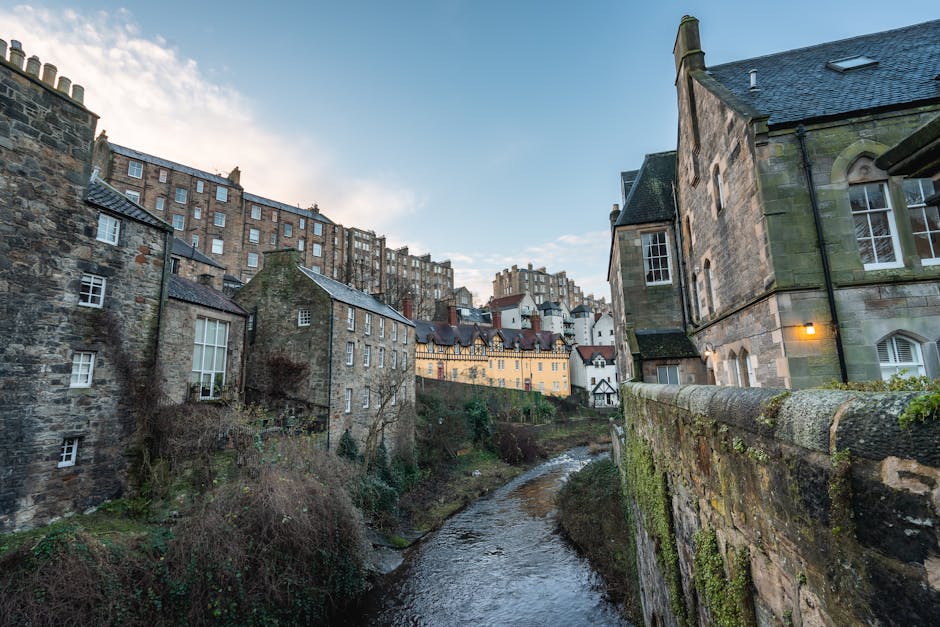
Explore Edinburgh's historic Royal Mile at your own pace, from the heights of the Castle to the royal Palace of Holyroodhouse.
 Easy
EasyEdinburgh, United Kingdom
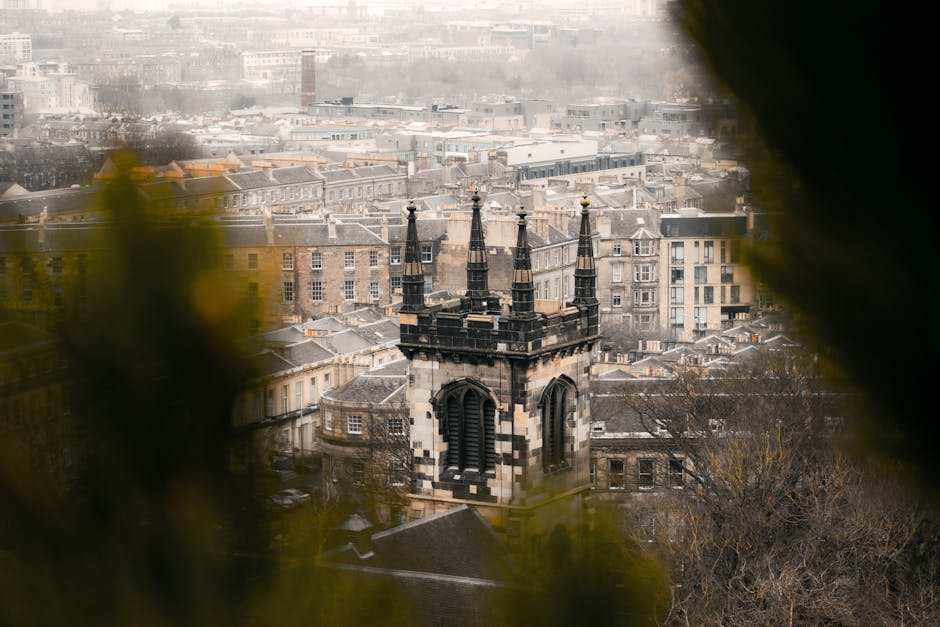
Capture the magic of Edinburgh on this self-guided stroll through the fairy-tale Dean Village, floral Circus Lane, and the scenic Water of Leith.
 Easy
EasyEdinburgh, United Kingdom
Explore Edinburgh's creative soul on this self-guided walk from historic museums to the stylish galleries and boutiques of the West End.
 Challenging
Edinburgh, United Kingdom
Ascend an ancient volcano and discover royal history on this challenging self-guided walk through Edinburgh's iconic Holyrood Park.
