Manchester is often remembered as the 'Cottonopolis' of the Victorian era, but beneath the soot and steam of the Industrial Revolution lay a fierce spirit of rebellion. This self-guided walk invites you to trace the footsteps of the radicals, reformers, and revolutionaries who transformed British democracy from the ground up. As you explore the city’s historic core and its outskirts, you will discover how a town without a single Member of Parliament became the global epicenter for the fight for universal suffrage and workers' rights. The walking route begins at the People's History Museum, the national center for documenting the story of democracy. From there, you will navigate through the grand civic spaces of Lincoln Square and St Peter’s Square, where the echoes of the 1819 Peterloo Massacre still resonate. You will encounter the bronze likeness of Emmeline Pankhurst, a reminder of the militant struggle for women's votes that began in a modest Manchester parlor. This neighborhood stroll doesn't just stick to the famous landmarks; it leads you to the very homes and libraries where the working class organized their resistance. Whether you are interested in the industrial heritage of the North or the personal stories of those who risked everything for reform, this experience offers a deep dive into the city's defiant soul. Unlike a standard walking tour Manchester offers, this independent journey allows you to spend as much time as you like examining the artifacts of protest or sitting in the quiet gardens of reform. By the time you reach the final stops, you will understand why Manchester was once considered the most dangerous and most progressive city in the world. This explore-at-your-own-pace journey is perfect for history buffs and those looking for a walking route Manchester provides that goes beyond the typical tourist sites.
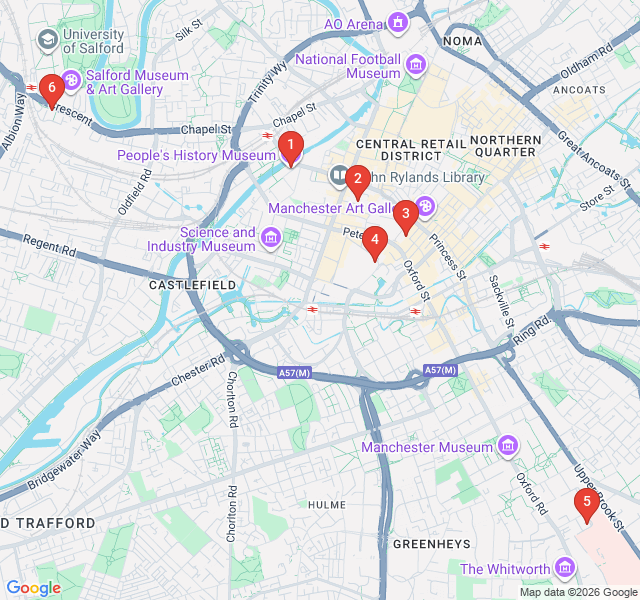
Numbers indicate the order of stops on the tour
Welcome to the national museum of democracy. Located in a former hydraulic pumping station, this museum tells the story of the long march toward the right to vote. Manchester was the heart of the Industrial Revolution, but for a long time, its growing population had no political voice. Inside, you can find the world's largest collection of trade union banners and the desk where Thomas Paine wrote 'Rights of Man'. This stop sets the stage for our walk, illustrating how ordinary people organized to demand equality and fair representation in a rapidly changing world.
In the center of Lincoln Square stands a surprising tribute to an American president. During the American Civil War, the Union’s blockade of Confederate cotton ports caused a 'Cotton Famine' in Manchester, leading to mass unemployment and starvation among mill workers. Despite their suffering, the workers of Manchester met at the Free Trade Hall and pledged their support for Lincoln and the abolition of slavery, refusing to touch slave-picked cotton. Lincoln was so moved by this sacrifice that he wrote a letter of thanks to the 'workingmen of Manchester,' cementing a unique bond between the city and the cause of freedom.
Unveiled in 2018, this statue—affectionately known as 'Our Emmeline'—shows the leader of the Suffragette movement standing on a chair to address a crowd. Emmeline Pankhurst was born in Moss Side and spent her life fighting for women's right to vote under the motto 'Deeds not Words.' This location in St Peter's Square is significant because it was the site of many political rallies. Notice how the statue faces toward the former Free Trade Hall, where many of those radical speeches took place. Her presence here is a powerful reminder of the militant struggle that eventually secured the vote for women in the UK.
This tiered stone monument by artist Jeremy Deller commemorates one of the bloodiest and most significant events in British political history. On August 16, 1819, around 60,000 peaceful protesters gathered on St Peter's Field to demand parliamentary reform. Fearing a revolution, local magistrates ordered the cavalry to charge into the crowd. Eighteen people were killed and hundreds injured. The event was dubbed 'Peterloo' in a grim play on the Battle of Waterloo. While the authorities tried to suppress the story, the massacre became a catalyst for the Great Reform Act and the founding of the Manchester Guardian newspaper.
A short walk or bus ride south brings you to 62 Nelson Street, the former home of Emmeline Pankhurst. It was in this very parlor in 1903 that the Women's Social and Political Union (WSPU) was founded. Today, the building serves as a museum and a women's community center. Walking through these rooms, you can feel the domestic roots of a radical movement. It was here that the transition from peaceful lobbying to militant action was first discussed, changing the course of history for women worldwide. The small garden outside is a peaceful spot to reflect on their courage.
Our final stop takes us just across the river to Salford. This library was started by Eddie and Ruth Frow, who began collecting radical books and pamphlets in their own home. Today, it houses one of the most important collections of working-class history in the world. From the earliest trade unions to the Spanish Civil War and modern protest movements, the library preserves the voices of those who are often left out of official histories. It is a living archive that proves the power of the written word in the fight for social justice.
Download Zigway to experience "Radical Manchester: The Fight for Reform" with AI-powered audio narration. Walk at your own pace while stories unfold around you.
 Moderate
Manchester, United Kingdom
Discover Manchester’s secret green spaces and hidden parks on this self-guided audio walk through the city’s most tranquil and photogenic spots.
 Easy
EasyManchester, United Kingdom
Explore Manchester’s creative soul on this self-guided stroll through the Northern Quarter’s iconic street art and quirky subculture.
 Easy
EasyManchester, United Kingdom
Discover the transformation of Ancoats from industrial 'Little Italy' to Manchester's trendiest culinary district on this self-guided audio walk.
 Moderate
Manchester, United Kingdom
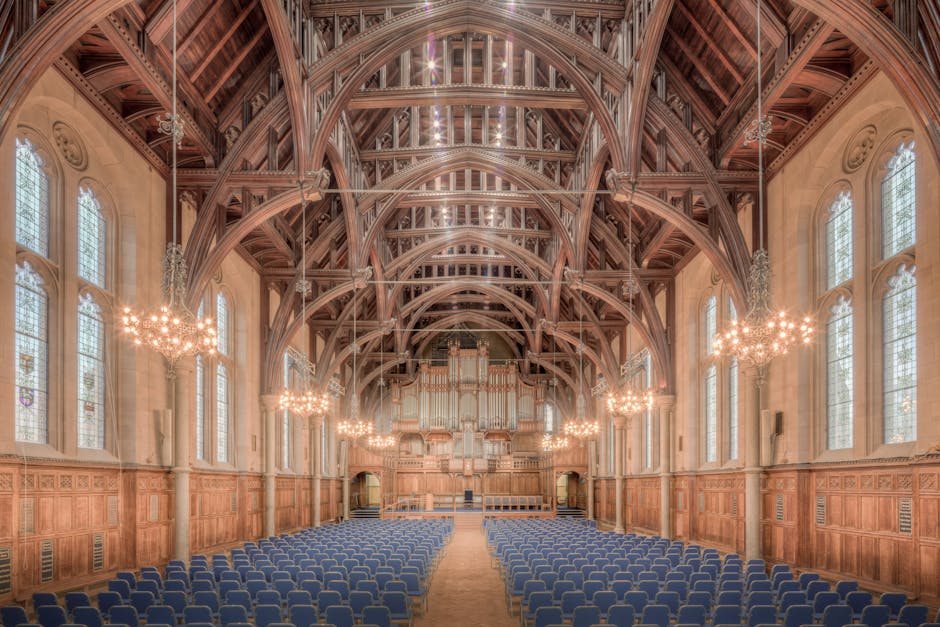
Trace the sonic legacy of Manchester from the birth of punk to the Oasis era on this self-guided walking route through music history.
 Moderate
Gdansk, Poland
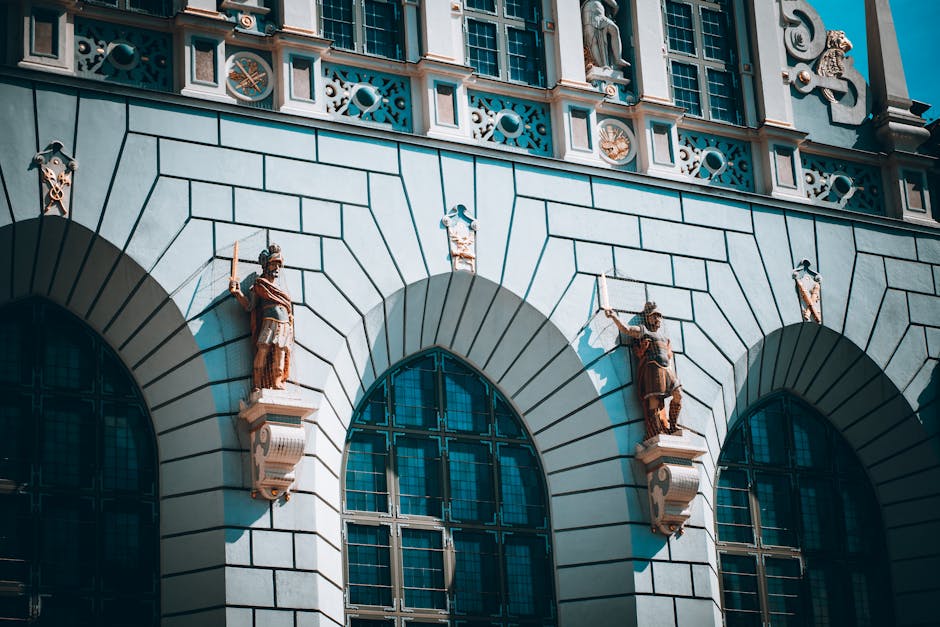
Discover the origins of WWII in Gdansk on this self-guided walk through heroic last stands, massive museums, and strategic hilltop fortifications.
 Moderate
Warsaw, Poland
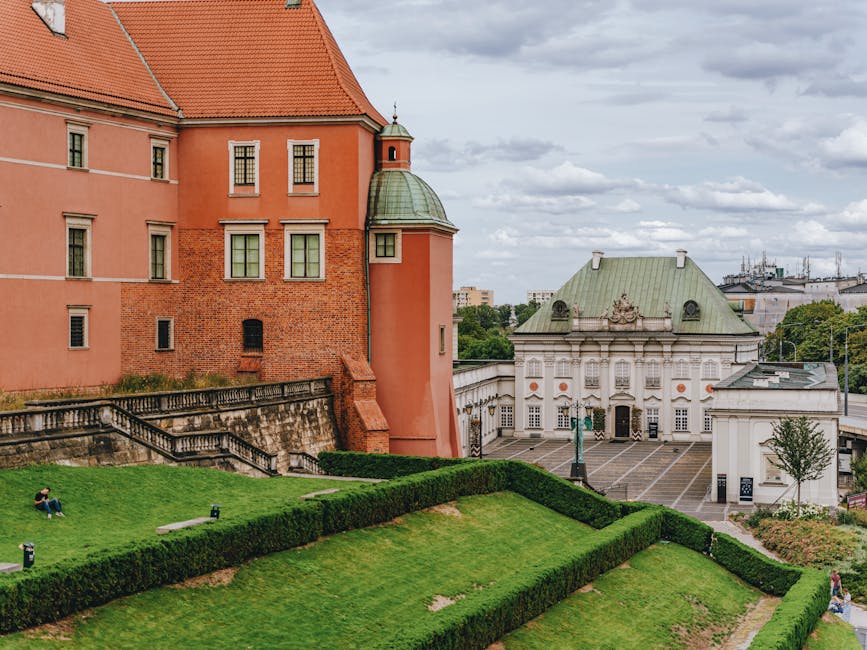
A powerful self-guided walk through Warsaw's WWII history, tracking the 1944 Uprising from ruined skyscrapers to solemn memorials.
 Easy
EasyNairobi, Kenya
Discover Nairobi’s literary soul on this self-guided walk through historic libraries, iconic bookshops, and cultural centers in the heart of the CBD.
 Moderate
Warsaw, Poland
Explore the resilient spirit of Warsaw's Muranów district on this self-guided walk through the history and landmarks of the former Jewish Ghetto.
 Easy
EasyEdinburgh, United Kingdom
Explore Edinburgh's historic Royal Mile at your own pace, from the heights of the Castle to the royal Palace of Holyroodhouse.
 Easy
EasyEdinburgh, United Kingdom
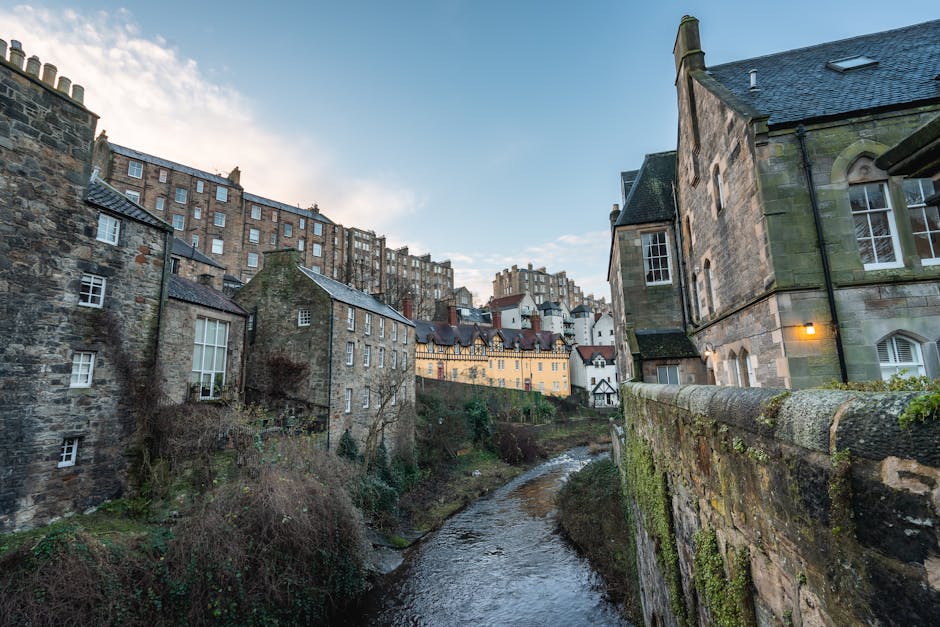
Capture the magic of Edinburgh on this self-guided stroll through the fairy-tale Dean Village, floral Circus Lane, and the scenic Water of Leith.
 Easy
EasyEdinburgh, United Kingdom
Explore Edinburgh's creative soul on this self-guided walk from historic museums to the stylish galleries and boutiques of the West End.
 Challenging
Edinburgh, United Kingdom
Ascend an ancient volcano and discover royal history on this challenging self-guided walk through Edinburgh's iconic Holyrood Park.
