Step back in time to explore the dual history of Oslo, from its strategic military might to its humble medieval beginnings. This self-guided walk invites you to traverse the distance between the formidable Akershus Fortress and the atmospheric ruins of the original city in Gamle Oslo. Your journey begins at the hilltop ramparts overlooking the Oslofjord, where the 700-year-old fortress has stood as a silent sentinel through centuries of sieges and royal transitions. Here, you will uncover stories of the Norwegian resistance during World War II before winding through the stone gates and down toward the waterfront. This route offers a unique perspective on how the city literally shifted its ground following the devastating fire of 1624, moving from its ancient roots to its current location. As you transition from the fortress to the 'Old Town' or Gamlebyen, the landscape changes from military precision to archaeological mystery. You will wander among the stone foundations of the 13th-century Bishop’s Palace and the ruins of St. Hallvard’s Cathedral, which was once the most important church in the region. This neighborhood stroll is perfect for those who want to escape the modern glass-and-steel architecture of the city center and find the echoes of the Viking-era city that paved the way for modern Norway. Along the way, you will experience some of the city's most breathtaking viewpoints, offering panoramic vistas of the harbor and the Ekeberg hillside. This walking route Oslo provides is a deep dive into the soul of the city, focusing on the architectural layers that define the Norwegian capital. Whether you are a history buff or a photography enthusiast, the blend of medieval ruins, Baroque manors, and military heritage makes this one of the most compelling ways to travel through Oslo's past independently.

Numbers indicate the order of stops on the tour
Begin your self-guided adventure at the Norway's Home Front Museum, located within a 17th-century building on the fortress grounds. This site serves as a powerful introduction to the resilience of the Norwegian people. The museum chronicles the five years of Nazi occupation during World War II, focusing on the underground resistance movements and the daily life of citizens under pressure. The building itself is part of the fortress's inner defenses, and the surrounding area was used for both military operations and, somberly, as a site for executions during the war. Take a moment to appreciate the contrast between the historic stone architecture and the modern stories of bravery housed within.
A short stroll through the fortress grounds brings you to Karpedammen, or 'The Carp Pond.' This tranquil spot feels worlds away from the military purpose of the ramparts. In the center of the pond sits a stage that hosts open-air concerts and theatrical performances during the summer months. Historically, this area was a functional part of the fortress's water system, but today it serves as a cultural hub. The surrounding trees and the reflection of the medieval walls in the water make it one of the most peaceful spots in the city center. It’s a perfect place to pause and imagine the fortress not just as a prison or a barracks, but as a living part of Oslo's social fabric.
You are now standing at the heart of Akershus Fortress, a medieval castle that was completed around 1300 under King Håkon V. This stronghold was strategically built on the Akersneset peninsula to protect the city from naval attacks. Over the centuries, it has survived numerous sieges, primarily from Swedish forces, and was later transformed into a royal Renaissance castle by King Christian IV. As you walk along the high walls, look out over the harbor to see the modern city skyline, creating a stark visual timeline of Oslo's growth. The fortress remains a military area today, but its park-like grounds are open for everyone to explore independently.
After leaving the fortress and heading east toward Gamlebyen, you arrive at Oslo ladegård. This elegant Baroque manor house, built in 1725, sits on foundations that are much older. Beneath the house lie the vaulted cellars of the 13th-century Bishop's Palace. This site represents the 'second' Oslo; after the Great Fire of 1624, the city was moved, but the ruins here mark where the original medieval power center stood. The manicured gardens are a recreation of 18th-century style, offering a glimpse into the life of the city's elite after the medieval era ended. It is a bridge between the ruined city and the modern capital.
Welcome to the true cradle of Oslo. Ruin Park, or Minneparken, contains the archaeological remains of the city's first cathedral, St. Hallvard’s, built in the early 12th century. St. Hallvard is the patron saint of Oslo, and for centuries, this was the most important religious site in Norway. You can walk among the low stone walls that outline the nave and the monastery of St. Olav. These ruins were buried for centuries under railway tracks and modern streets until they were excavated and preserved. Standing here, you are at the exact location where the Viking-age settlement transitioned into a medieval urban center before the city was abandoned following the fire.
Your walking route concludes at Oslo Hospital, established in 1538. It was founded on the site of a former Franciscan monastery, following the Reformation. It is one of the oldest psychiatric hospitals in Scandinavia and continues to serve a medical purpose to this day. The complex of buildings shows a mix of styles from different centuries, reflecting the long-term evolution of social care in Norway. Located at the foot of Ekeberg hill, this area marks the eastern edge of the medieval city. From here, you can see how the valley opens up, providing a sense of the scale of the original settlement compared to the sprawling metropolis Oslo has become today.
Download Zigway to experience "Medieval Echoes and Fortress Walls" with AI-powered audio narration. Walk at your own pace while stories unfold around you.
 Easy
EasyOslo, Norway
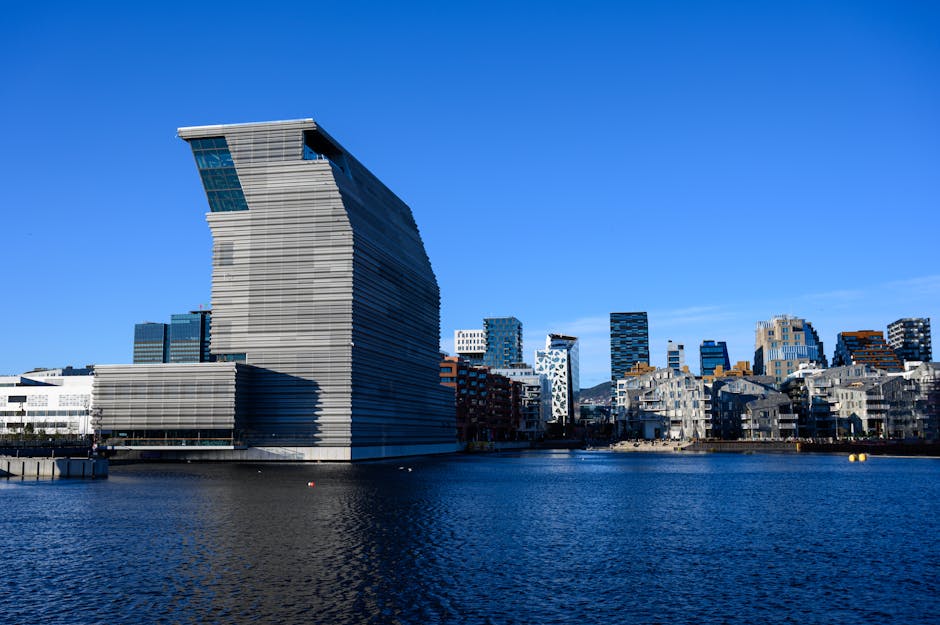
Discover Oslo's stunning modern waterfront on this self-guided walk through the innovative Bjørvika district and its iconic architecture.
 Easy
EasyOslo, Norway
Explore Oslo's 'Thief Island' on this self-guided walk through cutting-edge architecture, world-class galleries, and stunning fjord-side sculptures.
 Easy
EasyOslo, Norway
Discover Oslo's most charming 18th-century wooden houses and medieval history on this peaceful self-guided stroll through hidden hillside lanes.
 Moderate
Oslo, Norway
Step into Harry Hole's shoes on this self-guided walk through the gritty streets and iconic haunts of Oslo’s most famous fictional detective.
 Moderate
Warsaw, Poland
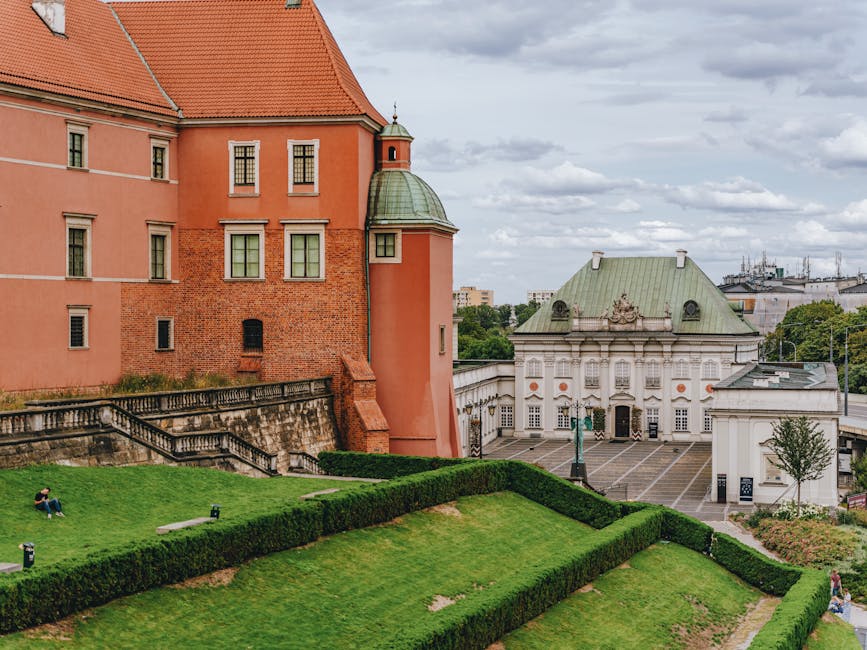
Explore the resilient spirit of Warsaw's Muranów district on this self-guided walk through the history and landmarks of the former Jewish Ghetto.
 Moderate
Vienna, Austria
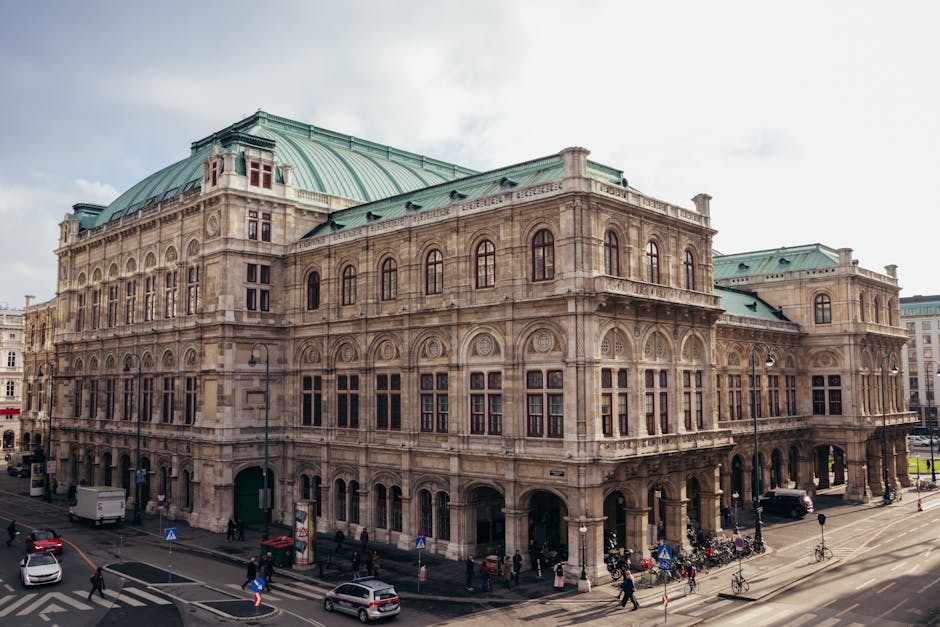
Follow the footsteps of Mozart and Strauss through Vienna’s historic center on this self-guided walk through the city's rich musical history.
 Moderate
Warsaw, Poland
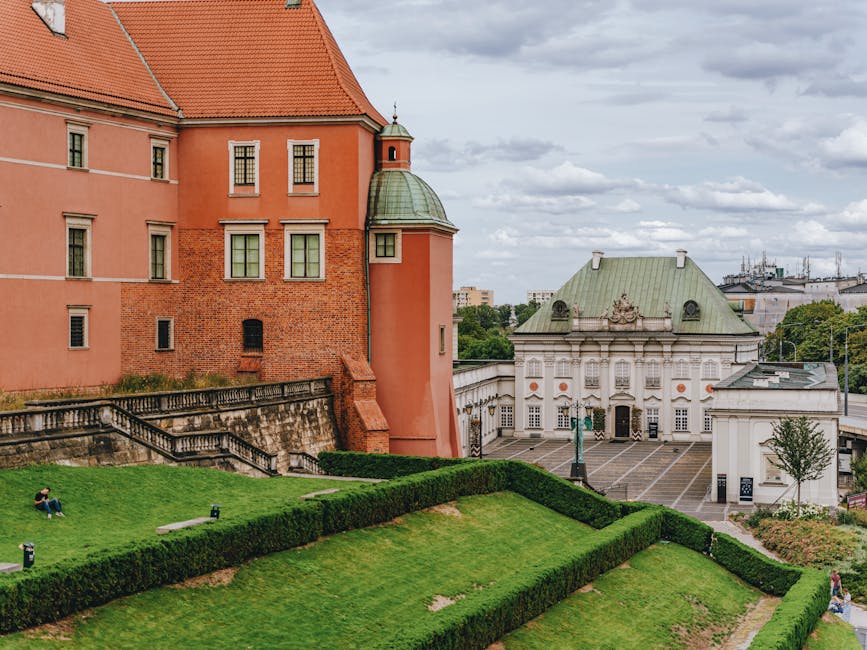
A powerful self-guided walk through Warsaw's WWII history, tracking the 1944 Uprising from ruined skyscrapers to solemn memorials.
 Moderate
Gothenburg, Sweden
Discover Gothenburg’s maritime soul on this self-guided walk from the historic Central Station to the scenic riverfront at Stenpiren.
 Easy
EasyBergen, Norway
Explore Bergen's vibrant craft beer scene and historic pubs on this self-guided audio walk through the atmospheric Sentrum district.
 Easy
EasyBergen, Norway
Discover Bergen's rich literary heritage on this self-guided walk through the city's historic theaters, libraries, and monuments of great writers.
 Easy
EasyBergen, Norway
Explore Bergen's charming Nordnes peninsula at your own pace, featuring narrow wooden alleys, historic fortresses, and stunning fjord views.
 Moderate
Bergen, Norway
Explore Bergen’s steepest alleys and hidden wooden neighborhoods on this self-guided photography walk through the historic Fjellsiden district.
