Step into the era of Baron Haussmann, the man who demolished the medieval alleyways of Paris to create the wide, light-filled boulevards we adore today. This self-guided walk through the 8th Arrondissement invites you to explore the height of 19th-century French ambition, where architecture was a statement of power, culture, and luxury. Starting at the opulent Palais Garnier, the crown jewel of the Second Empire, you will witness the theatricality of the 'Beaux-Arts' style before heading to the nearby rooftops for a panoramic orientation of the city’s skyline. This neighborhood stroll captures the essence of Parisian refinement, leading you past the massive, temple-like structure of La Madeleine and toward the prestigious Rue du Faubourg Saint-Honoré. As you continue your independent exploration, you will pass the Élysée Palace, the seat of French presidential power, and delve into the world of the 19th-century upper class at the Musée Jacquemart-André. The route concludes in the whimsical Parc Monceau, a favorite of local families and artists like Claude Monet. Along this walking route, you will see how Haussmann’s vision harmonized grand monuments with everyday residential life, creating the 'uniform' aesthetic that makes Paris the most recognizable city in the world. Whether you are an architecture enthusiast or a photography lover seeking the perfect perspective of grand avenues, this self-guided adventure offers a deep dive into the history of the City of Light. The path is largely flat and follows the grandest thoroughfares, making it an easy and rewarding way to experience the transition from the bustling commercial centers of the Opera district to the serene, aristocratic greenery of Monceau. Discover the secrets behind the gilded facades and the political maneuvers that reshaped a nation's capital on this comprehensive walking tour Paris experience.
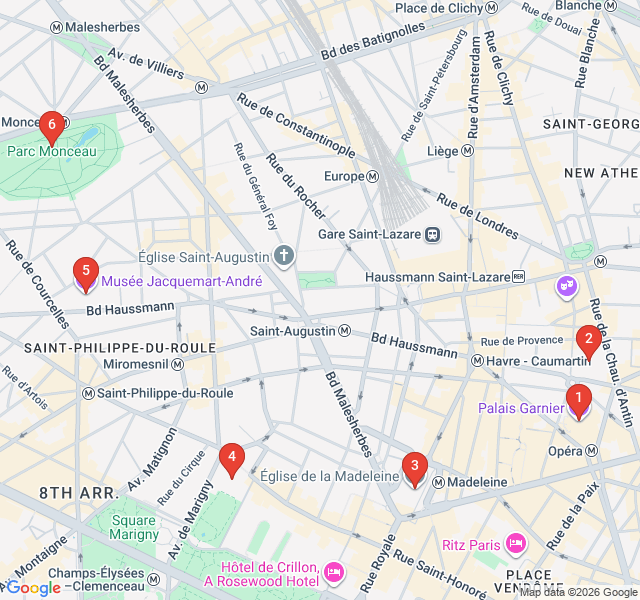
Numbers indicate the order of stops on the tour
Welcome to the starting point of your self-guided walk, the Palais Garnier. Commissioned by Napoleon III and designed by Charles Garnier, this masterpiece of 19th-century architecture was completed in 1875. It is the ultimate expression of the 'Beaux-Arts' style, blending elements of Baroque, Classicism, and Renaissance design. Look up at the facade to see the intricate sculptures, including the famous 'The Dance' by Jean-Baptiste Carpeaux. This building was the primary setting for Gaston Leroux's 'The Phantom of the Opera.' While it primarily hosts ballets today, its interior of marble, gold leaf, and a ceiling painted by Marc Chagall remains one of the most luxurious sights in Paris. It perfectly represents the theatricality and wealth of the era when Baron Haussmann was reshaping the city.
Just behind the Opera, enter the legendary Galeries Lafayette department store. While the luxury shopping is a draw, make your way to the top floor to reach the free rooftop terrace. From here, you get a bird’s-eye view of Haussmann’s Paris. Notice the uniform height of the cream-colored limestone buildings and the zinc-grey rooftops that stretch toward the Eiffel Tower and Montmartre. This 'homogeneity' was a strict rule during the city's renovation to create a sense of order. Before you leave the building, don't miss the stunning Art Nouveau stained-glass dome in the center of the store, which was inaugurated in 1912 and remains a symbol of the city's golden age of commerce.
As you walk toward the Place de la Madeleine, you are greeted by what looks like a Greek temple rather than a traditional church. This is the Église de la Madeleine. Originally intended by Napoleon Bonaparte to be a 'Temple of Glory' dedicated to his 'Grande Armée,' it was eventually consecrated as a church in 1842. Its 52 Corinthian columns stand 20 meters high, creating an imposing presence at the end of Rue Royale. The lack of crosses or bell towers on the exterior often confuses visitors, but inside, you will find a magnificent organ and a mosaic depicting the history of Christianity in France. It serves as a grand anchor for the surrounding luxury food boutiques and historic restaurants.
You are now standing near the Rue du Faubourg Saint-Honoré, home to the Élysée Palace. Since 1848, this has been the official residence of the President of the French Republic. Originally built in 1722 for the Count of Évreux, it has hosted figures ranging from Madame de Pompadour to Napoleon himself. While the palace is heavily guarded and only open to the public during the annual Heritage Days in September, its exterior and the high-security presence remind us that this neighborhood is the beating heart of French political power. The surrounding streets are also famous for high-end fashion houses and embassies, reflecting the transition from imperial grandeur to modern republican governance.
Moving north, we find the Musée Jacquemart-André, a magnificent private mansion built during the Second Empire. It was the home of Édouard André and Nélie Jacquemart, a wealthy couple who spent their lives traveling Europe to collect rare art and furniture. This stop offers a rare look inside a 'Hôtel Particulier' as it would have looked during Haussmann’s time. The grand staircase, the winter garden, and the private apartments are preserved with their original decor. It provides a more intimate perspective on the lives of the Parisian elite who benefitted from the city's 19th-century modernization. The mansion remains one of the finest examples of the private luxury that thrived behind the public boulevards.
Our walking route concludes at Parc Monceau, perhaps the most elegant park in Paris. Unlike the formal French gardens of the Tuileries, this park was designed in the English style with winding paths and informal groupings of trees. Baron Haussmann's engineer, Adolphe Alphand, renovated it in 1861. As you stroll, look for the 'follies'—architectural curiosities like the Roman colonnade, a pyramid, and a Chinese bridge. The park is surrounded by some of the most expensive real estate in the city, and its wrought-iron gates, adorned with gold leaf, are a photographer's dream. It is the perfect place to sit and reflect on the grand vision that transformed Paris into the masterpiece you see today.
Download Zigway to experience "Haussmann’s Grand Vision: Opera to Monceau" with AI-powered audio narration. Walk at your own pace while stories unfold around you.
 Challenging
Paris, France
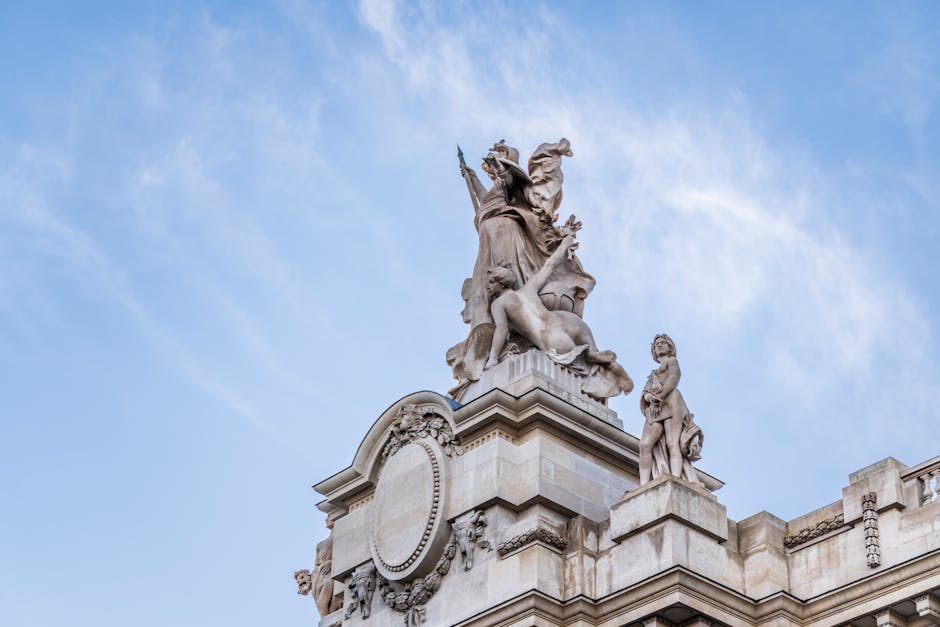
Explore the secret vineyards, legendary artist studios, and hidden squares of Paris's iconic hilltop on this self-guided bohemian walking route.
 Easy
EasyParis, France
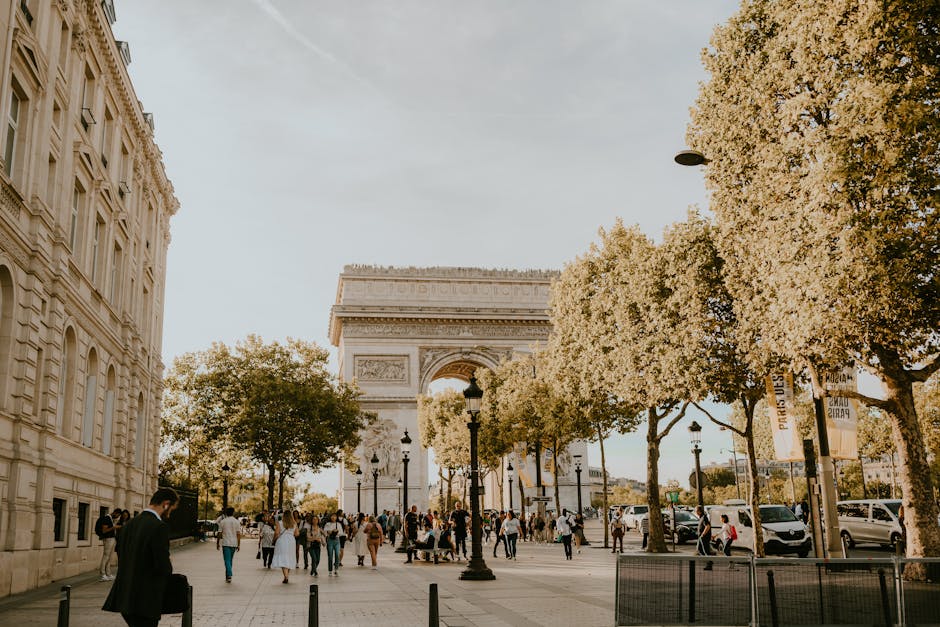
Explore the evolution of Parisian design from Art Nouveau whimsy to Le Corbusier's Modernist masterpieces on this self-guided architectural walk.
 Easy
EasyParis, France
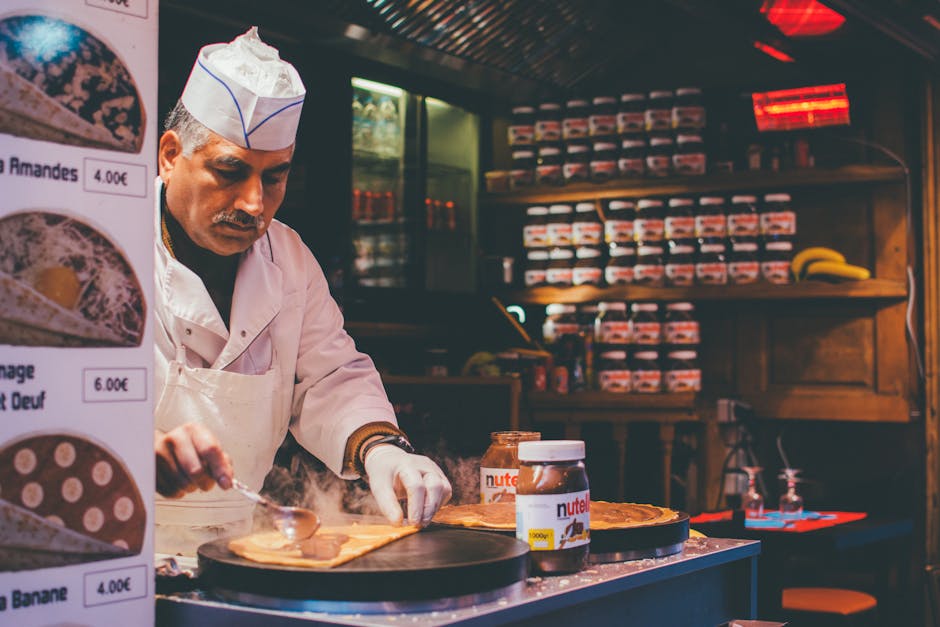
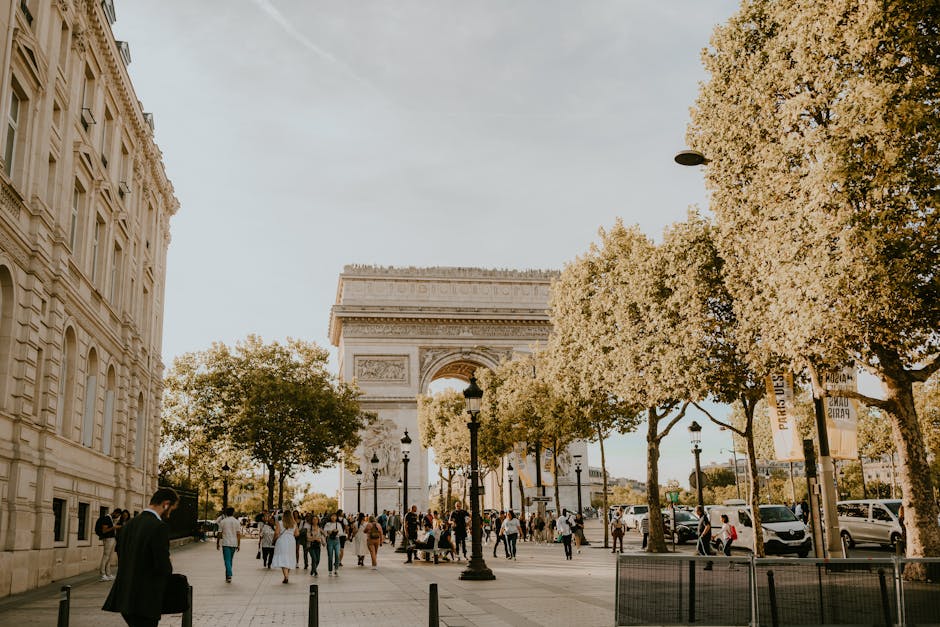
Explore the flavors and history of Bastille on this self-guided walk through the legendary Aligre Market and the scenic Coulée Verte.
 Easy
EasyParis, France
Discover aristocratic mansions, secret medieval courtyards, and royal history on this self-guided walk through the enchanting Marais district.
 Easy
EasyGdansk, Poland
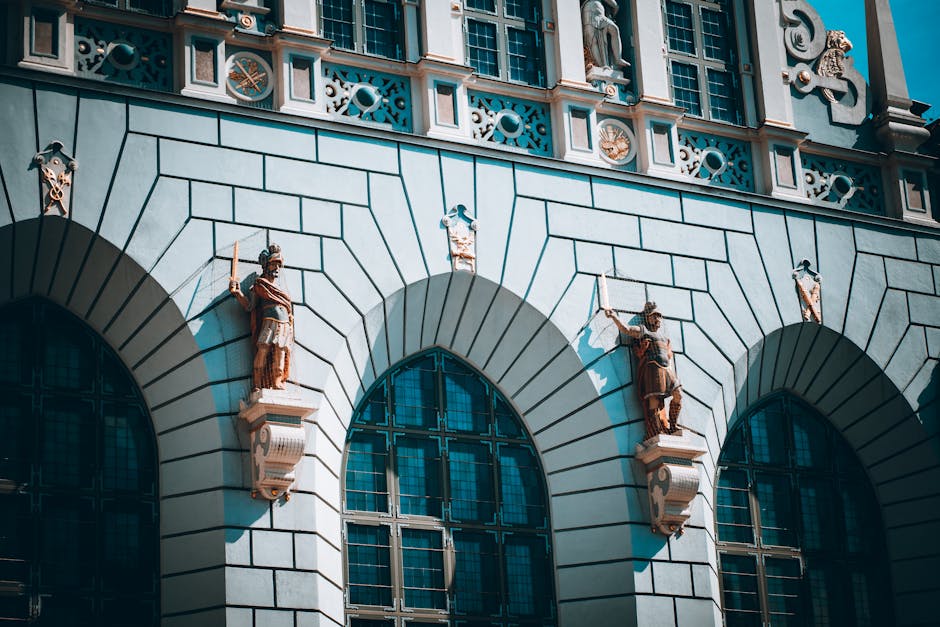
Discover the opulent Royal Way of Gdansk at your own pace. Explore Hanseatic history, gilded architecture, and the iconic Neptune's Fountain.
 Easy
EasyGdansk, Poland
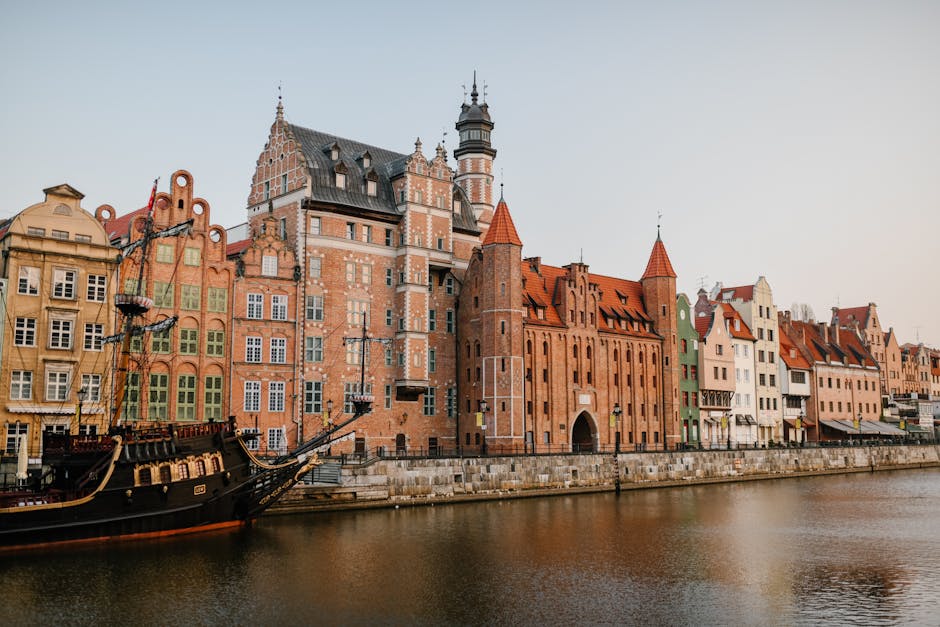
Discover the 'Baltic Gold' on this self-guided walk through Gdansk's historic mills, massive cathedrals, and the magical Mariacka Street.
 Easy
EasyWarsaw, Poland
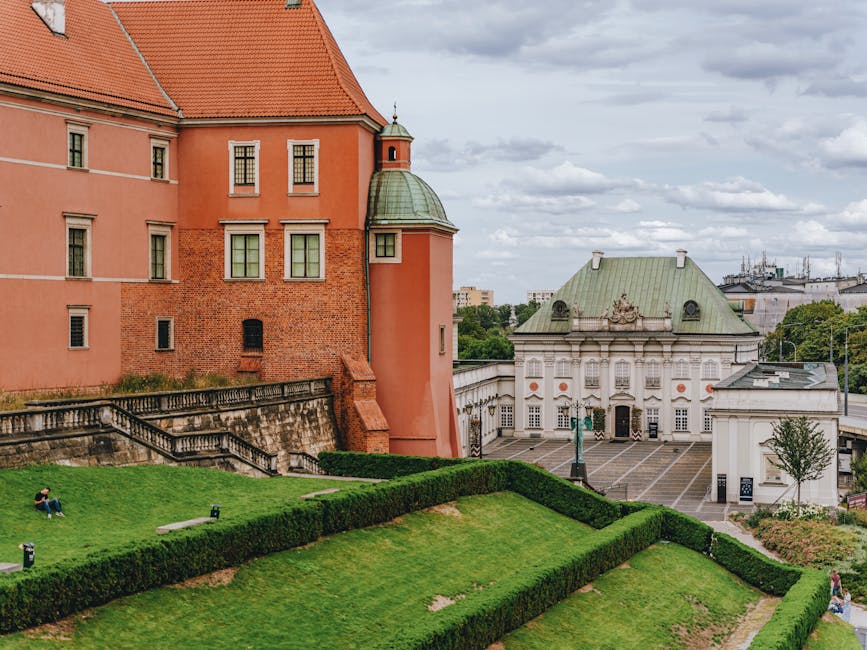
Explore the miracle of Warsaw's reconstructed Old Town on this self-guided walk through royal squares, medieval walls, and heroic monuments.
 Moderate
Gothenburg, Sweden
Discover Gothenburg’s maritime soul on this self-guided walk from the historic Central Station to the scenic riverfront at Stenpiren.
 Easy
EasyLyon, France
Discover Lyon's culinary soul on this self-guided walk from historic Presqu'île to the legendary Halles Paul Bocuse food market.
 Easy
EasyLyon, France
Explore Lyon’s futuristic waterfront! A self-guided walk through Confluence’s bold architecture and reclaimed industrial docks.
 Easy
EasyLyon, France
Discover the multicultural soul and industrial heritage of Lyon's 7th arrondissement on this vibrant self-guided walking route.
 Moderate
Lyon, France
Ascend the 'Hill that Prays' to explore Roman ruins, a shimmering basilica, and secret panoramic gardens on this historic self-guided walk in Lyon.
