Step back in time to an era when Ghent was one of the largest and most prosperous cities in Europe. This self-guided walk through the city's historic core reveals a landscape dominated by soaring stone towers, stepped gables, and a formidable fortress that looks as though it was lifted from a storybook. As you explore this neighborhood stroll, you will encounter the architectural legacy of the Middle Ages, where the wealth of powerful guilds and the piety of medieval citizens shaped the skyline. The route follows the banks of the Lys river, where the Graslei and Korenlei quays remain as testament to Ghent's status as a bustling inland port. What makes this walking route special is the sheer density of history within a compact, pedestrian-friendly area. You can witness the 'Three Towers of Ghent'—the Belfry, Saint Nicholas' Church, and Saint Bavo's Cathedral—aligned in a perfect row, a sight that has defined the city's profile for centuries. This architecture-focused journey also takes you past the Great Butchers' Hall and culminates at the Castle of the Counts, a rare example of a medieval castle with an intact defense system located right in the city center. Exploring independently allows you to linger by the water or admire the intricate stone carvings of the guild houses without the constraints of a rigid schedule. Whether you are a fan of Gothic aesthetics or simply enjoy the atmosphere of a well-preserved historic city, this walking route Ghent offers an immersive experience into the medieval soul of Flanders. Discover the stories of the counts of Flanders, the rebellious spirit of the city’s inhabitants, and the artistic treasures that have survived through the ages, all at your own pace.
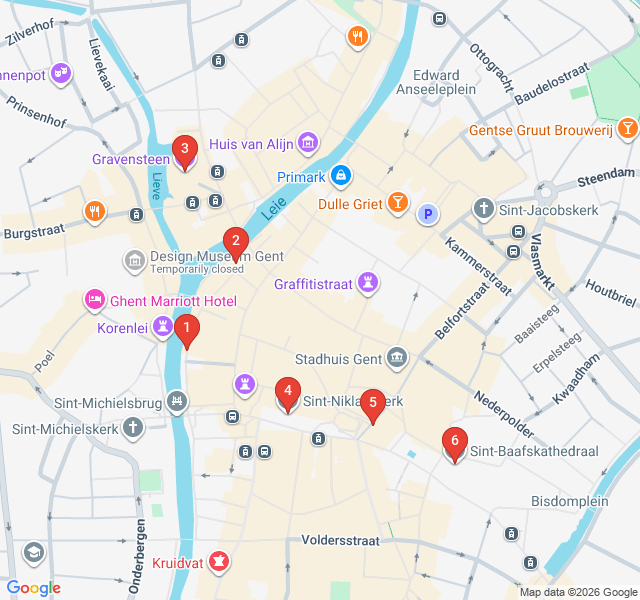
Numbers indicate the order of stops on the tour
Welcome to the Graslei, often called the most beautiful spot in Ghent. This was the city's primary harbor from the 11th century onwards. Look across the water at the row of historic buildings; these are guild houses, each representing a different trade. The tiny 'Tolhuisje' or Toll House, where taxes were collected on grain, is one of the smallest buildings in the city. Notice the variety in architectural styles, from the Romanesque Spijker (the oldest granary in the world) to the ornate Renaissance and Baroque facades. This quay was the beating heart of Ghent's economy, where ships from across Europe docked to trade their goods.
The Groot Vleeshuis, or Great Butchers' Hall, dates back to the early 15th century. In medieval times, selling meat was strictly regulated and could only take place in centralized halls like this to ensure freshness and quality. Look up at the impressive wooden roof structure; the oak beams have supported this massive hall for over 600 years. Traditionally, Ganda hams were hung from these rafters to cure in the drafty hall. Today, the building serves as a center for regional East Flemish products, preserving its connection to the culinary heritage of the region while showcasing its magnificent late-Gothic architecture.
The Gravensteen, or Castle of the Counts, is a true medieval fortress. Built in 1180 by Count Philip of Alsace, it was designed to show the citizens of Ghent who was in charge. With its imposing battlements, a moat, and a keep, it is one of the best-preserved castles of its kind in Europe. Throughout its long history, it has served as a residence for the Counts of Flanders, a court, a prison, and even a cotton factory. As you stand before its heavy stone walls, imagine the knights and counts who once walked these grounds, and the strategic importance this stronghold held in the defense of Flanders.
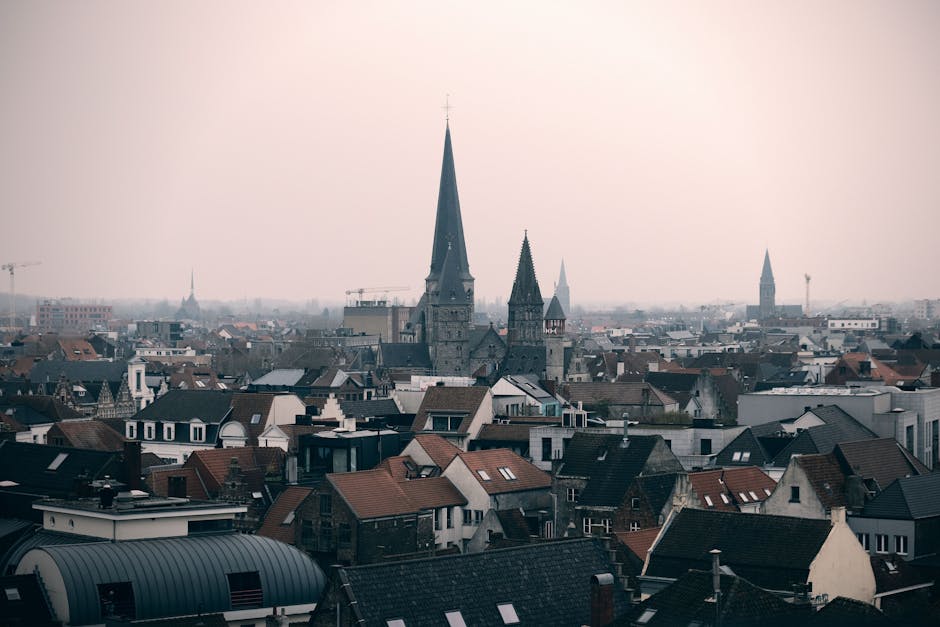
This striking building is Saint Nicholas' Church, a prime example of the Scheldt Gothic style. Built in the 13th century using a distinct blue-gray stone from the Tournai region, it was the church of choice for Ghent’s wealthy merchants and guilds. Unlike many churches where the tower is at the entrance, Saint Nicholas features a central lantern tower that allows light to flood the transept. Its location near the Korenmarkt, the old grain market, made it a focal point for the city's commercial life. Inside, you can find a magnificent organ built by the famous French organ builder Aristide Cavaillé-Coll.
Standing 91 meters tall, the Belfry is a symbol of Ghent’s independence and power. Unlike the church towers, the Belfry was a secular building, used to keep watch over the city and house the municipal archives. At the very top, look for the gilded dragon, the city's mascot and protector since the 14th century. The Belfry is part of a UNESCO World Heritage site and houses a carillon of 54 bells. In medieval times, the bells didn't just tell time; they signaled the opening of the city gates, fire alarms, and the start of workdays, regulating the rhythm of life for everyone in Ghent.
Your journey concludes at Saint Bavo's Cathedral, a masterpiece of Gothic architecture that took centuries to complete. This site was originally home to a 10th-century wooden chapel, but today it houses some of the world’s most significant art. The cathedral is most famous for being the home of the 'Adoration of the Mystic Lamb' by the Van Eyck brothers, a foundational work of Northern Renaissance art. Look at the towering exterior and the intricate stone carvings; this building represents the pinnacle of religious devotion and wealth in medieval Ghent. It is also the place where Emperor Charles V was baptized in 1500.
Download Zigway to experience "The Medieval Heart of Ghent" with AI-powered audio narration. Walk at your own pace while stories unfold around you.
 Challenging
Ghent, Belgium
Explore Ghent's gritty past and modern rebirth on this self-guided walking route through the historic Northern Docks and industrial heritage sites.
 Easy
EasyGhent, Belgium
Explore Ghent’s bold architectural evolution from medieval markets to modernist icons on this self-guided walking route through the city center.
 Easy
EasyGhent, Belgium
Discover the sugary secrets of Ghent on this self-guided stroll through historic bakeries, candy shops, and artisanal chocolatiers.
 Easy
EasyGhent, Belgium
Explore Ghent's historic Patershol district, a medieval maze of narrow alleys, legendary Jenever bars, and the city's finest culinary hidden gems.
 Easy
EasyNairobi, Kenya
Discover Nairobi's iconic skyline on this self-guided architecture walk through the CBD’s most famous modernist and Brutalist landmarks.
 Easy
EasyGdansk, Poland
Discover the opulent Royal Way of Gdansk at your own pace. Explore Hanseatic history, gilded architecture, and the iconic Neptune's Fountain.
 Easy
EasyGothenburg, Sweden
Discover Gothenburg’s 17th-century Dutch foundations, historic canals, and military fortifications on this self-guided architectural walk.
 Easy
EasyNairobi, Kenya
Explore Nairobi's architectural evolution from colonial-era landmarks to iconic Brutalist skyscrapers on this historic self-guided walking route.
 Easy
EasyBrussels, Belgium
Discover the colorful world of Belgian comics on this independent walking route through the creative streets and murals of central Brussels.
 Moderate
Brussels, Belgium
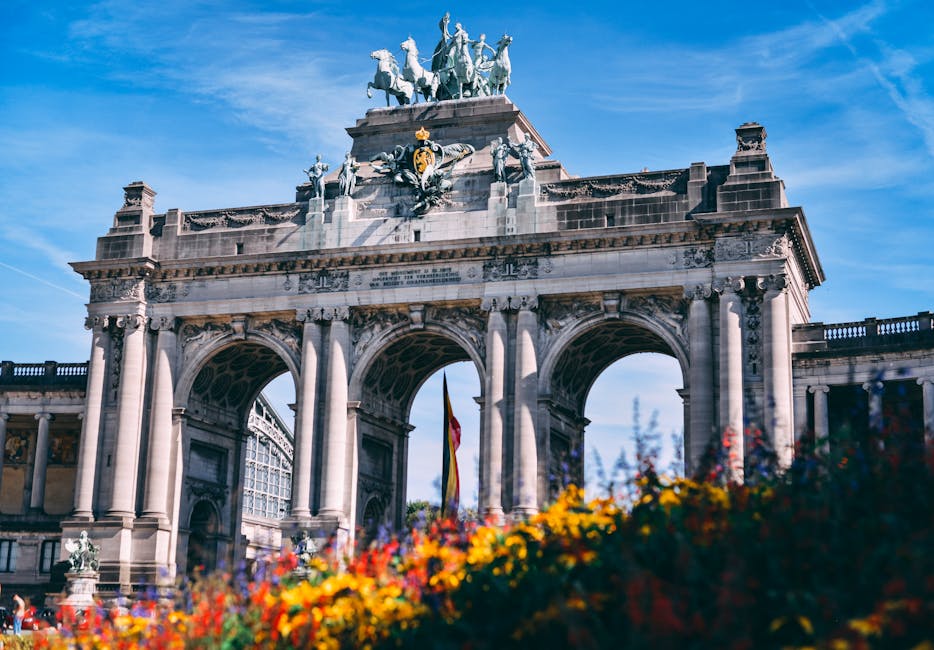
Explore the majestic Royal Quarter, from Art Nouveau gems to the King's Palace and the iconic views of Mont des Arts on this self-guided walk.
 Moderate
Brussels, Belgium
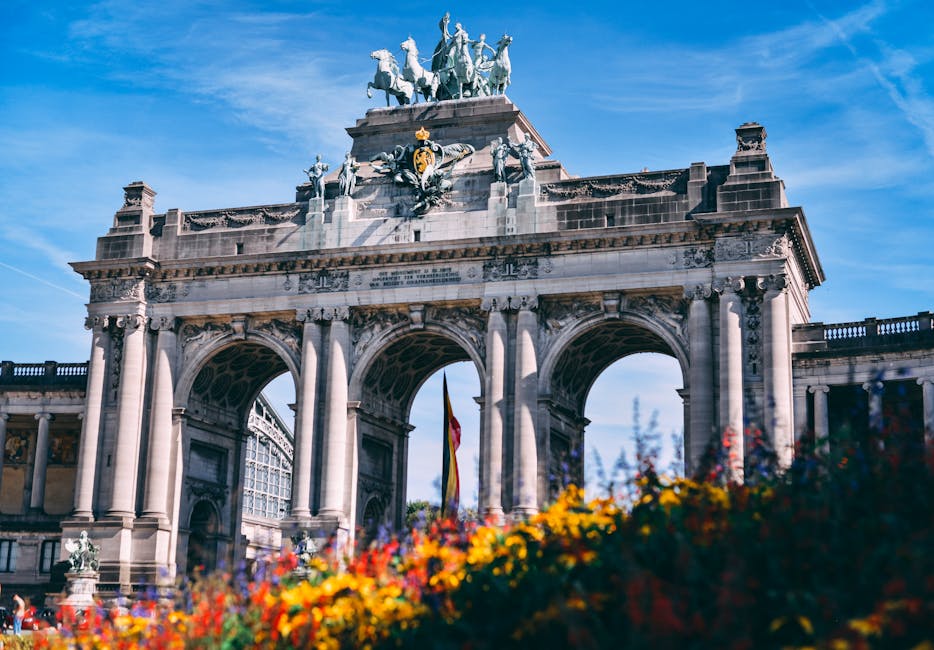
Explore Brussels' industrial heart and artistic rebirth on this self-guided walk through Molenbeek and the Canal district's iconic landmarks.
 Moderate
Brussels, Belgium
Discover Brussels' Art Nouveau masterpieces at your own pace, from Victor Horta's UNESCO sites to the flamboyant Maison Saint-Cyr.
