Walking through the Jodenbuurt, or Jewish Quarter, is more than just a stroll; it is an encounter with the resilience of a community that has shaped Amsterdam's identity for centuries. This neighborhood stroll invites you to explore the layered history of the city, from the prosperity of the Dutch Golden Age to the somber echoes of the Second World War. As you begin your self-guided adventure, you will find yourself in a district that was once the heart of Jewish life in Europe, a place where philosophers like Spinoza once walked and where grand synagogues rose as symbols of religious freedom. This walking route takes you past iconic landmarks that tell a story of both triumph and tragedy. You can discover the architectural grandeur of the Portuguese Synagogue, an 17th-century marvel that remains largely unchanged since its completion. Nearby, the modern landscape shifts to a place of deep reflection at the National Holocaust Names Monument, where over 102,000 bricks bear the names of those who never returned. Unlike a typical walking tour Amsterdam offers, this audio walk allows you to linger at these sites of memory, offering the space and silence necessary to absorb the weight of the history around you. Beyond the major monuments, this journey leads you to hidden gems like the Schaduwkade, a quiet canal-side memorial that personalizes the scale of loss by listing the names of deported residents directly across from their former homes. You will also explore the serene Wertheimpark and finish your journey at the home of one of history’s greatest artists, Rembrandt, who lived and worked amongst this vibrant community. By choosing to explore independently, you can set your own pace, perhaps stopping for a coffee by the Amstel or spending extra time in the many museums that line this route. This self-guided walk is an essential experience for anyone wishing to understand the soul of Amsterdam and the enduring spirit of its Jewish heritage.
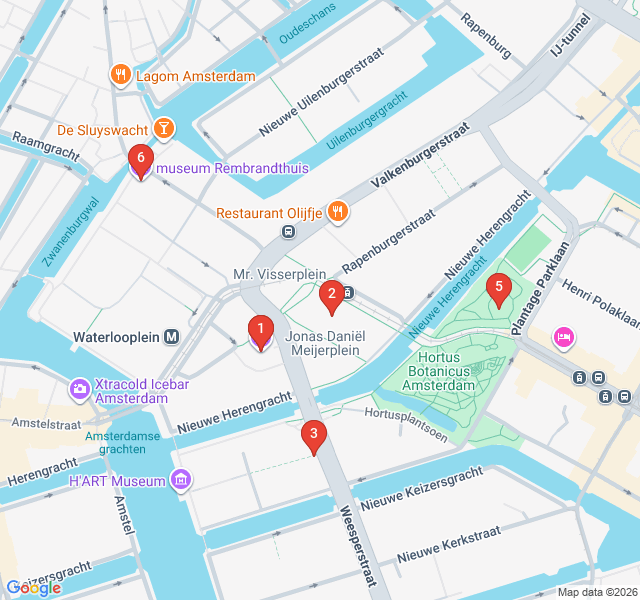
Numbers indicate the order of stops on the tour
Start exploring with Zigway here at the Jewish Museum, located in the heart of the old Jewish Quarter. This isn't just one building, but a complex of four monumental synagogues dating back to the 17th and 18th centuries. The museum offers a deep dive into the history, culture, and religion of Jews in the Netherlands. As you stand before these structures, consider that until the mid-20th century, this area was the center of a thriving community of over 80,000 people. The museum highlights the integration of Jewish culture into Dutch society and the devastating impact of the Holocaust, serving as both a celebration of life and a place of remembrance.
Known to the locals as the 'Esnoga,' this magnificent building was completed in 1675. At the time, it was the largest synagogue in the world, a testament to the wealth and influence of the Sephardic Jewish community who fled the Inquisition in Spain and Portugal. One of its most remarkable features is that it still has no electric heating or lighting; it is illuminated by the glow of over 1,000 candles during evening services. Notice the fine sand on the wooden floor, a traditional Dutch way to absorb moisture and muffle the sound of footsteps. It stands as a rare survivor of the Second World War, remaining largely intact.
This striking memorial, designed by world-renowned architect Daniel Libeskind, was unveiled in 2021. It consists of high brick walls arranged in the shape of four Hebrew letters that spell out a word meaning 'In Memory Of.' Each of the 102,000 bricks is inscribed with the name, date of birth, and age of a Dutch victim of the Holocaust who has no known grave. As you walk through the narrow passages between the walls, the sheer scale of the loss becomes tangible. The reflective steel surfaces atop the brick walls mirror the sky and the surrounding city, symbolizing the void left in the fabric of Amsterdam.
Located along the Nieuwe Keizersgracht, the Schaduwkade is a deeply personal and local memorial. Look across the canal at the houses; then, look at the metal plates on the canal wall where you are standing. Each plate bears the name of a Jewish resident who was deported from the house directly opposite. This 'Shadow Quay' serves to bridge the gap between the past and the present, reminding us that the tragedy of the Holocaust happened in these specific doorways and behind these very windows. It is a quiet, contemplative spot that honors the individuals who were once part of the daily life of this neighborhood.
Wertheimpark is the oldest park in Amsterdam, but it holds a significant place in the city's modern memory. Inside, you will find the Auschwitz Monument, created by artist and writer Jan Wolkers. The monument consists of broken mirrors laid upon the ground, titled 'No More Auschwitz.' The cracked glass is intended to reflect the sky, symbolizing that the heavens are no longer whole after the horrors that took place. It is a site of annual commemoration every January. The park itself offers a peaceful moment of respite, surrounded by the greenery that has seen the neighborhood change through the centuries.
Your neighborhood stroll concludes at the Jodenbreestraat, where the master painter Rembrandt van Rijn lived from 1639 to 1658. Rembrandt chose this area specifically because it was a bustling, diverse neighborhood. He often used his Jewish neighbors as models for his biblical paintings, seeking a sense of authenticity that was revolutionary at the time. Although he was not Jewish himself, his life was intricately woven into the community here. The house has been meticulously restored to look as it did in the 17th century, offering a glimpse into the creative heart of the Golden Age and the multicultural atmosphere that defined this district long ago.
Download Zigway to experience "Echoes of Resistance: Jewish History in Amsterdam" with AI-powered audio narration. Walk at your own pace while stories unfold around you.
 Easy
EasyAmsterdam, Netherlands
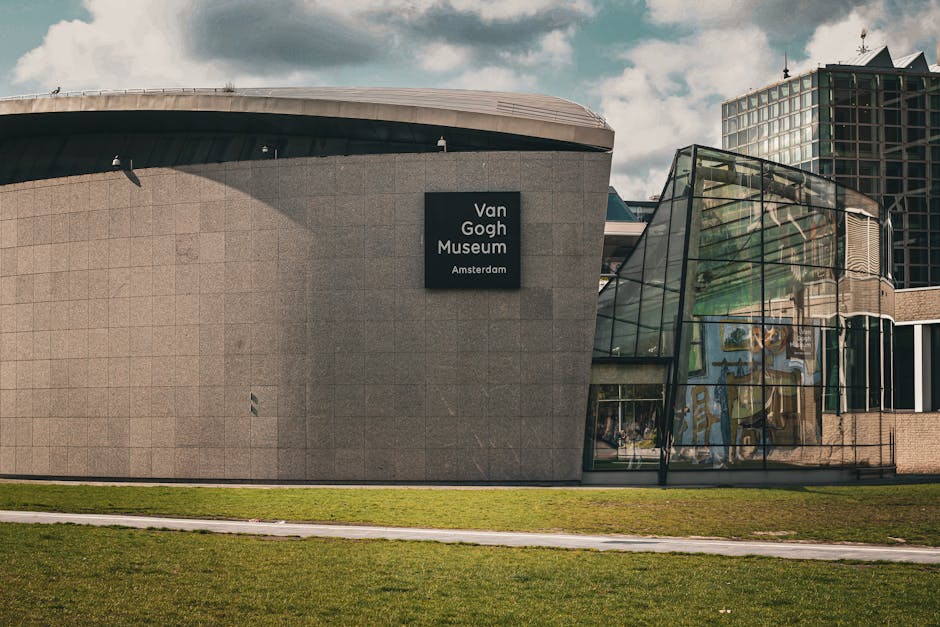
Discover Amsterdam's cultural heart on this self-guided walk from the iconic Museumplein to the serene blooming gardens of Vondelpark.
 Easy
EasyAmsterdam, Netherlands
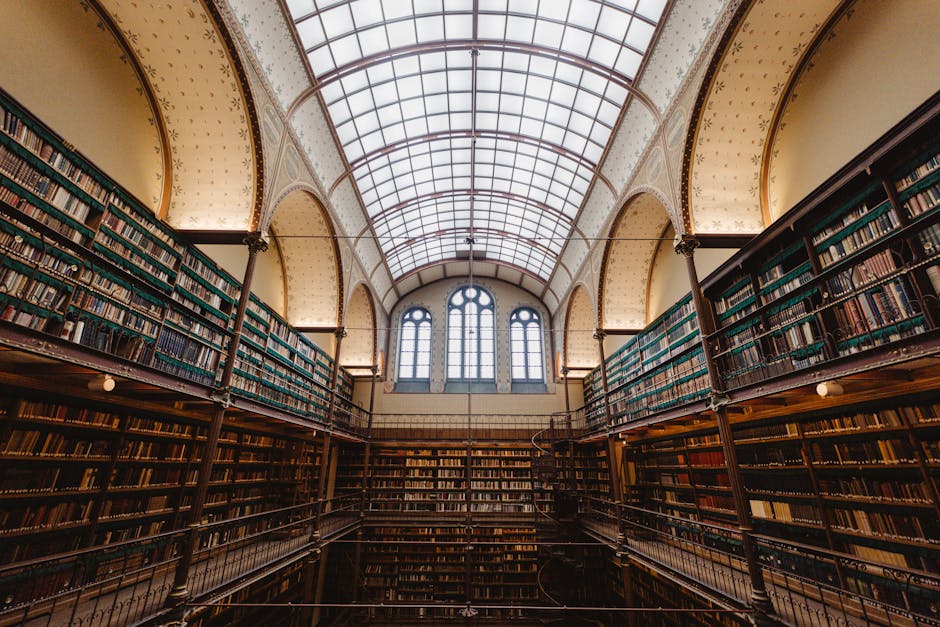
Discover Amsterdam's literary heart on this self-guided walk through historic bookshops, writers' haunts, and the homes of revolutionary thinkers.
 Easy
EasyAmsterdam, Netherlands
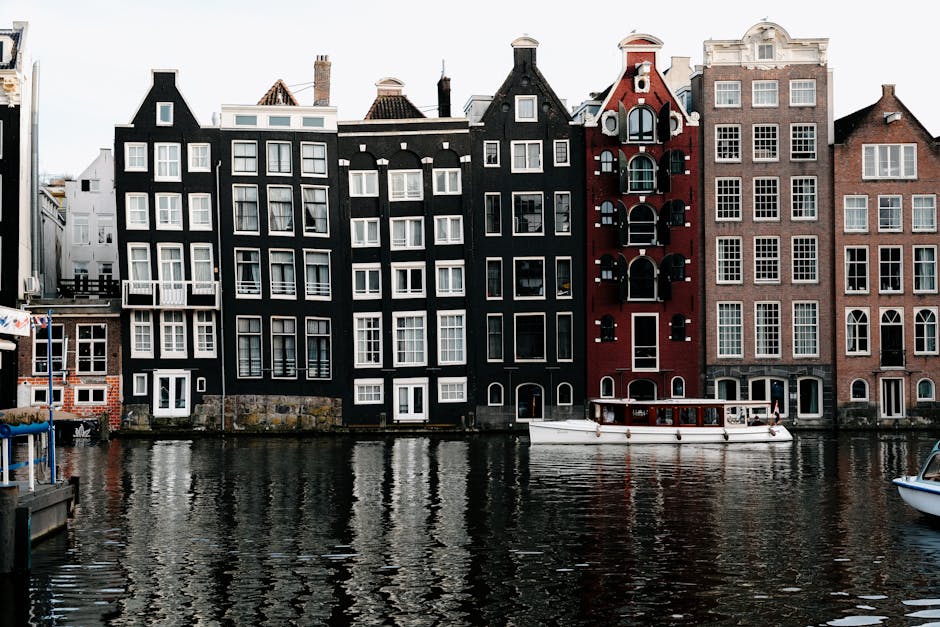
Capture the magic of Amsterdam with this self-guided photography walk across the iconic bridges and scenic banks of the Amstel River.
 Easy
EasyAmsterdam, Netherlands
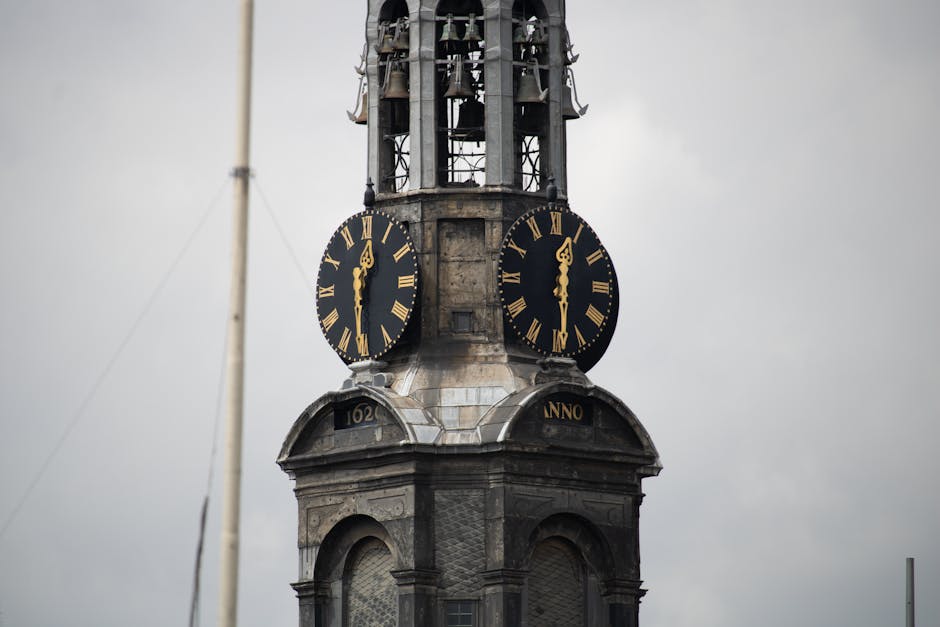
Discover the opulent 17th-century mansions and rich history of Amsterdam's famous Canal Belt on this self-guided architectural walking route.
 Easy
EasyKrakow, Poland
Explore the prestigious Jagiellonian University district, featuring Neo-Gothic architecture, Baroque churches, and Krakow's hidden scholarly gems.
 Moderate
Gdansk, Poland
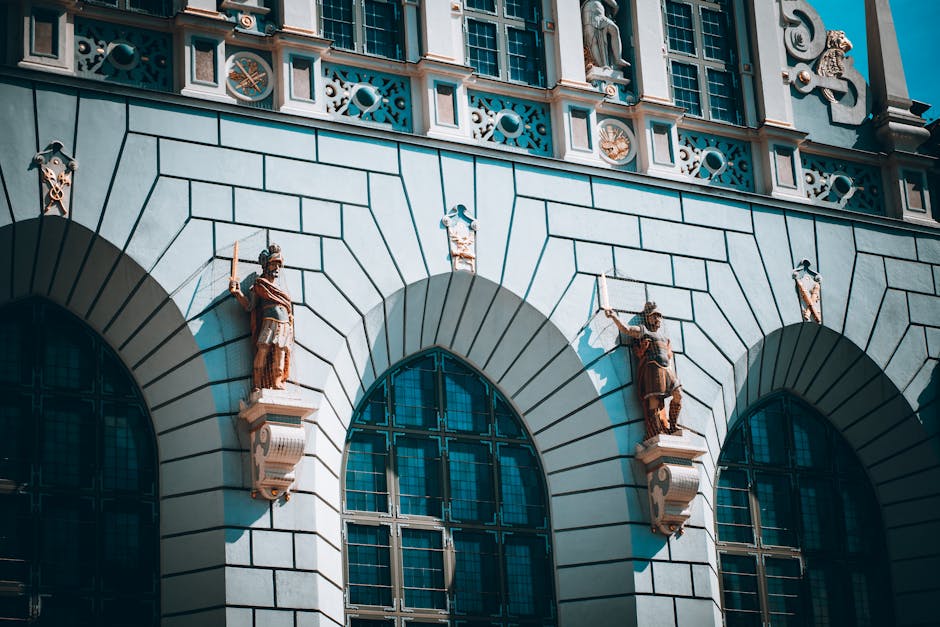
Discover the origins of WWII in Gdansk on this self-guided walk through heroic last stands, massive museums, and strategic hilltop fortifications.
 Moderate
Warsaw, Poland
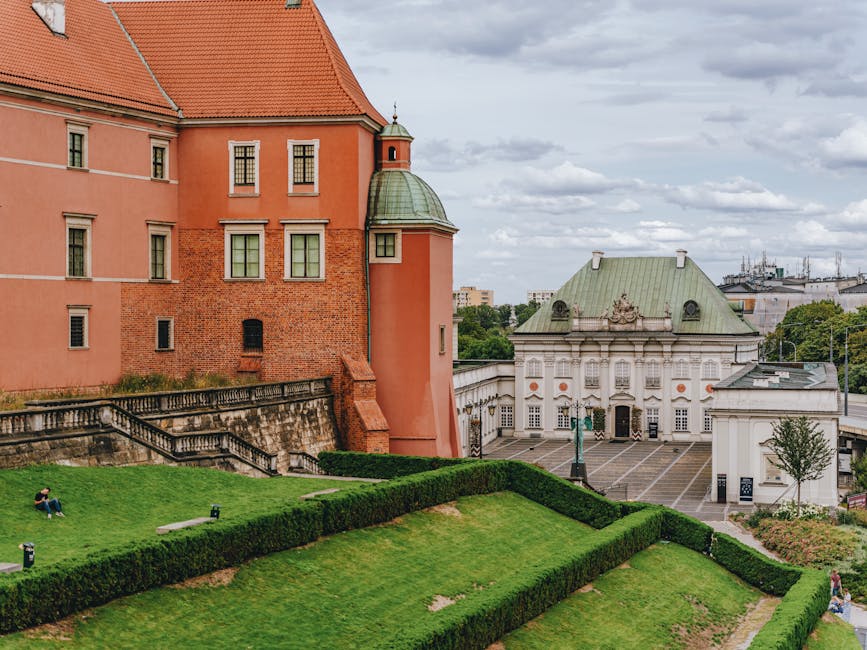
Explore the resilient spirit of Warsaw's Muranów district on this self-guided walk through the history and landmarks of the former Jewish Ghetto.
 Easy
EasyNairobi, Kenya
Discover Nairobi’s literary soul on this self-guided walk through historic libraries, iconic bookshops, and cultural centers in the heart of the CBD.
 Easy
EasyRotterdam, Netherlands
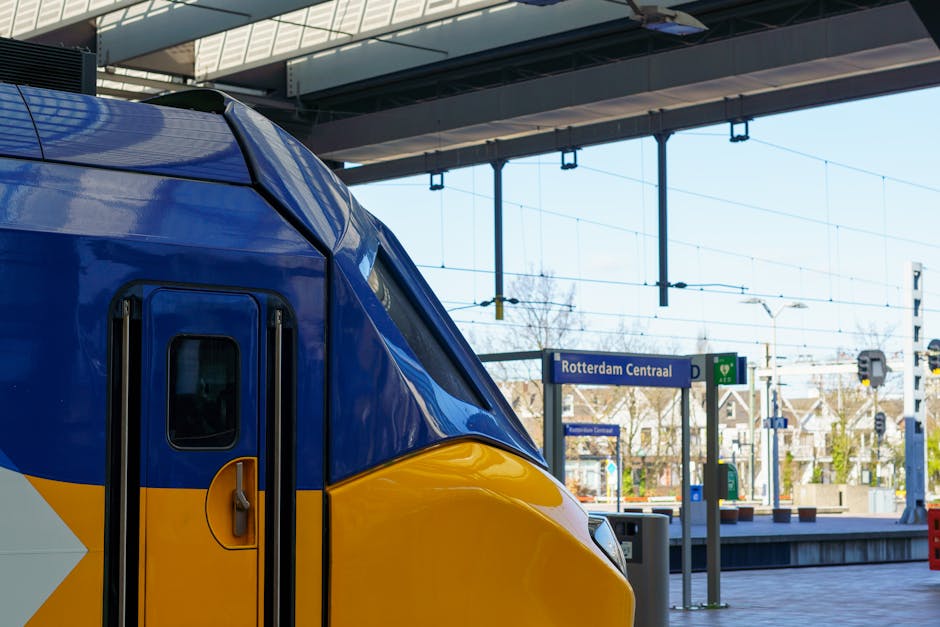
Explore Rotterdam’s cultural heart on this self-guided walk through world-class museums, modernist villas, and futuristic architectural landmarks.
 Easy
EasyRotterdam, Netherlands
Capture Rotterdam's iconic skyline and historic bridges on this scenic self-guided photography walk along the Maas River and Noordereiland.
 Moderate
Rotterdam, Netherlands
Explore Rotterdam’s lush side through secret gardens, historic harbors, and the elegant 19th-century Shipping Quarter on this self-guided walk.
 Easy
EasyRotterdam, Netherlands
Explore Rotterdam's neon-lit streets and vibrant nightlife at your own pace with this independent audio walk through the city's coolest districts.
