Poblenou, once known as the 'Manchester of Catalonia,' offers one of the most fascinating architectural journeys in Barcelona. This self-guided walk invites you to explore a neighborhood in constant flux, where the soot-stained chimneys of the 19th century now stand alongside the shimmering glass facades of the 22@ innovation district. Unlike the crowded Gothic Quarter, a neighborhood stroll through Poblenou reveals a spacious, forward-thinking side of the city that prioritizes design, creativity, and urban renewal. Your walking route begins at the Plaça de les Glòries Catalanes, a massive urban project that serves as the gateway to this industrial-turned-tech landscape. From here, you will encounter some of the most striking examples of contemporary architecture in Europe. The route leads you past the iconic Torre Glòries and the Design Museum, delving into the heart of the old industrial blocks where abandoned factories have been reborn as lofts, galleries, and coworking spaces. One of the highlights is the Can Framis Museum, an architectural masterpiece that seamlessly blends old brickwork with modern concrete. As you move away from the tech hubs, the atmosphere shifts on the Rambla del Poblenou. This is the local soul of the district, a tree-lined boulevard where traditional tapas bars and family-run shops maintain the village-like feel that residents have cherished for generations. The walk concludes at the Mediterranean shore, offering a refreshing contrast to the urban exploration. This experience is perfect for those who want to see how Barcelona is reinventing itself for the 21st century. Whether you are interested in the history of the industrial revolution or the future of urban design, this self-guided adventure provides a comprehensive look at a neighborhood that is both historic and cutting-edge. It is an easy, flat walk that showcases a side of the city often missed by those on a standard walking tour Barcelona experience. Discover the artistic enclaves of Palo Alto and the sun-drenched sands of Bogatell Beach at your own pace. **Note:** This area is known for its ever-changing character. Street art, pop-up venues, and temporary exhibitions may differ from what's described. That's part of the adventure - you might discover something entirely new!
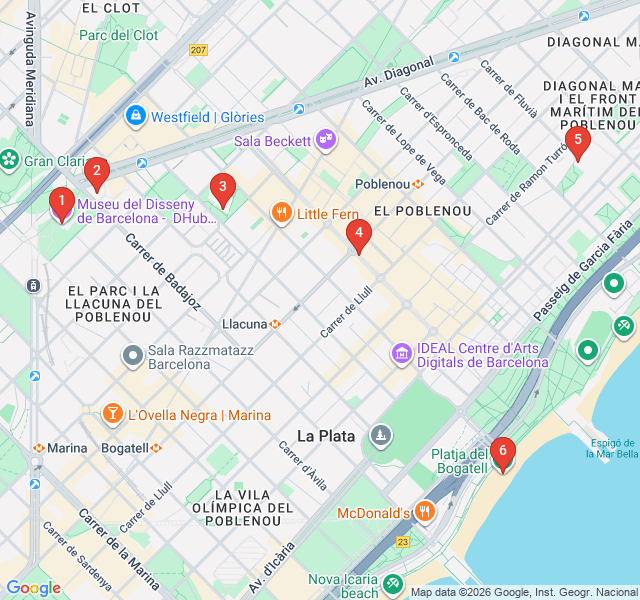
Numbers indicate the order of stops on the tour
Start your journey at the Disseny Hub Barcelona, a building that looks like a giant stapler. This is the city's headquarters for all things design, fashion, and decorative arts. The architecture itself, designed by MBM Arquitectes, is a statement of intent for the 22@ district. It serves as a bridge between the old Glòries square and the new Poblenou. Take a moment to appreciate how the building cantilevers over the plaza. The exhibits inside change frequently, often showcasing how Barcelona has used design to solve urban problems. Even if you do not head inside, the surrounding gardens and water features offer a glimpse into the city's commitment to public spaces that are both functional and aesthetic.
Standing 144 meters tall, this bullet-shaped tower is one of Barcelona's most recognizable landmarks. Designed by Jean Nouvel, it was inspired by the jagged peaks of Montserrat and the rising plumes of a geyser. The exterior is covered in thousands of glass louvers that change color depending on the light. If you are here at night, the tower often glows with 4,500 LED devices. It was originally the headquarters of the Agbar water company, symbolizing the fluid nature of the building's design. Today, it houses offices and an observation deck. It is the perfect symbol of Poblenou's shift from heavy industry to the high-tech service economy.
This stop is a masterclass in urban recycling. Once a 18th-century wool factory, Can Framis was transformed into a museum for contemporary Catalan painting. The architects at b720 focused on the 'scars' of the building, keeping the original weathered brickwork and contrasting it with smooth, gray concrete. The courtyard is a quiet sanctuary of birch trees and ivy, hidden from the surrounding city noise. It is part of the Vila Casas Foundation and represents the neighborhood's dedication to preserving industrial heritage through culture. Note how the museum sits lower than the modern street level, a reminder of the original topography of the area before the tech hub expansion.
Transition from the steel and glass of the tech district to the social heart of the neighborhood. The Rambla del Poblenou is a traditional promenade that stretches from the Gran Via all the way to the sea. Unlike the tourist-heavy La Rambla in the city center, this street belongs to the locals. You will find multi-generational families sitting at outdoor terraces, historic social clubs like the Casino l'Aliança, and some of the best orxaterias in the city. The architecture here is more modest, featuring late 19th-century residential buildings with wrought-iron balconies. It is the perfect place to pause for a coffee and observe the daily rhythm of life in this former working-class enclave.
Hidden behind high walls on Carrer dels Pellaires is Palo Alto, a former leather factory turned into a lush, green oasis for creative studios. This site is a prime example of Poblenou's 'creative factory' movement. The complex is filled with bougainvillea, climbing plants, and hidden workshops for photographers, designers, and artists. Please note that access to the interior gardens can vary; while it often hosts popular design markets on weekends, it may be closed to the public during private studio hours on weekdays. Even from the outside, the massive chimney and the industrial architecture tell the story of the neighborhood's 19th-century manufacturing boom and its 21st-century artistic rebirth.
Your walk concludes where the city meets the Mediterranean. Bogatell Beach was completely revitalized for the 1992 Olympic Games, transforming what was once a derelict industrial coastline into one of the city's cleanest and most popular beaches. Looking back toward the city, you can see the skyline you just traversed, with the Torre Glòries peeking over the apartment blocks. This area is a favorite for locals playing volleyball or jogging along the promenade. It is a fitting end to a route that showcases how Barcelona successfully balances historical industry, modern technology, and a high quality of life. Relax on the sand or enjoy a drink at a nearby chiringuito to celebrate your journey.
Download Zigway to experience "Poblenou: Factories to Tech Hubs" with AI-powered audio narration. Walk at your own pace while stories unfold around you.
 Moderate
Barcelona, Spain
Explore the elegant 'village' of Sarrià, where Gothic monasteries and Gaudí's hidden gems meet charming local markets and narrow streets.
 Moderate
Barcelona, Spain
Discover the revolutionary history and haunting scars of the Spanish Civil War on this self-guided walk through Barcelona's historic streets.
 Easy
EasyBarcelona, Spain
Discover the architectural wonders of Barcelona's Golden Square on this self-guided stroll through Eixample's most luxurious Modernista streets.
 Challenging
Barcelona, Spain
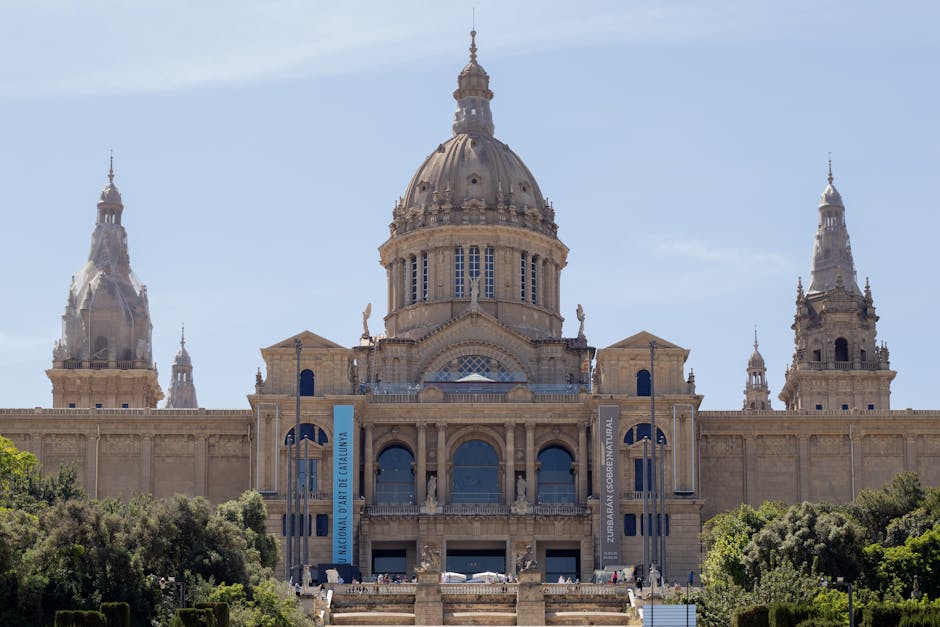
Explore Montjuïc’s lush gardens, historic fortress, and iconic Olympic venues on this scenic self-guided walk with panoramic Mediterranean views.
 Easy
EasyGothenburg, Sweden
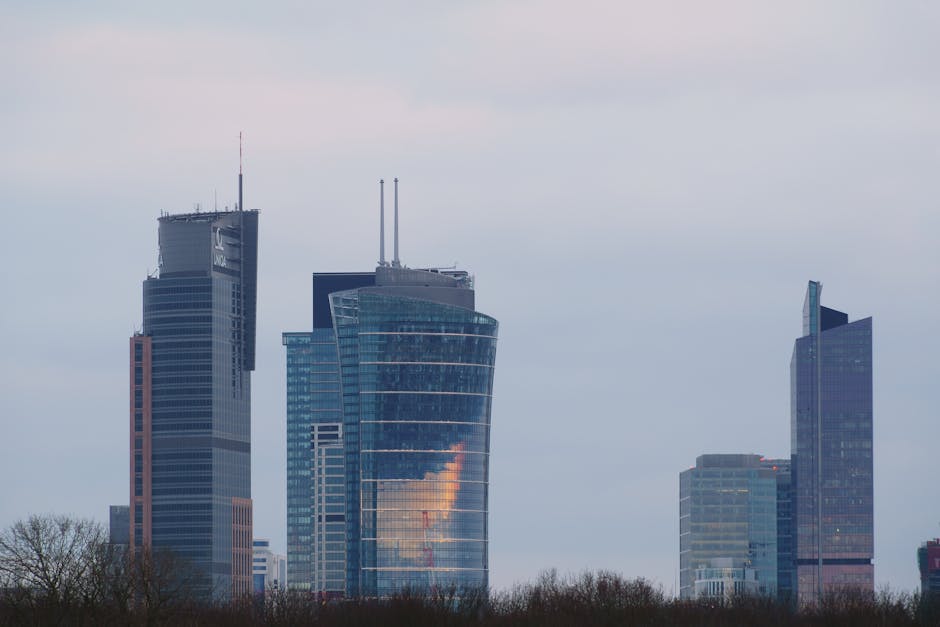
Explore Gothenburg's maritime soul on this self-guided walk from historic shipyards to sleek modern piers and iconic industrial landmarks.
 Easy
EasyWarsaw, Poland
Discover the hidden courtyards and grand pre-war architecture of Warsaw's most atmospheric neighborhood on this self-guided stroll.
 Easy
EasyGothenburg, Sweden
Explore Gothenburg's elegant academic district, featuring grand 19th-century stone architecture and the iconic cultural hub of Götaplatsen.
 Easy
EasyGothenburg, Sweden
Explore Gothenburg’s historic wooden houses, legendary giant cinnamon buns, and panoramic fortress views on this self-guided neighborhood stroll.
 Easy
EasyMadrid, Spain
Explore Madrid's 'Landscape of Light' on this self-guided walk through the world-renowned Golden Triangle of Art, from Cibeles to the Reina Sofía.
 Moderate
Madrid, Spain
Explore Madrid's most diverse neighborhood on this self-guided walk through street art, historic markets, and multicultural squares.
 Easy
EasyMadrid, Spain
Explore the royal legacy and medieval alleys of Madrid's historic Habsburg district on this immersive self-guided walk through the city's heart.
 Easy
EasyMadrid, Spain
Discover the rebellious spirit of Malasaña on this self-guided walk through Madrid's best street art, historic squares, and counter-culture hubs.
