Step into a world where time seems to slow down and the bustle of Las Ramblas feels miles away. This self-guided walk through Gràcia invites you to explore a neighborhood that was once an independent village, and in many ways, still feels like one. Unlike the grand boulevards of the Eixample, Gràcia is a labyrinth of narrow, pedestrian-friendly streets that open up into sun-drenched squares where locals gather for vermouth and conversation. This walking route Barcelona travelers often overlook provides an authentic glimpse into the daily life of the city, blending bohemian spirit with rich revolutionary history. Along the way, you will encounter the very first masterpiece of Antoni Gaudí, Casa Vicens, which stands as a colorful testament to the dawn of Modernism. You will also discover the poignant history of the Spanish Civil War reflected in the plazas that once housed underground air-raid shelters. This neighborhood stroll is not just about architecture; it is about the atmosphere. From the towering clock in Plaça de la Vila de Gràcia to the literary echoes in Plaça del Diamant, every corner tells a story of resistance, community, and artistic flair. Whether you are a fan of literature, a history buff, or a food lover looking to browse the stalls of a 19th-century market, this self-guided adventure offers a pace and perspective you won't find on a standard walking tour Barcelona itinerary. Explore the 'village within the city' at your own speed, stopping at local cafes or hidden boutiques as you soak in the unique identity of Gràcia. **Note:** This area is known for its ever-changing character. Street art, pop-up venues, and temporary exhibitions may differ from what's described. That's part of the adventure - you might discover something entirely new!
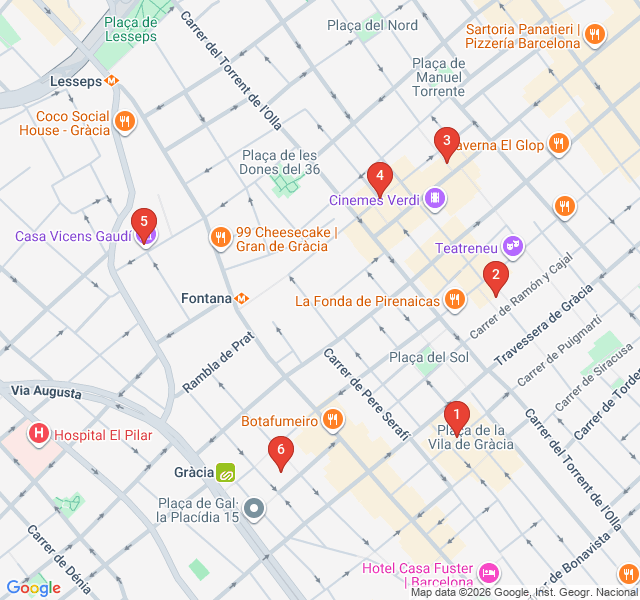
Numbers indicate the order of stops on the tour
Welcome to the heart of the old village. This square served as the administrative center when Gràcia was an independent town. The most striking feature is the 33-meter tall octagonal clock tower, built in 1862. Legend has it that during an uprising in 1870, a local woman rang the bell continuously for days to warn the citizens of approaching troops, even as the tower was being shelled. Today, it is a peaceful spot where children play and locals enjoy outdoor cafes. Look up at the town hall building to see the crest of the old village, featuring three lilies.
This square commemorates the 'Glorious Revolution' of 1868, which briefly toppled the Spanish monarchy. Gràcia has always been a hotbed of radical politics and social movements. If you look at the pavement, you might notice a strip of different colored tiles; these mark the location of a Spanish Civil War air-raid shelter hidden beneath the ground. While the entrance is usually closed, the square remains a symbol of the neighborhood's long-standing spirit of independence and resistance. It is a great place to observe the mix of traditional shops and modern boutiques that define the area.
Often cited as one of the most beautiful squares in the district, Plaça de la Virreina is dominated by the Church of Sant Joan. The square is named after the widow of a former Viceroy of Peru, who once had a grand palace here. Notice the low-rise buildings and the leafy trees that provide shade for the terrace tables. On weekends, you might encounter local markets or people practicing the Sardana, a traditional Catalan dance. The atmosphere here is quintessential Gràcia: quiet, community-focused, and seemingly untouched by the mass tourism of the city center.
This square gained international fame through Mercè Rodoreda’s novel, 'The Time of the Doves' (La Plaça del Diamant), which tells the story of a woman living through the Civil War. You can find a bronze statue of the protagonist, Colometa, in one corner. Beneath your feet lies Refugi 121, one of the best-preserved air-raid shelters in Barcelona, hand-dug by the residents of Gràcia to protect themselves from bombings. The shelter is occasionally open for pre-arranged historical visits, but even from the surface, the square's history as a site of both everyday life and wartime survival is palpable.
Prepare for a burst of color. Built between 1883 and 1885, Casa Vicens was the first house designed by Antoni Gaudí. This UNESCO World Heritage site looks markedly different from his later works like Casa Batlló. It features a heavy Orientalist influence, with vibrant ceramic tiles, intricate ironwork, and lush garden motifs. Notice the marigold-patterned tiles; Gaudí was inspired by the flowers he found on the site before construction. This building marked the start of the Modernist movement that would eventually transform the face of Barcelona. While you can admire the facade from the street, the interior is equally stunning if you choose to visit during its opening hours.
Finish your walk at this spectacular Modernist market, designed by Francesc Berenguer, a close collaborator of Gaudí. The iron structure and decorative brickwork are typical of the industrial aesthetic of the late 19th century. Inside, the market remains a vital part of the community, where vendors sell fresh seafood, local cheeses, and seasonal produce. It is less crowded than the famous Boqueria, offering a more authentic look at how locals shop. The name, 'Liberty Market,' reflects the neighborhood's liberal roots. It is the perfect place to grab a snack or some local ingredients to take home.
Download Zigway to experience "Gràcia: The Village Within the City" with AI-powered audio narration. Walk at your own pace while stories unfold around you.
 Moderate
Barcelona, Spain
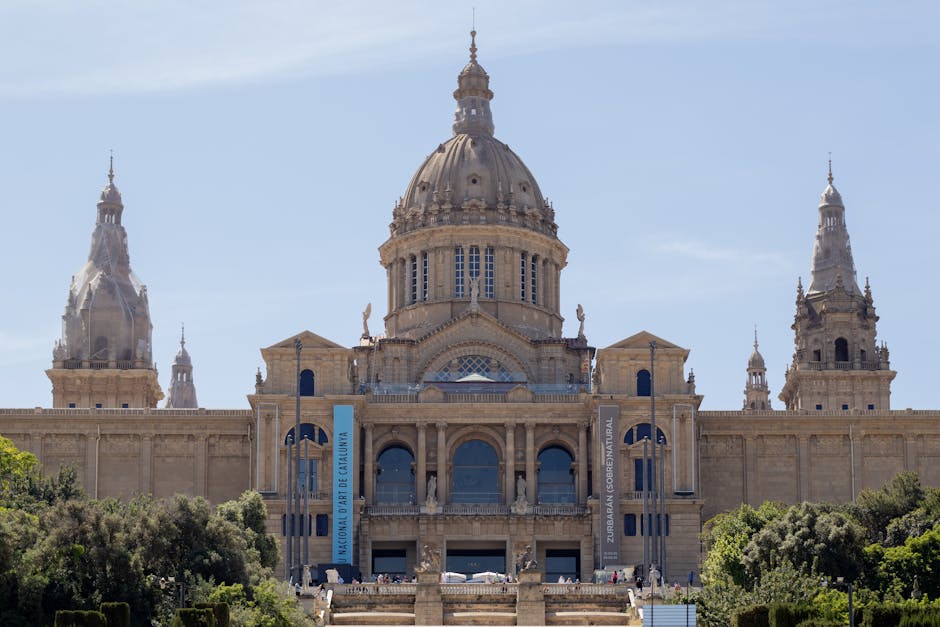
Explore the elegant 'village' of Sarrià, where Gothic monasteries and Gaudí's hidden gems meet charming local markets and narrow streets.
 Moderate
Barcelona, Spain
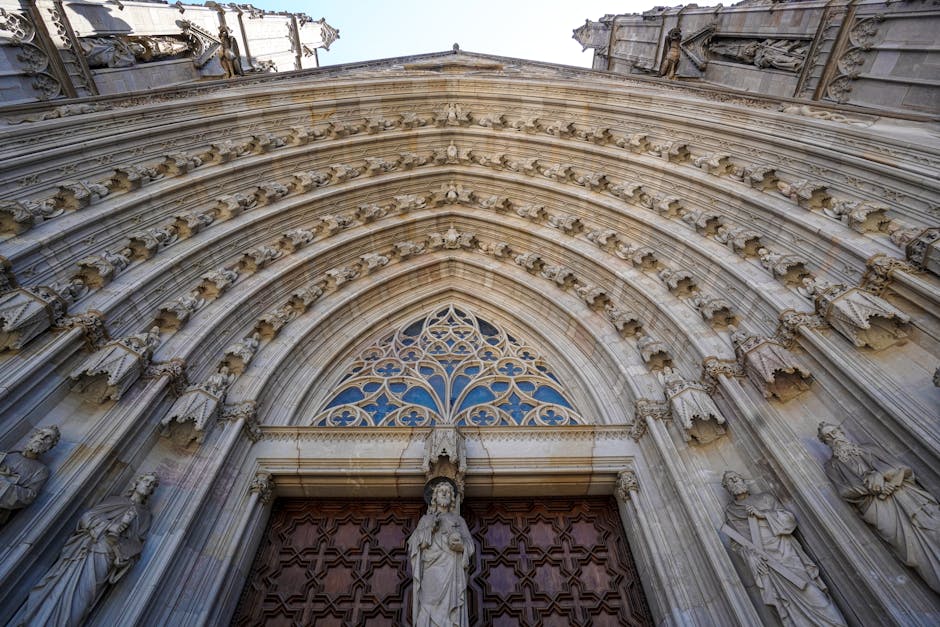
Discover the revolutionary history and haunting scars of the Spanish Civil War on this self-guided walk through Barcelona's historic streets.
 Easy
EasyBarcelona, Spain
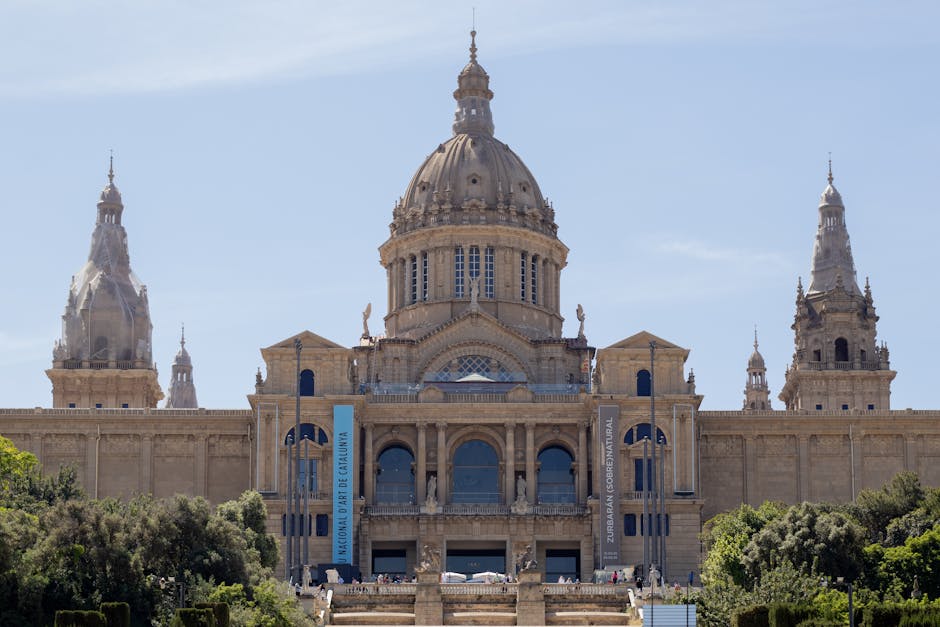
Discover the architectural wonders of Barcelona's Golden Square on this self-guided stroll through Eixample's most luxurious Modernista streets.
 Challenging
Barcelona, Spain
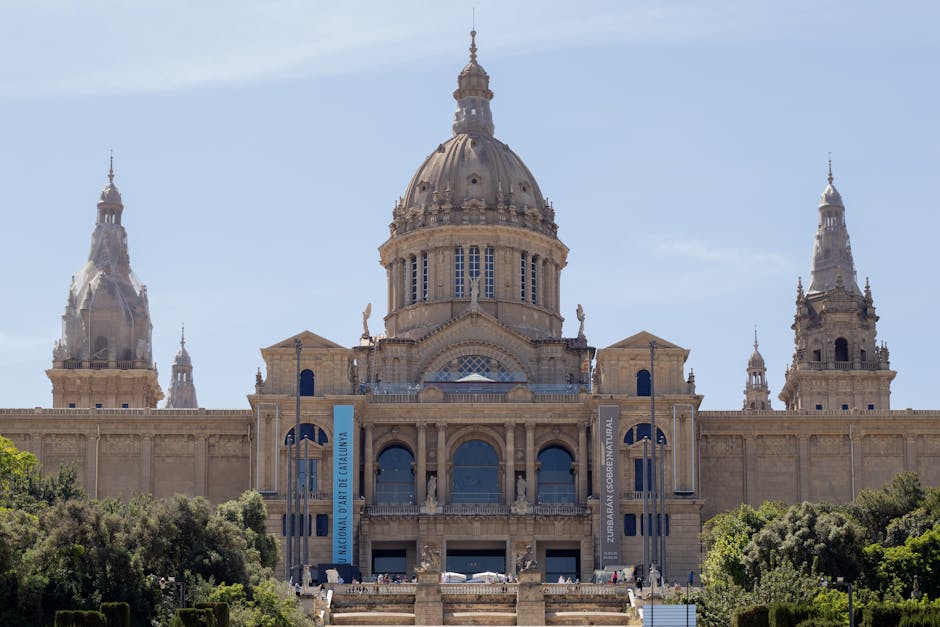
Explore Montjuïc’s lush gardens, historic fortress, and iconic Olympic venues on this scenic self-guided walk with panoramic Mediterranean views.
 Easy
EasyWarsaw, Poland
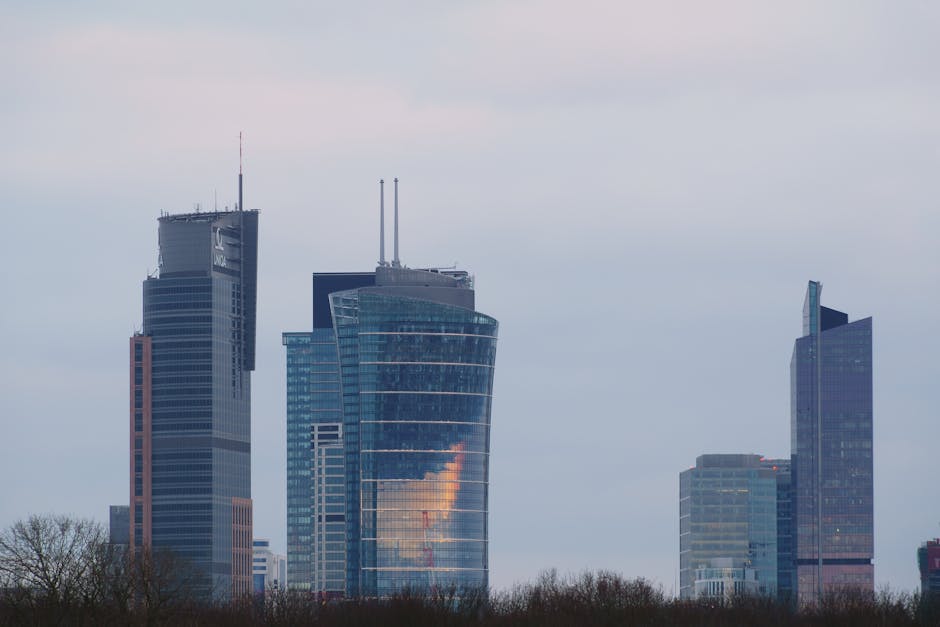
Discover the hidden courtyards and grand pre-war architecture of Warsaw's most atmospheric neighborhood on this self-guided stroll.
 Easy
EasyKrakow, Poland
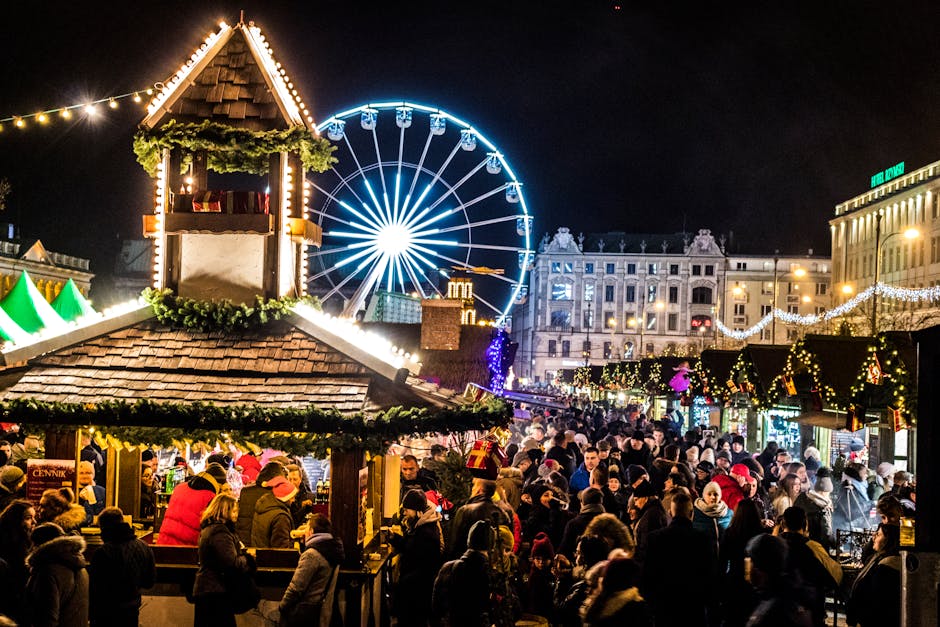
Explore Krakow's hidden nightlife with this self-guided walk through medieval cellars, jazz clubs, and bohemian bars in the Old Town and Kazimierz.
 Moderate
Gdansk, Poland
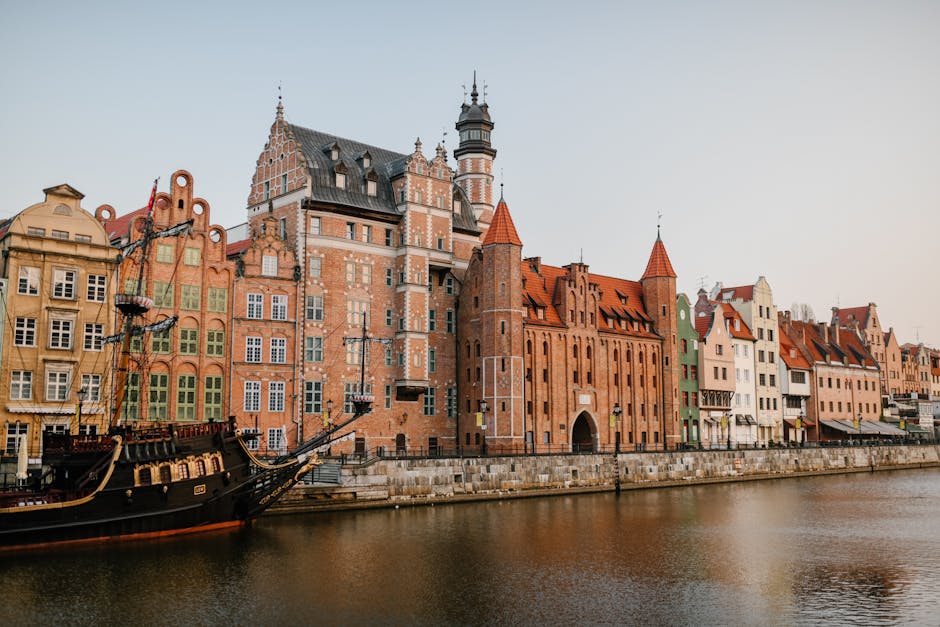
Discover the bohemian soul of Gdańsk. Explore the literary landmarks of Günter Grass, Prussian villas, and the trendy cafes of historic Wrzeszcz.
 Easy
EasySalzburg, Austria
Discover Salzburg's oldest medieval alley, the birthplace of the 'Silent Night' author, and breathtaking views on this quiet self-guided walk.
 Easy
EasyMadrid, Spain
Explore Madrid's 'Landscape of Light' on this self-guided walk through the world-renowned Golden Triangle of Art, from Cibeles to the Reina Sofía.
 Moderate
Madrid, Spain
Explore Madrid's most diverse neighborhood on this self-guided walk through street art, historic markets, and multicultural squares.
 Easy
EasyMadrid, Spain
Explore the royal legacy and medieval alleys of Madrid's historic Habsburg district on this immersive self-guided walk through the city's heart.
 Easy
EasyMadrid, Spain
Discover the rebellious spirit of Malasaña on this self-guided walk through Madrid's best street art, historic squares, and counter-culture hubs.
