Bilbao is a city that has mastered the art of reinvention, and nowhere is this more evident than in the Indautxu neighborhood. This self-guided walk invites you to explore the modern heart of the city, where industrial heritage meets avant-garde design. While the Old Town captures the spirit of the past, Indautxu showcases the Bilbao of the 21st century—a place of sleek glass, innovative public spaces, and bold architectural statements. This neighborhood stroll captures the essence of a city that refused to be left behind by history, transforming itself into a global capital of culture and design. The journey begins at the administrative pulse of the province before leading you to the crown jewel of the area: Azkuna Zentroa. Once a municipal wine warehouse, this massive structure was reimagined by designer Philippe Starck into a 'city within a city.' As you explore independently, you will see how historic brick facades now hide a forest of unique columns and a glass-bottomed rooftop pool. Beyond the warehouse, the walking route takes you through redesigned plazas that look like scenes from a science fiction film, showcasing how Bilbao uses light and geometry to foster community. As you continue this walking tour Bilbao reveals its passion for both sport and style. You will encounter the legendary San Mames Stadium, an architectural marvel known as 'The Cathedral,' which glows with a life of its own at night. The route concludes near the river, where the 'Building of the Tigers' stands as a reminder of the city's industrial prowess. This neighborhood stroll is perfect for those who want to understand the 'Bilbao Effect'—the phenomenon where world-class architecture triggers urban renewal. Whether you are an architecture enthusiast or a curious traveler, this self-guided adventure provides a deep dive into the sophisticated, modern lifestyle of the Basque Country's largest city.
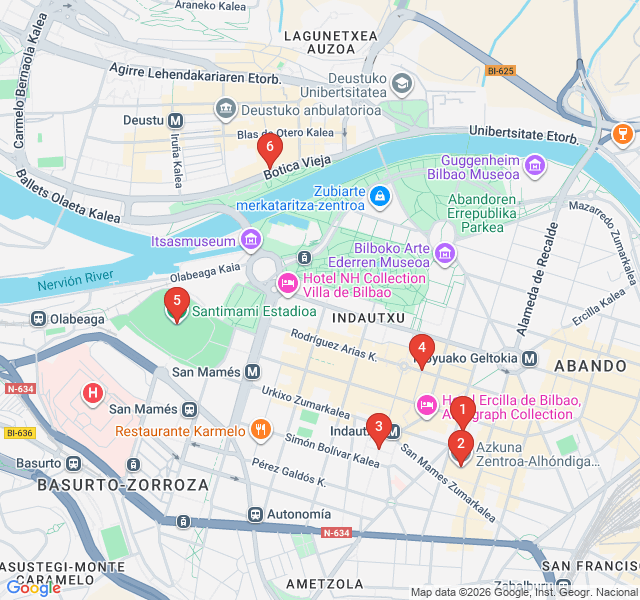
Numbers indicate the order of stops on the tour
Welcome to Bizkaia Enparantza, the formal gateway to the Indautxu district. This square is dominated by the glass-clad Bizkaia Foral Library and the administrative building of the Provincial Council of Bizkaia. It represents the 'New Bilbao'—clean lines, modern materials, and a focus on transparency. Take a moment to notice how the surrounding buildings reflect the sky, a stark contrast to the grit of the city's industrial past. This square serves as a transition point between the traditional 19th-century expansion of the city and the hyper-modern developments you are about to explore. It is a favorite spot for locals to gather before heading into the bustling commercial streets nearby.
Step inside one of the most remarkable cultural spaces in Europe. Originally built in 1909 as a wine warehouse (Alhóndiga), this building sat derelict for decades before being transformed by the renowned French designer Philippe Starck. The most striking feature is the 'Atrium of Cultures,' supported by 43 distinct columns. Each column is made from different materials—bronze, stone, terracotta—and represents the diversity of human history and culture. Look up to see the glass bottom of the rooftop swimming pool, where you might spot the silhouettes of swimmers overhead. This space is a testament to Bilbao's commitment to public access; it houses a library, cinema, and fitness center, all while maintaining its stunning avant-garde aesthetic.
Indautxu Plaza is a masterclass in urban landscaping. Redesigned in 2006, the plaza was intended to solve the problem of a chaotic intersection by creating a pedestrian-focused 'urban forest.' The most iconic elements are the large, circular white pergolas and the tall, needle-like light fixtures that illuminate the space at night. The design creates a series of paths that mimic natural forest clearings, providing a peaceful escape in the middle of a high-traffic district. It is a prime example of how Bilbao uses design to reclaim space for its citizens, turning what was once a noisy thoroughfare into a vibrant community hub where children play and neighbors socialize.
As you walk along Rodríguez Arias Kalea, you are entering the fashion and commercial heart of the city. This street has recently undergone a 'pedestrian-priority' transformation, widening sidewalks and adding greenery to encourage a slower pace of life. The architecture here is a blend of elegant early 20th-century residential buildings and high-end modern storefronts. It is the best place to observe the 'Bilbaíno' lifestyle—sophisticated, design-conscious, and social. Look at the intricate stonework on the upper balconies of the older buildings, which hints at the wealth generated during the city's industrial heyday, now repurposed for boutique shopping and upscale cafes.
Behold 'The Cathedral.' For the people of Bilbao, football is more than a game; it is a religion, and this stadium is its temple. Completed in 2013 to replace the original 1913 ground, the new San Mames is an architectural marvel that has won numerous international awards. Its exterior is composed of thousands of white ETFE cushions that can be illuminated in any color—though they usually glow red on match days. The stadium is uniquely integrated into the city fabric, sitting right on the edge of the river. Even if you aren't a sports fan, the scale and the rhythmic pattern of the facade are a highlight of modern engineering and a symbol of local pride.
End your walk at the Tigresen eraikina, or the Building of the Tigers. This 1940s industrial building was once the headquarters of a clerical supplies company. Its name comes from the two massive concrete tiger statues perched on the roof, created by sculptor Joaquín Lucarini. These tigers were meant to symbolize the strength and ambition of Bilbao’s business class. From this vantage point, you can look across the river toward the Deusto University and the green hills that surround the city. It is a fitting end to our route, bridging the gap between the grand industrial ambitions of the mid-20th century and the sleek, modern city Bilbao has become today.
Download Zigway to experience "Azkuna Zentroa and Beyond: Modern Living in Indautxu" with AI-powered audio narration. Walk at your own pace while stories unfold around you.
 Easy
EasyBilbao, Spain
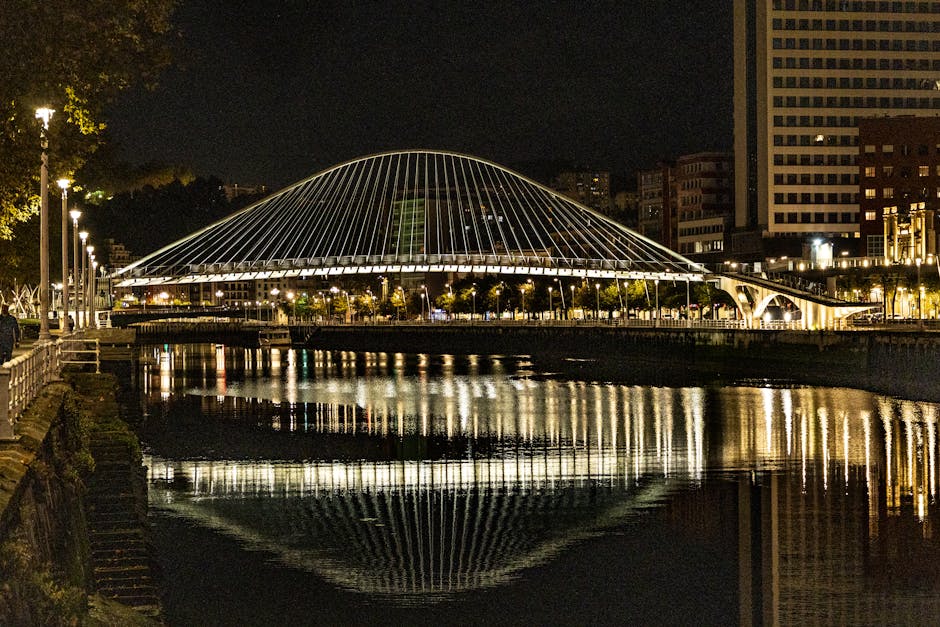
Explore Bilbao’s elegant Museum Mile and its lush 'Green Lung' on this self-guided stroll through art, architecture, and romantic gardens.
 Easy
EasyBilbao, Spain
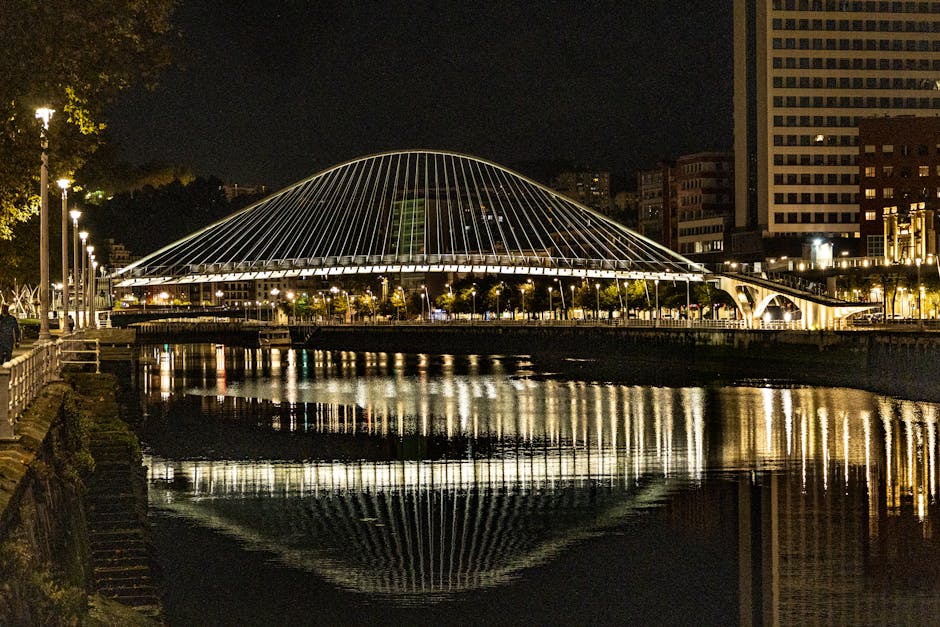
Discover the vibrant murals, industrial history, and bohemian soul of 'Bilbi' on this self-guided neighborhood stroll through Bilbao's coolest district.
 Easy
EasyBilbao, Spain
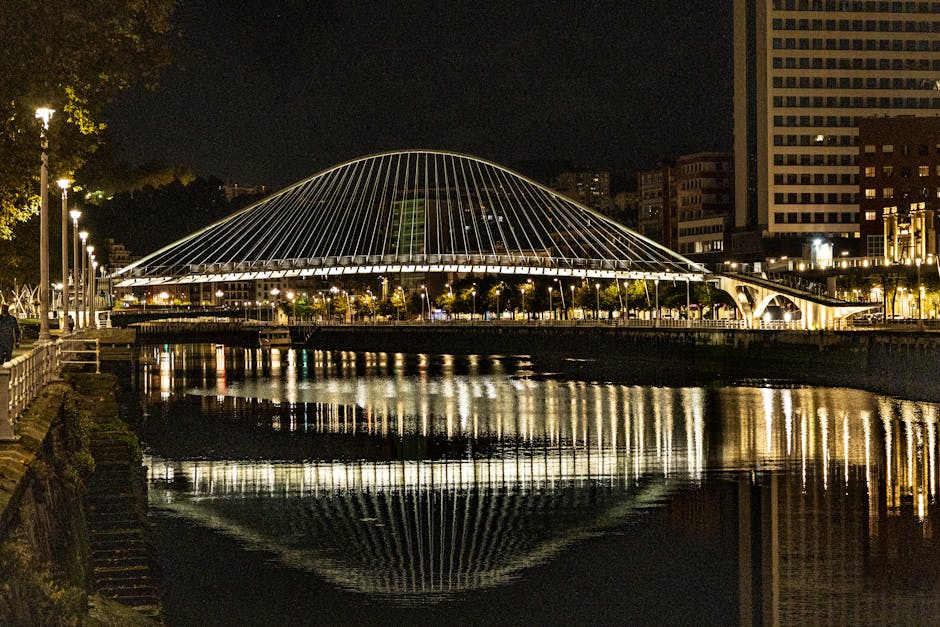
Follow the life of philosopher Miguel de Unamuno through Bilbao's Casco Viejo on this literary self-guided walk.
 Easy
EasyBilbao, Spain
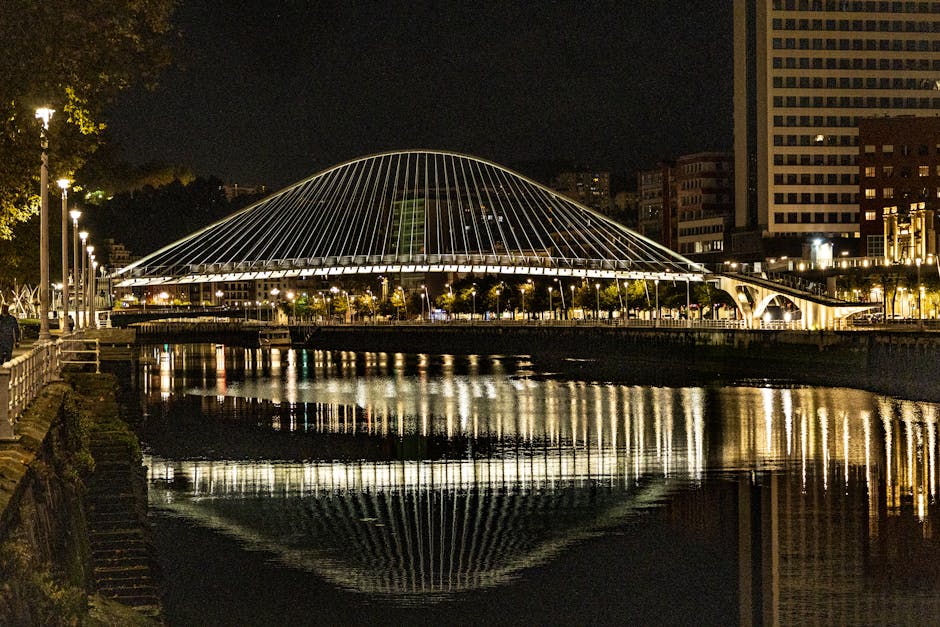
Trace Bilbao's industrial roots and maritime legacy on this self-guided stroll along the Nervión river, from historic shipyards to local Olabeaga.
 Easy
EasyGothenburg, Sweden
Explore Gothenburg’s historic wooden houses, legendary giant cinnamon buns, and panoramic fortress views on this self-guided neighborhood stroll.
 Easy
EasyKrakow, Poland
Explore the prestigious Jagiellonian University district, featuring Neo-Gothic architecture, Baroque churches, and Krakow's hidden scholarly gems.
 Moderate
Gdansk, Poland
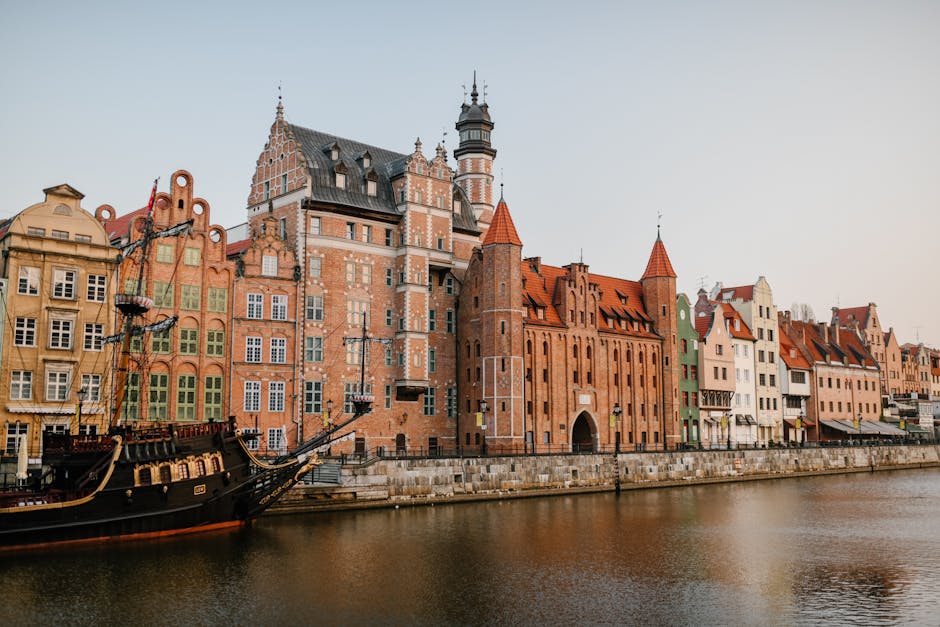
Discover the bohemian soul of Gdańsk. Explore the literary landmarks of Günter Grass, Prussian villas, and the trendy cafes of historic Wrzeszcz.
 Easy
EasyGdansk, Poland
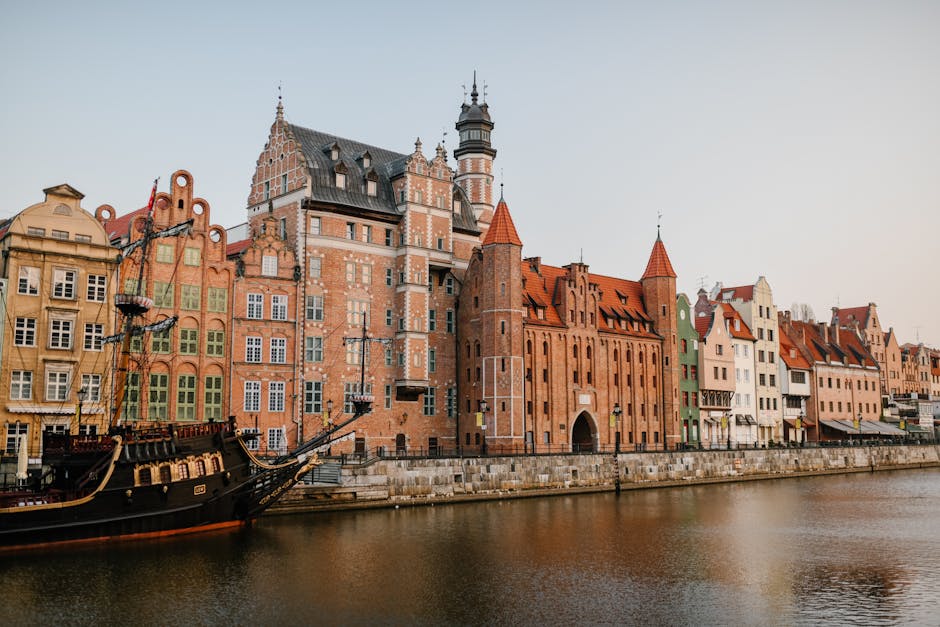
Discover the 'Baltic Gold' on this self-guided walk through Gdansk's historic mills, massive cathedrals, and the magical Mariacka Street.
 Moderate
Barcelona, Spain
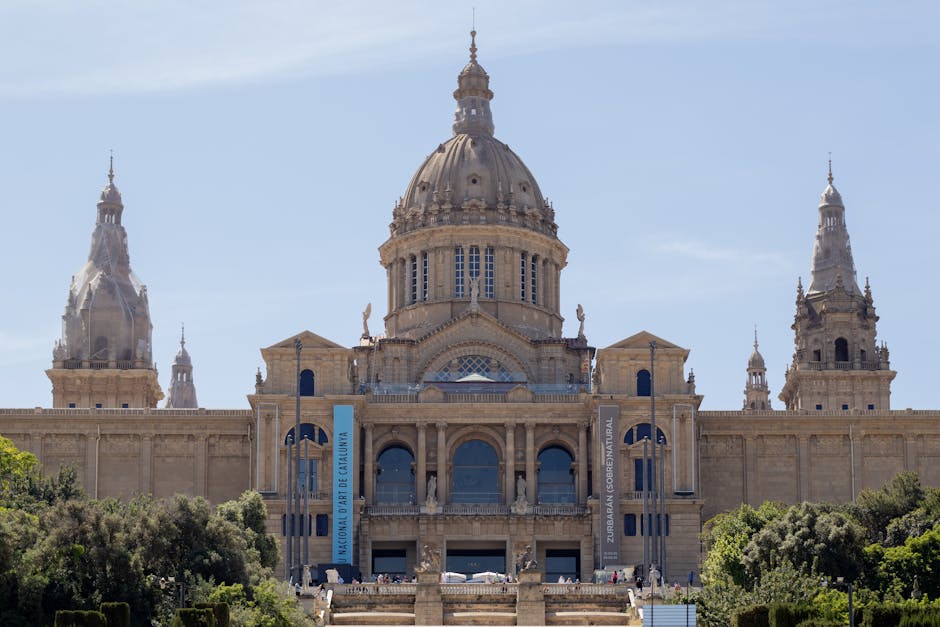
Explore the elegant 'village' of Sarrià, where Gothic monasteries and Gaudí's hidden gems meet charming local markets and narrow streets.
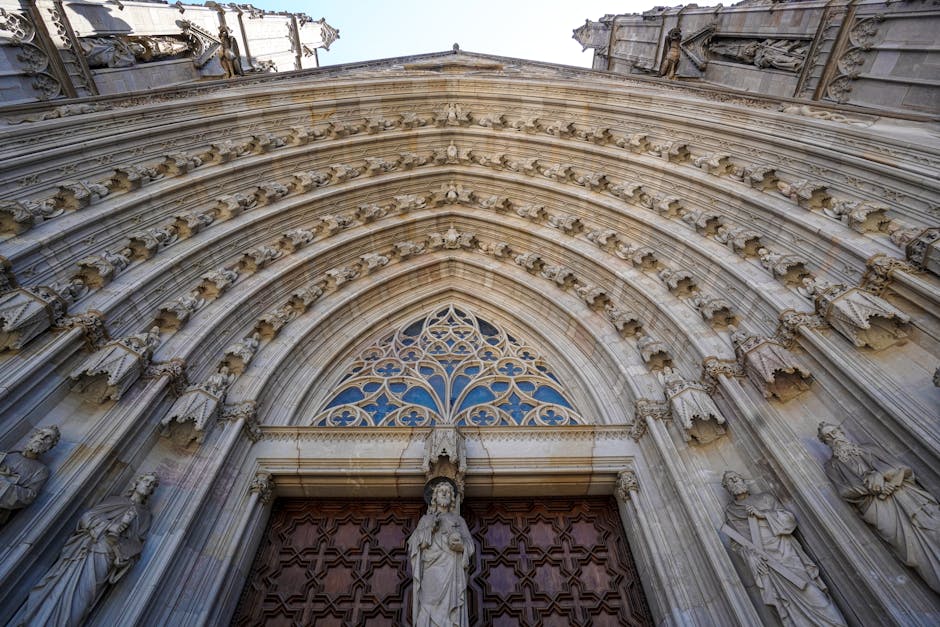 Moderate
Barcelona, Spain
Discover the revolutionary history and haunting scars of the Spanish Civil War on this self-guided walk through Barcelona's historic streets.
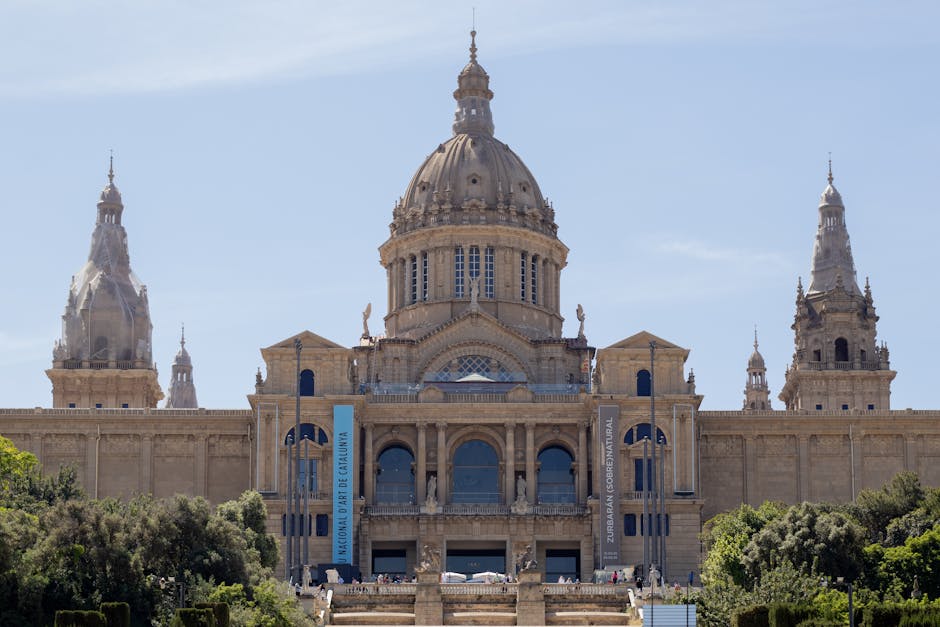 Easy
EasyBarcelona, Spain
Discover the architectural wonders of Barcelona's Golden Square on this self-guided stroll through Eixample's most luxurious Modernista streets.
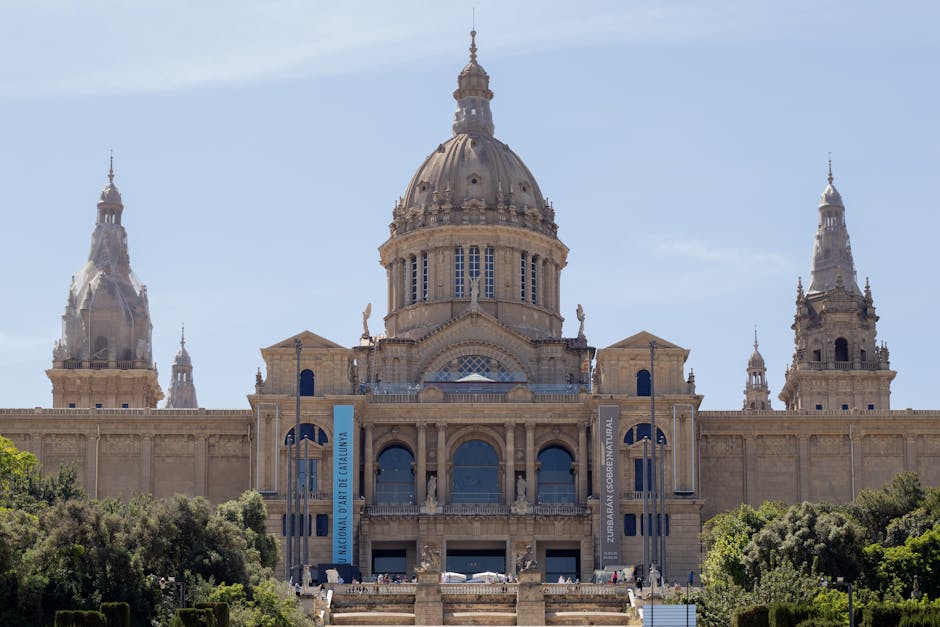 Challenging
Barcelona, Spain
Explore Montjuïc’s lush gardens, historic fortress, and iconic Olympic venues on this scenic self-guided walk with panoramic Mediterranean views.
