Step away from the historic center and dive into the colorful, salt-aired streets of El Cabanyal, Valencia's historic fisherman's quarter. This self-guided walk invites you to explore a neighborhood that feels like a village within a city, defined by its unique 'modernisme popular' architecture and a resilient community spirit. Once an independent municipality called Poble Nou de la Mar, El Cabanyal is famous for its grid-like layout and, most notably, its stunning tiled facades. These 'azulejos' were not just decorative; they protected the humble homes of fishermen from the corrosive Mediterranean sea spray, creating a kaleidoscope of patterns that remains one of the most instagrammable sights in Spain. On this neighborhood stroll, you will begin at the bustling Mercado Municipal del Cabañal, where the daily catch and local produce create a sensory feast. As you weave through the narrow streets, you will encounter the Carrer de la Reina, the district's main artery, lined with some of the most intricate ceramic work in the city. The route highlights the transition from industrial maritime history to modern cultural revival, stopping at landmarks like the Teatro El Musical and the iconic Edificio del Reloj at the port. You will also uncover the deeper history of the area at the Casa dels Bous, a site once central to the neighborhood's unique fishing methods involving oxen. This walking route is perfect for those looking to experience an authentic side of Valencia. Whether you are interested in the architectural details of the early 20th century or simply want to feel the sea breeze while admiring local life, this self-guided adventure provides the context you need to appreciate the neighborhood's struggle and survival. By the time you reach the wide sands of Platja de Llevant, you will understand why El Cabanyal is considered the soul of Valencia’s coast. This is not a standard walking tour Valencia experience; it is a deep dive into a living museum of maritime heritage.
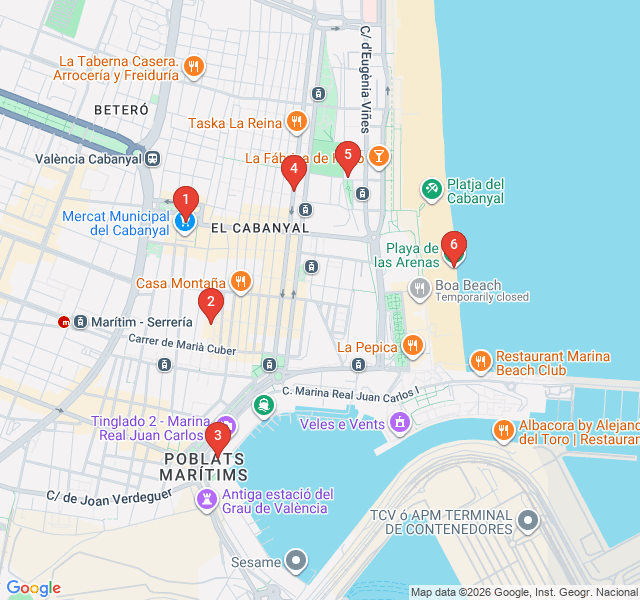
Numbers indicate the order of stops on the tour
Welcome to the heart of the neighborhood. The Mercado del Cabañal is one of Valencia’s most authentic markets. While the current building dates to 1958, a market has existed in this area for centuries to serve the fishing community. Unlike the more famous Central Market downtown, this is where the locals shop. Look for the 'clóchina' (local mussels) when in season, and notice how the stalls are passed down through generations. The energy here is palpable, reflecting the resilience of a neighborhood that has fought hard to preserve its identity against modern redevelopment. It is the perfect place to start your exploration of the sea-facing side of Valencia.
Standing before you is Teatro El Musical, often referred to as TEM. This building is a fantastic example of how El Cabanyal repurposes its industrial and social history. Originally a cinema, it now serves as a cultural center and theater. Notice the striking entrance, which features a massive wooden door—one of the tallest in the city. The architecture bridges the gap between the neighborhood's humble past and its vibrant, artistic present. This center was pivotal in the neighborhood's cultural resistance, proving that El Cabanyal was not just a relic of the past, but a living, breathing hub for the arts.
As you move toward the water, you encounter the Edificio del Reloj, or the Clock Building. Built in 1916, this neoclassical masterpiece was inspired by the French style of the era. It served as the gateway to the Port of Valencia, acting as a reception point for travelers arriving by sea. The clock tower was a vital landmark for sailors and dockworkers alike. Today, it stands as a symbol of Valencia's maritime golden age. Take a moment to admire the ornate details on the facade, which contrast sharply with the simpler, tiled homes you will see deeper in the residential streets of the quarter.
Carrer de la Reina is the backbone of El Cabanyal. As you walk along this street, look up and around at the facades. This is where 'modernisme popular' truly shines. Because the fishermen couldn't afford the grand stone carvings found in the city center, they used colorful ceramic tiles to decorate their narrow, two-story homes. These tiles were practical, easy to clean, and resistant to the salt air, but they also became a way for families to show their personality. Each house tells a story through its patterns—floral motifs, geometric shapes, and vibrant blues and greens that mimic the sea nearby.
This building, the Casa dels Bous (House of the Oxen), holds a unique place in maritime history. Before steam engines and modern docks, the fishing boats here were 'barcas de bou.' They were too heavy to be pulled onto the sand by hand, so teams of oxen were used to haul them from the surf. This building housed those oxen and the associated fishing gear. It represents the 'Tir de l’Art' tradition, a method of fishing that defined the local economy for centuries. Today, it stands as a museum and a reminder of the physical labor and animal partnership that once powered this coastal community.
Your walk concludes at Platja de Llevant, also known as Playa de la Malvarrosa in its northern stretch. This wide, sandy expanse has inspired artists like Joaquín Sorolla, who famously captured the light and the fishing boats of this very shore. The promenade is lined with restaurants where you can try authentic Valencian paella. Looking out at the Mediterranean, you can see how the neighborhood's grid system was designed specifically to allow the sea breeze to flow through the streets, cooling the houses. It is the perfect spot to relax and reflect on the unique architectural and cultural heritage of El Cabanyal.
Download Zigway to experience "Tiled Facades of El Cabanyal" with AI-powered audio narration. Walk at your own pace while stories unfold around you.
 Easy
EasyValencia, Spain
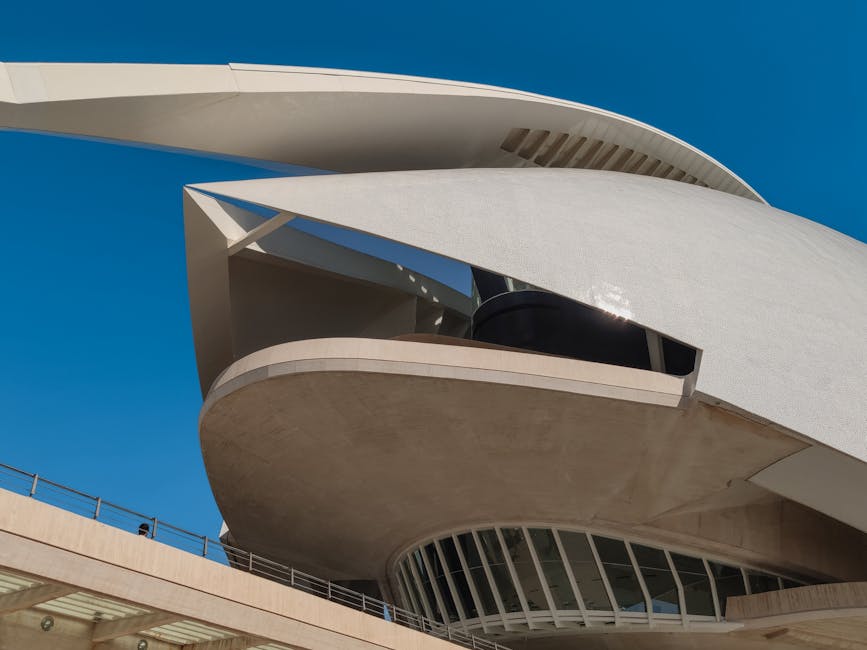
Discover Valencia's 'Sistine Chapel' and ornate Baroque palaces on this self-guided walk through the historic Ciutat Vella.
 Easy
EasyValencia, Spain
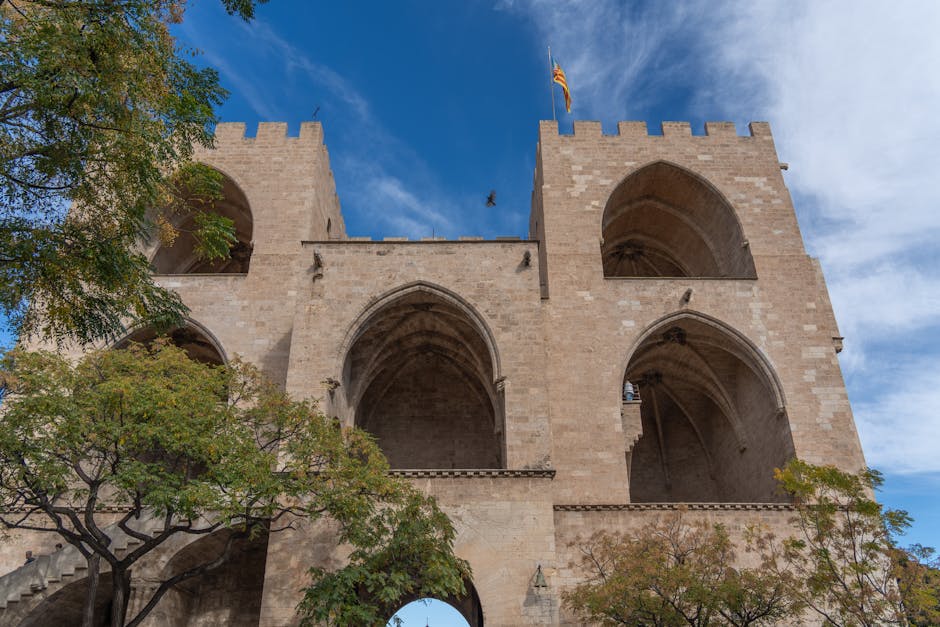
Explore Valencia's Roman roots and Gothic masterpieces on this self-guided audio walk through the historic Ciutat Vella district.
 Easy
EasyValencia, Spain
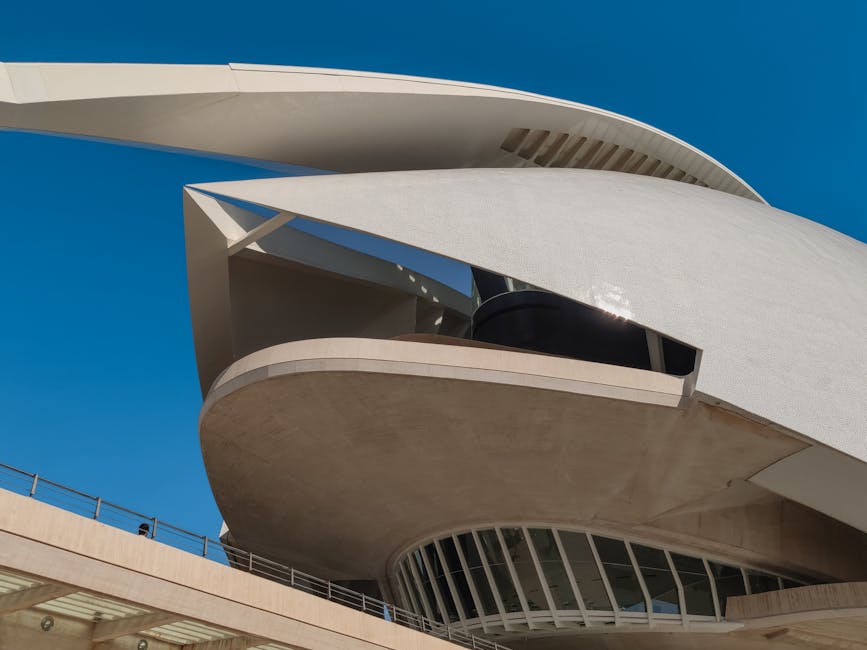
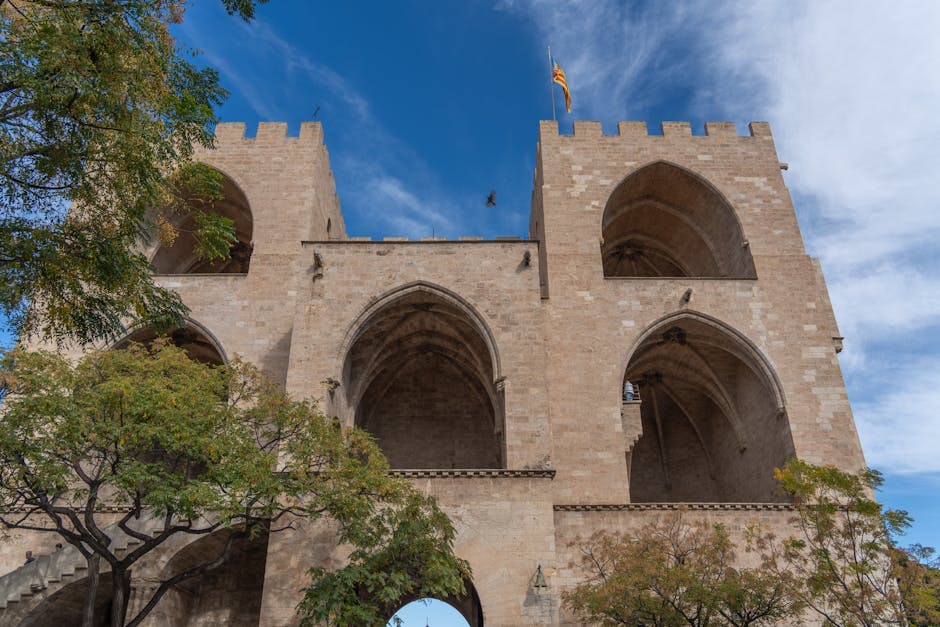
Explore Valencia’s oldest quarter where ancient medieval gates meet world-class street art on this self-guided neighborhood stroll.
 Moderate
Valencia, Spain
Discover Valencia's medieval heritage on a self-guided walk through ancient gates, historic monuments, and the scars of Napoleonic battles.
 Moderate
Nairobi, Kenya
Discover Nairobi's lush side on this self-guided walk through botanical gardens, historic memorials, and vibrant local markets.
 Moderate
Gdansk, Poland
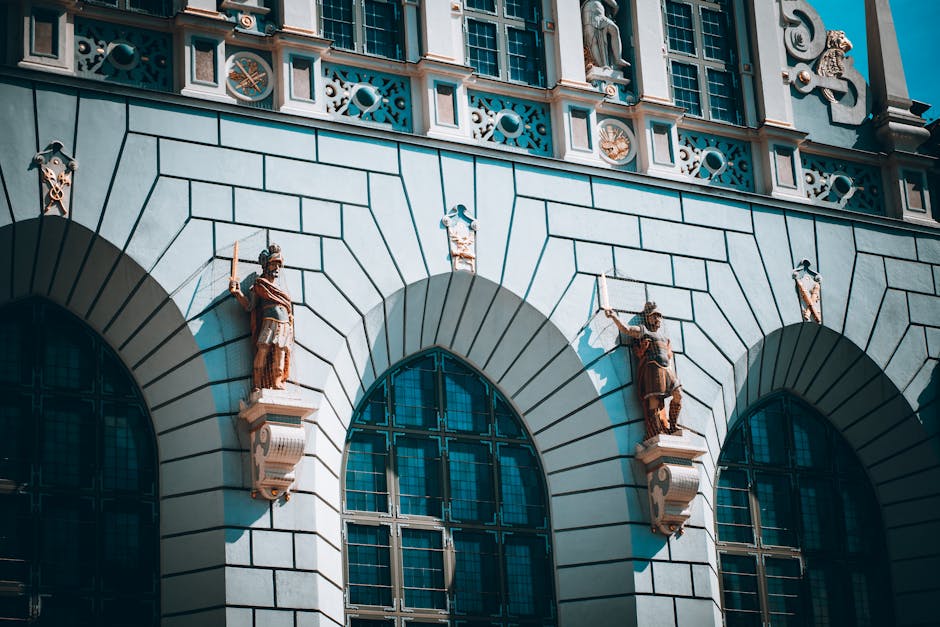
Discover Zaspa, a massive open-air gallery where grey housing blocks are transformed by over 60 monumental murals. Explore at your own pace.
 Moderate
Gothenburg, Sweden
Discover Gothenburg’s maritime soul on this self-guided walk from the historic Central Station to the scenic riverfront at Stenpiren.
 Moderate
Gdansk, Poland
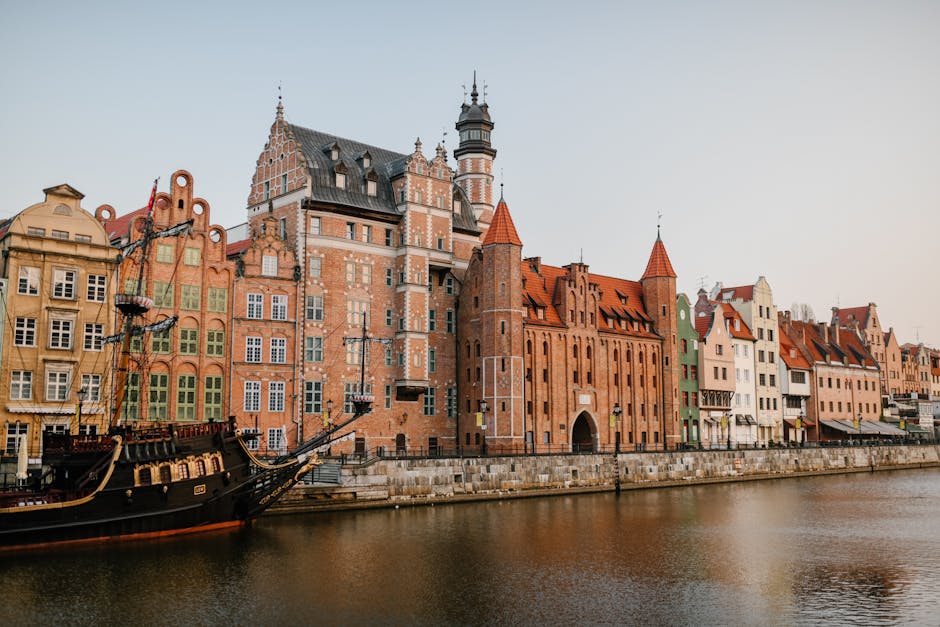
Discover the bohemian soul of Gdańsk. Explore the literary landmarks of Günter Grass, Prussian villas, and the trendy cafes of historic Wrzeszcz.
 Moderate
Barcelona, Spain
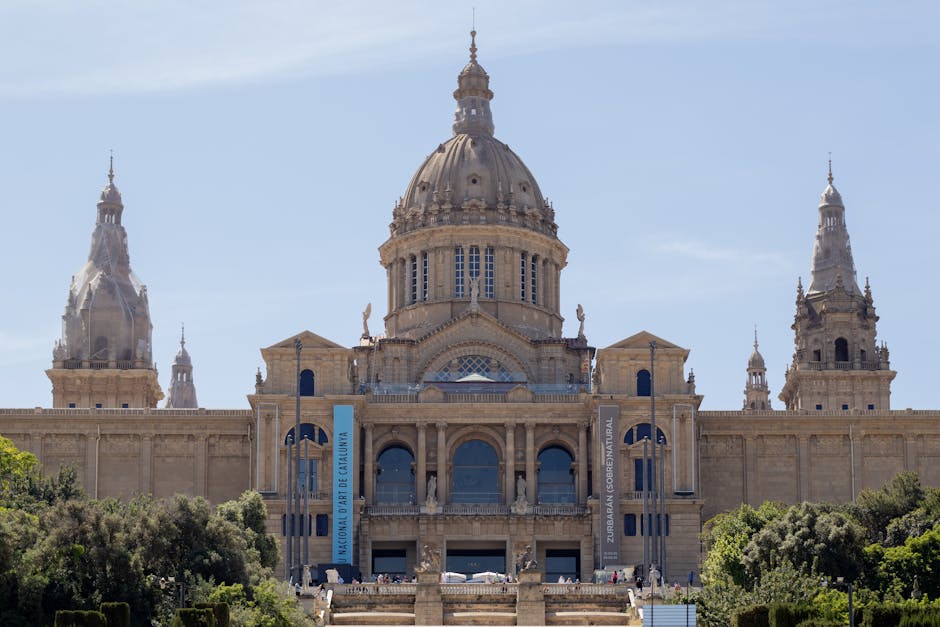
Explore the elegant 'village' of Sarrià, where Gothic monasteries and Gaudí's hidden gems meet charming local markets and narrow streets.
 Moderate
Barcelona, Spain
Discover the revolutionary history and haunting scars of the Spanish Civil War on this self-guided walk through Barcelona's historic streets.
 Easy
EasyBarcelona, Spain
Discover the architectural wonders of Barcelona's Golden Square on this self-guided stroll through Eixample's most luxurious Modernista streets.
 Challenging
Barcelona, Spain
Explore Montjuïc’s lush gardens, historic fortress, and iconic Olympic venues on this scenic self-guided walk with panoramic Mediterranean views.
