Step into a world where science fiction meets architectural brilliance on this self-guided walk through Valencia’s City of Arts and Sciences. Located in the former bed of the Turia River, this complex is a masterwork of futuristic design, primarily conceptualized by world-renowned architect Santiago Calatrava and structural engineer Félix Candela. This neighborhood stroll offers a stark, breathtaking contrast to Valencia's medieval center, showcasing the city's ambition and its pivot toward the third millennium. As you navigate the winding paths and turquoise pools, you will encounter structures that resemble giant skeletons, eyes, and helmets, each telling a story of engineering prowess and artistic vision. This walking tour Valencia route is designed for those who appreciate the intersection of art and utility, providing ample opportunities for photography and quiet reflection among the palm-lined promenades. Beyond the sheer scale of the buildings, the complex serves as a cultural heartbeat for the city, housing everything from an opera house to the largest aquarium in Europe. Exploring this area independently allows you to linger at the 'Walk of the Sculptures' in L’Umbracle or admire the reflection of the Hemisfèric in the surrounding water at sunset. Whether you are an architecture enthusiast or a casual traveler seeking iconic-landmarks, this self-guided adventure provides the context needed to understand how this controversial yet beloved project transformed Valencia’s international identity. The route is entirely flat and pedestrian-friendly, making it a relaxing way to spend an afternoon. This walking tour Valencia experience is less about ticking boxes and more about immersing yourself in a landscape that feels like it belongs in the year 3000.
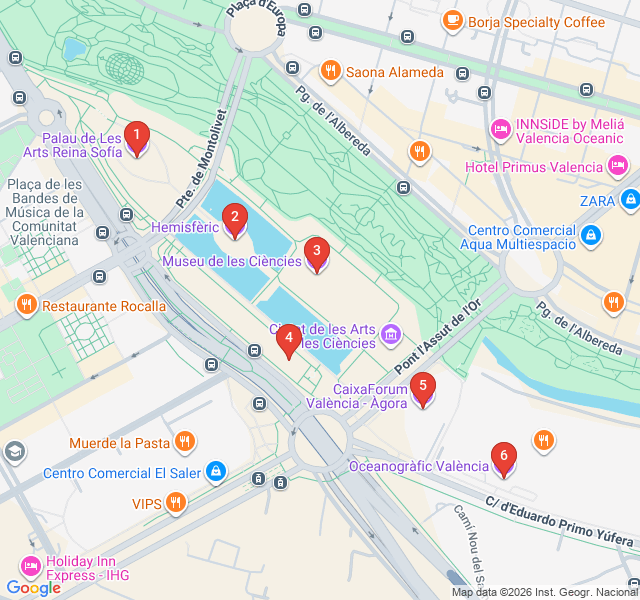
Numbers indicate the order of stops on the tour
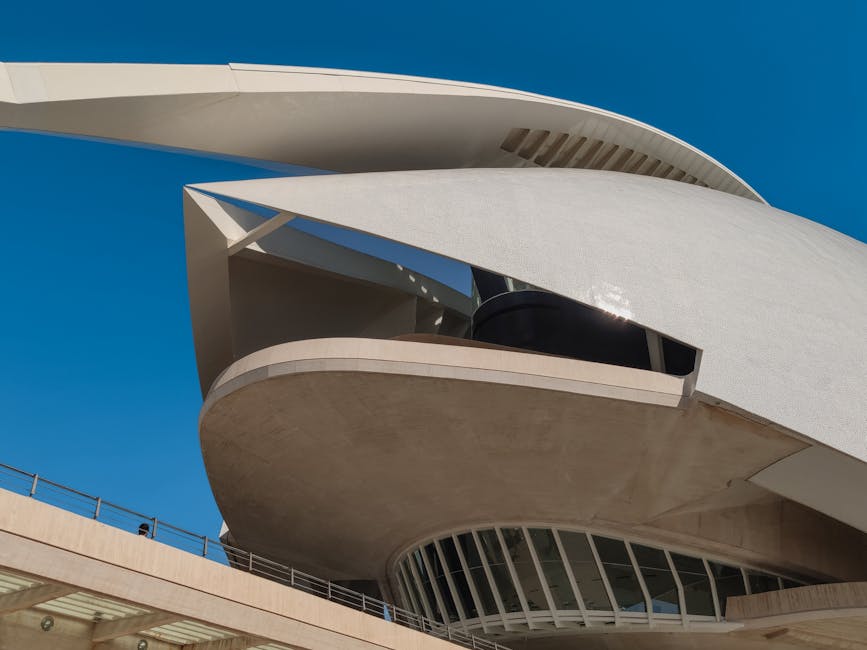
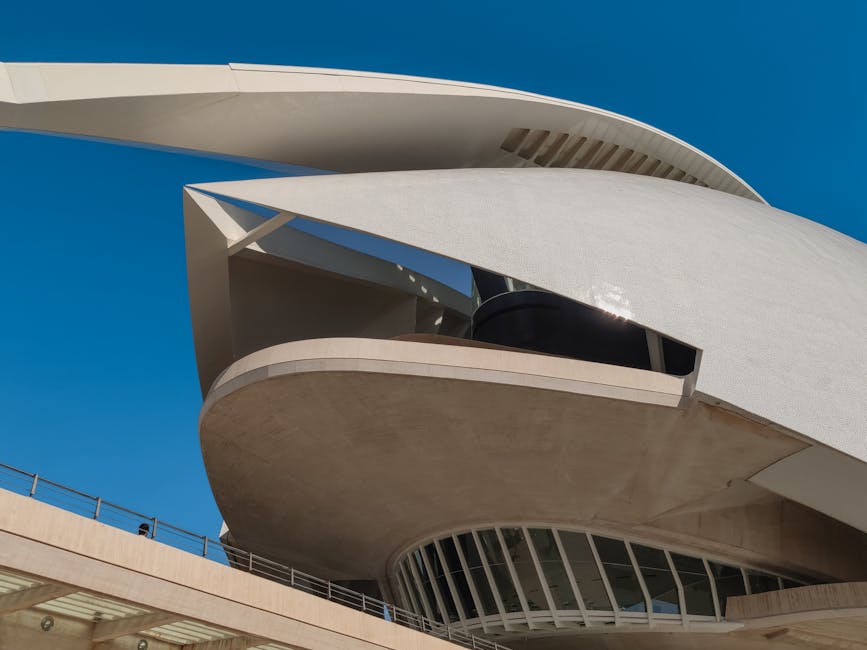
Begin your exploration at the Palau de les Arts Reina Sofia, an architectural marvel that resembles a futuristic warrior's helmet or a giant ship. Completed in 2005, it is one of the tallest opera houses in the world, standing 75 meters high. Santiago Calatrava designed this structure with four distinct venues for opera, theater, and concerts. Notice the sweeping metallic plume that hangs over the building; it is held up by only two supports, a feat of modern engineering. The exterior is clad in 'trencadís,' a traditional Mediterranean technique of using broken ceramic pieces to create a shimmering, textured surface that catches the sunlight perfectly.
Moving deeper into the complex, you encounter the Hemisfèric, often referred to as the 'Eye of Knowledge.' This was the first building in the City of Arts and Sciences to open to the public in 1998. The structure is designed to look like a giant human eye opening over a pool of water. The 'pupil' is a massive hemispherical dome housing an IMAX cinema and planetarium. The 'eyelid' consists of glass shutters that can actually open and close using hydraulic lifts. It is a stunning example of biomimetic architecture, where man-made structures mimic biological forms to create a sense of organic life.
Next is the Museo de las Ciencias Príncipe Felipe, a building that many compare to the skeleton of a prehistoric whale or perhaps a dinosaur. This massive structure is over 200 meters long and is entirely transparent on one side, allowing light to flood the interior. Unlike traditional museums, this science center operates on the motto: 'Forbidden not to touch, not to feel, not to think.' Its repetitive, rhythmic white arches are a hallmark of Calatrava’s style, blending structural support with aesthetic beauty. The surrounding shallow pools are not just for show; they help cool the area and provide the perfect mirror for the building’s white ribs.
Climb the stairs to L’Umbracle, a landscaped walk that serves as the gateway to the complex. This open-air garden is covered by a series of 55 fixed arches and 50 floating arches, standing 18 meters high. Inside, you will find a lush garden featuring plant species indigenous to Valencia, such as palm trees, bitter orange trees, and rosemary. It also houses the 'Walk of the Sculptures,' an outdoor art gallery featuring works by contemporary artists like Yoko Ono and Antoni Tàpies. This is the best vantage point for a panoramic view of the entire City of Arts and Sciences, perfect for a short rest.
Continue toward L'Àgora, the complex’s most recent addition. This striking blue and purple structure stands at 70 meters tall and was designed as a versatile space for events, ranging from tennis tournaments to fashion shows. In recent years, it has become the home of CaixaForum Valencia, a cultural center hosting rotating art exhibitions. Its pointed shape and metallic cladding distinguish it from the pure white of the neighboring buildings. The Àgora serves as a bridge between the science museum and the aquarium, marking the transition to the final section of this architectural journey.
Your walk concludes at the Oceanogràfic, the largest aquarium in Europe. While Calatrava designed the rest of the complex, these iconic lily-shaped buildings were the work of Félix Candela. The thin-shell concrete roofs are examples of hyperbolic paraboloids, a signature of Candela’s engineering. Each building represents a different marine ecosystem, from the Arctic to the Red Sea. Even if you don't enter the aquarium today, the exterior architecture is a masterpiece of 20th-century design, appearing to float on the water. It is a fitting end to a route that celebrates the harmony between human ingenuity and the natural world.
Download Zigway to experience "Futuristic Visions: City of Arts and Sciences" with AI-powered audio narration. Walk at your own pace while stories unfold around you.
 Easy
EasyValencia, Spain
Discover Valencia's 'Sistine Chapel' and ornate Baroque palaces on this self-guided walk through the historic Ciutat Vella.
 Easy
EasyValencia, Spain
Explore Valencia's Roman roots and Gothic masterpieces on this self-guided audio walk through the historic Ciutat Vella district.
 Easy
EasyValencia, Spain
Explore Valencia’s oldest quarter where ancient medieval gates meet world-class street art on this self-guided neighborhood stroll.
 Moderate
Valencia, Spain
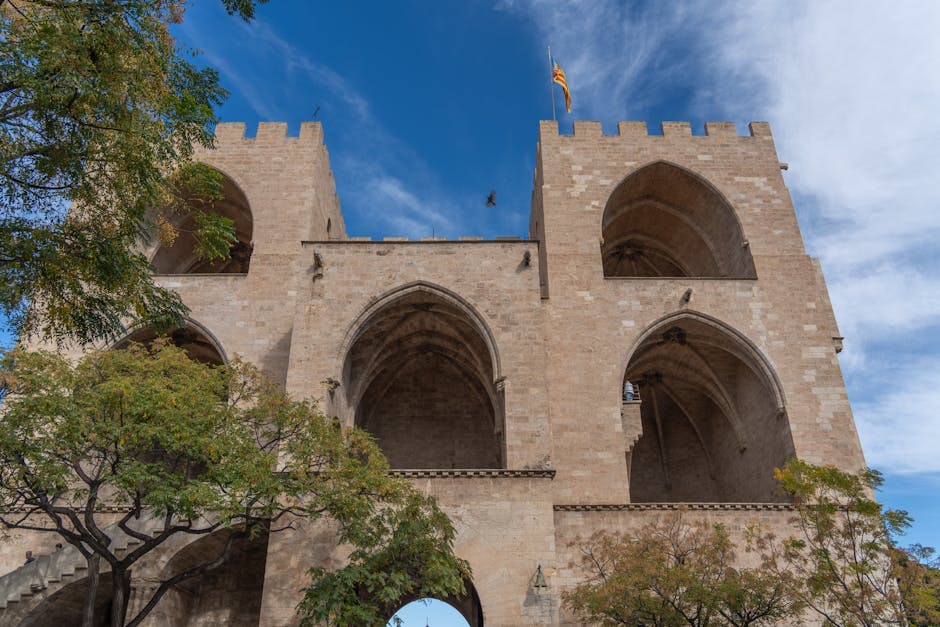
Discover Valencia's medieval heritage on a self-guided walk through ancient gates, historic monuments, and the scars of Napoleonic battles.
 Easy
EasyGdansk, Poland
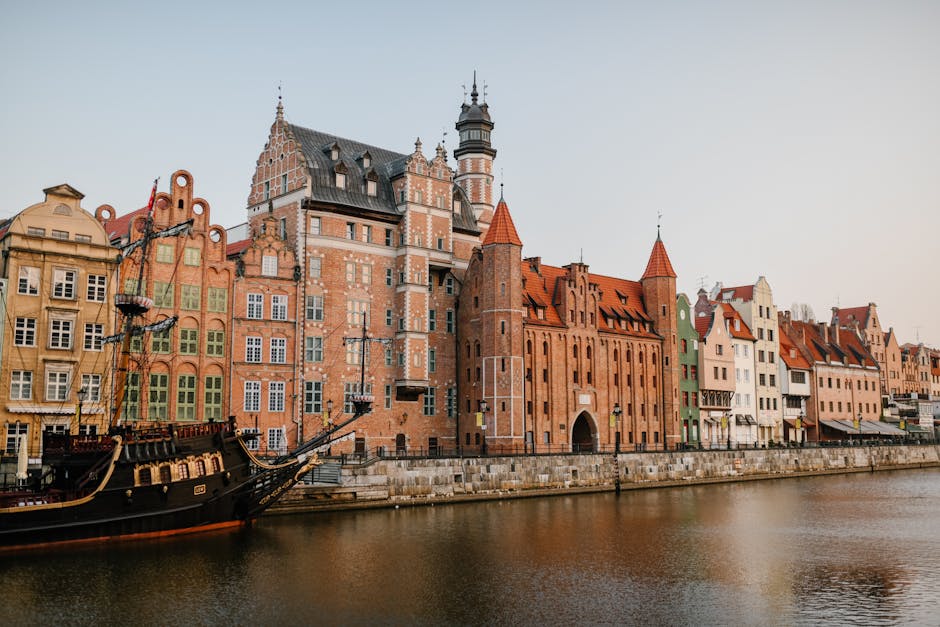
Discover the 'Baltic Gold' on this self-guided walk through Gdansk's historic mills, massive cathedrals, and the magical Mariacka Street.
 Easy
EasyGdansk, Poland
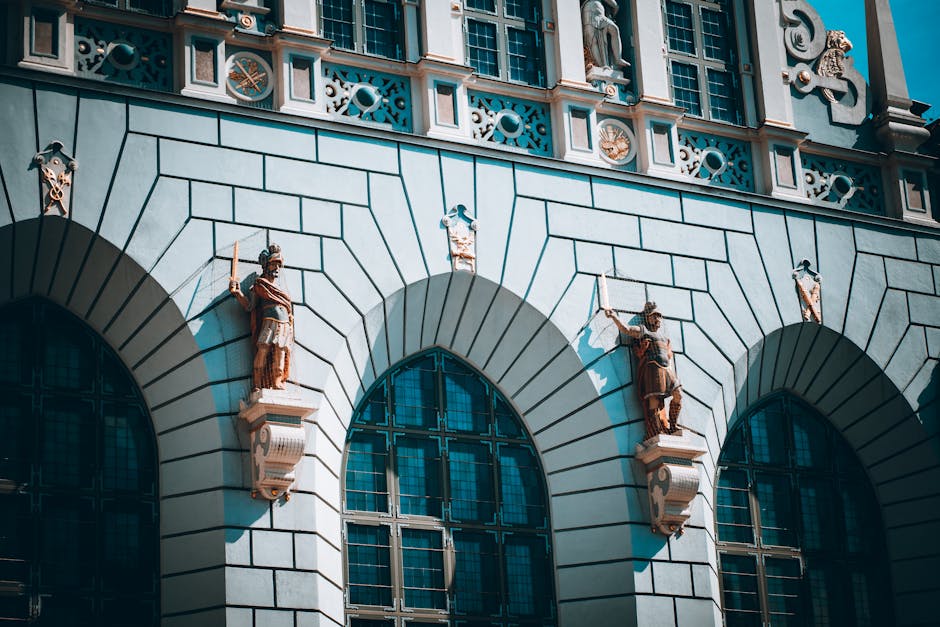
Discover the opulent Royal Way of Gdansk at your own pace. Explore Hanseatic history, gilded architecture, and the iconic Neptune's Fountain.
 Easy
EasyNairobi, Kenya
Discover Nairobi's iconic skyline on this self-guided architecture walk through the CBD’s most famous modernist and Brutalist landmarks.
 Easy
EasyWarsaw, Poland
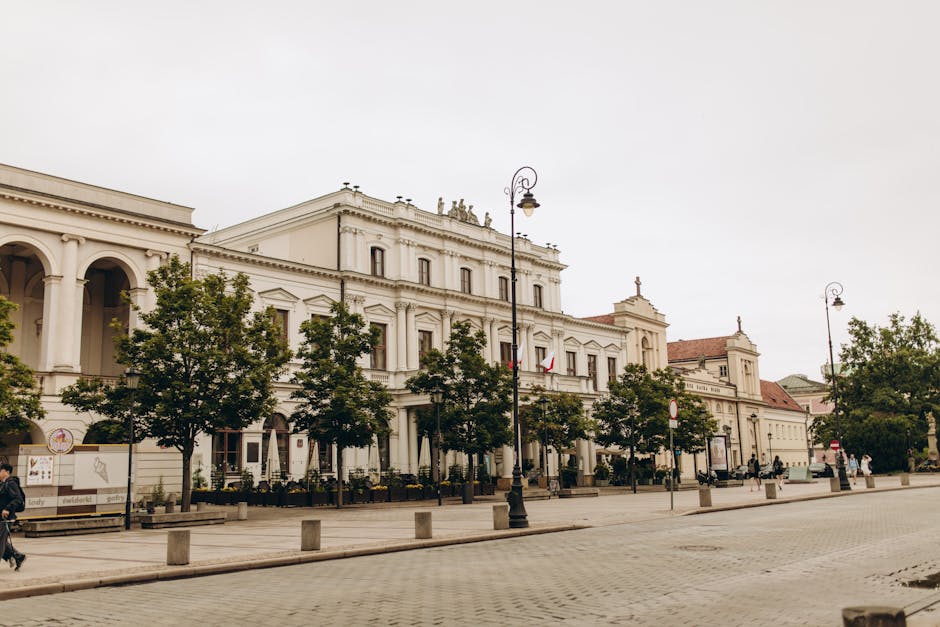
Explore Warsaw's scenic riverfront, rooftop gardens, and industrial-chic architecture on this self-guided stroll through the Powiśle district.
 Moderate
Barcelona, Spain
Explore the elegant 'village' of Sarrià, where Gothic monasteries and Gaudí's hidden gems meet charming local markets and narrow streets.
 Moderate
Barcelona, Spain
Discover the revolutionary history and haunting scars of the Spanish Civil War on this self-guided walk through Barcelona's historic streets.
 Easy
EasyBarcelona, Spain
Discover the architectural wonders of Barcelona's Golden Square on this self-guided stroll through Eixample's most luxurious Modernista streets.
 Challenging
Barcelona, Spain
Explore Montjuïc’s lush gardens, historic fortress, and iconic Olympic venues on this scenic self-guided walk with panoramic Mediterranean views.
