Cross the Guadalquivir River and step into a world that feels distinct from the rest of Seville. Triana is not just a neighborhood; it is a state of mind. Known for its fierce independent spirit, this area has historically been the home of sailors, potters, and flamenco legends. This self-guided walk invites you to explore the 'Soul of Triana,' where the air is thick with the scent of orange blossoms and the echoes of rhythmic hand-clapping. On this neighborhood stroll, you will discover why Triana considers itself separate from the city across the water, often referred to by locals as 'the other side.' Your walking route begins along the iconic Calle Betis, where colorful facades reflect in the river, providing some of the most beautiful views of the Seville skyline. As you wander deeper into the district, you will encounter the Real Parroquia de Señora Santa Ana, a fortress-like church that has stood since the 13th century and remains the heart of the community's spiritual life. The route then leads you to the bustling Mercado de Triana, a vibrant food market built directly on top of the ruins of a dark past—the Castle of San Jorge, once the headquarters of the Spanish Inquisition. You will also explore the artistic heritage of the area at the Centro Cerámica Triana. This former factory showcases the intricate tile-making traditions that have decorated Spain’s palaces and plazas for centuries. The journey concludes at the Puente de Isabel II, the historic iron bridge that serves as the physical and symbolic link between Triana and Seville. This audio walk is designed for those who want to explore independently, moving at their own pace through narrow alleys and sun-drenched plazas. Whether you are interested in the origins of flamenco or the meticulous craft of ceramics, this route provides a deep dive into the cultural fabric of Seville’s most charismatic quarter.
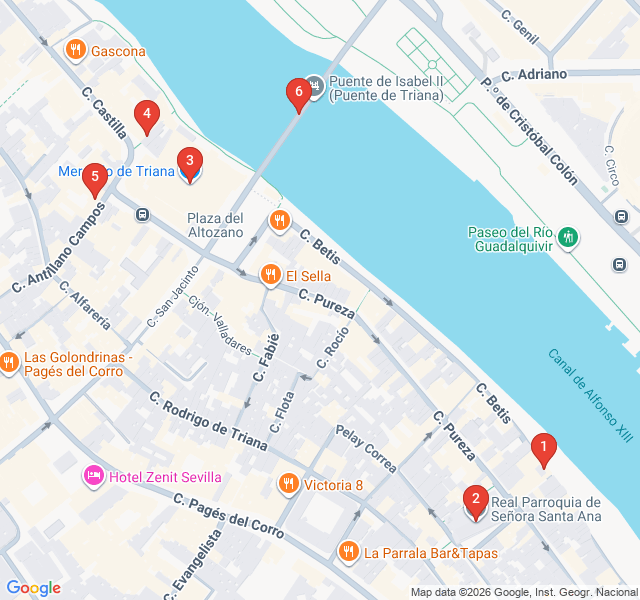
Numbers indicate the order of stops on the tour
Welcome to Calle Betis, the picturesque balcony of Triana. As you stand here, notice the vibrant, multicolored facades of the houses lining the river. This street has long been the lifeblood of the neighborhood, once home to the sailors and merchants who fueled Seville’s maritime golden age. Across the water, you can see the Golden Tower and the Giralda, but for Trianeros, the best view is always from this side. This area is also deeply connected to the birth of flamenco; it was in the small patios and taverns nearby that the 'cante jondo' or deep song was perfected by the local Roma community. Take a moment to enjoy the breeze from the Guadalquivir before heading inland.
Known locally as the Cathedral of Triana, this church was founded in 1266 by King Alfonso X the Wise. Legend says the King built it as a gesture of gratitude after being cured of an eye disease. The architecture is a fascinating blend of Gothic and Mudéjar styles, appearing almost like a fortress from the outside. Inside, the church is a treasure trove of religious art and local tradition. Look for the 'negrito' on the tomb of Iñigo López, which local lore says can help women find a husband if they kick it three times. This church remains the spiritual anchor for the neighborhood's many brotherhoods and festivals.
Step inside the Mercado de Triana, where the sensory delights of Seville come alive. This isn't just a place to buy fresh olives, Iberian ham, and local cheeses; it is a site of immense historical weight. The market was built in 1823 directly over the remains of the Castillo de San Jorge. For centuries, that castle served as the seat of the Spanish Inquisition’s tribunal. Today, the atmosphere is far more joyful. You can see the original foundation walls in the lower levels, while above, locals gather at small stalls for tapas and conversation. It is the perfect spot to observe the daily rhythms of Triana life.
This narrow, shadowed passage is one of the most evocative spots in Triana. The Callejón de la Inquisición, or Inquisition Alley, was the path used to lead prisoners to the castle’s courtyard for judgment or to the river to be transported. Despite its grim history, the alley today is a quiet, peaceful link between the market and the river walk. As you walk through these high walls, notice how the light filters in, creating a somber yet beautiful atmosphere. It serves as a stark reminder of the city's complex history, transitioning from the dark era of religious persecution to the open, sunny riverfront you see at the end of the tunnel.
Triana and ceramics are inseparable. For centuries, the clay from the riverbanks was used to create the beautiful tiles, or 'azulejos,' that decorate the Plaza de España and the Alcázar. This center is located in the former Santa Ana pottery factory, which operated until the late 20th century. Inside, you can see the original kilns, drying rooms, and water tanks used by the master potters. The museum explains the technical process of glazing and firing that made Triana ceramics famous worldwide. Even the building's exterior, with its modern ceramic lattice, pays homage to the craft that has defined this neighborhood's economy and identity for generations.
Commonly known as the Triana Bridge, this iron structure is an icon of Seville. Completed in 1852, it replaced an ancient bridge of boats that had been the only crossing point for nearly 700 years. It was designed by French engineers and inspired by the Carrousel Bridge in Paris. As you walk across, you are literally crossing the threshold between the independent-minded Triana and the historic center of Seville. Look back toward the neighborhood you’ve just explored; the view of the ceramic-domed buildings and the river walk is one of the most photographed in Spain. It is the perfect place to end your self-guided adventure as the city lights begin to twinkle.
Download Zigway to experience "Soul of Triana: Flamenco and Ceramics" with AI-powered audio narration. Walk at your own pace while stories unfold around you.
 Challenging
Seville, Spain
Explore the futuristic legacy of Expo 92 and the ancient secrets of a Carthusian monastery on this self-guided walk through Isla de la Cartuja.
 Moderate
Seville, Spain
Explore Seville's artistic soul in Macarena, featuring ancient walls, vibrant markets, and bohemian workshops on this independent audio walk.
 Easy
EasySeville, Spain
Discover Seville's modern side! Explore the iconic Setas, Roman ruins, and trendy boutiques on this self-guided walking route through the city center.
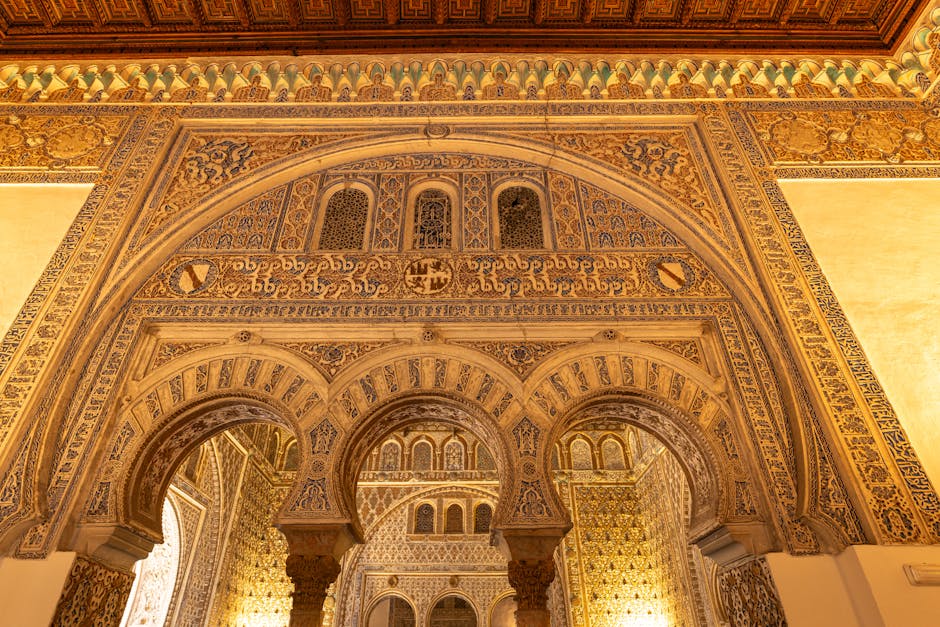 Easy
EasySeville, Spain
Discover Seville’s ancient Roman roots and Baroque splendor on this self-guided stroll through the vibrant Alfalfa neighborhood.
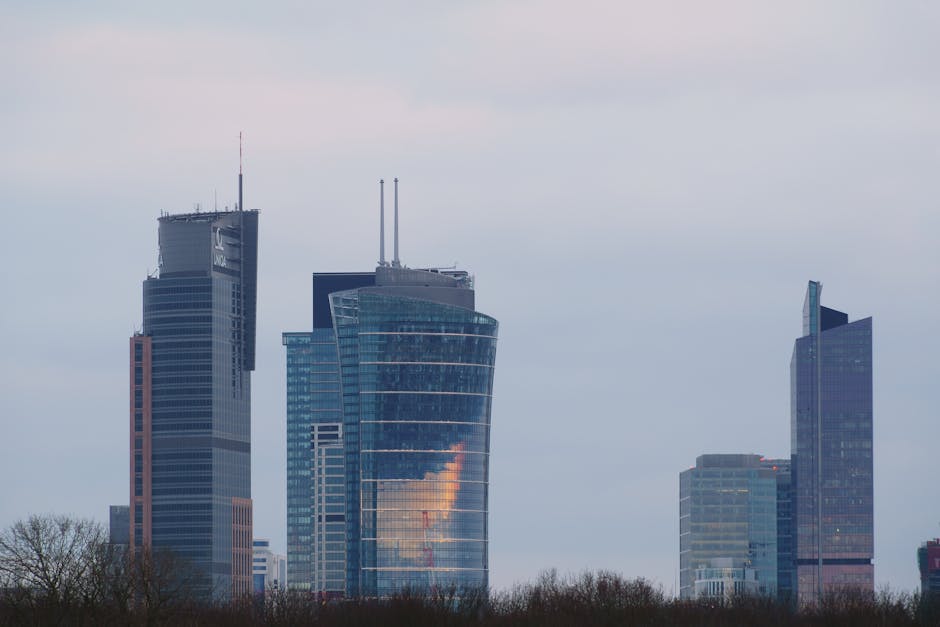 Easy
EasyWarsaw, Poland
Discover the hidden courtyards and grand pre-war architecture of Warsaw's most atmospheric neighborhood on this self-guided stroll.
 Easy
EasyGothenburg, Sweden
Explore Gothenburg's maritime soul on this self-guided walk from historic shipyards to sleek modern piers and iconic industrial landmarks.
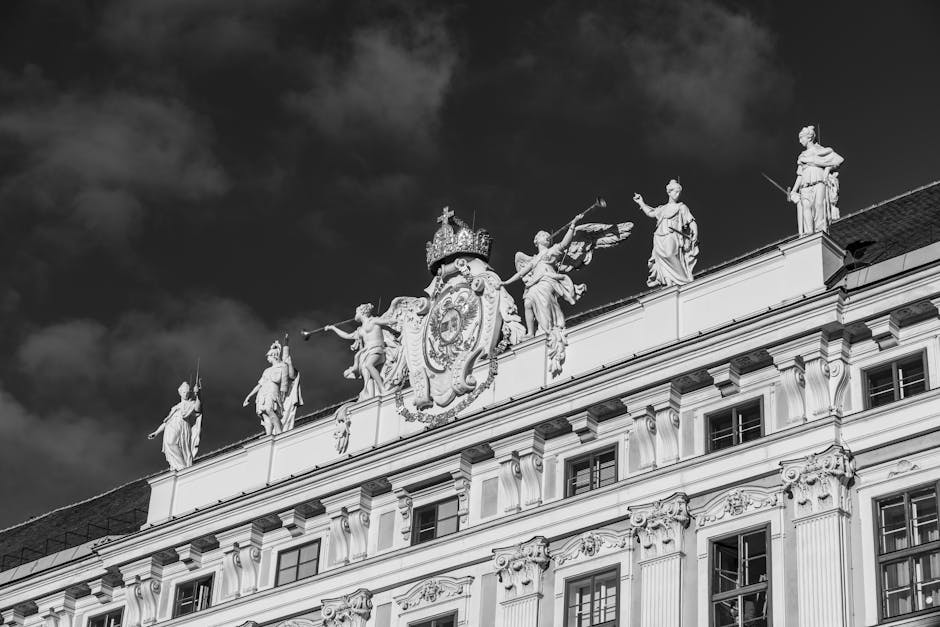 Easy
EasyVienna, Austria
Explore Vienna’s vibrant open-air gallery along the Danube Canal on this self-guided street art and nightlife stroll through Leopoldstadt.
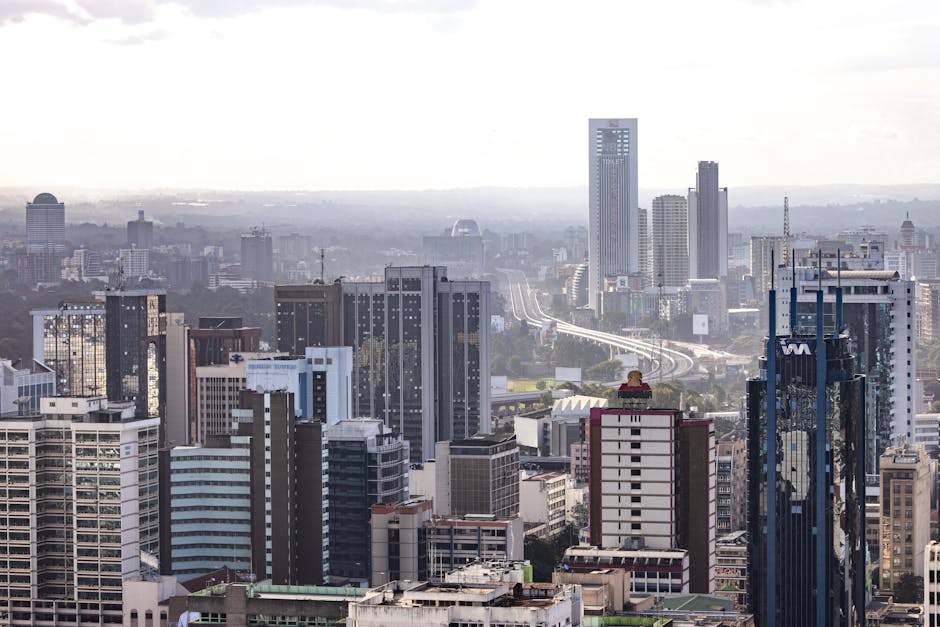 Easy
EasyNairobi, Kenya
Explore the history of Kenya’s independence through the statues, monuments, and parks that define Nairobi’s political heart on this self-guided walk.
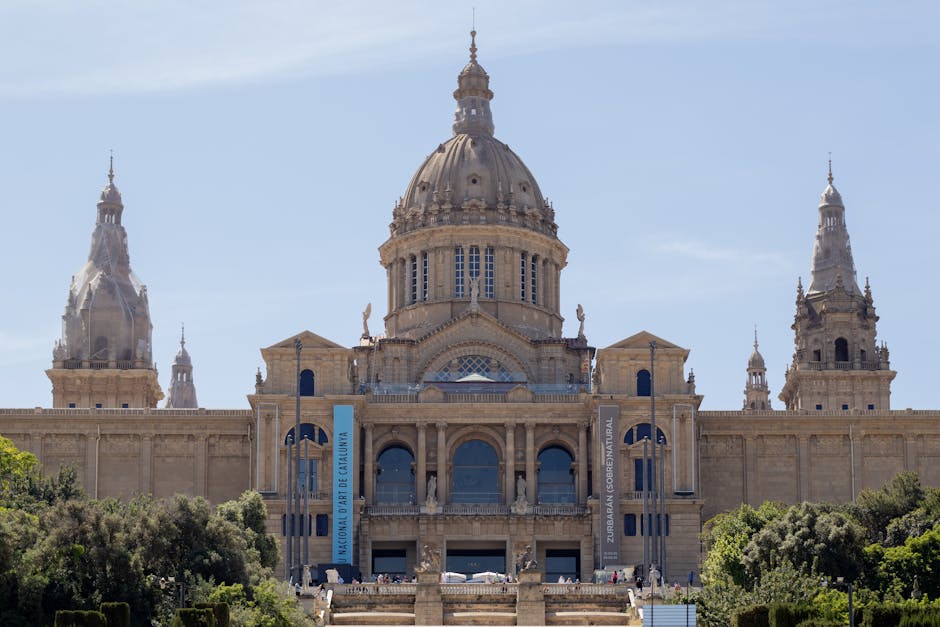 Moderate
Barcelona, Spain
Explore the elegant 'village' of Sarrià, where Gothic monasteries and Gaudí's hidden gems meet charming local markets and narrow streets.
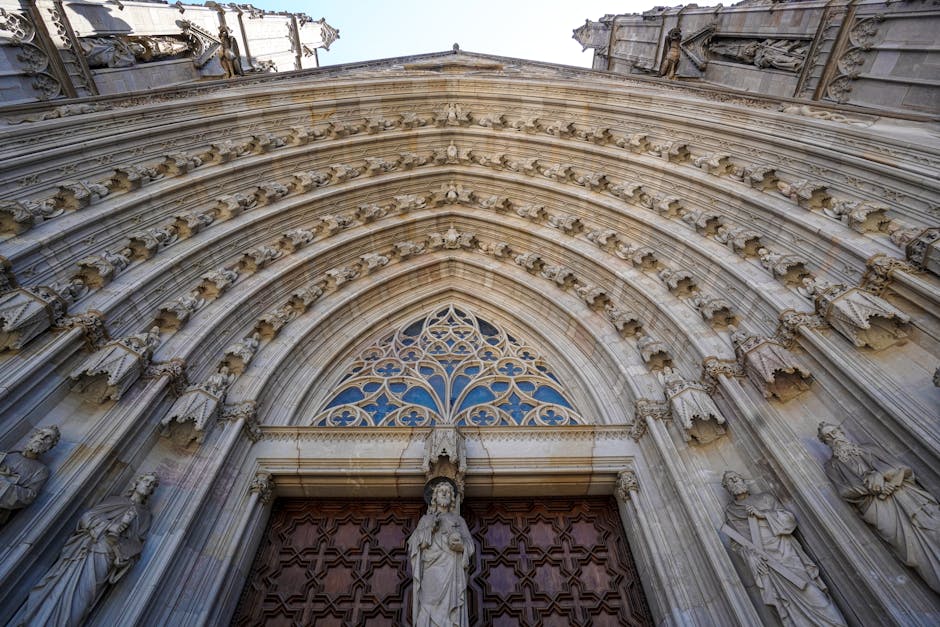 Moderate
Barcelona, Spain
Discover the revolutionary history and haunting scars of the Spanish Civil War on this self-guided walk through Barcelona's historic streets.
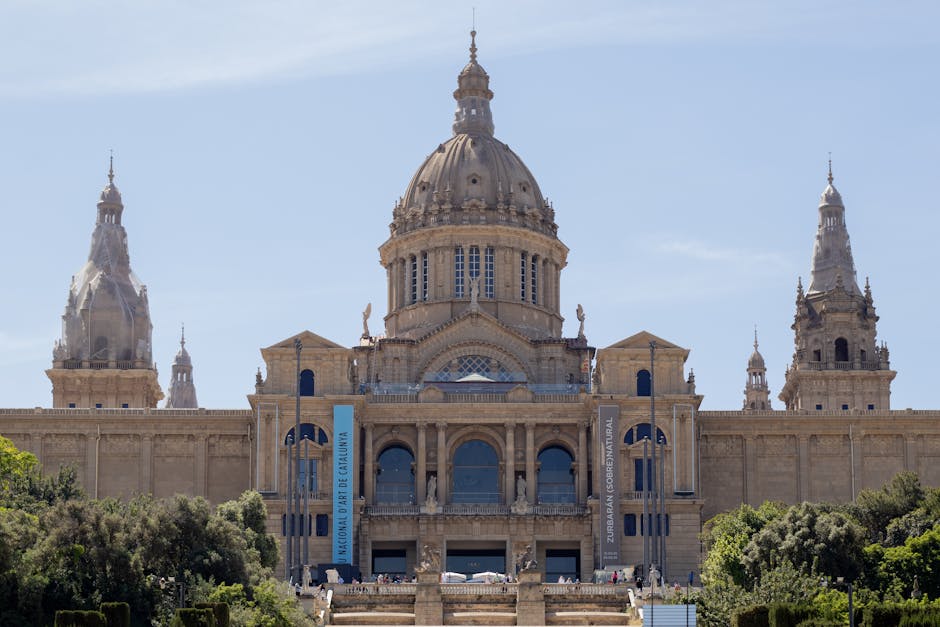 Easy
EasyBarcelona, Spain
Discover the architectural wonders of Barcelona's Golden Square on this self-guided stroll through Eixample's most luxurious Modernista streets.
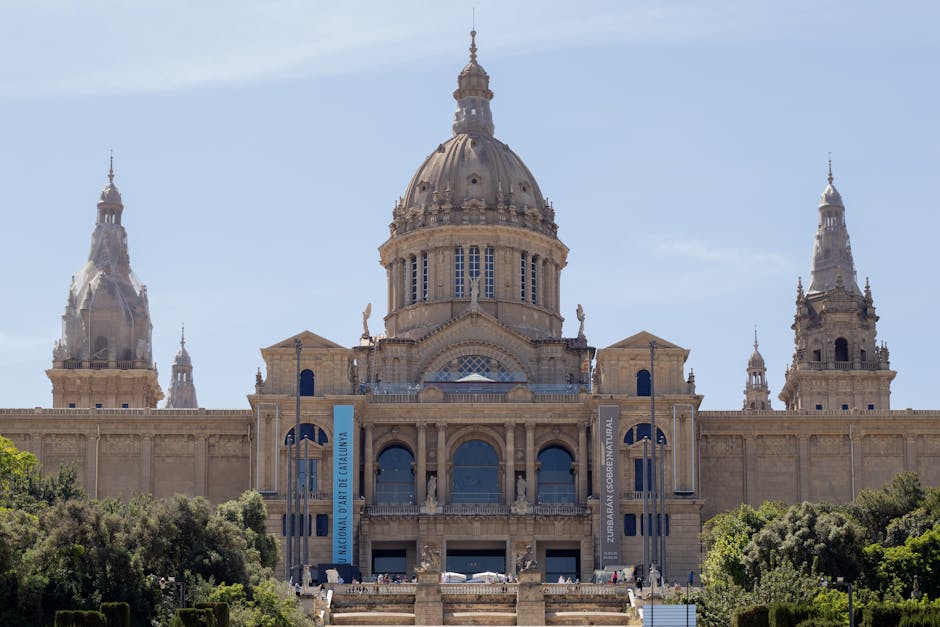 Challenging
Barcelona, Spain
Explore Montjuïc’s lush gardens, historic fortress, and iconic Olympic venues on this scenic self-guided walk with panoramic Mediterranean views.
