Experience the majestic intersection of Spanish royalty and ancient Egyptian history on this self-guided walk through Madrid's most scenic district. This walking route takes you from the heart of the Spanish monarchy to one of the city's most surprising landmarks—an authentic 2,000-year-old Egyptian temple. As you explore independently, you will witness the architectural evolution of a city that transformed from a medieval fortress into a global imperial capital. The journey begins at the Plaza de Oriente, a regal space framed by the Royal Palace and the Teatro Real, where statues of Gothic kings stand watch over meticulously manicured gardens. This neighborhood stroll captures the essence of 'Madrid de los Austrias' while offering some of the most spectacular photography opportunities in the city. Moving past the colossal Royal Palace—the largest functioning royal residence in Western Europe—the route leads you to the Almudena Cathedral. This site is unique for its blend of architectural styles, featuring a neo-Gothic interior that contrasts sharply with its neoclassical exterior. As you continue your self-guided adventure, you will find respite in the Sabatini Gardens, where the geometric hedges and cooling fountains provide a perfect vantage point for the palace’s northern facade. The highlight of the route is the ascent toward the Temple of Debod. This ancient monument was gifted to Spain by Egypt in the 20th century to save it from the rising waters of the Nile. Today, it stands as a testament to international cooperation and offers a breathtaking backdrop for the evening sun. Whether you are interested in the intricate history of the Spanish crown or simply want to capture the perfect sunset over the Casa de Campo, this walking route offers a peaceful yet profound look at the capital's heritage. This self-guided walk is designed to be flexible, allowing you to linger at the viewpoints or explore the interiors of the monuments at your own pace without the pressure of a group.
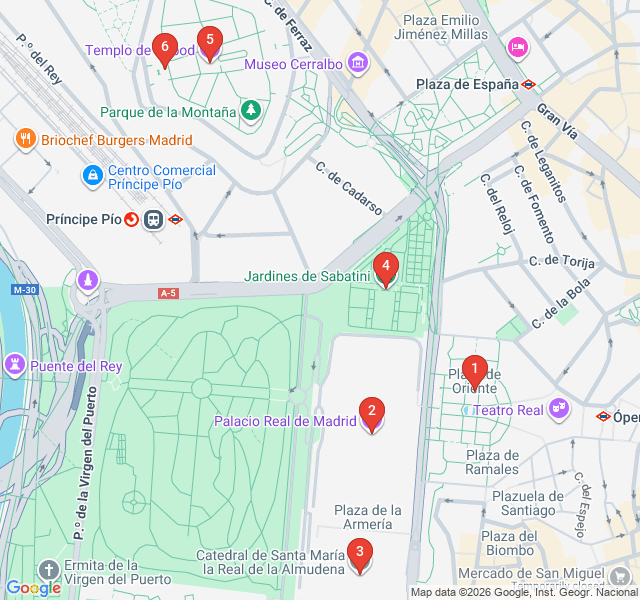
Numbers indicate the order of stops on the tour
Welcome to Plaza de Oriente, one of Madrid's most elegant public spaces. Designed in the 19th century, this semi-circular plaza acts as a grand foyer to the Royal Palace. Look around and you will see twenty limestone statues of Spanish monarchs, originally intended to decorate the palace roof but moved here due to their weight. In the center stands the magnificent bronze equestrian statue of King Philip IV; it was the first in the world to feature a horse rearing on its hind legs, a feat achieved with the help of calculations by Galileo Galilei. To the east, the Teatro Real (Royal Opera House) completes this architectural ensemble, making it a hub of culture and history.
Standing before you is the Palacio Real, a masterpiece of Italian Baroque and Neoclassical architecture. Built on the site of a former Moorish fortress that burned down in 1734, King Philip V ordered a new palace that would rival Versailles. With over 3,400 rooms and floor space spanning 135,000 square meters, it is nearly double the size of Buckingham Palace. While the Royal Family resides at the Palace of Zarzuela, this remains their official residence for state ceremonies. Notice the white Colmenar stone and granite construction, which gives the palace its distinctive pale glow, especially striking when illuminated at night.
The Almudena Cathedral is a fascinating study in architectural perseverance. Construction began in 1883 but wasn't completed until 1993, when it was finally consecrated by Pope John Paul II. Because it faces the Royal Palace, its exterior was designed in a neoclassical style to match its neighbor, while the interior is neo-Gothic. If you step inside, you'll see a surprisingly modern and colorful ceiling and stained-glass windows that depart from traditional cathedral aesthetics. The cathedral is dedicated to the Virgin of Almudena, the patroness of Madrid, whose image was allegedly hidden in the city walls during the Moorish occupation.
Descend into the Sabatini Gardens, a hidden gem of neoclassical landscape design. Named after Francesco Sabatini, the Italian architect who designed the royal stables that once stood on this very spot, these gardens were only opened to the public in the 1970s. The layout is strictly formal, featuring symmetrical hedges, stone fountains, and a large rectangular pool. This is one of the best spots to appreciate the northern facade of the Royal Palace. The peaceful atmosphere here offers a stark contrast to the busy streets above, making it a favorite for locals looking for a quiet moment amidst the city's grandeur.
It is rare to find an authentic Egyptian temple in the heart of a European capital. The Temple of Debod dates back to the 2nd century BC and was dedicated to the goddess Isis. In the 1960s, the Egyptian government gifted the monument to Spain as a token of gratitude for Spanish help in saving the Abu Simbel temples from flooding during the construction of the Aswan High Dam. It was dismantled stone by stone, shipped to Madrid, and meticulously reconstructed here. Surrounded by water to mimic its original riverside location, it serves as a bridge between the ancient world and modern Madrid.
To conclude your journey, walk just behind the temple to the edge of the park. This viewpoint offers one of the most expansive vistas in Madrid. Looking out, you can see the lush canopy of the Casa de Campo—the city's largest park—and the distant peaks of the Sierra de Guadarrama. To your left, you get a unique profile view of the Royal Palace and the Cathedral domes. This spot is legendary among photographers during the 'blue hour' just after sunset, when the sky turns deep indigo and the city lights begin to twinkle. It is the perfect place to reflect on the layers of history you have traversed today.
Download Zigway to experience "Royal Splendor and the Temple of Debod" with AI-powered audio narration. Walk at your own pace while stories unfold around you.
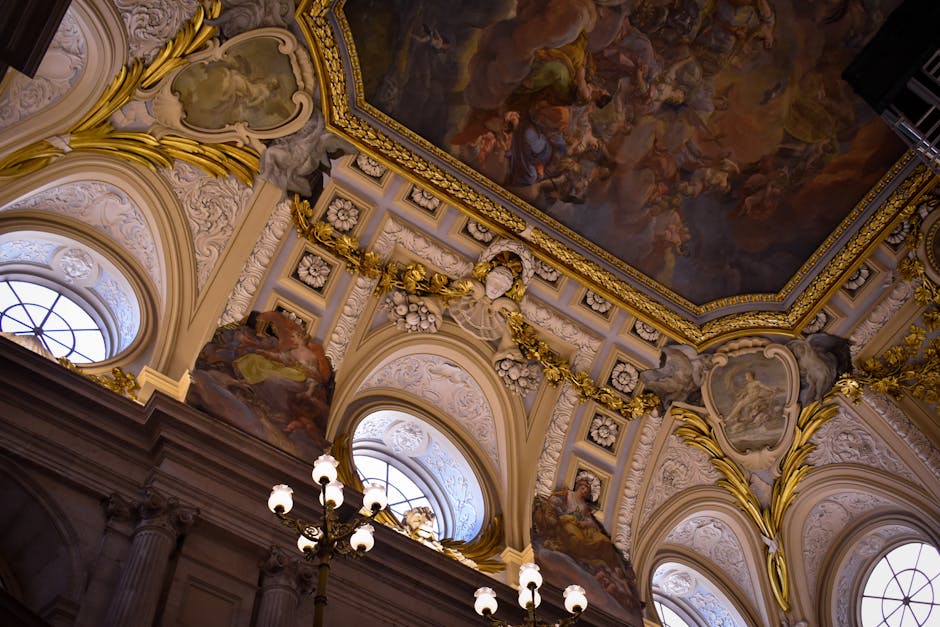 Easy
EasyMadrid, Spain
Explore Madrid's 'Landscape of Light' on this self-guided walk through the world-renowned Golden Triangle of Art, from Cibeles to the Reina Sofía.
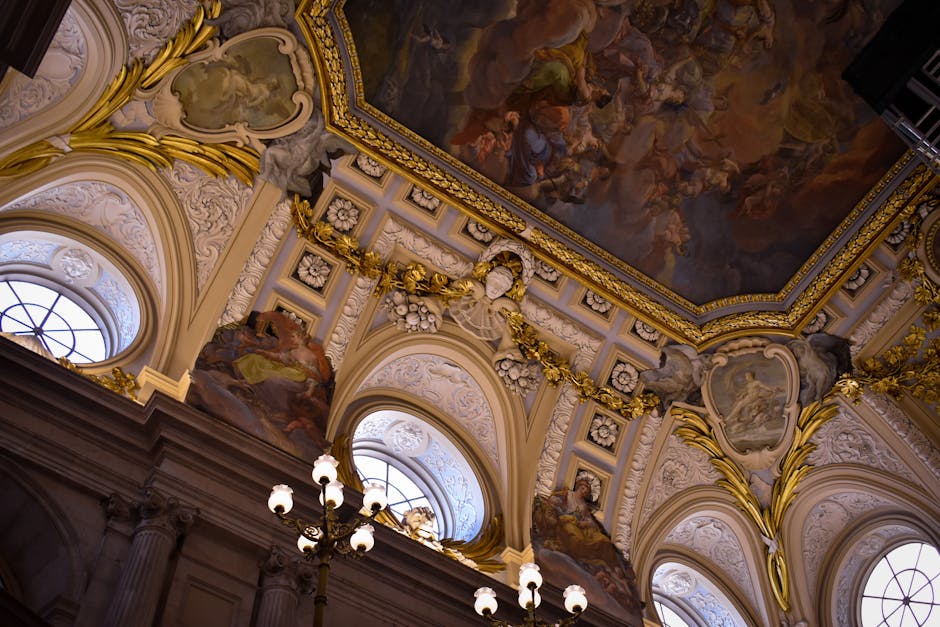 Moderate
Madrid, Spain
Explore Madrid's most diverse neighborhood on this self-guided walk through street art, historic markets, and multicultural squares.
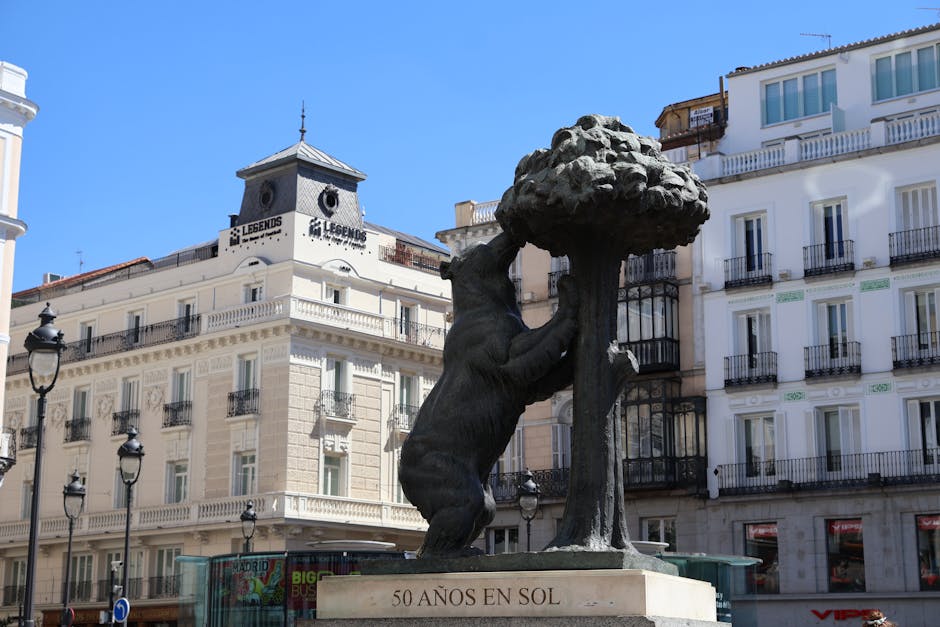 Easy
EasyMadrid, Spain
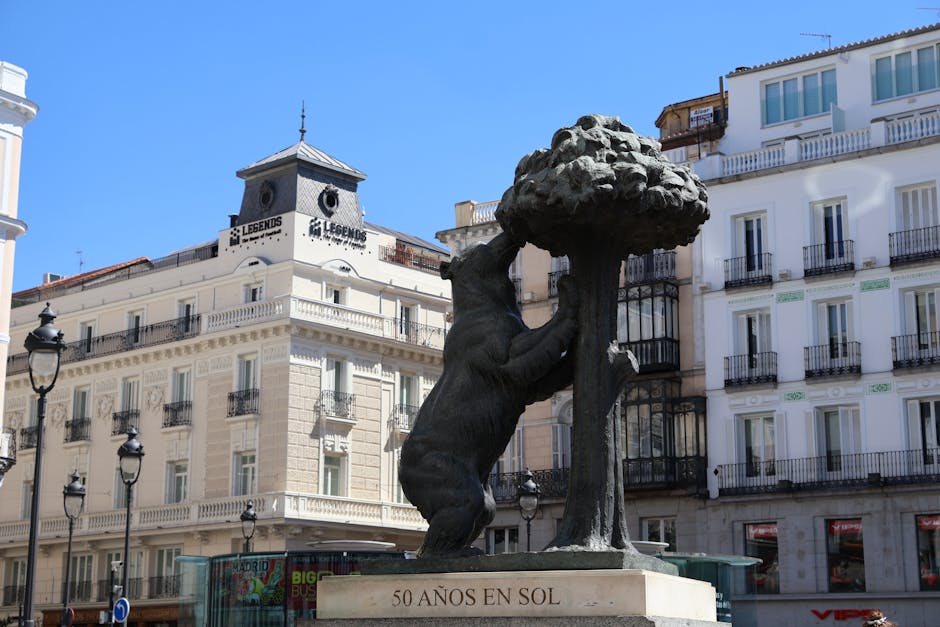
Explore the royal legacy and medieval alleys of Madrid's historic Habsburg district on this immersive self-guided walk through the city's heart.
 Easy
EasyMadrid, Spain
Discover the rebellious spirit of Malasaña on this self-guided walk through Madrid's best street art, historic squares, and counter-culture hubs.
 Easy
EasyGdansk, Poland
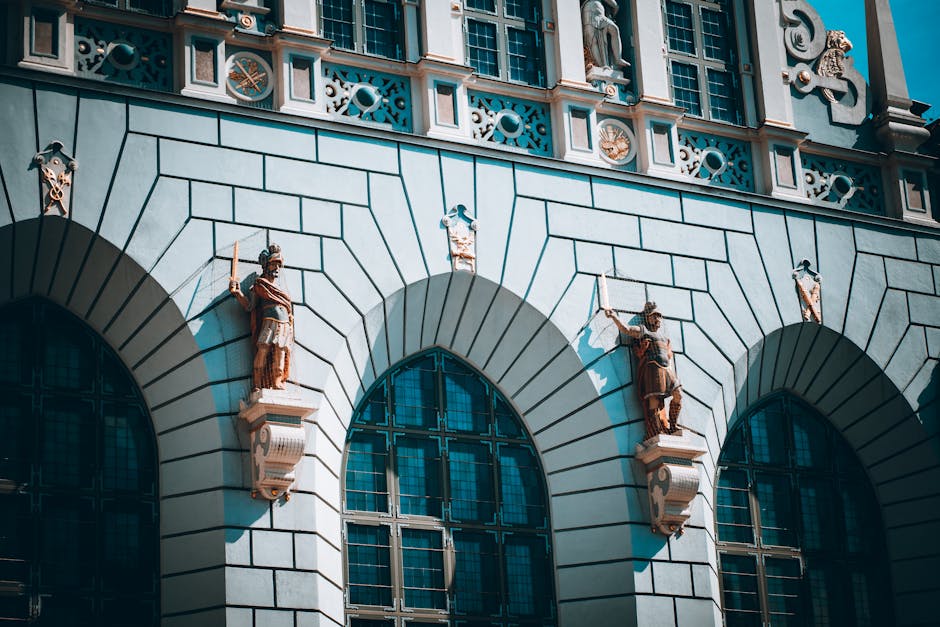
Discover the opulent Royal Way of Gdansk at your own pace. Explore Hanseatic history, gilded architecture, and the iconic Neptune's Fountain.
 Easy
EasyWarsaw, Poland
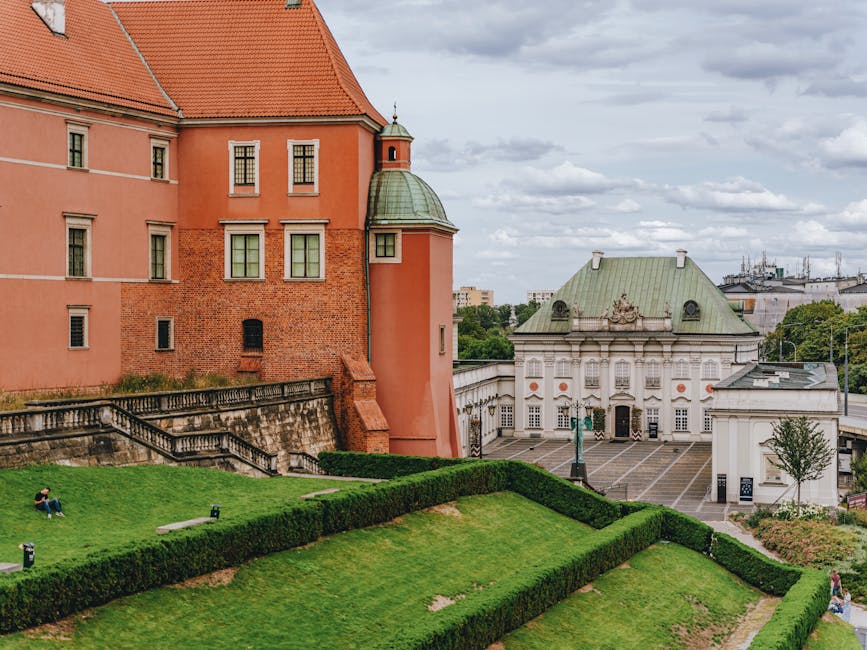
Explore the miracle of Warsaw's reconstructed Old Town on this self-guided walk through royal squares, medieval walls, and heroic monuments.
 Easy
EasyNairobi, Kenya
Discover Nairobi's iconic skyline on this self-guided architecture walk through the CBD’s most famous modernist and Brutalist landmarks.
 Easy
EasySalzburg, Austria
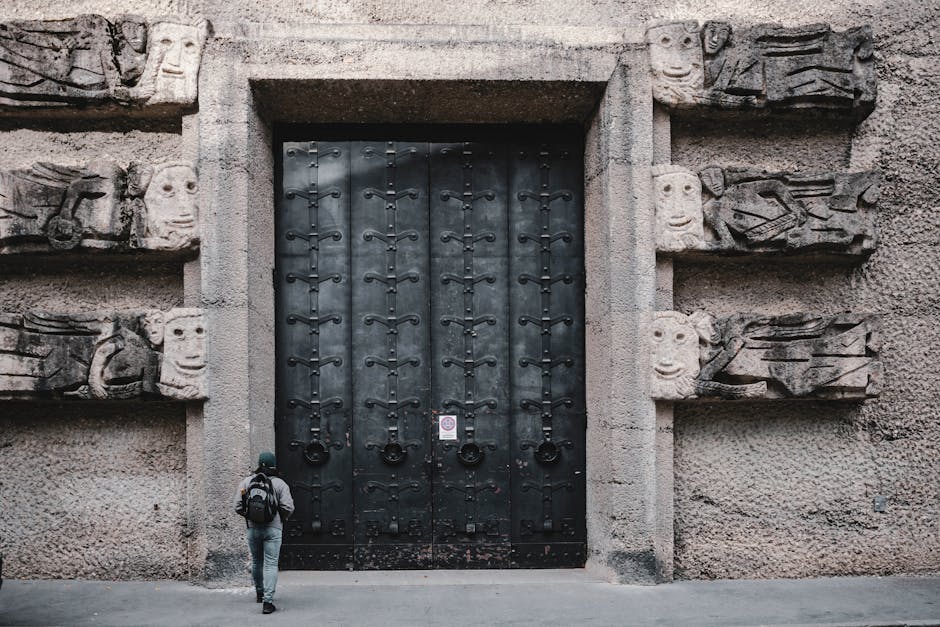
Discover the 'Rome of the North' on this self-guided walk through the Baroque squares and monumental legacy of Salzburg’s Prince-Archbishops.
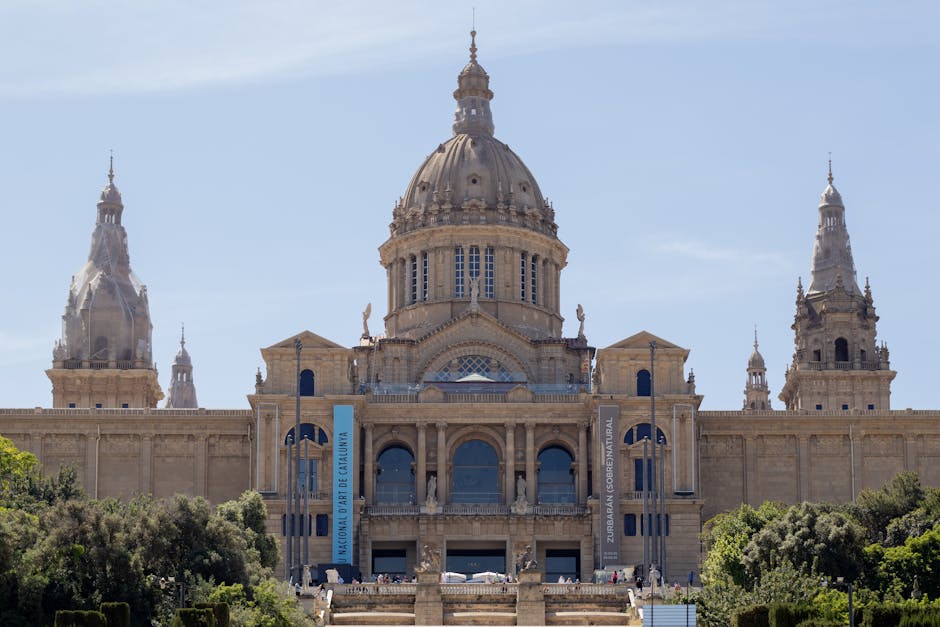 Moderate
Barcelona, Spain
Explore the elegant 'village' of Sarrià, where Gothic monasteries and Gaudí's hidden gems meet charming local markets and narrow streets.
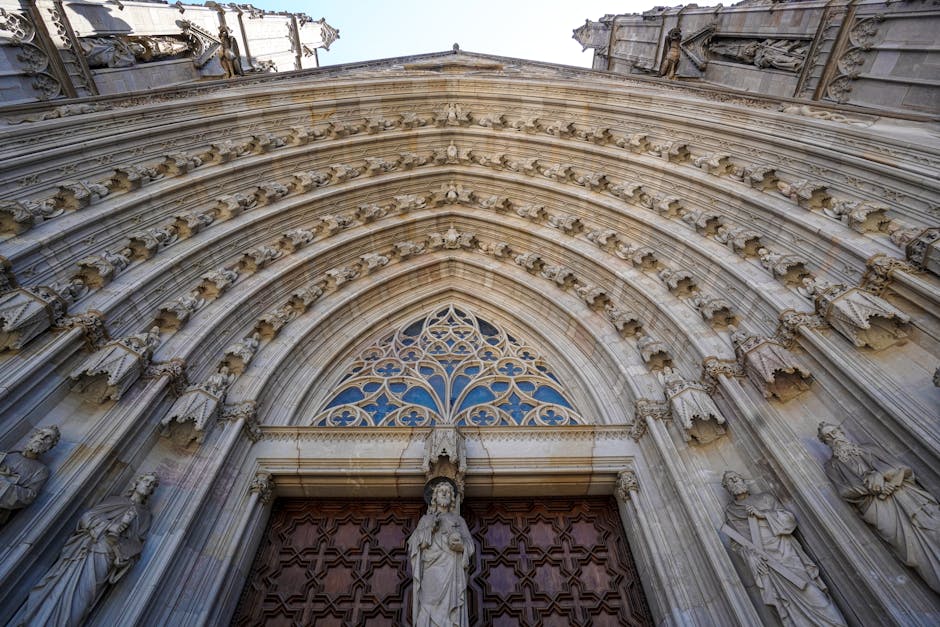 Moderate
Barcelona, Spain
Discover the revolutionary history and haunting scars of the Spanish Civil War on this self-guided walk through Barcelona's historic streets.
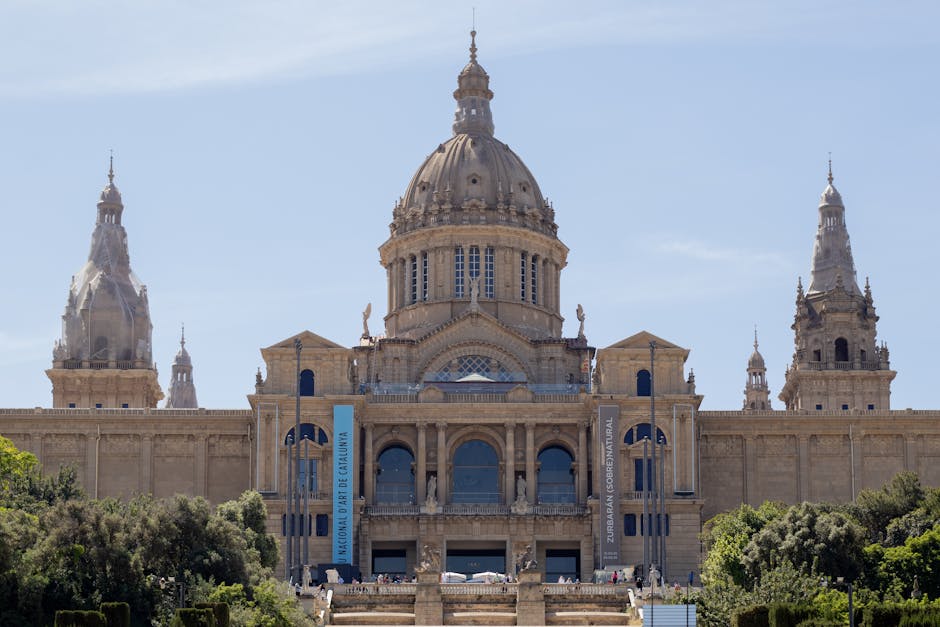 Easy
EasyBarcelona, Spain
Discover the architectural wonders of Barcelona's Golden Square on this self-guided stroll through Eixample's most luxurious Modernista streets.
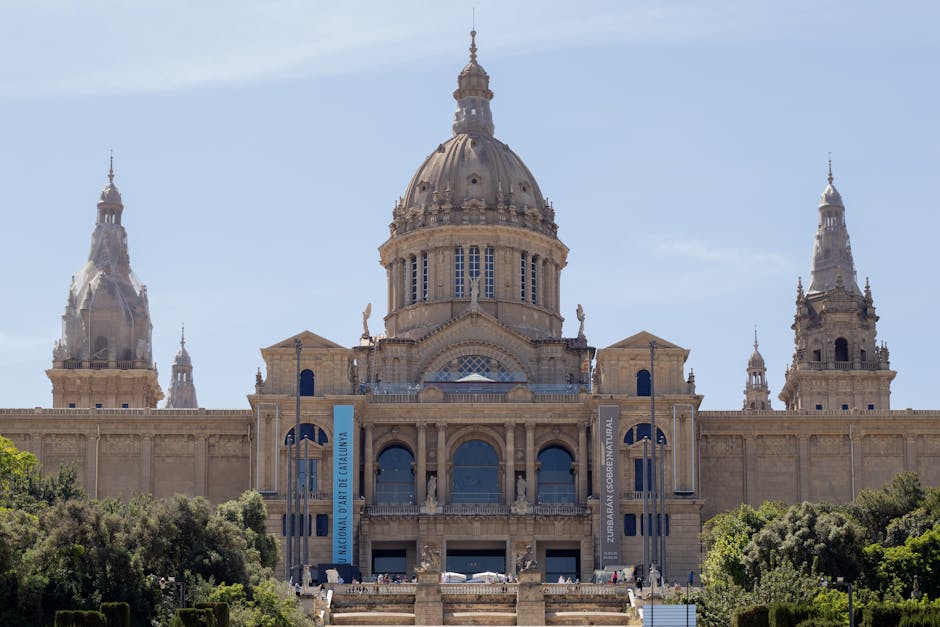 Challenging
Barcelona, Spain
Explore Montjuïc’s lush gardens, historic fortress, and iconic Olympic venues on this scenic self-guided walk with panoramic Mediterranean views.
