Perched on the rugged hillsides above the Darro Valley, Sacromonte is perhaps Granada’s most evocative and misunderstood neighborhood. This self-guided walk invites you to explore a world carved directly into the rock, where the Gitano (Gypsy) community forged a unique identity through the art of Flamenco and the necessity of cave-dwelling. As you navigate the winding, whitewashed paths, you will discover the birthplace of the Zambra, a passionate style of flamenco performed in the intimate setting of family caves. This walking tour Granada offers a stark contrast to the palatial grandeur of the Alhambra, showing the soul of the city’s working-class and artistic roots. Along the way, you will pass legendary performance spaces like Cueva La Rocio and Zambra María la Canastera, which have hosted icons of music and world leaders alike. The route climbs upward, offering some of the most spectacular, unobstructed views of the Alhambra fortress across the valley. You will also visit the Sacromonte Cave Museum to understand the ingenious architecture of these underground homes, which remain naturally climate-controlled year-round. Finally, the journey leads to the majestic Sacromonte Abbey, a site of deep religious significance and mystery. This neighborhood stroll is a deep dive into the sounds, smells, and stories of a community that has survived through resilience and art. For those looking for a comprehensive walking tour Granada experience that feels worlds away from the tourist crowds, this route provides the perfect balance of history and atmosphere.
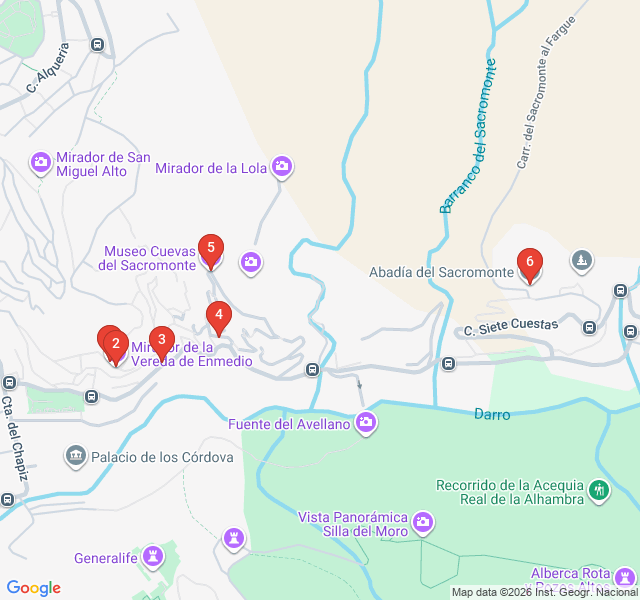
Numbers indicate the order of stops on the tour
Welcome to the entrance of Sacromonte. This street, Verea de Enmedio, serves as the main artery connecting the Albaicín to the heart of the cave district. As you begin this self-guided walk, notice the transition from the structured Moorish houses of the Albaicín to the more organic, whitewashed walls that lead into the mountain. This neighborhood was settled in the 15th century, primarily by the Roma community following the Reconquista. The geography here defined the lifestyle; because they were often excluded from the city center, residents carved their homes directly into the soft 'caliza' rock. Look around at the narrow paths and the scent of jasmine and woodsmoke that often lingers here.
Pause here for one of the most iconic views in Spain. Directly across the valley, the Alhambra stands in all its red-stoned glory. From this vantage point, you can see the Generalife gardens and the massive fortress walls. This viewpoint is a favorite for photographers because it captures the contrast between the royal power of the Alhambra and the humble, cave-dwelling heritage of Sacromonte. It is a place where many local guitarists come to practice, so you might even hear the distant strumming of a flamenco guitar echoing across the ravine. Take a moment to appreciate the silence away from the city's main tourist hubs.
You are standing outside Cueva La Rocio, one of the most famous 'zambras' in the district. Founded in 1951 by the Maya family, one of the most prestigious dynasties in the world of flamenco, this cave has hosted everyone from the King of Spain to Michelle Obama. Unlike the flamenco you might see in a theater, the Zambra performed here is intimate and raw. The dancers perform in a long, narrow cave room, often just inches from the audience. This style is unique to Sacromonte, characterized by its barefoot movements and the use of traditional wedding rituals in the choreography. The copper pots hanging from the walls aren't just for show; they are part of the traditional cave decor.
This stop brings you to the home and performance space of María la Canastera, a legendary figure who became a symbol of Sacromonte culture. María was a dancer and singer who preserved the authentic Zambra when it was at risk of disappearing. The cave is now part museum, part performance space. Inside, the walls are covered with photos of the celebrities who visited her in the mid-20th century. Notice how the cave is divided into different 'rooms' for living and performing. The acoustics inside these rock-carved spaces are naturally amplified, creating a hauntingly beautiful sound for the 'cante jondo' or deep song of flamenco.
To truly understand how life was lived in these hills, explore the Museo Cuevas del Sacromonte. This ethnographic center features several preserved caves that show the traditional crafts of the neighborhood, such as pottery, weaving, and blacksmithing. You will learn about the 'bioclimatic' nature of cave dwellings; they maintain a steady temperature of around 18 to 20 degrees Celsius throughout the year, regardless of the scorching Andalusian summer or the cold winter winds. The museum also explains the complex relationship between the local environment and the people, including how they managed water and agriculture on these steep slopes.
Your walk concludes at the Sacromonte Abbey, perched at the top of the hill. This 17th-century complex was built following the discovery of the 'Lead Books' and the remains of Saint Cecilio, the patron saint of Granada, in the nearby catacombs. The Abbey is a place of great mystery and religious devotion. Explore the cloisters and, if time permits, the 'Holy Caves' beneath the church where the martyrs were said to have been found. From this height, the view extends over the entire Darro Valley and back toward the city center. It is a peaceful, spiritual end to a journey through one of the most vibrant neighborhoods in Spain.
Download Zigway to experience "Sacromonte: Caves and Flamenco" with AI-powered audio narration. Walk at your own pace while stories unfold around you.
 Moderate
Granada, Spain
Explore the bohemian heart of Granada's oldest district on this self-guided walking route through the hidden gems of the Upper Albaicín.
 Easy
EasyGranada, Spain
Discover the legacy of the Nasrid silk trade and the vibrant evolution of Granada's historic center on this atmospheric self-guided walk.
 Moderate
Granada, Spain
Explore Granada's historic Jewish Quarter and discover world-class street art on this self-guided walk through the vibrant Realejo neighborhood.
 Moderate
Granada, Spain
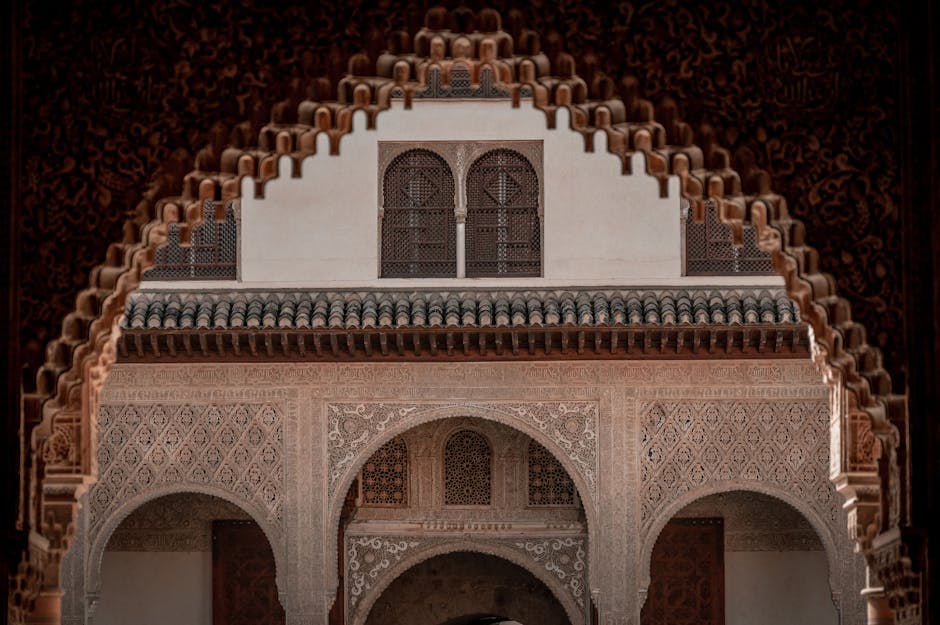
Discover the Moorish soul of Granada on this self-guided walk through the Albaicín’s winding streets, historic palaces, and iconic viewpoints.
 Moderate
Gdansk, Poland
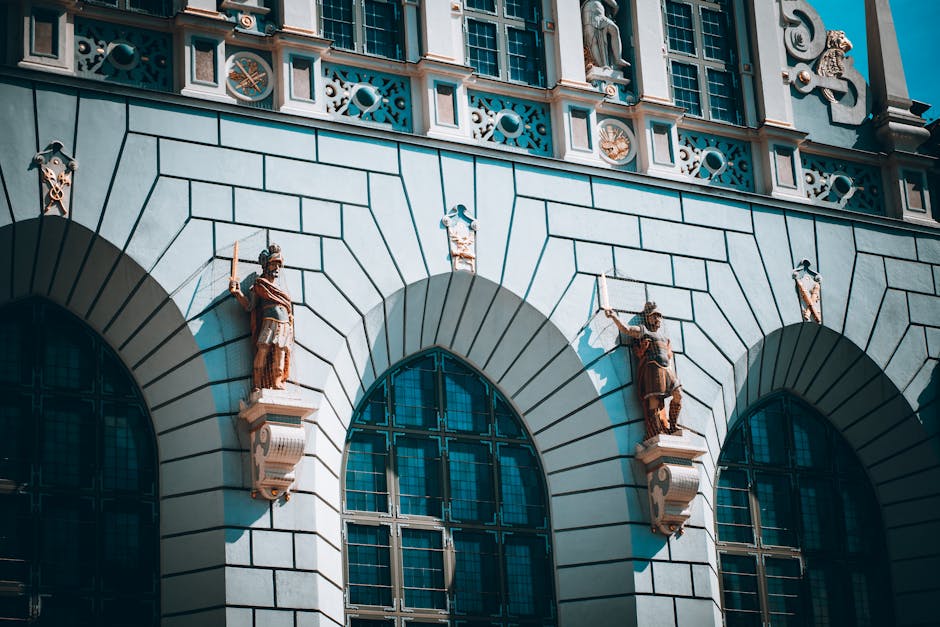
Discover Zaspa, a massive open-air gallery where grey housing blocks are transformed by over 60 monumental murals. Explore at your own pace.
 Moderate
Nairobi, Kenya
Discover the pulse of Nairobi's contemporary art scene on this self-guided walk through the galleries and creative spaces of Kilimani.
 Easy
EasyKrakow, Poland
Discover Krakow’s creative soul in Zabłocie, exploring industrial heritage, contemporary art museums, and avant-garde architecture at your own pace.
 Moderate
Gdansk, Poland
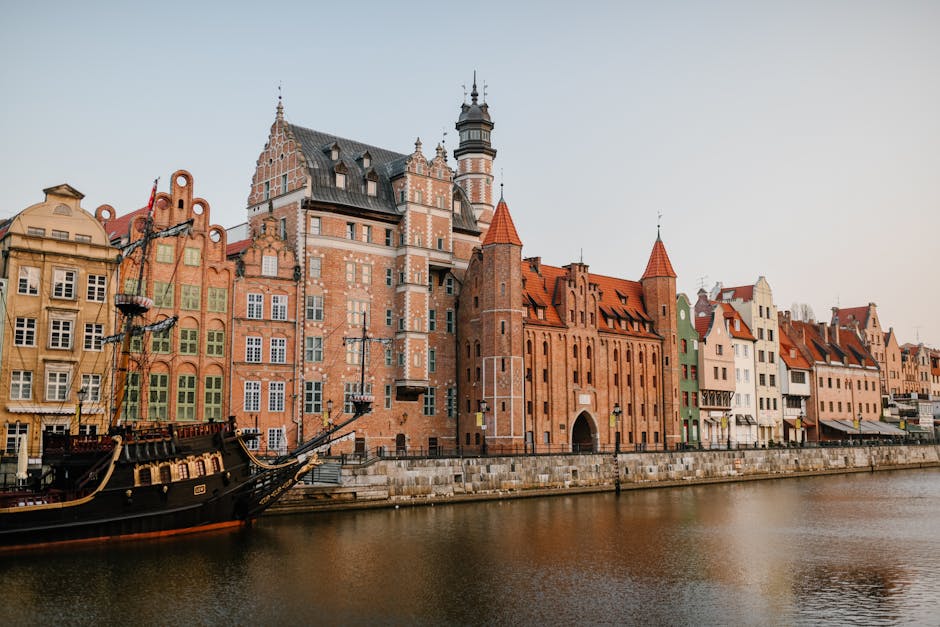
Discover the raw beauty of Gdansk’s Lower Town. Explore industrial ruins, hidden sluices, and riverside bastions on this self-guided walk.
 Moderate
Barcelona, Spain
Explore the elegant 'village' of Sarrià, where Gothic monasteries and Gaudí's hidden gems meet charming local markets and narrow streets.
 Moderate
Barcelona, Spain
Discover the revolutionary history and haunting scars of the Spanish Civil War on this self-guided walk through Barcelona's historic streets.
 Easy
EasyBarcelona, Spain
Discover the architectural wonders of Barcelona's Golden Square on this self-guided stroll through Eixample's most luxurious Modernista streets.
 Challenging
Barcelona, Spain
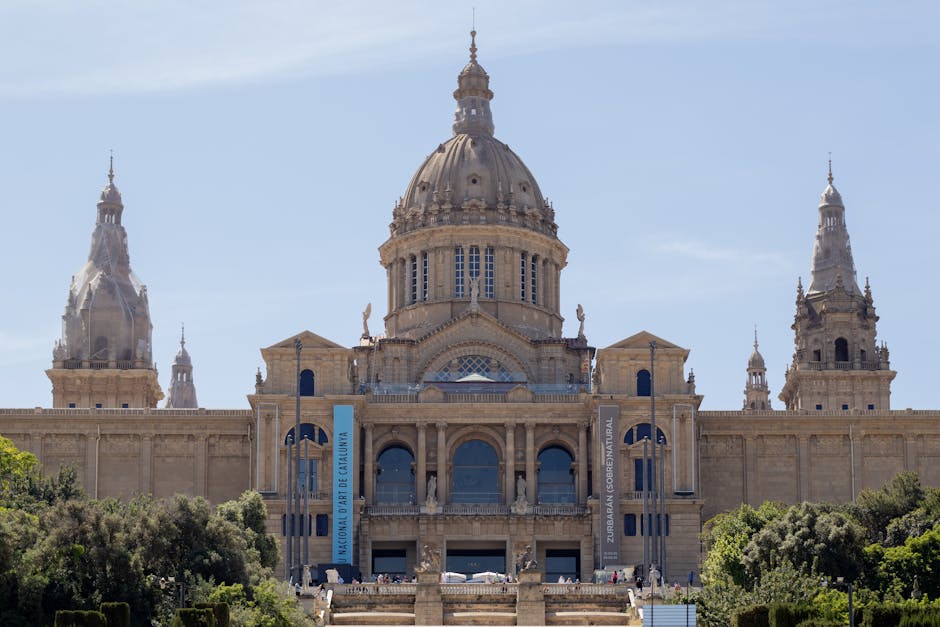
Explore Montjuïc’s lush gardens, historic fortress, and iconic Olympic venues on this scenic self-guided walk with panoramic Mediterranean views.
