Hamburg is a city defined by its relationship with water and industry, but its most fascinating stories are hidden in its transformation. This self-guided walk explores the 'Industrial Rebirth' of the city, taking you from the polished elegance of the city center to the gritty, creative, and green landscapes of the Wilhelmsburg island. You will discover how former flak towers and honey factories have become beacons of sustainability and culture. This neighborhood stroll offers a deep dive into the city's 'industrial' heritage, showing how urban spaces can be reclaimed for nature and community. Starting at the bustling Alster waterfront, the route weaves through the botanical wonders of Planten un Blomen before heading south toward the Elbe. While a traditional guided tour Hamburg might focus only on the historic Speicherstadt, this walking route pushes further into the creative heart of St. Pauli and the revitalized canals of Wilhelmsburg. You will experience the contrast between the historic Jungfernstieg promenade and the radical, community-designed Park Fiction. The journey culminates in the southern island district, where the massive Energiebunker stands as a testament to Hamburg's green future. This travel experience is perfect for those who want to explore independently and see the city's layers, from its maritime roots to its modern, eco-friendly rebirth. Whether you are interested in architecture, urban planning, or simply finding the best sunset spots on the Alster, this route provides a comprehensive overview of Hamburg's unique character.
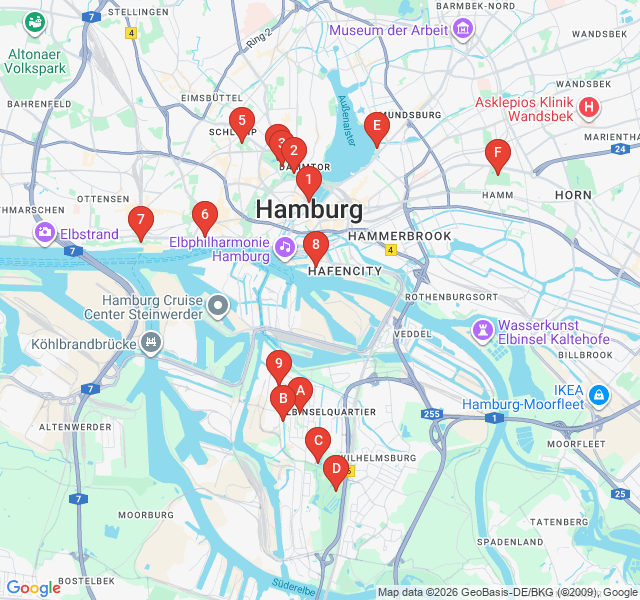
Numbers indicate the order of stops on the tour
Begin your self-guided adventure at Jungfernstieg, the city's elegant waterfront. This promenade was the first street in Germany to be paved with asphalt back in 1838. Historically, it was the place where wealthy families would take their 'unmarried daughters' (Jungfern) for a walk, giving the area its name. Today, it serves as the gateway to the Inner Alster. Take a moment to look at the Alster Fountain, which shoots water 60 meters into the air. This spot perfectly captures the transition from the historic commercial center to the vast green spaces that define the city's northern landscape.
Moving away from the water, you enter Dammtorpark, which serves as the entrance to the larger Planten un Blomen park system. This area was once part of the city's fortification walls, which were dismantled in the 19th century to make way for green space. As you walk, notice the Schiller Monument, a tribute to the famous German poet. This park represents the early efforts of the city to provide 'green lungs' for its citizens during the height of the industrial revolution, a theme that continues throughout this route.
Nested within Planten un Blomen is the Japanese Garden, the largest of its kind in Europe. Designed by landscape architect Yoshikuni Araki in 1988, it features a traditional teahouse overlooking a serene pond. The garden is a masterpiece of precision, where every stone and plant is placed to create a sense of harmony. It offers a stark, peaceful contrast to the industrial theme of the later stops. In the summer months, you might even find traditional tea ceremonies being performed here, continuing a cultural exchange that spans decades.
The name of this park is Low German for 'Plants and Flowers.' It is more than just a garden; it is the central social hub of the city. As you wander through, you'll pass the tropical greenhouses and the rose garden. This site hosted several International Garden Shows (IGS), which helped shape its diverse landscape. The park is a prime example of how Hamburg prioritizes public access to nature, even in the middle of a dense urban environment. Look out for the water-light concerts held here on summer evenings.
As you move toward the Sternschanze district, the vibe shifts. Schanzenpark is dominated by the 'Schantze,' a massive 19th-century water tower that has since been converted into a luxury hotel. This is your first major encounter with industrial repurposing on the route. The park is a favorite for locals and represents the city's alternative spirit. It serves as a buffer between the residential areas and the bustling nightlife of the Schanzenviertel, showcasing how old utility structures can find new life in a modern context.
Located in St. Pauli, Park Fiction is a triumph of community activism. In the 1990s, residents fought against the privatization of this waterfront space, successfully blocking the construction of office buildings. Instead, they designed this park themselves. Notice the artificial palm trees and the 'flying carpet' lawn. It’s a quirky, symbolic space that asserts the 'right to the city.' From here, you get a fantastic view of the harbor, where the industrial cranes remind you of the city's economic engine.
The 'Altona Balcony' offers one of the most iconic views in the city. Perched 27 meters above the Elbe, it provides a panoramic look at the container terminals and the Köhlbrand Bridge. It is the perfect place to witness the scale of Hamburg's port, the third largest in Europe. This spot highlights the geographic divide between the wealthy northern banks and the industrial southern islands, which you will explore next. It is a favorite spot for photographers capturing the sunset over the industrial horizon.
Located in the modern HafenCity district, Grasbrookpark is a 'play park' that bridges the gap between the historic port and new residential developments. It sits on land that was formerly part of the free port. The park features large wooden climbing structures that mimic the maritime landscape. It represents the newest chapter of Hamburg's urban development, where former industrial piers are being transformed into high-density, green living spaces. From here, you can take the S-Bahn or a ferry south to Wilhelmsburg.
Welcome to the island of Wilhelmsburg. The Honigfabrik (Honey Factory) is a cornerstone of the local community. Originally a factory for processing honey and oils, it was occupied in the late 1970s and turned into a cultural center. Today, it houses workshops, a cafe, and concert spaces. It is a living example of 'industrial' reuse, where the gritty heritage of the island meets the creative energy of its diverse population. The building sits right on the Veringkanal, connecting it to the island's waterway history.
The Energiebunker is perhaps the most impressive transformation on this route. This massive concrete structure was a WWII flak tower intended to protect the city from air raids. After decades of standing derelict, it was converted into a renewable energy plant. It now provides heat and electricity to the neighborhood using solar panels and wood chips. Head up to the cafe on the terrace for a 360-degree view of the city and the industrial harbor. It is a powerful symbol of turning a dark past into a sustainable future.
Stroll along the Veringkanal to see the artistic heart of Wilhelmsburg. This industrial canal is lined with old warehouses that now serve as studios for artists and musicians. You'll see houseboats and creative installations along the banks. This area captures the 'Berlin-style' vibe of Hamburg—unpolished, authentic, and rapidly evolving. It’s a great place to see how the city's industrial waterways are being reclaimed for leisure and creative expression, far away from the typical tourist paths.
The Bürgerhaus is the civic heart of the island. This community center hosts everything from flea markets to international congresses. It sits near the border of the residential and industrial zones, acting as a meeting point for the island's many cultures. The architecture is typical of the 1970s social-democratic building boom in Germany, designed to be functional and inclusive. It reflects the island's history as a place of labor and social movement.
This expansive park was the site of the 2013 International Garden Show. It transformed a massive area of underutilized land into a world-class recreational space. The park features specialized gardens, a climbing hall, and water features. It was a key part of the 'Leap across the Elbe' initiative, aimed at connecting the southern districts more closely with the city center. It proves that even the most industrial-heavy islands can be turned into lush, biodiverse habitats for the city's residents.
Returning toward the center, we visit the Alsterwiese Schwanenwik on the eastern shore of the Outer Alster. This is one of the most popular meadows in the city, known for its stunning views of the skyline and the sunset. While the southern island showed you industrial rebirth, this stop reminds you of the classic Hamburg lifestyle—sailing, picnicking, and enjoying the water. It’s a perfect spot to reflect on the diversity of the urban landscapes you've explored today.
Finish your self-guided walk at Hammer Park in the Hamm district. This historic park dates back to the 18th century as a private estate before becoming a public park in 1920. It features a miniature golf course, a herb garden, and a stadium. Hamm was one of the areas most heavily destroyed during WWII firebombing, and the park’s redesign in the post-war years was a symbol of the city's resilience. It provides a peaceful, local conclusion to your cross-city journey through Hamburg's green and industrial history.
Download Zigway to experience "Industrial Rebirth: Wilhelmsburg’s Hidden Corners" with AI-powered audio narration. Walk at your own pace while stories unfold around you.
 Easy
EasyHamburg, Germany
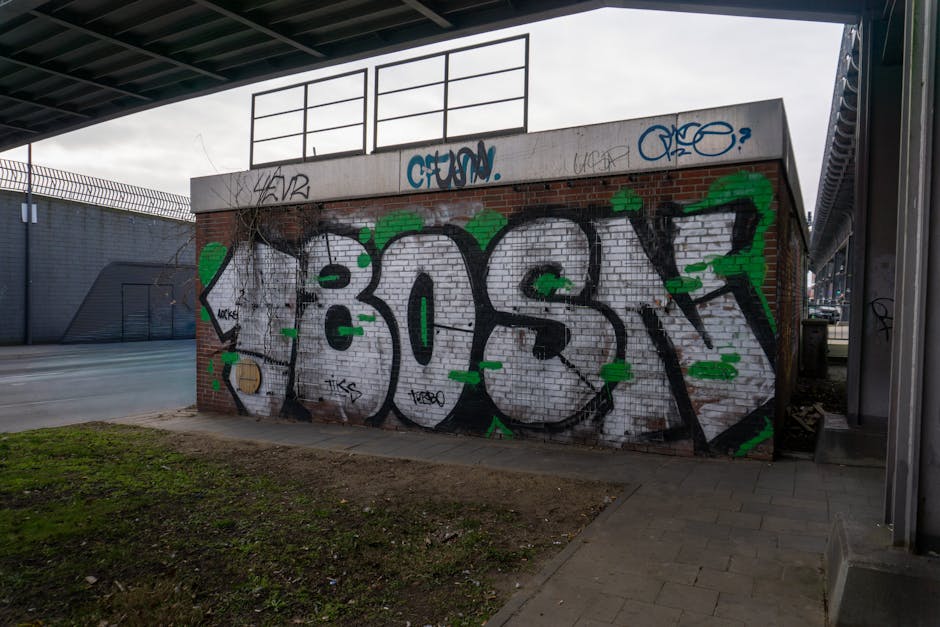
Explore the rebellious heart of Hamburg on a self-guided walk through Sternschanze, featuring iconic murals and radical social history.
 Easy
EasyHamburg, Germany
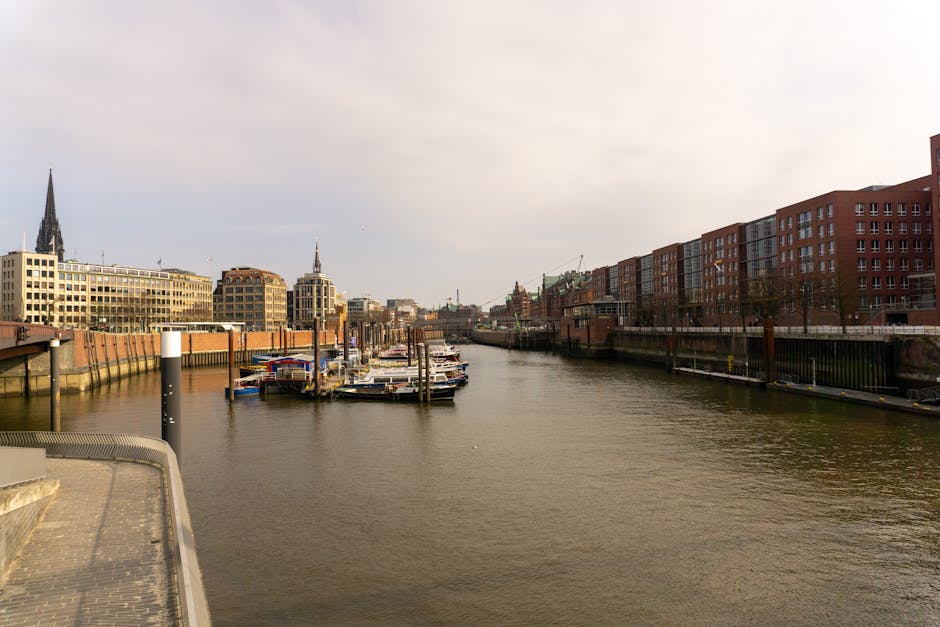
Discover Hamburg's UNESCO-listed warehouse district and stunning Brick Gothic architecture on this self-guided stroll through the Speicherstadt.
 Easy
EasyHamburg, Germany
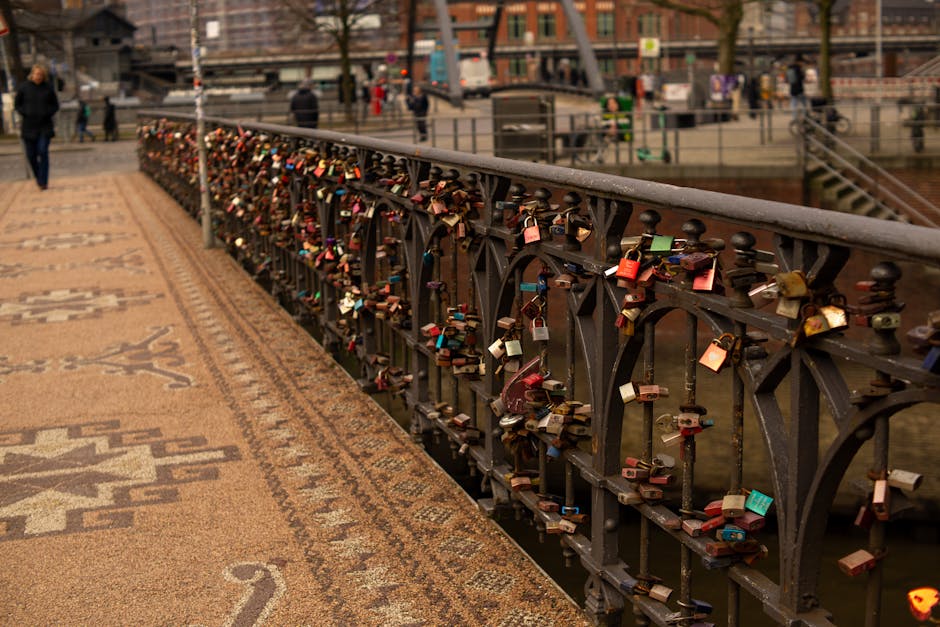
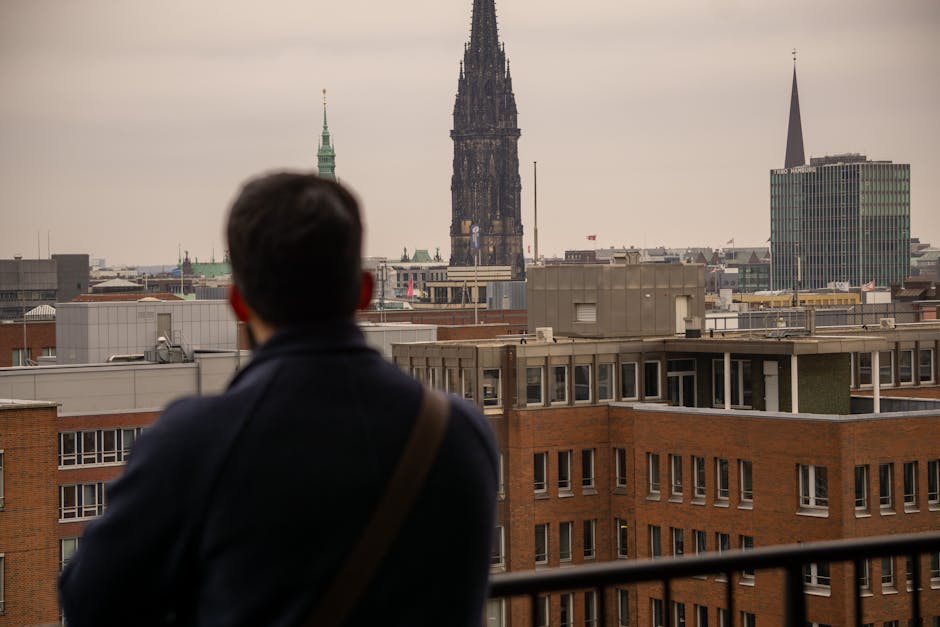
Explore Hamburg's most diverse district, where luxury hotels meet vibrant LGBTQ+ culture and historic art museums on this self-guided audio walk.
 Easy
EasyHamburg, Germany
Explore the neon-lit legends of Hamburg's St. Pauli on this self-guided audio walk through the Reeperbahn’s history, music, and nightlife.
 Moderate
Nairobi, Kenya
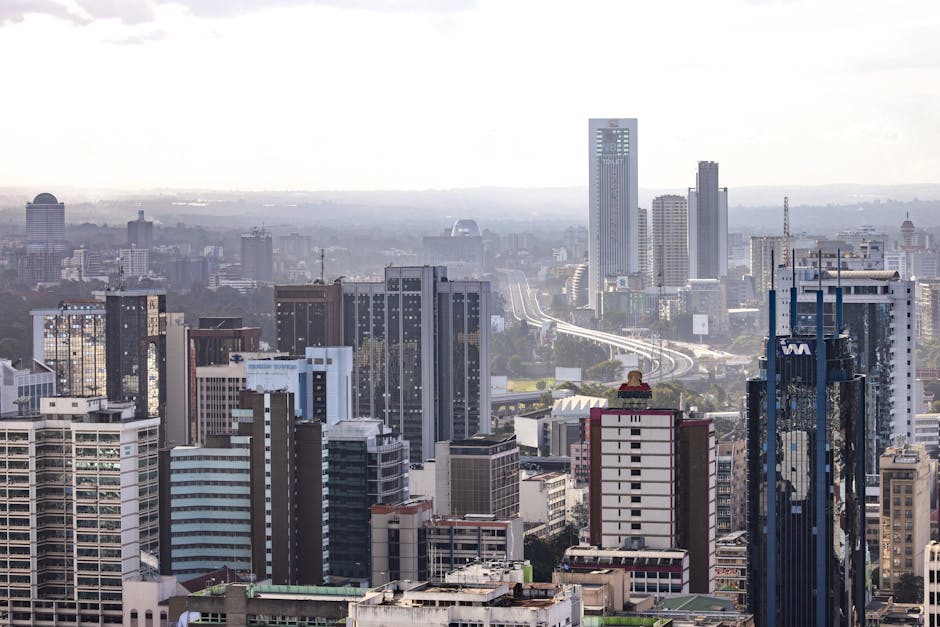
Discover the creative soul of Nairobi on this self-guided walk through the city's premier art galleries, markets, and artisan workshops.
 Moderate
Nairobi, Kenya
Discover Nairobi's lush side on this self-guided walk through botanical gardens, historic memorials, and vibrant local markets.
 Moderate
Nairobi, Kenya
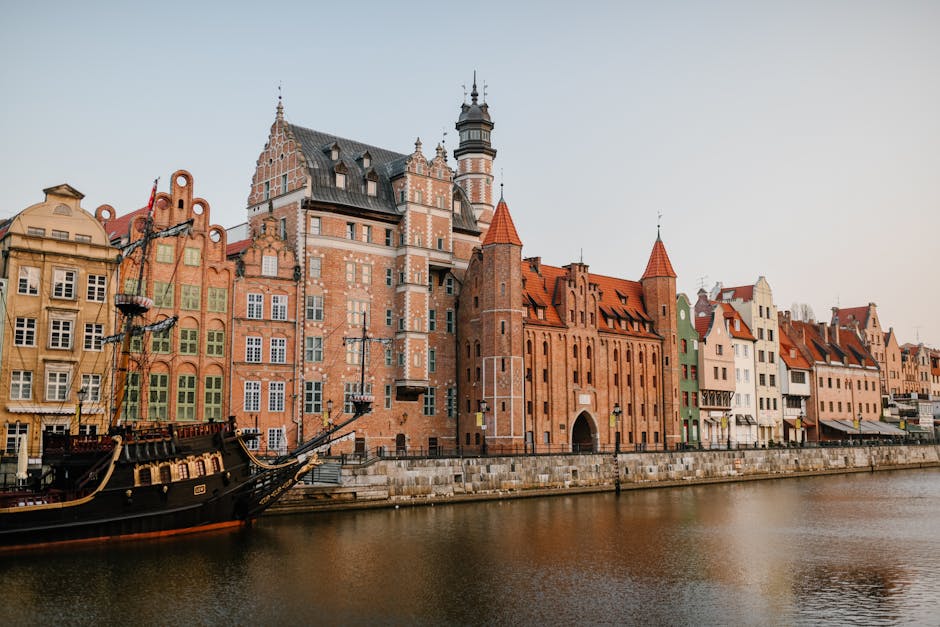
Discover the pulse of Nairobi's contemporary art scene on this self-guided walk through the galleries and creative spaces of Kilimani.
 Moderate
Gdansk, Poland
Discover the raw beauty of Gdansk’s Lower Town. Explore industrial ruins, hidden sluices, and riverside bastions on this self-guided walk.
 Easy
EasyBerlin, Germany
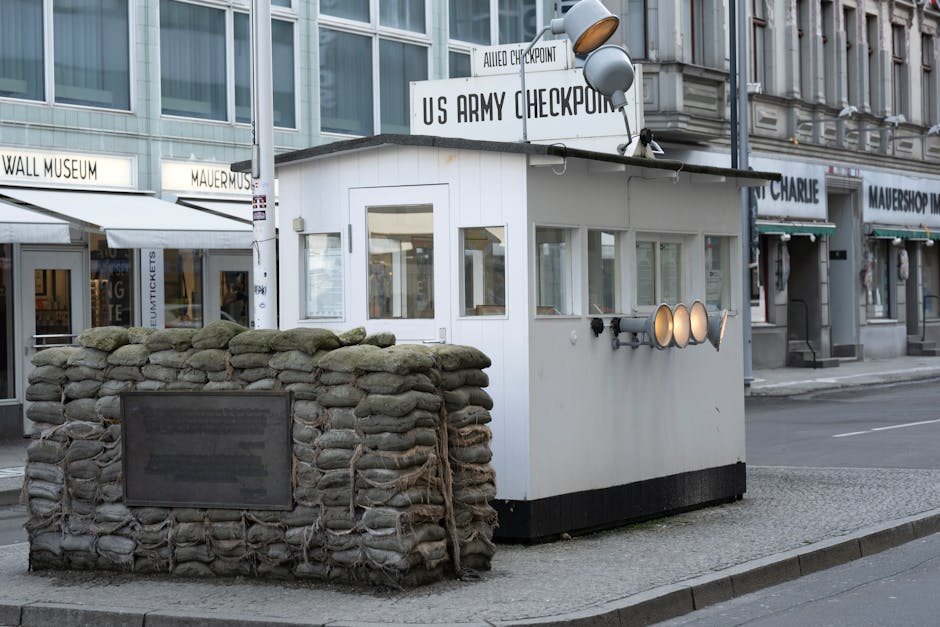
Explore the sites of Nazi power and the memorials that honor its victims on this self-guided walk through Berlin's historic Wilhelmstraße district.
 Moderate
Berlin, Germany
Explore Berlin’s 'Green Heart' on a self-guided walk through royal history, Cold War memorials, and serene lakeside gardens.
 Moderate
Berlin, Germany
Discover the legacy of the Berlin Wall on this self-guided walk from historic ghost stations to the vibrant street art and cafes of Mauerpark.
 Easy
EasyBerlin, Germany
Discover the soul of 1920s Berlin on a self-guided walk through Charlottenburg’s iconic literary cafes, historic theaters, and artistic landmarks.
