Frankfurt is often seen as a city of steel and glass, a financial hub dominated by skyscrapers. However, beneath the shadows of the 'Mainhattan' skyline lies a storied past that shaped the course of European history. This self-guided walking route invites you to step back in time and follow the footsteps of the Holy Roman Emperors. For centuries, Frankfurt served as the site of imperial elections and coronations, turning this bend in the Main River into the symbolic heart of an empire that spanned much of the continent. Your journey begins at the Römerberg, the city's iconic central square. Here, you'll encounter the distinct half-timbered houses and the historic Römer, which has served as Frankfurt's city hall for over 600 years. As you explore independently, you will traverse the 'Coronation Path,' the ceremonial route taken by newly crowned kings as they made their way from the Cathedral to the banquet halls. This area, known as the Dom-Römer Quarter, has been meticulously reconstructed to blend modern living with medieval charm, offering a unique look at how the city honors its architectural heritage. The route leads you to the Kaiserdom, or Imperial Cathedral, where the electors gathered to choose the next ruler. You'll also discover the archaeological roots of the city at the Kaiserpfalz franconofurd, where Roman remains and Carolingian foundations sit side-by-side. The narrative then shifts from imperial power to the birth of German democracy at St. Paul's Church, a site of immense political significance. Finally, you'll conclude your neighborhood stroll at the Goethe House, the birthplace of Germany's most celebrated writer, Johann Wolfgang von Goethe. This walking tour Frankfurt offers is more than just a history lesson; it is an opportunity to see how a city destroyed during World War II has risen from the ashes to reclaim its identity. Whether you are a history buff or a first-time visitor, this self-guided walk provides a flexible way to experience the Altstadt at your own pace, away from the rigid schedules of a traditional tour.
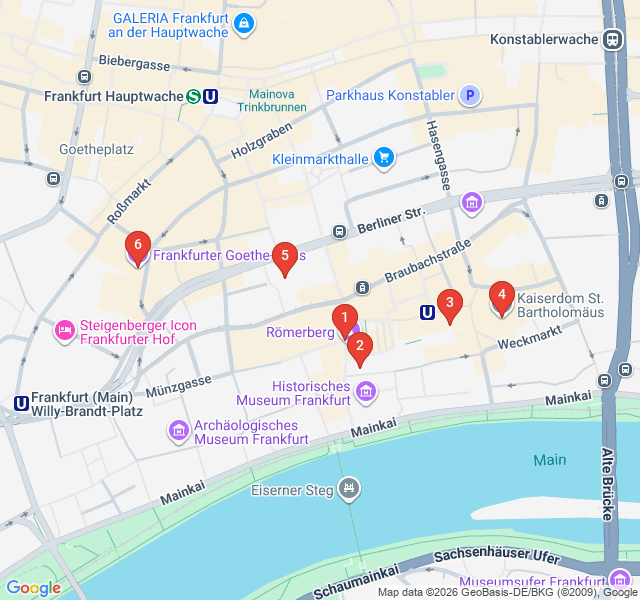
Numbers indicate the order of stops on the tour
The Römerberg is the historic heart of Frankfurt and the perfect place to begin your exploration. This square has been the site of markets, festivals, and imperial celebrations since the 12th century. The most prominent building is the Römer, a complex of three gabled houses that has served as the city hall since 1405. It was here that coronation banquets were held for the Holy Roman Emperors. Notice the Fountain of Justice in the center of the square; during imperial celebrations, it was known to flow with wine instead of water. Although much of the square was destroyed during World War II, the faithful reconstruction of the 'Ostzeile'—the row of half-timbered houses opposite the city hall—allows you to visualize the medieval grandeur that once defined this space.
Standing on the south side of the Römerberg is the Old St. Nicholas Church, a charming Early Gothic structure. Originally built in the 12th century as a palace chapel for the Holy Roman Emperors, it later became the official church of the city council. Its distinctive red sandstone and double-sloped roof make it an architectural standout against the timber-framed houses nearby. One of its most beloved features is the carillon, which rings out traditional melodies several times a day. Historically, the church played a vital role in the city's civic life; the council would attend services here before making important decisions. Inside, the atmosphere is one of quiet contemplation, contrasting with the vibrant activity of the square outside.
Just a short walk from the square, you’ll find the Kaiserpfalz franconofurd, an open-air archaeological site that reveals Frankfurt’s earliest layers. This Archaeological Garden sits beneath a modern canopy, protecting the remains of a Roman bathhouse and the foundations of a Carolingian royal palace dating back to the 9th century. It was here that the city began as a 'ford of the Franks'—a safe crossing point on the river. These ruins provide tangible evidence of Frankfurt's long-standing importance as a seat of power. As you walk through the site, you can see how the city has literally built itself upon its own history, with the medieval cathedral rising just behind these ancient stones. This stop offers a rare glimpse into the Roman and medieval foundations that underpin the modern city.
The Imperial Cathedral of Saint Bartholomew, or Kaiserdom, is perhaps the most significant religious site in the city. While technically a collegiate church rather than a cathedral—as it was never the seat of a bishop—it earned its 'Imperial' title because ten Holy Roman Emperors were crowned here between 1562 and 1792. The towering 15th-century spire is a landmark of the Frankfurt skyline. Inside, the Election Chapel served as the secret chamber where the seven prince-electors of the empire would cast their votes for the next king. The cathedral’s red sandstone interior houses numerous historical treasures, including the 14th-century choir stalls and the grave slab of King Günther von Schwarzburg.
St. Paul's Church is a symbol of a different kind of power: the power of the people. This oval-shaped neoclassical building became the seat of the Frankfurt Parliament in 1848, the first freely elected legislative body in Germany. It was here that the foundations for a democratic German constitution were first laid. Although the 1848 revolution ultimately failed to unify the country under democratic rule, the church remains a 'Cradle of German Democracy.' Today, it is no longer used as a church but as a venue for major cultural events and the awarding of the Peace Prize of the German Book Trade. Its simple, dignified interior serves as a reminder of the long struggle for civil liberties and national unity.
Your final stop is the birthplace of Frankfurt’s most famous son, Johann Wolfgang von Goethe. Born in 1749, Goethe went on to become a titan of world literature, known for works like 'Faust' and 'The Sorrows of Young Werther.' The house is a reconstruction of the original family home, furnished with period pieces that reflect the lifestyle of a wealthy 18th-century bourgeois family. Walking through the rooms, you can see the study where Goethe began his writing career and the puppet theater that sparked his imagination as a child. It offers a fascinating transition from the grand imperial history of the city to the intellectual and cultural flourishing of the Enlightenment era.
Download Zigway to experience "Imperial Frankfurt: Path of the Holy Roman Emperors" with AI-powered audio narration. Walk at your own pace while stories unfold around you.
 Easy
EasyFrankfurt, Germany
Explore Frankfurt’s world-class Museum Embankment at your own pace, from the iconic Städel Museum to the scenic banks of the Main River.
 Moderate
Frankfurt, Germany
Discover Frankfurt’s Ostend, where industrial heritage meets futuristic architecture and vibrant street art on this self-guided neighborhood stroll.
 Moderate
Frankfurt, Germany
Discover the profound legacy of Jewish Frankfurt, from medieval ghetto ruins to the childhood home of Anne Frank, on this self-guided walking route.
 Moderate
Frankfurt, Germany
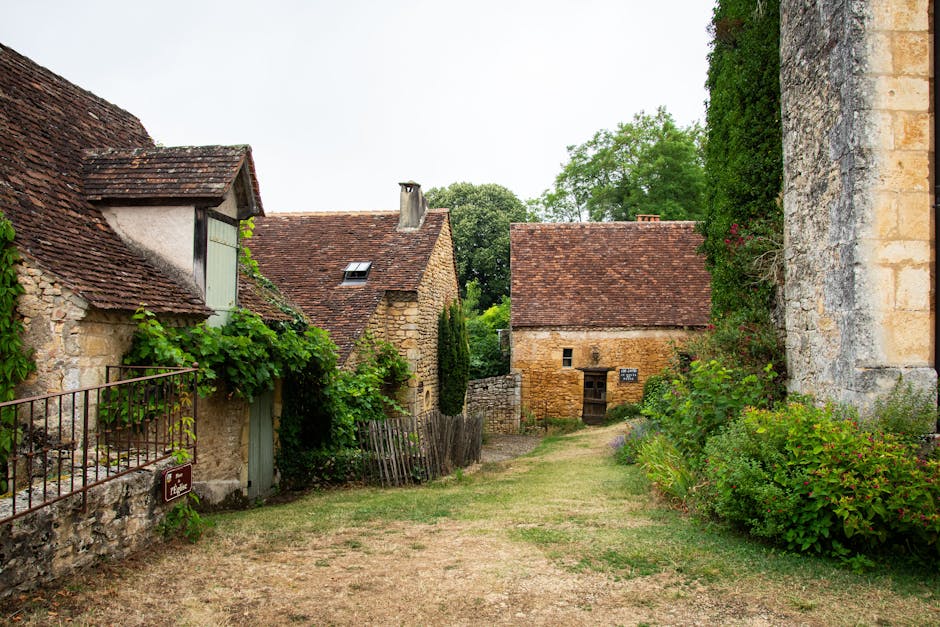
Step back in time to explore Frankfurt’s best-kept secret: a medieval old town featuring ancient churches, Baroque palaces, and a historic castle.
 Easy
EasyGdansk, Poland
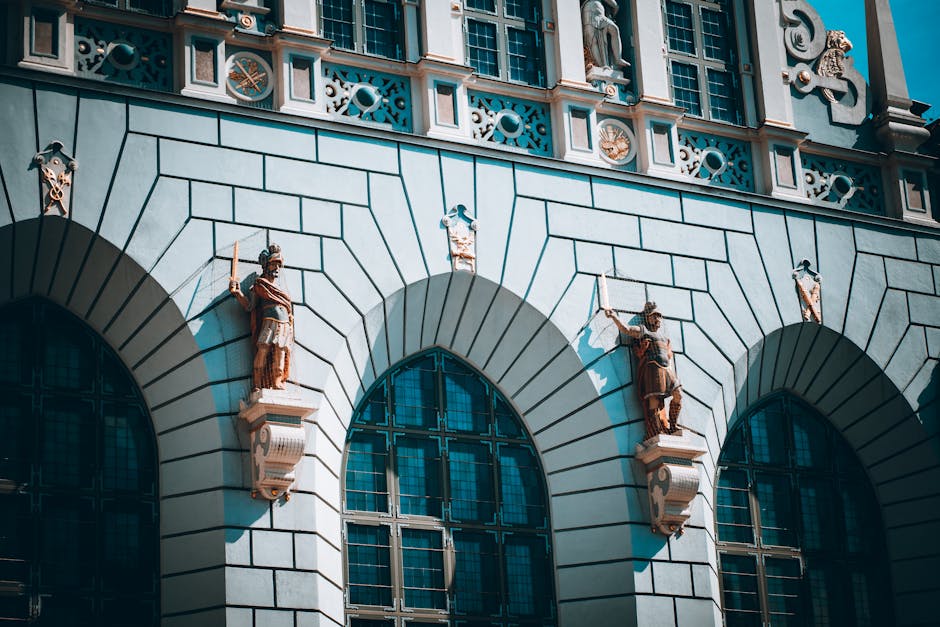
Discover the opulent Royal Way of Gdansk at your own pace. Explore Hanseatic history, gilded architecture, and the iconic Neptune's Fountain.
 Easy
EasySalzburg, Austria
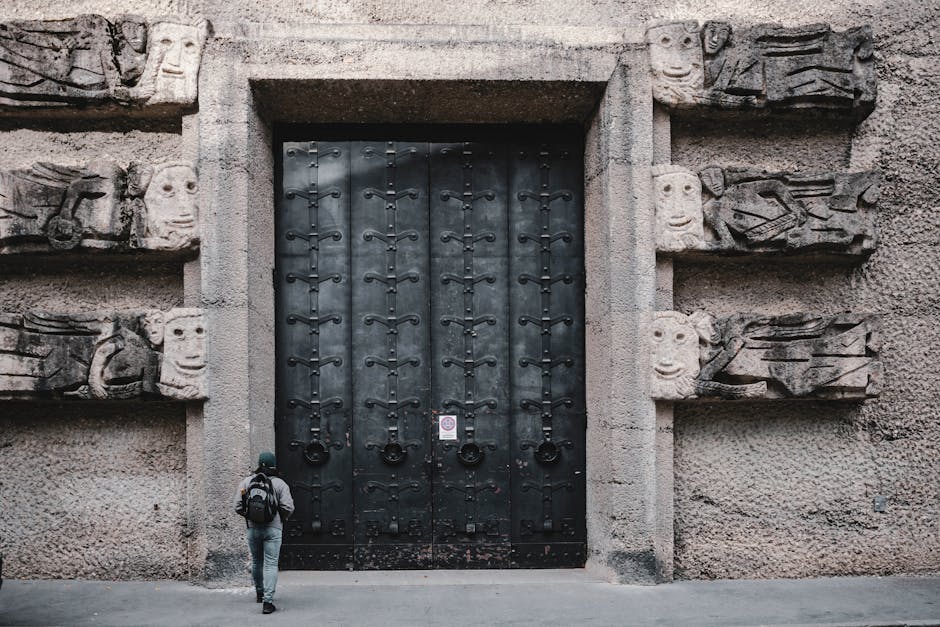
Discover the 'Rome of the North' on this self-guided walk through the Baroque squares and monumental legacy of Salzburg’s Prince-Archbishops.
 Easy
EasyWarsaw, Poland
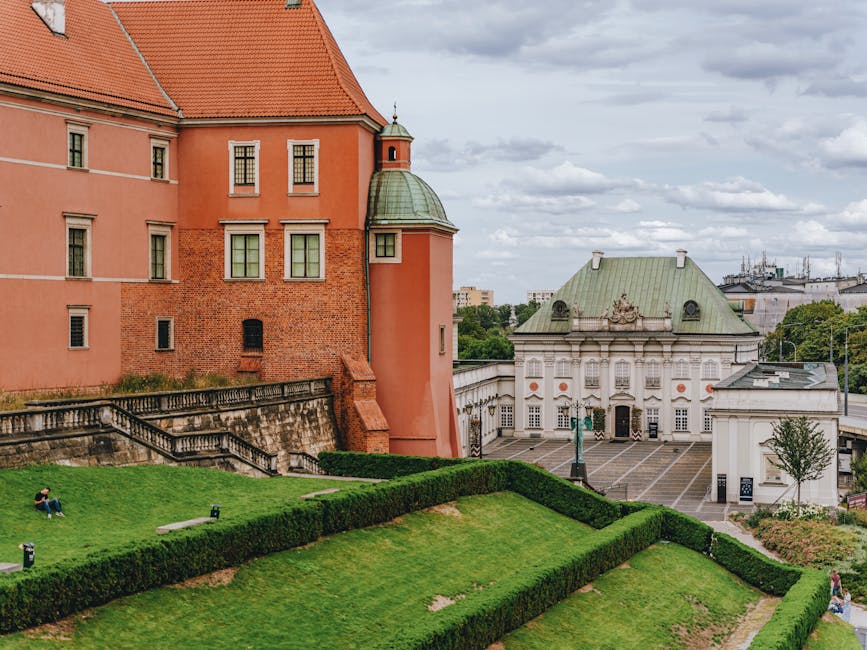
Explore the miracle of Warsaw's reconstructed Old Town on this self-guided walk through royal squares, medieval walls, and heroic monuments.
 Easy
EasyGothenburg, Sweden
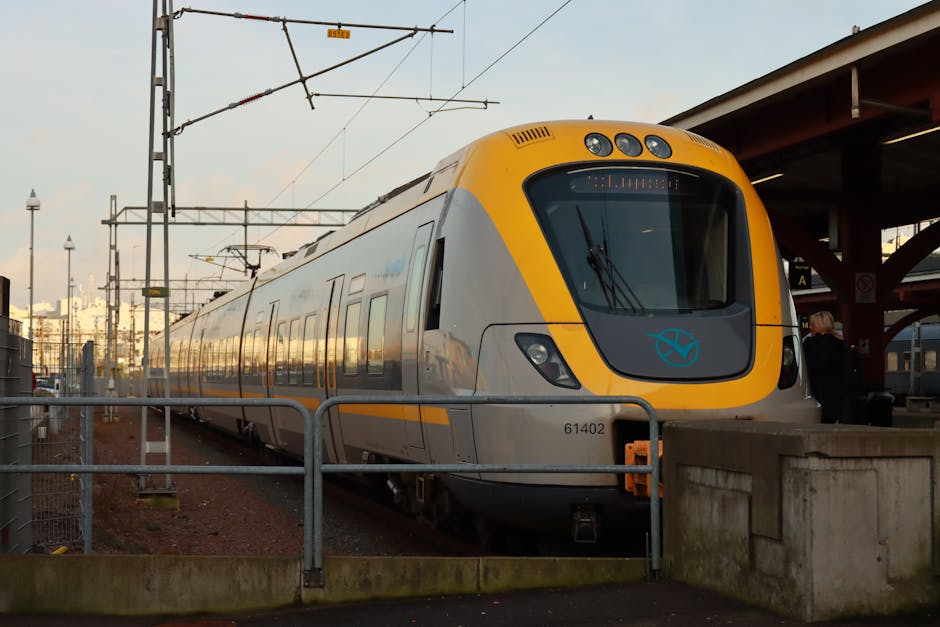
Discover Gothenburg’s 17th-century Dutch foundations, historic canals, and military fortifications on this self-guided architectural walk.
 Easy
EasyBerlin, Germany
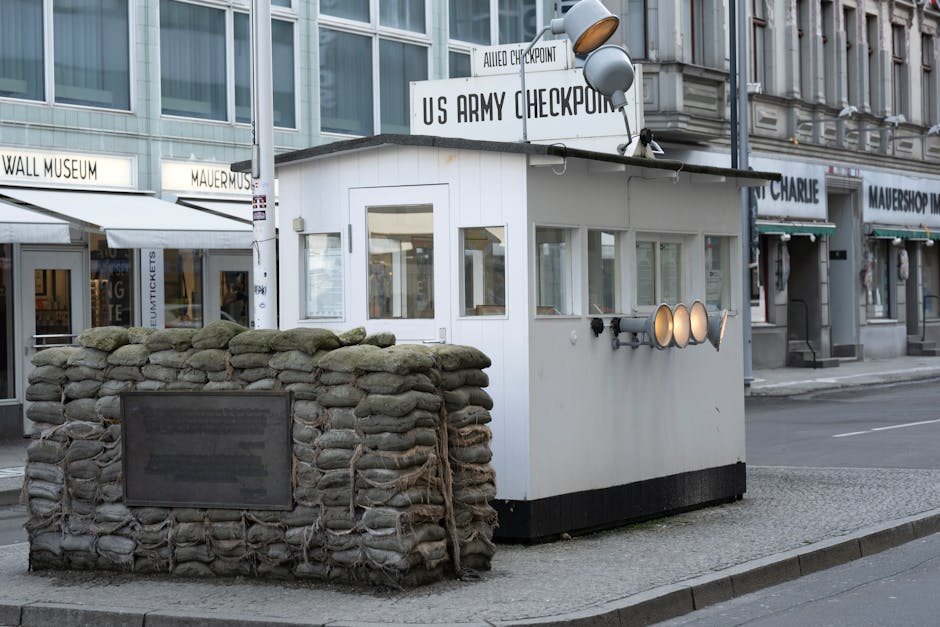
Explore the sites of Nazi power and the memorials that honor its victims on this self-guided walk through Berlin's historic Wilhelmstraße district.
 Moderate
Berlin, Germany
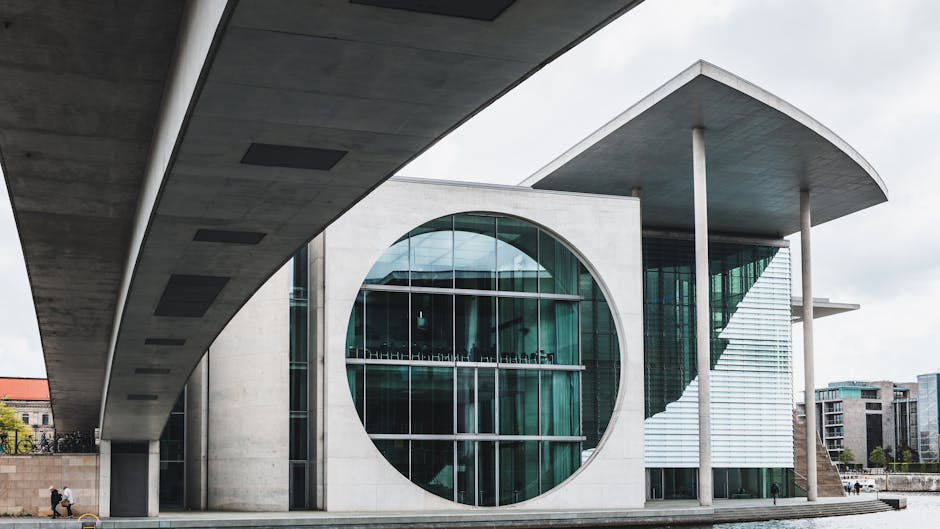
Explore Berlin’s 'Green Heart' on a self-guided walk through royal history, Cold War memorials, and serene lakeside gardens.
 Moderate
Berlin, Germany
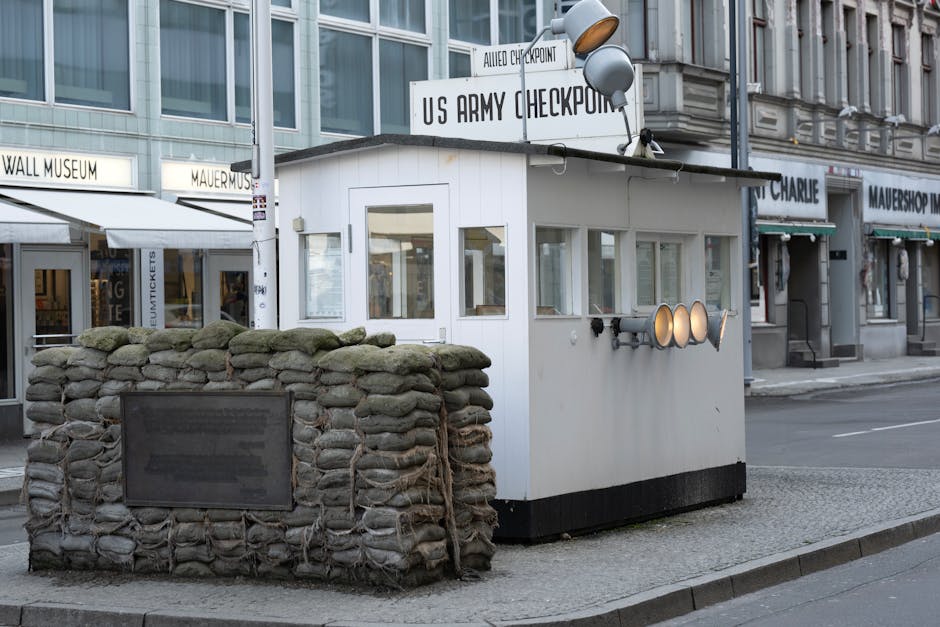
Discover the legacy of the Berlin Wall on this self-guided walk from historic ghost stations to the vibrant street art and cafes of Mauerpark.
 Easy
EasyBerlin, Germany
Discover the soul of 1920s Berlin on a self-guided walk through Charlottenburg’s iconic literary cafes, historic theaters, and artistic landmarks.
