Frankfurt is often celebrated as Germany's sleek financial capital, but its true soul is found in the layers of history beneath the skyscrapers. This self-guided walk invites you to uncover the profound and resilient history of Frankfurt’s Jewish community, which was once one of the largest and most influential in Europe. As you explore this walking route, you will transition from the medieval origins of the Judengasse to the heartbreaking memorials of the 20th century and the vibrant rebirth of Jewish life today. The journey begins in the heart of the old city, where archaeological remains offer a window into the 15th-century ghetto. You will stand where a majestic synagogue once defined the skyline before the tragedies of the 1930s changed the city forever. This neighborhood stroll is not just about monuments; it is about the individuals—the families like the Rothschilds and the Franks—who shaped the cultural and economic fabric of Frankfurt for centuries. You will encounter the quiet, powerful 'Stolpersteine' or stumbling stones that personalize the scale of the Holocaust, and visit the stunning Westend Synagogue, a rare architectural survivor of the Second World War. The route concludes by honoring the legacy of Frankfurt’s most famous daughter, Anne Frank, at an educational center dedicated to her memory. This experience is designed for those who wish to explore at their own pace, allowing for moments of reflection at sacred sites and quiet cemeteries. While this walking tour Frankfurt covers significant ground, it offers a comprehensive view of how the city remembers its past while looking toward a more inclusive future. Whether you are a history enthusiast or a first-time visitor, this independent walking route provides the context needed to understand the complex, enduring spirit of Jewish Frankfurt.
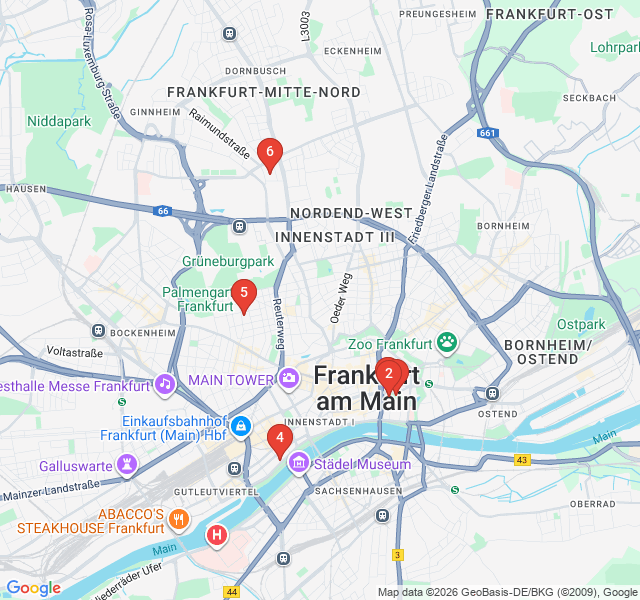
Numbers indicate the order of stops on the tour
Begin your self-guided adventure at the site of the oldest Jewish ghetto in Europe. Established in 1460, the Judengasse was a narrow, walled-off street where Frankfurt's Jewish population was forced to live for over 300 years. In the late 1980s, during construction, the foundations of five houses from the ghetto were discovered. Today, the museum is built around these ruins. As you look at the stone hearths and mikvaot (ritual baths), imagine the density of life here; at its peak, thousands lived in this cramped space. This site serves as the literal and metaphorical foundation of Jewish history in the city, representing both segregation and the incredible cultural resilience of the community that thrived despite it.
Just steps away from the museum, you will find a place of profound memory. This memorial stands on the site of the Börneplatz Synagogue, which was destroyed during the November Pogroms of 1938. The memorial is defined by a wall of names—12,000 individual blocks, each inscribed with the name of a Jewish citizen from Frankfurt who was murdered during the Holocaust. It is a powerful experience to walk along this perimeter, seeing the sheer volume of lost lives. In the center, the 'stone field' incorporates rubble from the destroyed synagogue, serving as a permanent reminder of the physical and cultural erasure attempted by the Nazi regime. Take a moment here to appreciate the scale of this memorial's quiet dignity.
Adjacent to the memorial is one of the most significant Jewish burial grounds in Europe. First mentioned in 1272, this cemetery remained in use until 1828. Because the community was confined to the ghetto, they could not expand the cemetery, leading to graves being stacked or placed very closely together. Look for the gravestone of Mayer Amschel Rothschild, the founder of the Rothschild banking dynasty. During the Nazi era, many tombstones were smashed or used as building materials, but the city has worked to restore what remains. The ivy-covered stones and ancient Hebrew inscriptions create a peaceful, timeless atmosphere that stands in sharp contrast to the modern glass towers of the nearby financial district.
As you move toward the river, look down at the pavement. You will encounter 'Stolpersteine' or 'stumbling stones.' These small brass plaques, created by artist Gunter Demnig, are placed in front of the last known residence of victims of Nazi persecution. These specific stones commemorate the Mainzer family. Unlike large monuments, these stones bring history to a personal, human level. They remind us that the victims were neighbors, shopkeepers, and friends. There are over 1,500 such stones across Frankfurt. By reading the names and dates of birth, deportation, and death, you are performing a small act of remembrance, ensuring these individuals are not forgotten in the flow of modern city life.
Continuing north, you arrive at the Westend Synagogue. Built in 1910, this is one of the few synagogues in Germany that survived the 1938 pogroms, largely because it was located in a densely populated residential area where fire would have spread to 'Aryan' homes. Its architecture is a stunning blend of Art Nouveau and Assyrian-Egyptian styles, topped with a massive green dome. After the war, it became the center of the reconstituted Jewish community in Frankfurt. It stands today as a symbol of survival and the continuity of Jewish life. While the exterior is impressive, the interior is a masterpiece of early 20th-century design, reflecting a time when the community was fully integrated and confident in its German-Jewish identity.
The final stop on this walking route brings us to the Dornbusch district. While many associate Anne Frank with Amsterdam, she was born right here in Frankfurt in 1929. The Frank family lived in this neighborhood before fleeing to the Netherlands in 1933. This educational center, located near her childhood home, is dedicated to her legacy. Rather than just a museum of the past, it focuses on teaching young people about the dangers of prejudice and the importance of human rights today. It is a fitting place to end your journey, connecting the historical 'traces of the past' to our responsibility in the present. The spirit of Anne Frank remains a beacon of hope and a reminder of the potential lost to history.
Download Zigway to experience "Traces of the Past: Jewish Heritage in Frankfurt" with AI-powered audio narration. Walk at your own pace while stories unfold around you.
 Easy
EasyFrankfurt, Germany
Walk the path of emperors through Frankfurt's Altstadt on this self-guided history stroll from the Cathedral to the Römerberg.
 Easy
EasyFrankfurt, Germany
Explore Frankfurt’s world-class Museum Embankment at your own pace, from the iconic Städel Museum to the scenic banks of the Main River.
 Moderate
Frankfurt, Germany
Discover Frankfurt’s Ostend, where industrial heritage meets futuristic architecture and vibrant street art on this self-guided neighborhood stroll.
 Moderate
Frankfurt, Germany
Step back in time to explore Frankfurt’s best-kept secret: a medieval old town featuring ancient churches, Baroque palaces, and a historic castle.
 Easy
EasyNairobi, Kenya
Discover Nairobi’s literary soul on this self-guided walk through historic libraries, iconic bookshops, and cultural centers in the heart of the CBD.
 Moderate
Gdansk, Poland
Discover the origins of WWII in Gdansk on this self-guided walk through heroic last stands, massive museums, and strategic hilltop fortifications.
 Moderate
Vienna, Austria
Discover the noir world of The Third Man and Cold War Vienna on this atmospheric self-guided audio walk through the historic Innere Stadt.
 Easy
EasyKrakow, Poland
Explore the prestigious Jagiellonian University district, featuring Neo-Gothic architecture, Baroque churches, and Krakow's hidden scholarly gems.
 Easy
EasyBerlin, Germany
Explore the sites of Nazi power and the memorials that honor its victims on this self-guided walk through Berlin's historic Wilhelmstraße district.
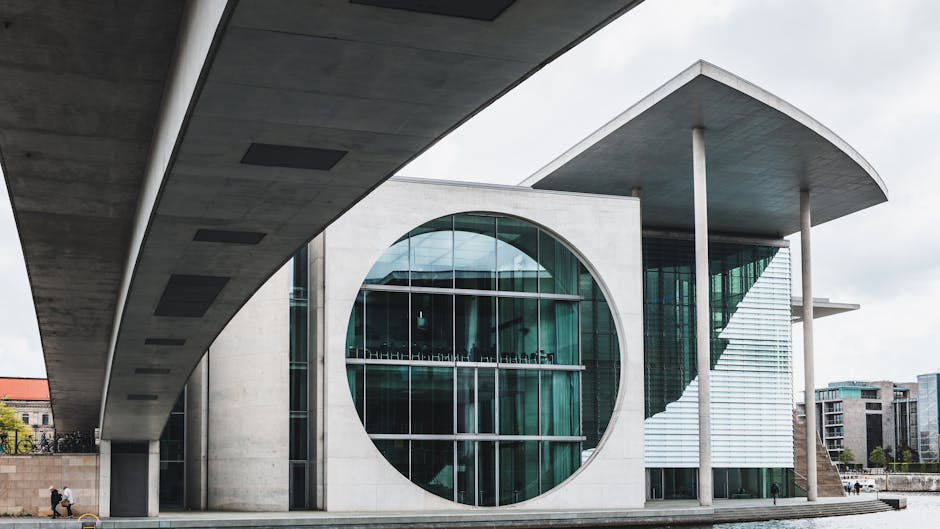 Moderate
Berlin, Germany
Explore Berlin’s 'Green Heart' on a self-guided walk through royal history, Cold War memorials, and serene lakeside gardens.
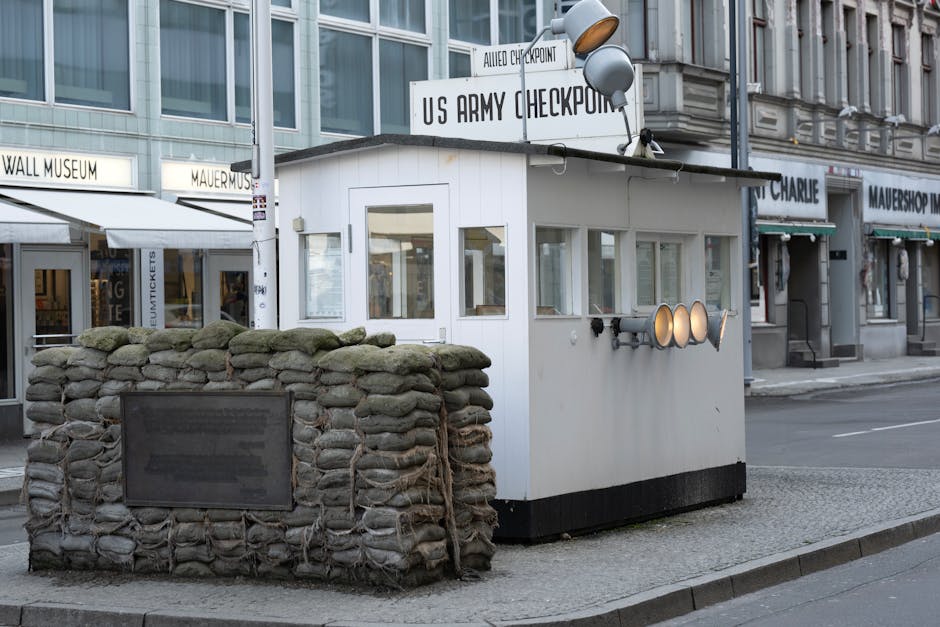 Moderate
Berlin, Germany
Discover the legacy of the Berlin Wall on this self-guided walk from historic ghost stations to the vibrant street art and cafes of Mauerpark.
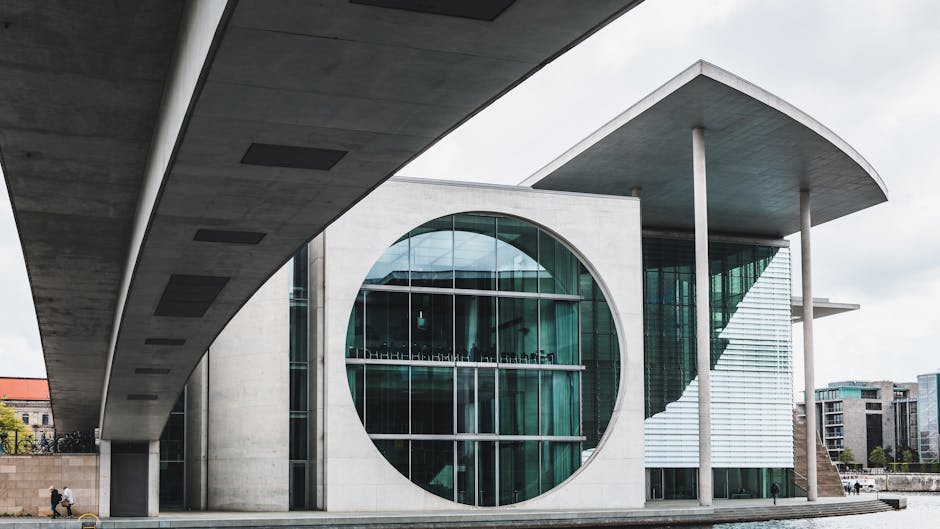 Easy
EasyBerlin, Germany
Discover the soul of 1920s Berlin on a self-guided walk through Charlottenburg’s iconic literary cafes, historic theaters, and artistic landmarks.
