Step away from the glimmering glass towers of the financial district and discover the soulful, bohemian heart of Frankfurt. This self-guided walk invites you to explore the city's most vibrant residential quarters, focusing on the Nordend's unique blend of intellectual history and modern cafe culture. You will begin at the legendary Kleinmarkthalle, a sensory explosion of local and international delicacies, before weaving through the city's architectural evolution. From the grand luxury of the Frankfurter Hof to the cozy, apple-wine-scented taverns of Sachsenhausen, this walking route captures the diverse 'lifestyle' that makes Frankfurt more than just a banking hub. As you move toward the Nordend, the atmosphere shifts into a relaxed, leafy landscape of 19th-century 'Gründerzeit' villas and independent boutiques. You'll experience the social pulse of the city at Friedberger Platz, where locals gather for wine and conversation, and find tranquility in the 'Garden of Heavenly Peace' within Bethmann Park. This neighborhood stroll is designed for those who want to eat like a local, shop at independent storefronts, and understand the liberal spirit of Frankfurt. Whether you are sampling Green Sauce in the market or admiring the moated castle in Holzhausen Park, this audio walk provides the context and stories that bring these streets to life. It is the perfect walking tour Frankfurt offers for those seeking authenticity over tourist traps. By the time you reach the quiet forest trails of the city's southern edge, you will have experienced the full spectrum of Frankfurt's urban identity, from its bustling markets to its peaceful, green retreats. **Note:** This area is known for its ever-changing character. Street art, pop-up venues, and temporary exhibitions may differ from what's described. That's part of the adventure - you might discover something entirely new!
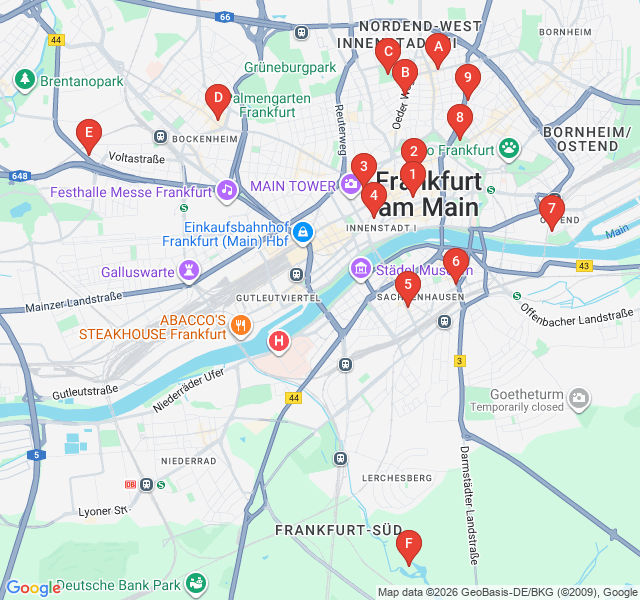
Numbers indicate the order of stops on the tour
Welcome to Frankfurt’s culinary heart. Built in 1954 to replace a hall destroyed in the war, this market is a temple of taste. With over 150 stalls, it’s where locals buy everything from fresh pasta to exotic spices. Look for the 'Metzgerei Schreiber' stall—there is almost always a queue for their famous yellow sausage. This is also the best place to try 'Gree Soss' or Green Sauce, a cold herb sauce made from seven specific herbs that is a protected local heritage. Take a moment to soak in the bustling atmosphere of this post-war architectural gem.
While Frankfurt is known for traditional food, its modern street food scene is thriving. Goldies represents a new wave of 'elevated' fast food, specifically focusing on the humble french fry. This spot is a local favorite for those seeking creative toppings that go far beyond simple ketchup. It reflects the international, youthful energy that has been revitalizing the areas between the city center and the Westend. It's a perfect example of how Frankfurt's food culture is constantly evolving, blending global trends with local appetites.
This hotel is named after Louise von Rothschild, a prominent figure in Frankfurt’s history. The design reflects the 'Biedermeier' era, a time of growing middle-class elegance in the 19th century. Note the blend of classic motifs with modern, edgy street art influences. The rooftop here offers a fantastic perspective of the skyline, illustrating the contrast between old-world Frankfurt and the 'Mainhattan' skyscrapers. It’s a nod to the city's ability to honor its aristocratic past while embracing a trendy, cosmopolitan future.
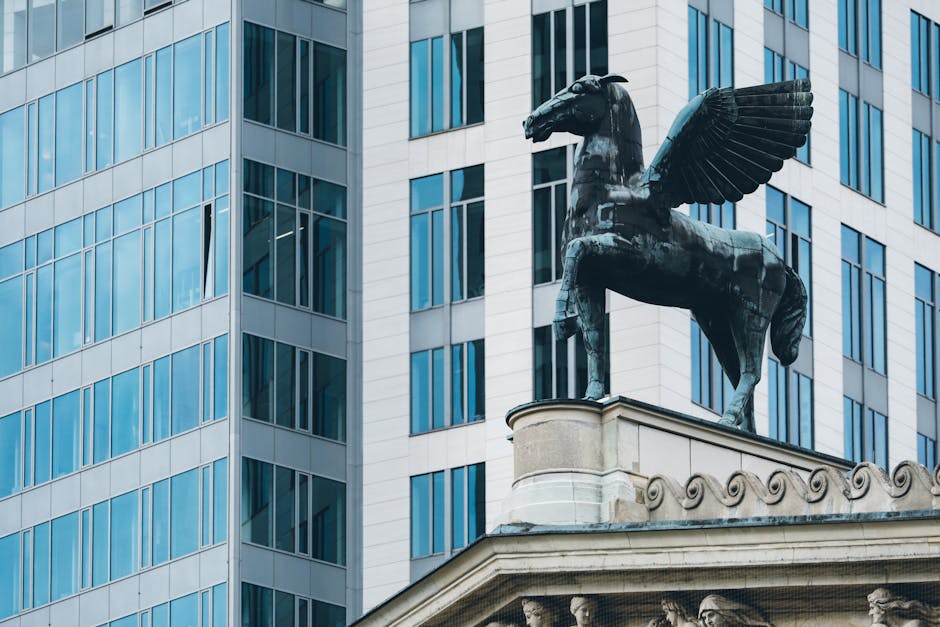
Standing before you is the 'Grand Dame' of Frankfurt hotels. Opened in 1876, the Frankfurter Hof has hosted everyone from royalty to rock stars. It survived the bombings of WWII only to be meticulously restored. This building represents the 'Gründerzeit' style—the period of rapid industrial expansion in Germany. Even if you aren't staying here, the courtyard and the architecture offer a glimpse into the high-society lifestyle that has defined the city's central district for over a century.
Cross the river into Sachsenhausen to find Adolf Wagner, perhaps the most famous 'Apfelwein' tavern in the city. Since 1931, this family-run establishment has been serving 'Ebbelwoi' (apple wine) in traditional ribbed glasses called 'Geripptes.' The atmosphere is intentionally rustic—expect long wooden tables where strangers become friends. Listen for the sound of the 'Bembel,' the blue-grey stoneware jugs used to pour the tart, refreshing cider. This is the quintessential Frankfurt lifestyle: simple, social, and steeped in tradition.
This transit hub marks the gateway to Alt-Sachsenhausen. While it serves as a modern connection point, the name 'Lokalbahnhof' harks back to the old local railway. The area surrounding it is a mix of traditional cider houses and a growing number of modern bars and creative spaces. It acts as a bridge between the historic, sometimes rowdy nightlife of the old town and the more residential, quiet streets of the southern districts.
Moving toward the East End, you see the city's modern face. This area was once dominated by industry and the wholesale market hall. Today, it is home to the European Central Bank and sleek developments like the Hafenpark. The Scandic hotel here emphasizes sustainability and Scandinavian design, reflecting Frankfurt's current focus on green living and modern urban planning. The nearby park is a hub for skaters, runners, and families, showcasing the city's active, outdoor lifestyle.
Enter an oasis of calm. Once the private garden of the Bethmann banking family, this park is now a public treasure. Its crown jewel is the 'Garden of Heavenly Peace,' one of the few authentic Chinese gardens in Europe. Built in 1989, it features a marble bridge, pagodas, and a pond, all constructed by Chinese craftsmen. It’s a peaceful transition point before you enter the lively Nordend district, offering a moment of Zen amidst the urban bustle.
If you are here on a Friday afternoon, you are at the epicenter of Frankfurt social life. The Friedberger Markt is less about shopping and more about 'Feierabend'—the German tradition of enjoying a drink after work. Locals crowd the square with glasses of local wine in hand. It perfectly captures the Nordend's liberal, social vibe. On other days, it remains a central community landmark, surrounded by cafes that serve as the 'living rooms' for the neighborhood's residents.
This street is the backbone of the Nordend’s bohemian lifestyle. It is lined with independent bookstores, organic cafes, and small boutiques. Unlike the high-end Zeil shopping street, the shops here are often owner-operated. Keep an eye out for 'Glauburg Café,' a local institution. The architecture here is primarily 'Gründerzeit,' characterized by high ceilings and ornate facades, which today house the city’s creative class and young families.
Oeder Weg has recently undergone a major transformation into a 'bicycle-friendly' street, limiting car traffic to prioritize pedestrians and cyclists. This reflects the political and social shift in the Nordend toward sustainable urban living. The street is a culinary hotspot, offering everything from traditional German bakeries to trendy vegan bowls and authentic ramen. It’s a place to see and be seen, embodying the trendy, health-conscious side of Frankfurt life.
The centerpiece of this park is the Holzhausen Schlösschen, a beautiful moated castle completed in 1729. It was the seat of the Holzhausen family, one of Frankfurt's oldest patrician families. Today, the castle hosts cultural events and concerts. The surrounding park is a favorite for Nordend locals to sunbathe or picnic. It’s a rare piece of Baroque elegance tucked away in a residential neighborhood, reminding us of the city's wealthy merchant history.
Located where the Nordend meets Bockenheim, Kish is a testament to Frankfurt's multicultural fabric. This Persian restaurant is famous for its elaborate decor and traditional stews. The presence of such diverse, high-quality international cuisine is a hallmark of the city's lifestyle. It shows how the city’s many immigrant communities have shaped the local palate, making Persian saffron rice as much a part of the 'Frankfurt experience' as apple wine.
This striking circular building is an architectural landmark on the city's western edge. Designed by John Seiffert, the glass disk structure is meant to represent a blue coin or a wheel. It stands as a symbol of Frankfurt’s role as a global hub of commerce and travel. While it feels a world away from the cozy taverns of Sachsenhausen, it’s part of the same city that prides itself on being 'the smallest metropolis in the world.'
To finish, we leave the urban streets for the 'Stadtwald'—Frankfurt’s massive city forest. The Oberschweinstiege is a historic inn located by a lake, a favorite weekend destination for generations of Frankfurters. The name refers to the historical practice of driving pigs into the forest to feed on acorns. Today, it’s a place for long walks and fresh air, proving that nature is never more than a short tram ride away from the city center. It’s the perfect spot to reflect on your journey through Frankfurt’s many neighborhoods.
Download Zigway to experience "Nordend Lifestyle: Cafes, Boutiques, and Bohemian Vibes" with AI-powered audio narration. Walk at your own pace while stories unfold around you.
 Easy
EasyFrankfurt, Germany
Walk the path of emperors through Frankfurt's Altstadt on this self-guided history stroll from the Cathedral to the Römerberg.
 Easy
EasyFrankfurt, Germany
Explore Frankfurt’s world-class Museum Embankment at your own pace, from the iconic Städel Museum to the scenic banks of the Main River.
 Moderate
Frankfurt, Germany
Discover Frankfurt’s Ostend, where industrial heritage meets futuristic architecture and vibrant street art on this self-guided neighborhood stroll.
 Moderate
Frankfurt, Germany
Discover the profound legacy of Jewish Frankfurt, from medieval ghetto ruins to the childhood home of Anne Frank, on this self-guided walking route.
 Moderate
Nairobi, Kenya
Taste your way through Nairobi's Westlands on this self-guided walk featuring street snacks, cultural landmarks, and hidden foodie gems.
 Easy
EasyGdansk, Poland
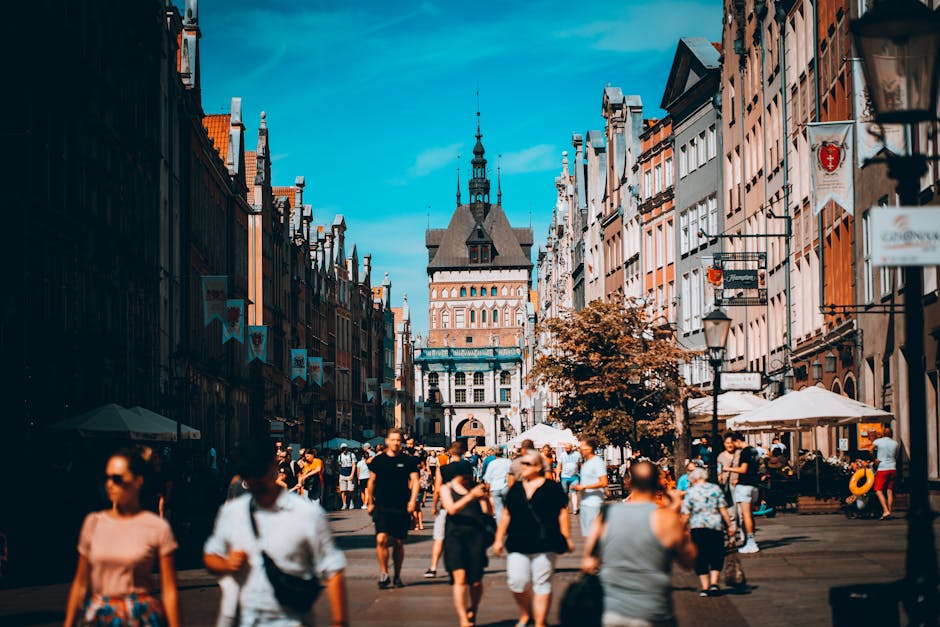
Taste the history of the Baltic. Explore Gdansk's culinary heritage from medieval markets to gold-flecked liqueurs on this self-guided walk.
 Easy
EasyInnsbruck, Austria
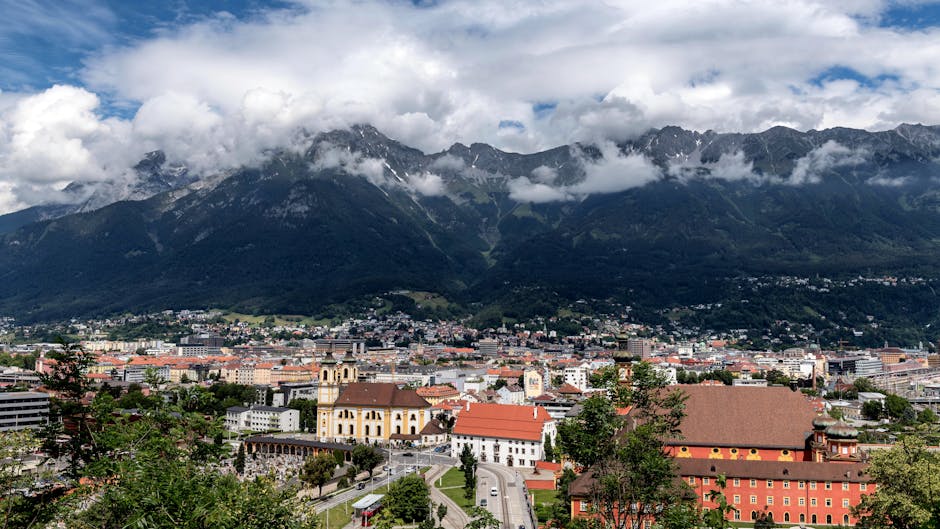
Discover the flavors of Tyrol on this self-guided stroll through Innsbruck’s historic Old Town and vibrant market hall.
 Easy
EasyKrakow, Poland
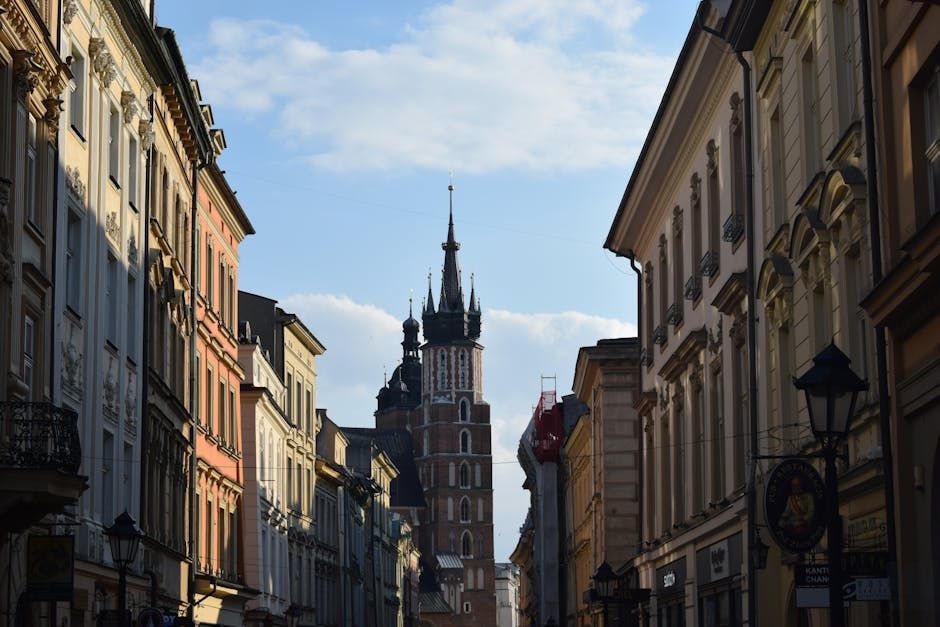
Savor the soul of Krakow on this self-guided walk through historic markets, bohemian cafes, and the city's best pierogi spots.
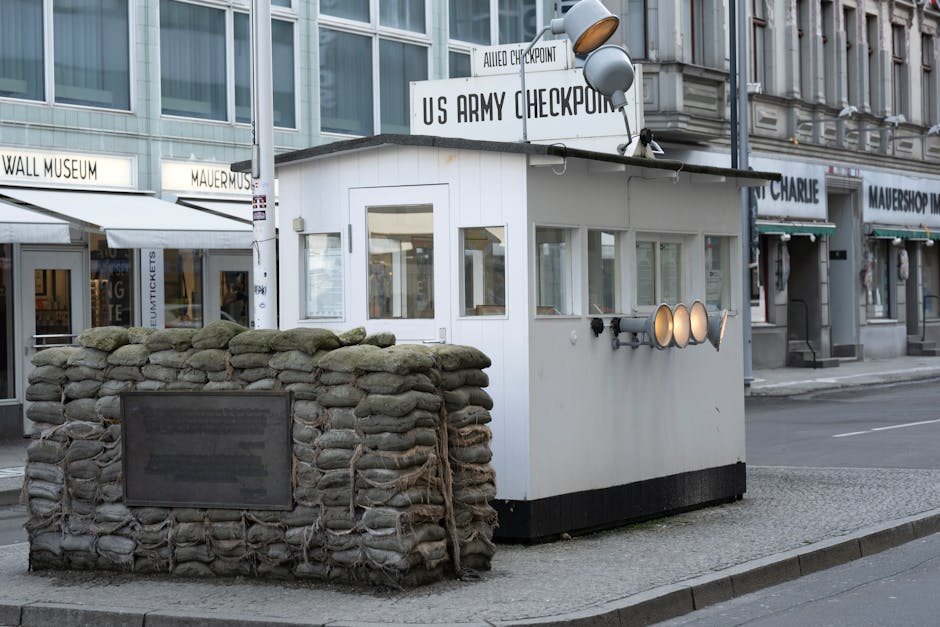 Easy
EasyBerlin, Germany
Explore the sites of Nazi power and the memorials that honor its victims on this self-guided walk through Berlin's historic Wilhelmstraße district.
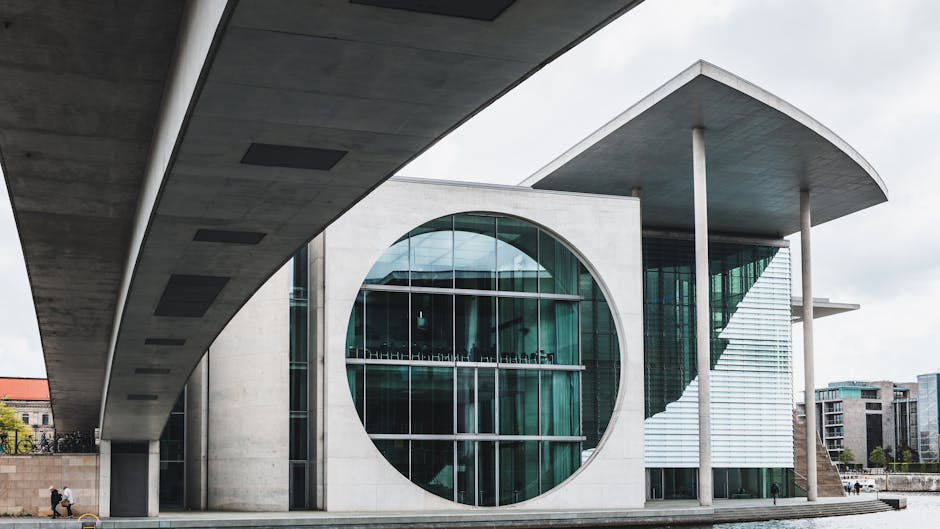 Moderate
Berlin, Germany
Explore Berlin’s 'Green Heart' on a self-guided walk through royal history, Cold War memorials, and serene lakeside gardens.
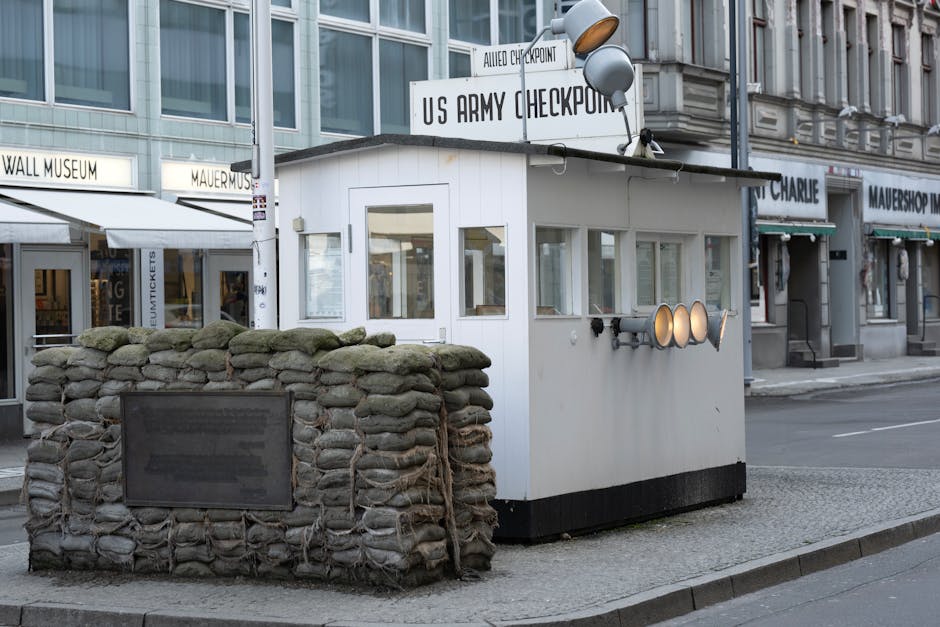 Moderate
Berlin, Germany
Discover the legacy of the Berlin Wall on this self-guided walk from historic ghost stations to the vibrant street art and cafes of Mauerpark.
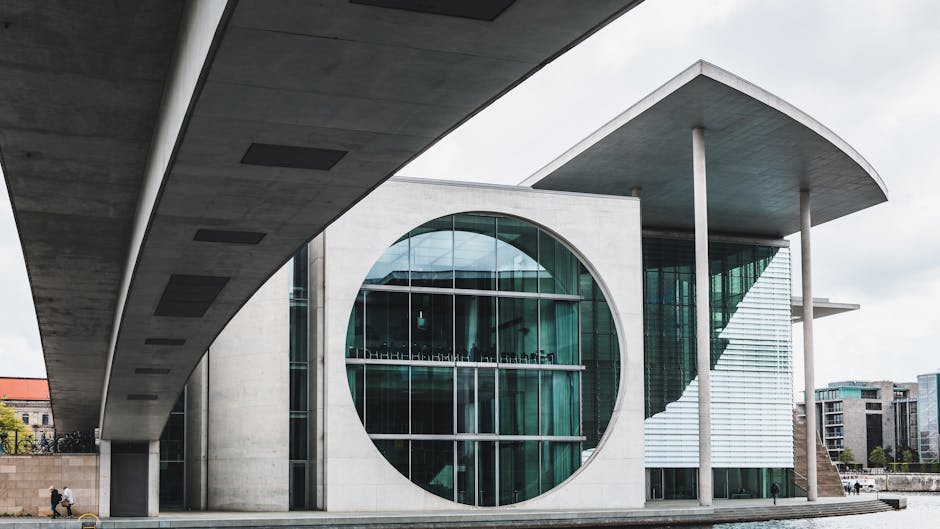 Easy
EasyBerlin, Germany
Discover the soul of 1920s Berlin on a self-guided walk through Charlottenburg’s iconic literary cafes, historic theaters, and artistic landmarks.
