Step away from the crowded windows of the famous Tram 28 and discover the soul of Lisbon on this self-guided neighborhood stroll. While most visitors stay glued to their seats as the yellow tram rattles through Estrela and Campo de Ourique, this walking route invites you to step off the tracks and immerse yourself in the authentic daily life of two of the city's most prestigious and charming quarters. You will begin in the romantic embrace of Jardim da Estrela, a 19th-century park where locals gather under exotic trees, before standing in the shadow of the massive white dome of the Basilica of Estrela. This journey is a celebration of Lisbon's layered history, blending royal monuments with the quiet, residential elegance of the Campo de Ourique neighborhood. As you explore independently, the path leads you to the doorstep of literary legend Fernando Pessoa, offering a glimpse into the mind of Portugal's most famous modernist poet. The architectural landscape shifts from the neoclassical grandeur of the 1700s to the sleek lines of the mid-20th century. Food lovers will find a sanctuary at the Mercado de Campo de Ourique, a historic market that has evolved into a gourmet destination without losing its neighborhood heart. The route concludes at the Prazeres Cemetery, a 'city of the dead' that offers some of the most stunning views over the 25 de Abril Bridge and the Tagus River. This walking tour Lisbon experience is designed for those who want to see where Lisboetas actually live, eat, and find peace, far from the frantic pace of the Baixa district. Whether you are a fan of architecture, a literature enthusiast, or a foodie seeking local flavors, this neighborhood stroll provides a sophisticated alternative to the standard tourist trail.
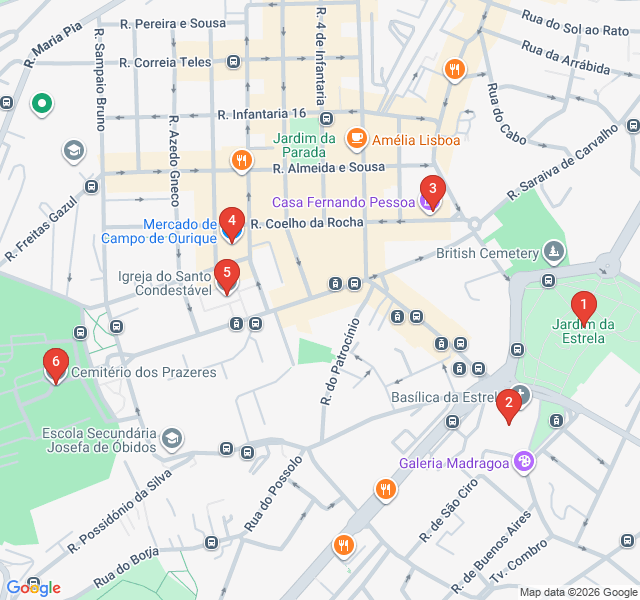
Numbers indicate the order of stops on the tour
Welcome to one of Lisbon's most beloved green spaces. Created in 1842, this English-style romantic garden feels like an outdoor living room for the neighborhood. As you walk the winding paths, look for the iconic wrought-iron bandstand, a masterpiece of 19th-century metalwork where musicians still perform during the summer. The park is famous for its exotic flora, including dragon trees and giant banyans, brought back from Portugal's former colonies. It’s a place of quiet contemplation where you’ll see elderly residents playing cards and families enjoying the duck ponds. This garden sets the tone for our walk: elegant, relaxed, and deeply local.
Standing before you is the Estrela Basilica, one of the most impressive late-Baroque and Neoclassical buildings in Lisbon. It was built by order of Queen Maria I as a fulfillment of a religious vow after the birth of her son. Notice the two bell towers and the massive white dome that dominates the skyline. Inside, the play of grey, pink, and yellow marble is breathtaking. The Queen herself is buried here in an elaborate tomb. If you look closely at the statues on the facade, you can see the transition from the ornate Baroque style to the more restrained Neoclassical movement that defined the city's post-1755 earthquake reconstruction.
This unassuming building was the final home of Fernando Pessoa, the man often called the most important figure in Portuguese literature. Pessoa was famous for writing under 'heteronyms'—imaginary personalities with their own biographies and writing styles. Today, the house is a museum and cultural center dedicated to his life and work. Even if you don't go inside, consider the influence of this neighborhood on his poetry. He often rode the very tram line that passes outside this door. The neighborhood of Campo de Ourique was his sanctuary, a place where he could observe the 'metaphysics of the ordinary' that filled his famous 'Book of Disquiet.'
It is time to experience the culinary heart of the district. Opened in 1934, this market was renovated in 2013 to include gourmet food stalls alongside traditional produce vendors. Unlike the larger Time Out Market in Cais do Sodré, this market maintains a neighborhood feel. You can find everything from fresh Atlantic fish and local cheeses to modern petiscos (Portuguese tapas) and Gin & Tonics. It is the perfect place to pause your self-guided adventure for a snack. The blend of art deco architecture and modern gastronomy reflects the neighborhood’s evolution into a trendy yet traditional residential hub.
This striking Neo-Gothic church was completed in 1951 and is dedicated to Nuno Álvares Pereira, a medieval knight who became a saint. The architect, Vasco Regaleira, designed it to be a landmark for the expanding Campo de Ourique neighborhood. Inside, you will find beautiful stained glass windows and a sense of verticality that is rare in Lisbon's mostly horizontal cityscape. The church serves as a spiritual anchor for the local community and stands as a testament to the mid-20th-century architectural revival in Portugal, blending traditional religious motifs with the structural possibilities of the modern era.
We conclude our route at the Cemitério dos Prazeres, which translates to the 'Cemetery of Pleasures'—named after the former farm that stood here. This is not a somber place, but a magnificent open-air museum of funerary architecture. It was established in 1833 following a cholera outbreak and became the preferred resting place for Lisbon's elite, artists, and politicians. Walk through the 'streets' of private chapels and mausoleums, many designed by famous architects. At the far end, you will find a terrace offering one of the best views in the city, looking out over the Alcântara valley toward the 25 de Abril Bridge. It is a peaceful, poetic end to our exploration.
Download Zigway to experience "Tram 28 Off-Track: Secrets of Estrela and Campo de Ourique" with AI-powered audio narration. Walk at your own pace while stories unfold around you.
 Easy
EasyLisbon, Portugal
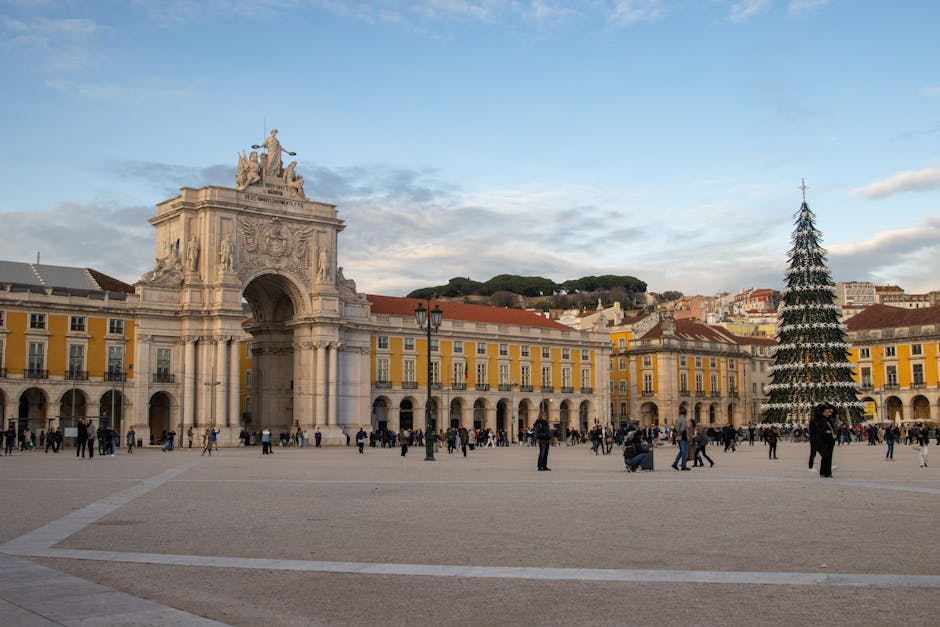
Discover grand palaces, exotic botanical gardens, and hidden water reservoirs in Lisbon's most elegant and trendy neighborhood.
 Challenging
Lisbon, Portugal
Ascend to Lisbon's highest peaks. Explore the panoramic viewpoints, hidden gardens, and historic worker housing of the authentic Graça neighborhood.
 Moderate
Lisbon, Portugal
Experience Lisbon's bohemian soul on this evening walk through Bairro Alto's street art, panoramic views, and traditional cherry liqueur spots.
 Moderate
Lisbon, Portugal
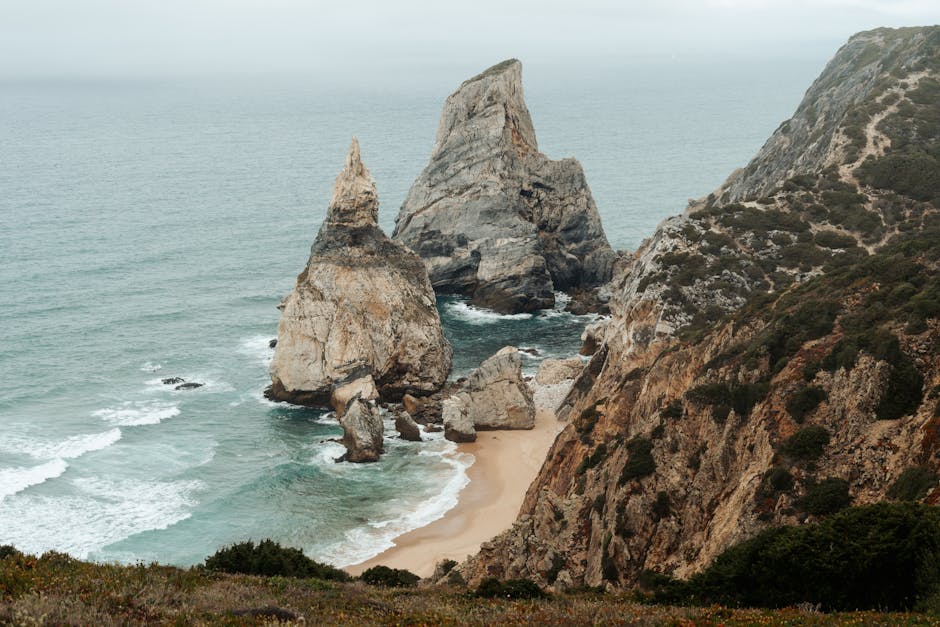
Discover the multicultural heart and Fado roots of Lisbon on this soulful self-guided walk through Mouraria's historic alleys.
 Moderate
Gdansk, Poland
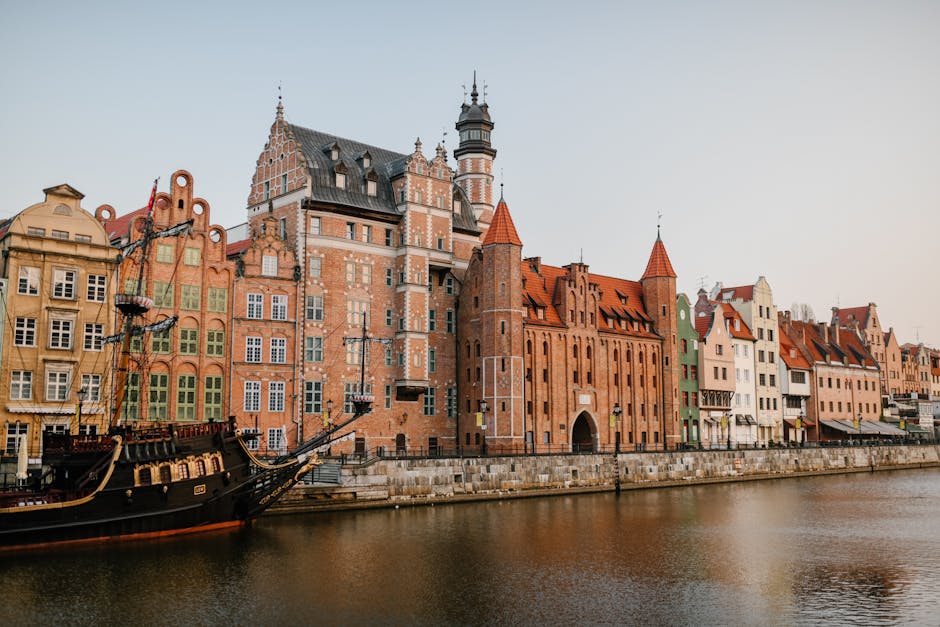
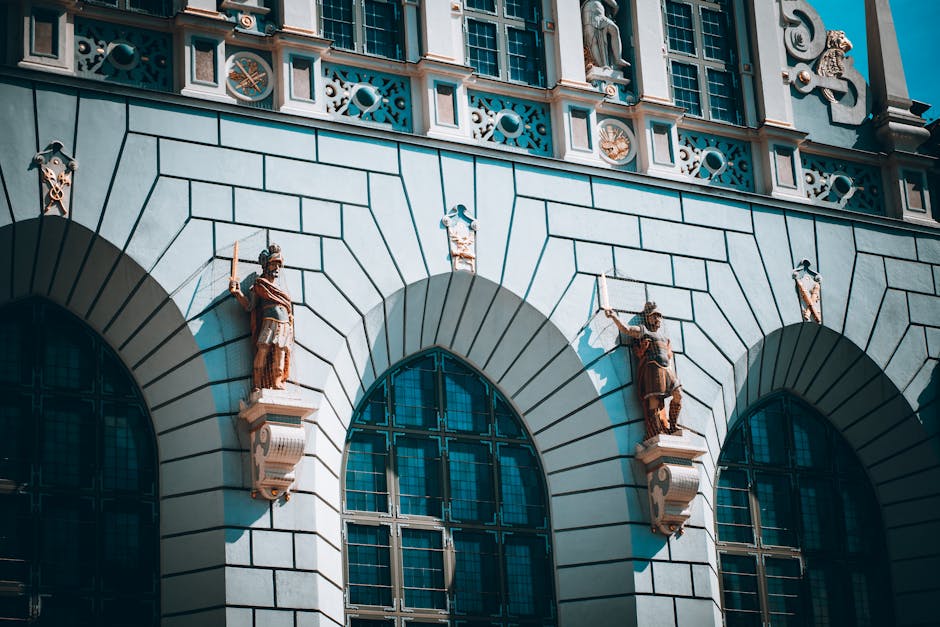
Discover the bohemian soul of Gdańsk. Explore the literary landmarks of Günter Grass, Prussian villas, and the trendy cafes of historic Wrzeszcz.
 Moderate
Gdansk, Poland
Discover Zaspa, a massive open-air gallery where grey housing blocks are transformed by over 60 monumental murals. Explore at your own pace.
 Moderate
Nairobi, Kenya
Discover the creative soul of Nairobi on this self-guided walk through the city's premier art galleries, markets, and artisan workshops.
 Moderate
Nairobi, Kenya
Discover Nairobi's lush side on this self-guided walk through botanical gardens, historic memorials, and vibrant local markets.
 Easy
EasyPorto, Portugal
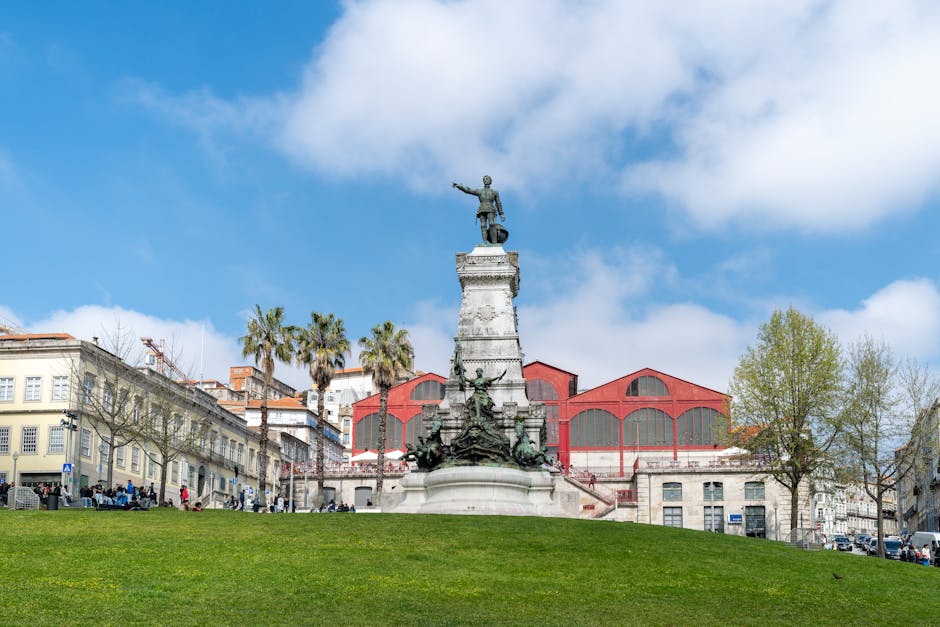
Taste the soul of Porto on this self-guided stroll through the historic Bolhão Market and its legendary surrounding food shops.
 Moderate
Porto, Portugal
Uncover the hidden history of Porto's Jewish community and the secrets of the Inquisition on this self-guided walking route through historic Miragaia.
 Challenging
Porto, Portugal
Explore Porto's 'High City' on this self-guided walk through Baroque landmarks, medieval cathedrals, and stunning panoramic viewpoints.
 Moderate
Porto, Portugal
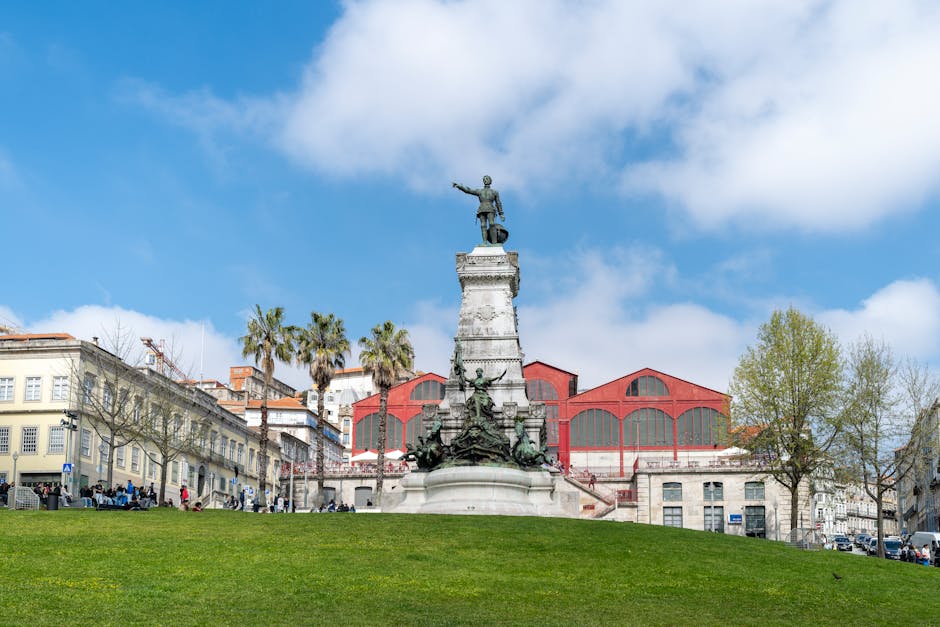
Explore Porto's UNESCO-listed riverside district at your own pace through medieval alleys, golden churches, and historic maritime landmarks.
