Nestled just west of the grand Gyeongbokgung Palace, the neighborhood of Seochon offers a quieter, more intimate glimpse into Seoul's soul. Known as the 'West Village,' this area has long served as a sanctuary for royalty, scholars, and later, the avant-garde artists and poets who defined modern Korean culture. This self-guided walk invites you to wander through a labyrinth of narrow alleys where traditional Hanok houses stand alongside trendy galleries and nostalgic storefronts. Unlike the more commercialized Bukchon, Seochon retains a raw, lived-in charm that rewards those who explore independently at their own pace. On this walking route, you will trace the footsteps of literary giants and master painters who found inspiration in the shadow of Inwangsan Mountain. Your journey begins at the vibrant Tongin Market, a place where history is tasted through local delicacies. From there, the path winds through the artistic heart of the district, stopping at the legendary Dae-o Bookstore, Seoul's oldest secondhand bookshop, and the minimalist memorial house of the enigmatic poet Lee Sang. As you ascend toward the mountain, the urban landscape gives way to the refined aesthetics of the Park No-soo Museum and the serene Suseongdong Valley—a landscape so beautiful it was immortalized in classic Joseon-era ink paintings. The route concludes with a refreshing stroll along the Ansan Jarak-gil Trail, a wooden boardwalk that offers a panoramic perspective of the city. This neighborhood stroll is more than just a sightseeing trip; it is an immersion into the creative spirit of Seoul. Whether you are a fan of Korean literature, a history buff, or simply looking for an off-the-beaten-path experience, this walking tour Seoul provides the perfect blueprint for a morning or afternoon of discovery. By following this literary and artistic trail, you gain a deeper understanding of how Seoul’s past and present coexist in these quiet, stone-walled lanes.
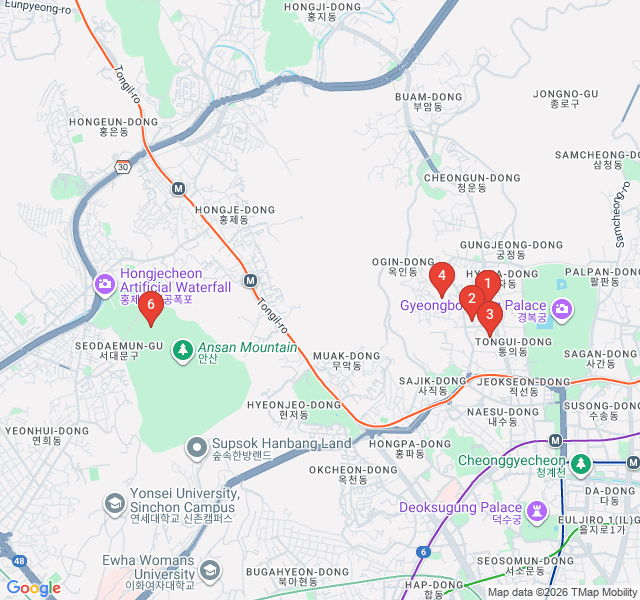
Numbers indicate the order of stops on the tour
Welcome to Tongin Market, a bustling hub of flavor that dates back to 1941. Originally established for local residents during the Japanese colonial period, it has evolved into a beloved culinary landmark. The market is most famous for its 'Yeopjeon Cafe' system, where you can exchange modern currency for traditional brass coins to fill a lunchbox tray with various snacks. As you walk through the covered alleyway, look for the 'oil tteokbokki'—a crispy, pan-fried version of the famous spicy rice cakes that is unique to this market. This stop perfectly captures the transition of Seochon from a traditional residential area to a vibrant cultural destination.
A short walk from the market brings you to Dae-o Bookstore, a place where time seems to have stood still since 1951. As the oldest secondhand bookstore in Seoul, its weathered blue doors and cramped shelves are a testament to the city's resilience. While it now operates primarily as a cafe and cultural space, the interior remains largely unchanged, preserving the nostalgic atmosphere of mid-century Korea. It gained modern fame as a filming location for K-pop star IU and various K-dramas, but its true value lies in its history as a gathering place for the neighborhood’s intellectuals and students for over seven decades.
Step into the world of Lee Sang, one of Korea’s most influential and enigmatic avant-garde writers. This site is built on the grounds where the poet lived for twenty years. Rather than a traditional museum, it is a minimalist space designed to evoke the spirit of his experimental literature. Inside, you can find digital archives of his work and a quiet space for reflection. The soaring dark metal door at the back leads to a small 'room of silence,' reflecting the poet's complex inner world. It is a vital stop for understanding the intellectual rebellion that characterized Seochon's artistic community in the early 20th century.
This striking building was once the home of the late master painter Park No-soo. Built in the 1930s, the house is a fascinating architectural hybrid, blending Korean Hanok elements with Western and Chinese styles. Park lived and worked here for decades, and his delicate, vibrant ink paintings are now displayed within these walls. As you explore the rooms, notice the intricate woodwork and the beautiful garden filled with stone sculptures. The museum offers a rare look at the private life of a Korean artist who sought to modernize traditional painting techniques while maintaining a deep connection to nature.
As you reach the base of Inwangsan Mountain, you encounter Suseongdong Valley. For years, this scenic spot was hidden beneath a concrete apartment complex, but in 2012, the city restored it to its natural state. This very valley was the subject of a famous landscape painting by the Joseon-era master Jeong Seon. Look for the small stone bridge, Socheon-gyo, which is original to the site. The sound of the stream against the backdrop of the rugged granite peaks explains why this was a favorite retreat for the 'Jung-in'—the middle-class professionals and artists of old Seoul who sought poetic inspiration here.
To conclude your journey, follow the path toward the Ansan Jarak-gil. This trail is famous for its 'barrier-free' wooden boardwalk, making the mountain accessible to everyone. As you walk through dense groves of metasequoia and pine trees, the noise of the city fades away. The trail offers breathtaking views of Seoul’s skyline, including the N Seoul Tower and the rolling ridges of the surrounding mountains. It is the perfect place to reflect on the stories of the poets and painters you’ve encountered, seeing the same heights that inspired their work while enjoying the fresh mountain air.
Download Zigway to experience "Seochon Village: The Poets and Painters Path" with AI-powered audio narration. Walk at your own pace while stories unfold around you.
 Moderate
Seoul, South Korea
Explore the royal grandeur of Gyeongbokgung and the winding traditional alleys of Bukchon Hanok Village at your own pace.
 Challenging
Seoul, South Korea
Scale Seoul's iconic peak on this self-guided walk featuring historic city walls, panoramic viewpoints, and the famous love locks of N Seoul Tower.
 Easy
EasySeoul, South Korea
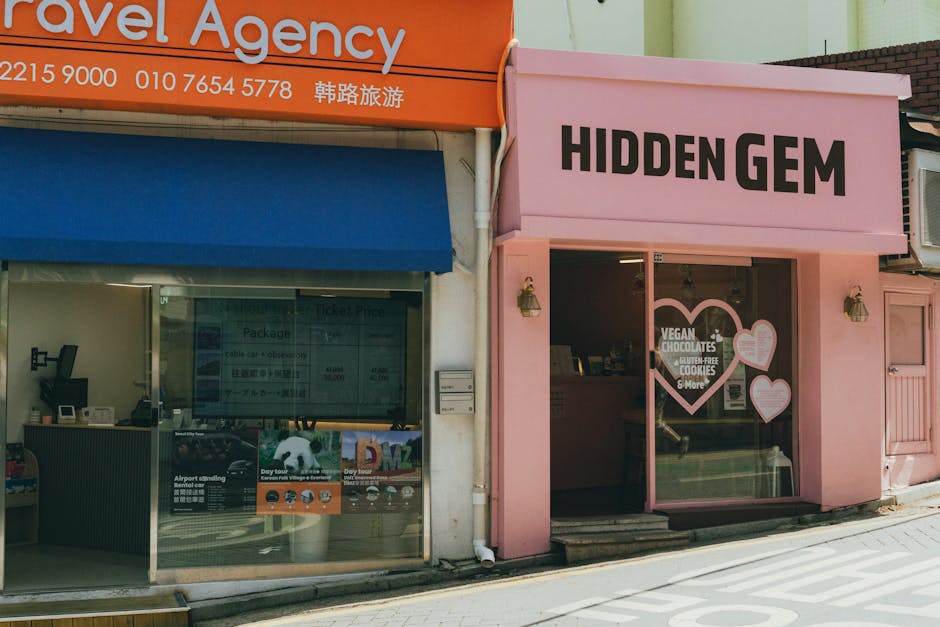
Discover Seoul's soul on a self-guided walk through historic hanok villages, traditional craft markets, and serene Buddhist temples.
 Easy
EasySeoul, South Korea
Discover 'Hip-jiro,' where gritty industrial alleys hide Seoul's trendiest secret cafes and vibrant nighttime beer culture on this self-guided walk.
 Moderate
Gdansk, Poland
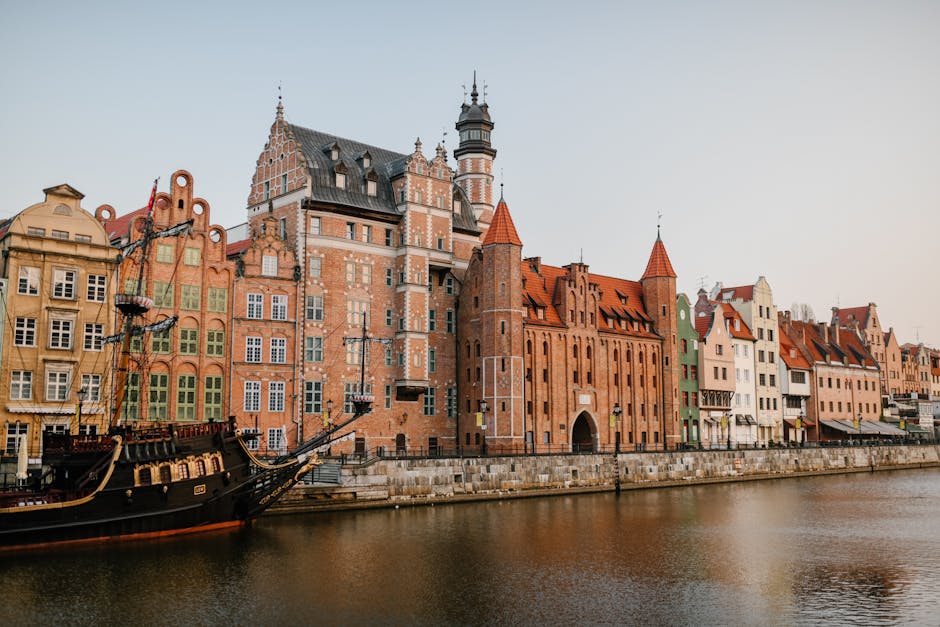
Discover the bohemian soul of Gdańsk. Explore the literary landmarks of Günter Grass, Prussian villas, and the trendy cafes of historic Wrzeszcz.
 Moderate
Nairobi, Kenya
Discover the creative soul of Nairobi on this self-guided walk through the city's premier art galleries, markets, and artisan workshops.
 Moderate
Gdansk, Poland
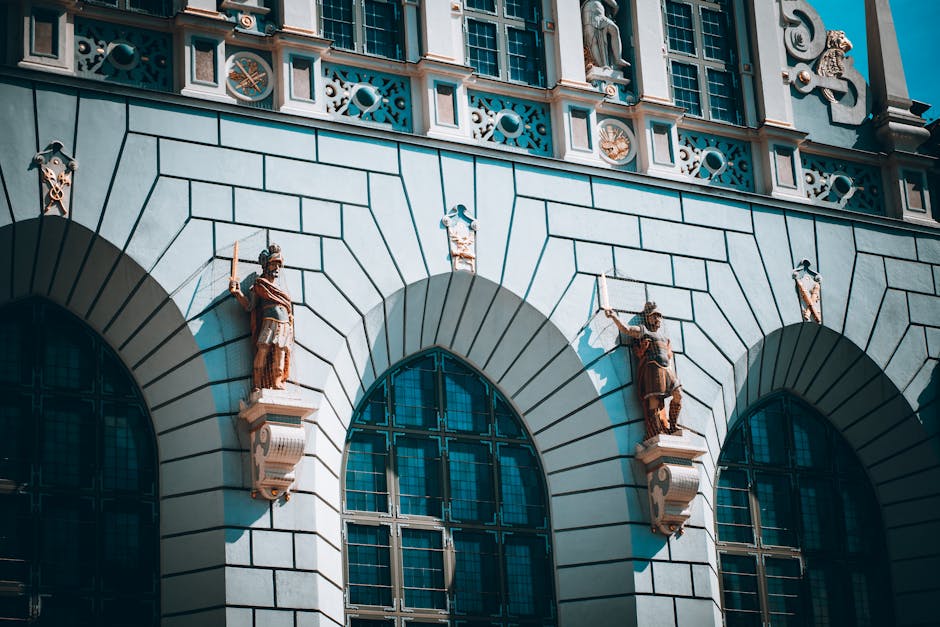
Discover Zaspa, a massive open-air gallery where grey housing blocks are transformed by over 60 monumental murals. Explore at your own pace.
 Moderate
Helsinki, Finland
Explore Helsinki's bohemian heart. Discover historic saunas, granite churches, and the vibrant local life of the Kallio neighborhood at your own pace.
 Easy
EasyBusan, South Korea
Explore Busan’s industrial-chic transformation. Discover hidden roasteries, redbrick alleys, and 'Newtro' culture in Jeonpo at your own pace.
 Easy
EasyBusan, South Korea
Eat your way through Busan's history on this self-guided walk through the iconic markets and neon-lit alleys of Nampo-dong.
 Easy
EasyBusan, South Korea
Discover the resilient heart of Busan through historic museums, the legendary Bosu-dong Book Alley, and the vibrant streets of Jung-gu.
 Easy
EasyBusan, South Korea
Discover Busan’s futuristic skyline, record-breaking malls, and avant-garde architecture on this self-guided walk through Centum City.
