Step into the spiritual and intellectual heart of Beijing with this self-guided walk through the Dongcheng District. This route offers a profound look at how the city’s imperial past continues to breathe through its religious and educational landmarks. Your journey begins on the serene Guozijian Street, one of the few remaining streets in the capital to retain its original imperial archways. Here, the air feels different—filtered by ancient trees and the weight of centuries of Confucian scholarship. As you explore independently, you will witness the architectural transition from the disciplined lines of the Imperial Academy to the vibrant, incense-swirled courtyards of the Yonghe Palace, better known as the Lama Temple. The Lama Temple is the centerpiece of this walking route. Once an imperial palace, it was converted into a Tibetan Buddhist lamasery, creating a unique hybrid of Qing Dynasty palace architecture and Himalayan spiritual motifs. It remains one of the most active and significant religious sites in the city. The sensory experience is unparalleled; the smell of burning sandalwood and the sight of devotees offering prayers create a meditative atmosphere that stands in stark contrast to the bustling city outside. This self-guided adventure concludes by bridging the gap between ancient tradition and modern aesthetics at the Song Art Gallery, where minimalist design and classical Chinese pines offer a contemporary interpretation of the beauty and stillness found in the temples. Whether you are a history enthusiast or a photography lover, this walking tour Beijing provides the perfect pace to soak in the city's complex cultural layers without the rush of a group. This neighborhood stroll is more than just a sightseeing path; it is an invitation to witness the enduring soul of Beijing.
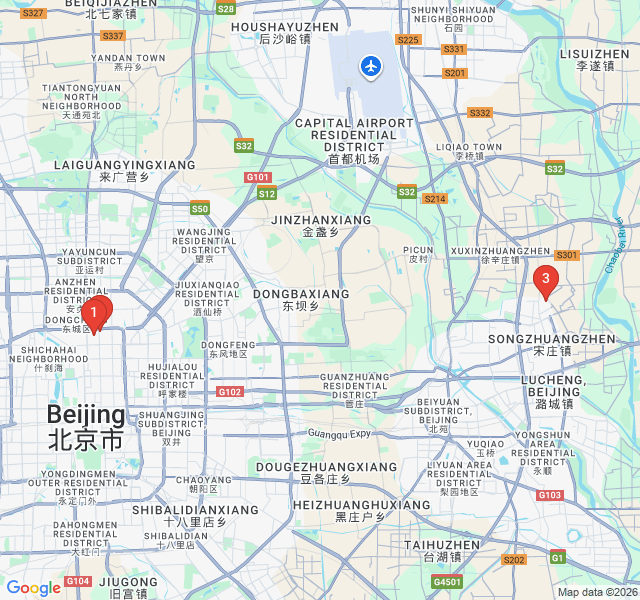
Numbers indicate the order of stops on the tour
Begin your self-guided adventure on Guozijian Street, a rare survivor of old Beijing. This street is home to the Confucius Temple and the Imperial Academy, the highest institute of learning in traditional China. As you walk, notice the four 'Pailou' or decorative archways spanning the road; in imperial times, even high-ranking officials were required to dismount their horses here out of respect for the scholars. The street is lined with scholar trees that provide a thick canopy, creating a peaceful atmosphere that has inspired students for over 700 years. It is the perfect introduction to the intellectual heritage of the city.
A short walk leads you to the Lama Temple, the most renowned Tibetan Buddhist temple outside of Tibet. Originally built in 1694 as the residence of Prince Yong (who later became the Yongzheng Emperor), it was converted into a lamasery in 1744. As you explore the five main halls, look for the fusion of Han, Mongol, and Tibetan architectural styles. The highlight is the Pavilion of Infinite Happiness, which houses an 18-meter-tall Maitreya Buddha carved from a single piece of white sandalwood—a gift from the seventh Dalai Lama to the Qianlong Emperor. The constant chime of bells and the drift of incense smoke make this a deeply evocative stop.
To conclude your journey, we shift from the ancient to the avant-garde. Song Art Gallery represents the 'Icons' of modern China. While the previous stops focused on historical and religious icons, this space uses minimalist white architecture and 199 meticulously groomed pine trees to create a 'living' art piece. The word 'Song' means pine, symbolizing longevity and resilience in Chinese culture. This gallery bridges the gap between the traditional aesthetics you saw at the temples and the clean, geometric lines of contemporary global art. It is a quiet, reflective space to process the deep history of the Dongcheng district.
Download Zigway to experience "Incense and Icons: The Lama Temple Route" with AI-powered audio narration. Walk at your own pace while stories unfold around you.
 Easy
EasyBeijing, China
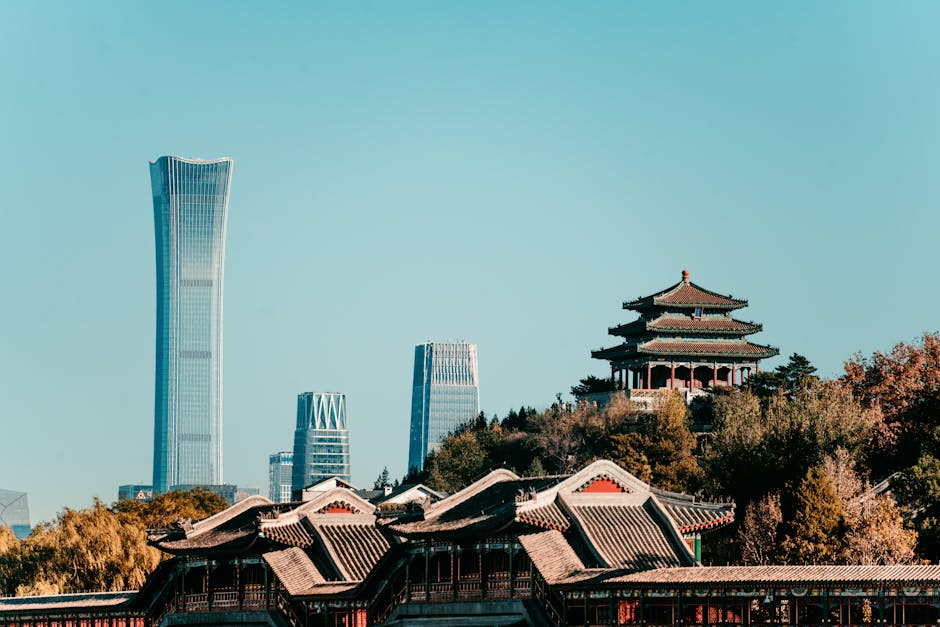
Explore Beijing's premier art district on this self-guided walk through the industrial-chic 798 Art Zone and the massive tanks of 751 D・PARK.
 Moderate
Beijing, China
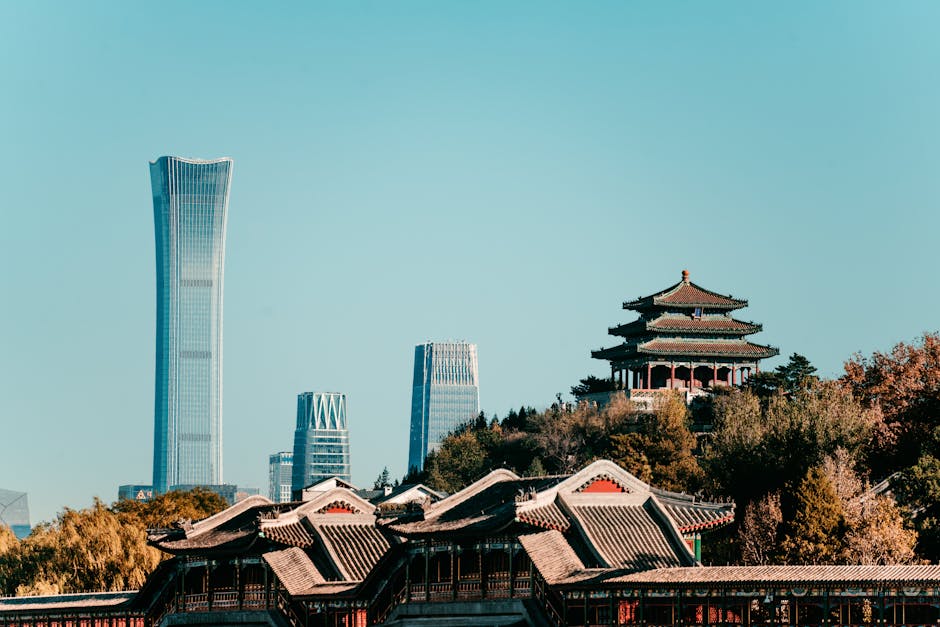
Explore the majestic red walls, imperial moats, and hilltop vistas of Beijing's Forbidden City on this self-guided architectural walking route.
 Moderate
Beijing, China
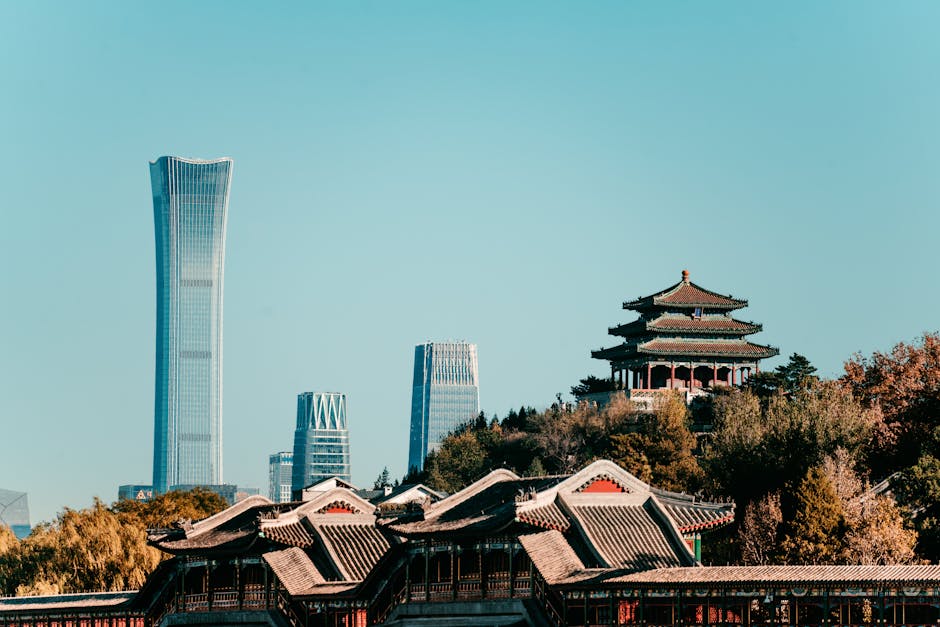
Explore the spiritual heart of Beijing on this self-guided walk through the Temple of Heaven's iconic altars, ancient pines, and vibrant park life.
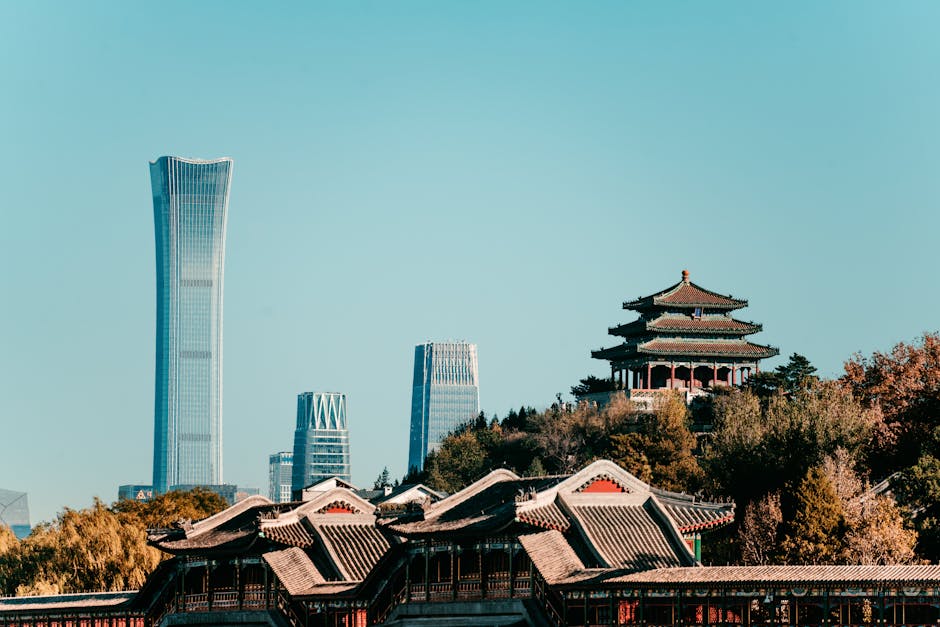 Easy
EasyBeijing, China
A culinary and cultural self-guided walk through Beijing's historic Dongsi neighborhood, featuring ancient mosques, hutongs, and iconic local eats.
 Easy
EasyNairobi, Kenya
Discover Nairobi's iconic skyline on this self-guided architecture walk through the CBD’s most famous modernist and Brutalist landmarks.
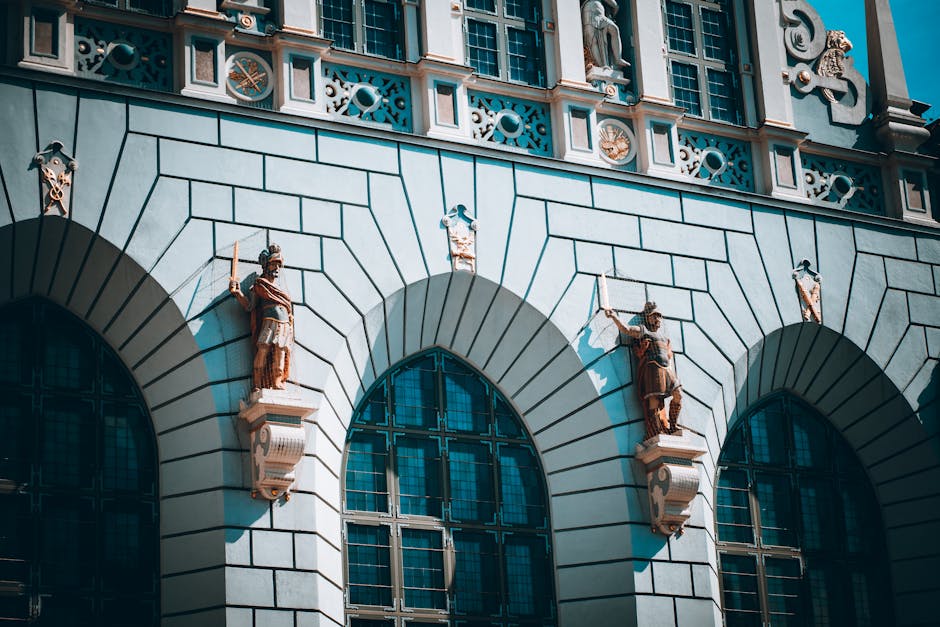 Easy
EasyGdansk, Poland
Discover the opulent Royal Way of Gdansk at your own pace. Explore Hanseatic history, gilded architecture, and the iconic Neptune's Fountain.
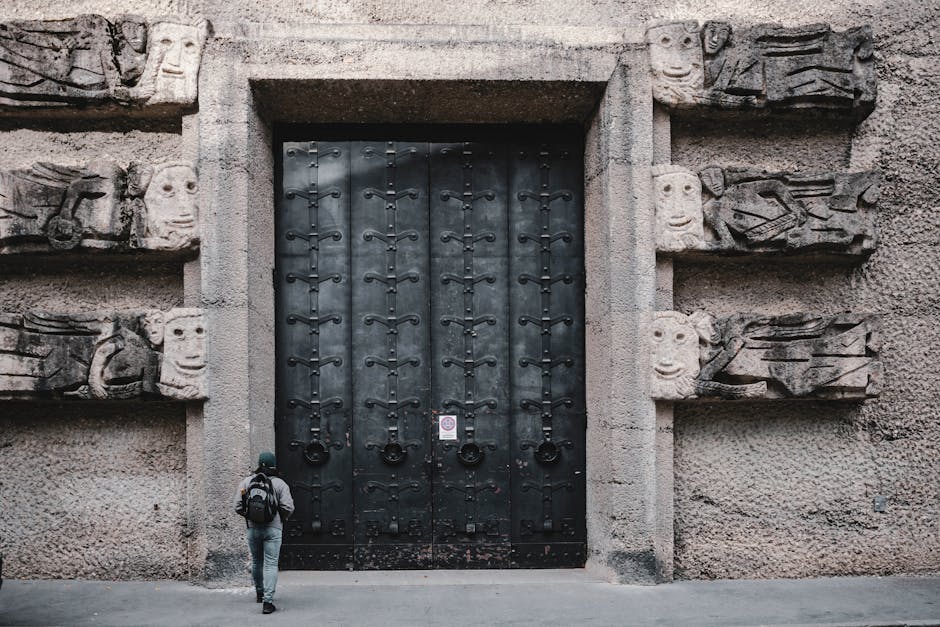 Easy
EasySalzburg, Austria
Discover the 'Rome of the North' on this self-guided walk through the Baroque squares and monumental legacy of Salzburg’s Prince-Archbishops.
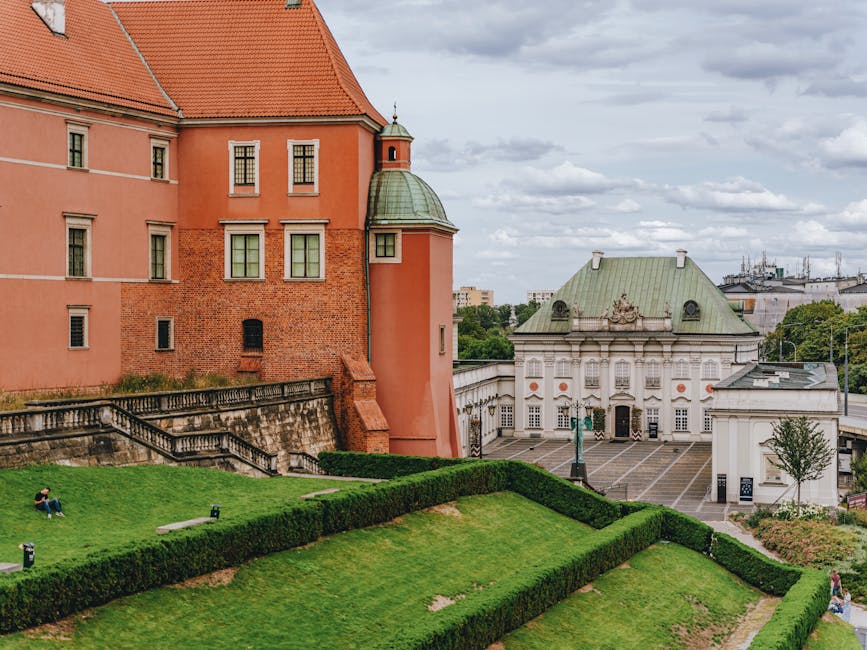 Easy
EasyWarsaw, Poland
Explore the miracle of Warsaw's reconstructed Old Town on this self-guided walk through royal squares, medieval walls, and heroic monuments.
 Moderate
Shanghai, China
Discover the 'Golden Mile' on this self-guided walking route through Shanghai's historic department stores and Art Deco landmarks.
 Easy
EasyShanghai, China
Explore Art Deco architecture, leafy boulevards, and hidden villas on this self-guided walk through the French Concession.
 Easy
EasyShanghai, China
Explore the intellectual heart of 1930s Shanghai on this self-guided stroll through Hongkou's historic literary landmarks and hidden alleys.
 Easy
EasyShanghai, China
Discover the 'Wall Street of the Orient' on this self-guided walk through Shanghai's legendary waterfront and its Art Deco architectural treasures.
