Mumbai is a city of incredible contrasts, where the relentless energy of a global financial hub meets the ancient stillness of sacred sites. This self-guided walk through South Mumbai invites you to peel back the layers of the city’s complex religious identity. From the namesake temple of the goddess Mumba to the tranquil waters of an ancient tank that predates the British Raj, you will explore the spiritual anchors that have held this island city together for centuries. Unlike a traditional walking tour Mumbai often presents to tourists, this route allows you to linger in the silence of a cathedral or witness the vibrant rituals of a Hindu temple at your own pace. Your journey begins in the bustling heart of the Bhuleshwar markets, where the Shri Mumbadevi Temple stands as a testament to the city’s origins. From there, the path winds through the historic fabric of the city, passing the grand Jama Masjid and the colonial elegance of St. Thomas’ Cathedral. You will encounter the striking sky-blue facade of the Keneseth Eliyahoo Synagogue, a reminder of the city’s once-thriving Baghdadi Jewish community. The route then shifts toward the coast to Malabar Hill, where the atmosphere changes entirely. At Banganga Tank and Walkeshwar Temple, the modern skyline of Mumbai disappears, replaced by a scene that feels thousands of years old. This neighborhood stroll is more than just a history lesson; it is an immersion into the living traditions of Mumbai. You will navigate narrow lanes filled with the scent of incense and flowers, witness the architectural evolution from Gothic Revival to traditional Indian styles, and see how diverse faiths have coexisted in this dense urban landscape. Whether you are a first-time visitor or a returning traveler, this walking route offers a profound look at the soul of the city, far removed from the typical commercial centers. Prepare for a moderate walk that rewards curiosity with hidden gems and timeless stories.
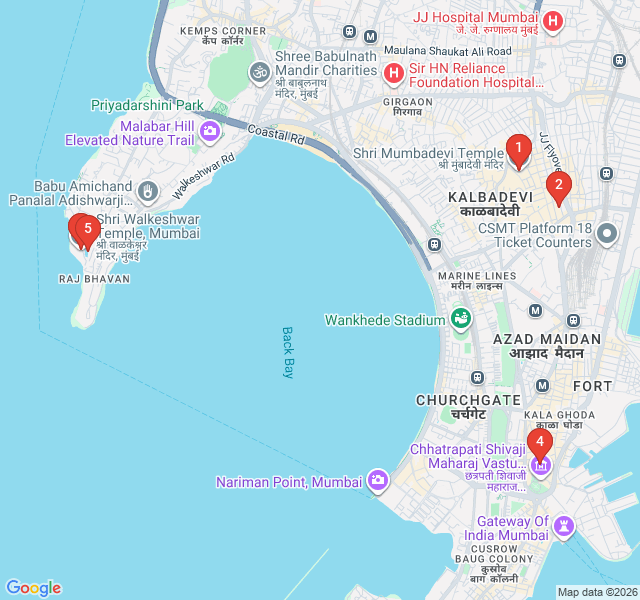
Numbers indicate the order of stops on the tour
Welcome to the spiritual origin point of the city. This temple is dedicated to Mumba Aai, the patron goddess of the Koli fisherfolk, the original inhabitants of the seven islands. In fact, the name 'Mumbai' is derived from 'Mumba' and 'Aai' (meaning mother). While the current structure dates back to the 18th century, the deity has been worshipped here for much longer. As you observe the vibrant rituals, notice the silver-plated inner sanctum. This site remains a powerful symbol of identity for Mumbaikars, standing firm amidst the chaotic commerce of the surrounding Bhuleshwar markets. It is the perfect place to begin your self-guided adventure into the city's soul.
A short walk brings you to the Jama Masjid, the oldest mosque in Mumbai. Completed in 1802, this structure is a beautiful example of how Islamic architecture adapted to the local environment. One of its most unique features is the ancient water tank located within the courtyard, filled with clear water and goldfish, used for ritual ablutions. The mosque serves as a peaceful sanctuary from the surrounding bustle of the jewelry and textile markets. Notice the intricate woodwork and the layers of history in the surrounding neighborhood, which has served as a center for the city's Muslim community for generations.
Step into the colonial history of the city at St. Thomas' Cathedral. Opened for service on Christmas Day in 1718, this was the first Anglican church in Mumbai. For a long time, it served as the 'Zero Point' of the city—the center from which all distances were measured. Inside, the walls are lined with marble memorials that tell the stories of British soldiers, administrators, and their families, offering a window into the era of the Raj. The Gothic and Classical architectural styles provide a sharp contrast to the temples you just visited. The cathedral's quiet garden is a rare pocket of stillness in the Fort district.
This striking sky-blue building is one of the most photographed landmarks in South Mumbai. Built in 1884 by Jacob Elias Sassoon, it serves the Baghdadi Jewish community. The interior is even more breathtaking than the exterior, featuring beautiful stained glass windows and Victorian columns. The presence of this synagogue in the heart of Mumbai is a testament to the city's long-standing tradition of religious tolerance and its history as a global melting pot. It remains an active place of worship and a symbol of the diverse cultural threads that have woven the fabric of modern Mumbai.
To reach this stop, you'll head toward the tip of Malabar Hill. Banganga Tank feels like a secret world hidden within the modern city. This freshwater tank is part of the Walkeshwar Temple complex and dates back to the 12th century. According to legend, Lord Rama created this spring by shooting an arrow into the ground while searching for his wife, Sita. The water is believed to come from a tributary of the Ganges River. Today, the steps (or ghats) surrounding the water are used for prayers, washing, and quiet reflection. It is one of the most atmospheric and ancient spots you will encounter on any walking route in the city.
Your journey concludes at the Walkeshwar Temple, located right next to Banganga Tank. The temple's name comes from 'Valuka Iswar,' meaning 'Lord of Sand.' Legend says that when Lord Rama's brother Lakshmana failed to bring a Shiva Lingam in time for prayer, Rama fashioned one out of sand. The current temple was rebuilt in the 1700s, but the site has been sacred for nearly a millennium. As you finish your walk, take a moment to look out toward the Arabian Sea. The juxtaposition of this ancient temple against the luxury high-rises of Malabar Hill perfectly encapsulates the enduring spirit of Mumbai.
Download Zigway to experience "Sacred Spaces of South Mumbai" with AI-powered audio narration. Walk at your own pace while stories unfold around you.
 Easy
EasyMumbai, India
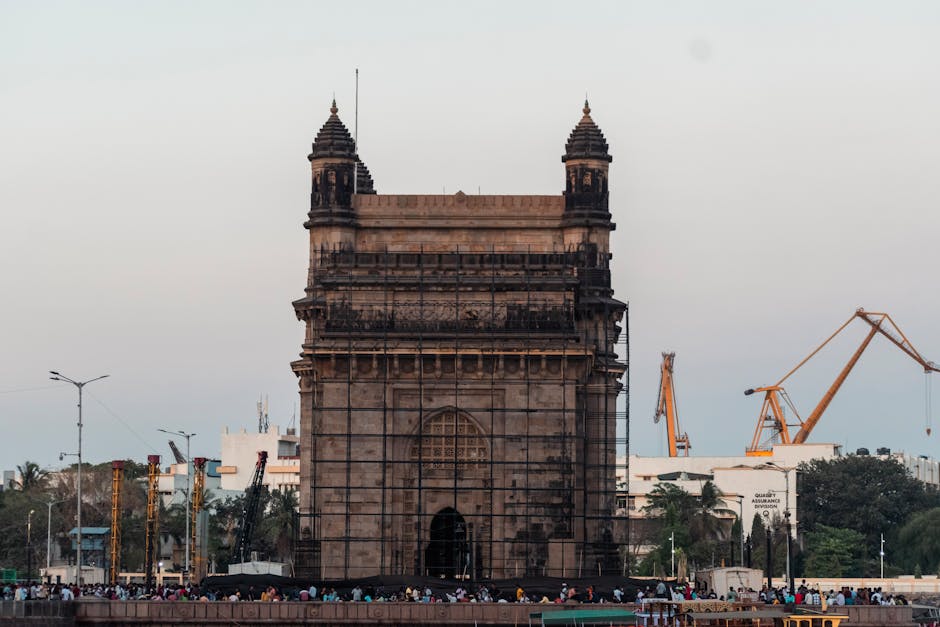
Explore Mumbai's stunning UNESCO Art Deco heritage on this self-guided walking route along the iconic Marine Drive promenade.
 Challenging
Mumbai, India
Experience the sensory explosion of Mumbai's historic markets on this challenging self-guided walk through Kalbadevi and Crawford Market.
 Easy
EasyMumbai, India
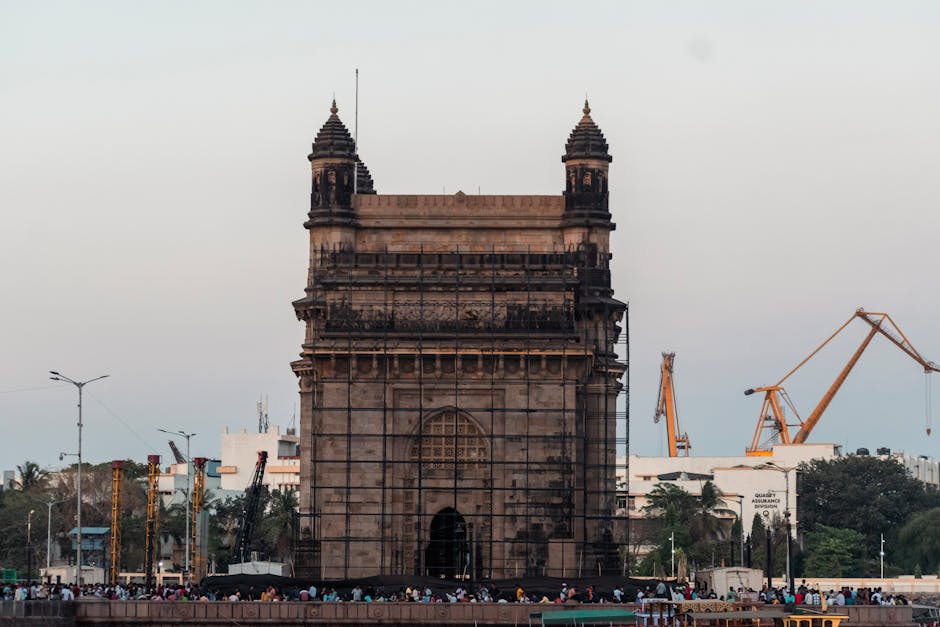
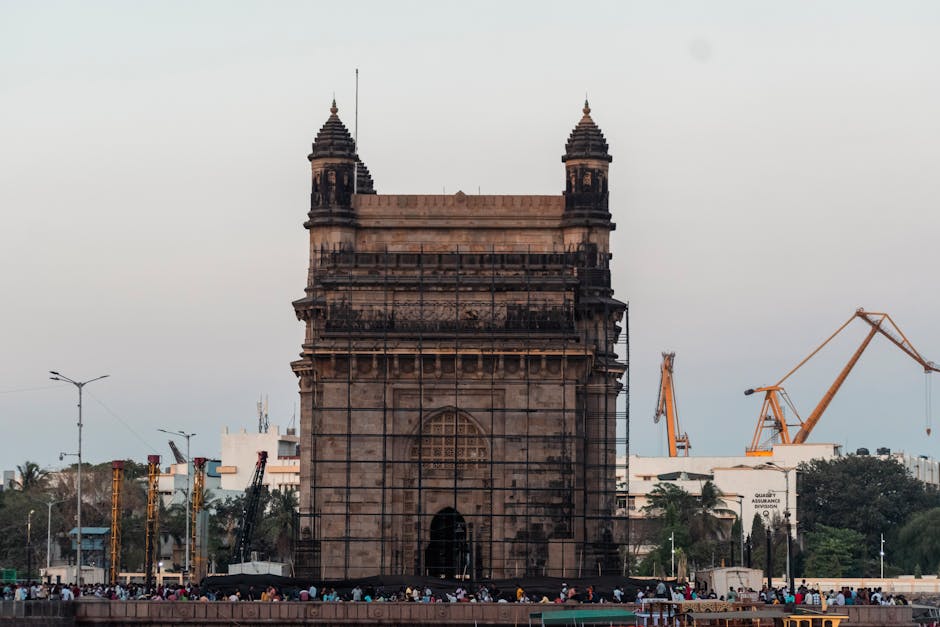
Explore Mumbai's colonial legacy on this self-guided walk through Colaba's iconic landmarks, from the Gateway of India to grand Art Deco palaces.
 Moderate
Mumbai, India
Explore the ancient fishing village of Worli Koliwada, historic forts, and stunning sea views on this self-guided cultural walking route.
 Easy
EasySalzburg, Austria
Discover the 'Rome of the North' on this self-guided walk through the Baroque squares and monumental legacy of Salzburg’s Prince-Archbishops.
 Moderate
Warsaw, Poland
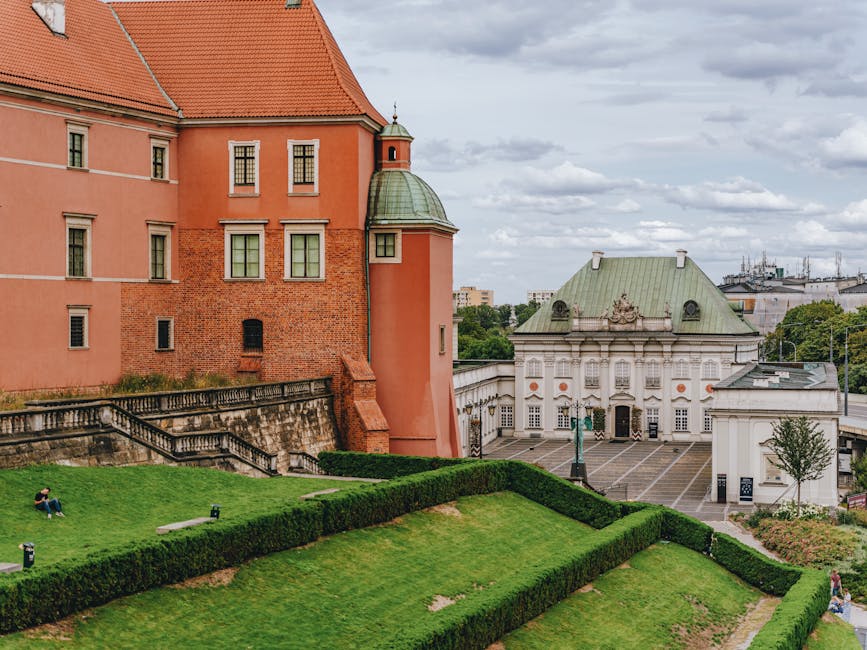
Explore the resilient spirit of Warsaw's Muranów district on this self-guided walk through the history and landmarks of the former Jewish Ghetto.
 Moderate
Gothenburg, Sweden
Discover Gothenburg’s maritime soul on this self-guided walk from the historic Central Station to the scenic riverfront at Stenpiren.
 Easy
EasyNairobi, Kenya
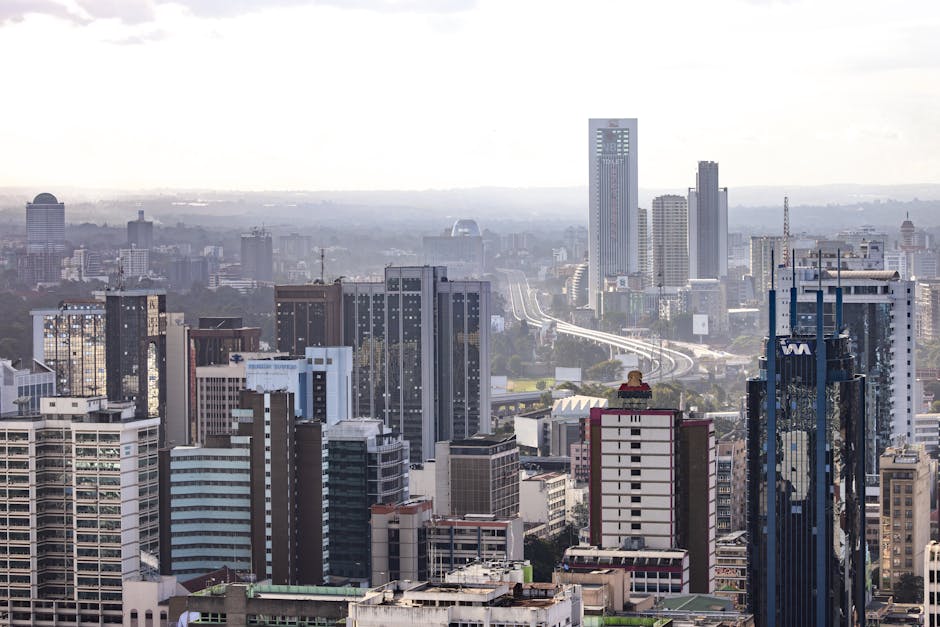
Discover Nairobi's iconic skyline on this self-guided architecture walk through the CBD’s most famous modernist and Brutalist landmarks.
 Challenging
Delhi, India
Explore the legendary flavors of Old Delhi on this self-guided audio walk through the historic markets and hidden food stalls of the Walled City.
 Easy
EasyDelhi, India
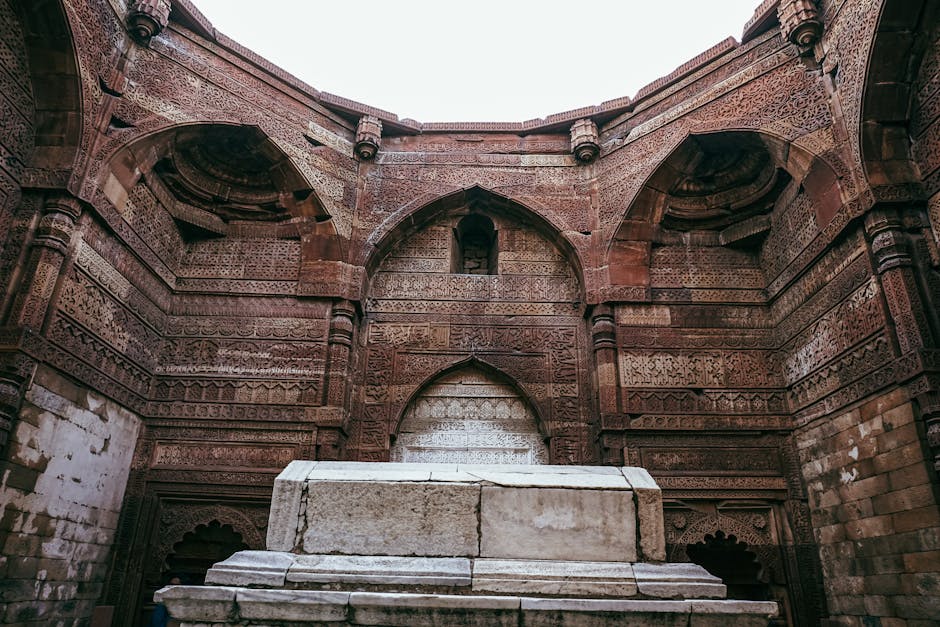
Explore where 14th-century ruins meet high-end fashion in Delhi's most creative urban village on this self-guided neighborhood stroll.
 Moderate
Delhi, India
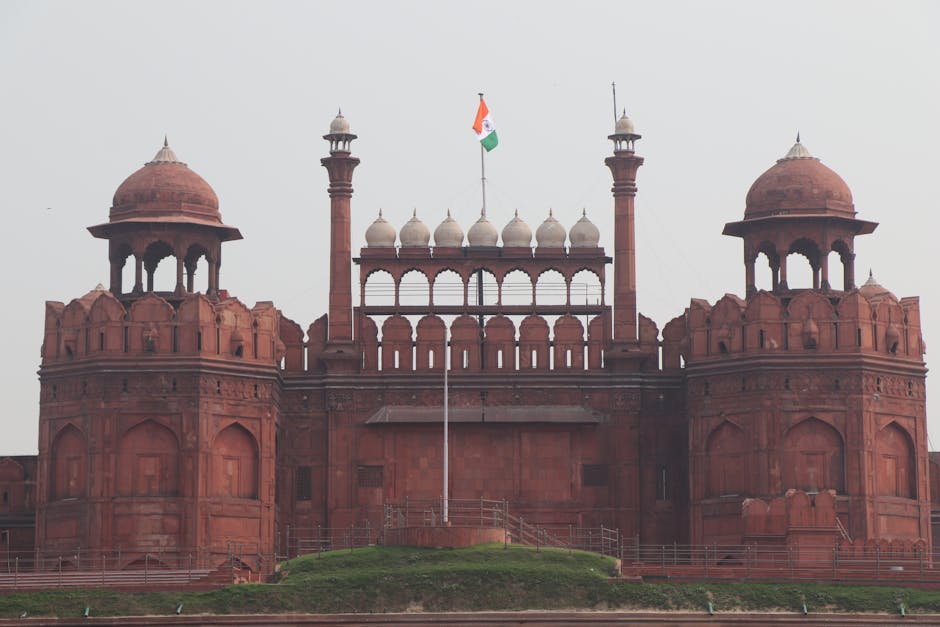
Explore Delhi's soul from the markets of Janpath to the hidden alleys of Little Tibet on this culture-rich, self-guided food and neighborhood stroll.
 Challenging
Delhi, India
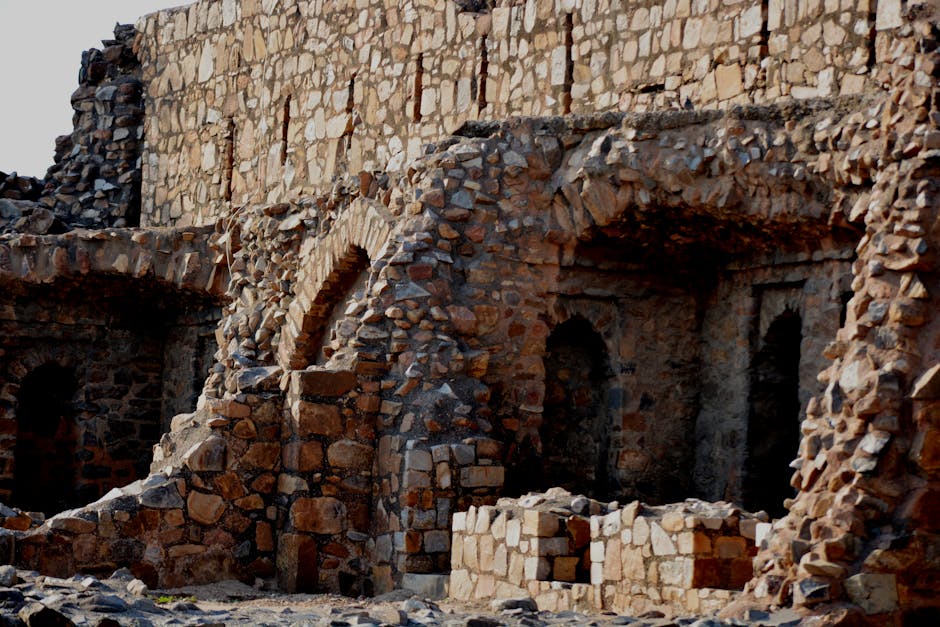
Experience the sensory magic of Old Delhi on this self-guided walk through historic spice markets, silver lanes, and grand Mughal monuments.
