Capture the soul of the Pink City on this visually stunning self-guided adventure through Jaipur’s most iconic and artistic landmarks. Jaipur is more than just a capital city; it is a meticulously planned canvas of terracotta hues, intricate lattice-work, and royal grandeur. This walking route is designed for those who view the world through a lens, focusing on the architectural symmetry, vibrant colors, and hidden textures that make Jaipur a global photography destination. From the Indo-Saracenic splendor of the Albert Hall Museum to the modern murals of Patrika Gate, you will explore the evolution of Rajasthani aesthetics. While many visitors stick to the main palace complexes, this neighborhood stroll in South Jaipur takes you through lush parks and contemporary art hubs that reflect the city's modern creative spirit. You’ll discover why Jaipur remains a cornerstone of any walking tour Jaipur experience, offering a blend of 18th-century precision and 21st-century flair. Along the way, the narration highlights the stories behind the stone, explaining the astronomical significance of the city's layout and the cultural symbolism of the pink wash that adorns its walls. Whether you are using a professional DSLR or a smartphone, the frames found here are unparalleled. This self-guided walk allows you to linger at each location, waiting for the perfect light or the right moment when a local artisan passes by. You will see the transition from the bustling old city gates to the tranquil, manicured landscapes of the southern districts. By the end of this journey at the kaleidoscopic Patrika Gate, you will have a gallery of images that tell the complete story of the Pink City. It is a must-do walking tour Jaipur highlight for anyone looking to go beyond the standard tourist trail and find the artistic heart of Rajasthan.
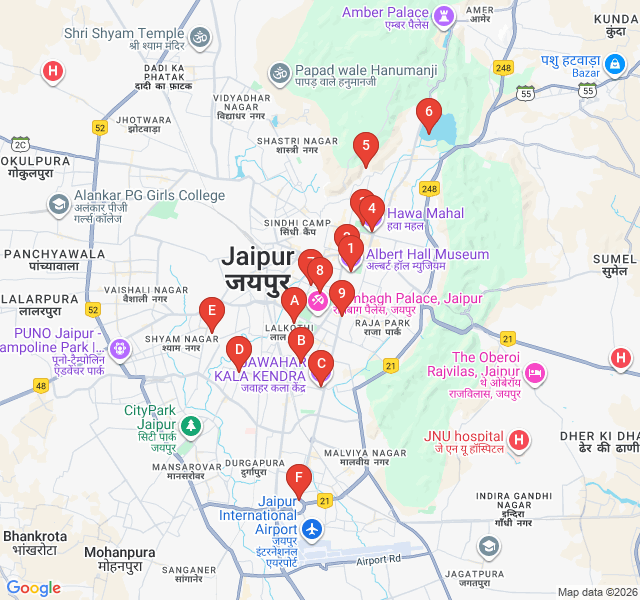
Numbers indicate the order of stops on the tour
Start your self-guided walk at the Albert Hall Museum, the oldest museum in the state. Built in 1876 to welcome the Prince of Wales, its Indo-Saracenic architecture is a masterpiece of stone ornamentation and towering cupolas. Photographers love the early morning light here when hundreds of pigeons take flight against the sandstone backdrop. Notice the intricate carvings that blend Persian, Mughal, and European styles. It’s not just a museum; it’s a testament to the global influences that shaped Jaipur's royal identity. Capture the symmetry of the arches before heading into the green expanse of Ramniwas Bagh.
Step into the 'green lung' of Jaipur. This historical garden was designed in 1868 by Maharaja Sawai Ram Singh. As you stroll through, observe how the lush greenery contrasts with the pink stone of the surrounding city. It’s a peaceful transition point where locals come for morning walks. For the best photos, look for the long shaded pathways and the Victorian-style lampposts that dot the park, offering a glimpse into the colonial-era landscaping that once defined this royal garden.
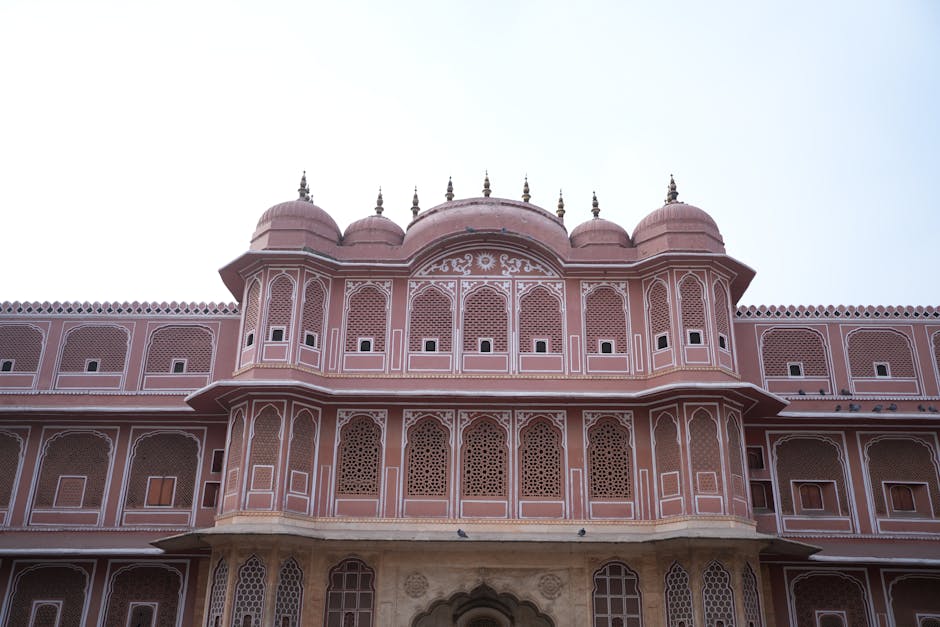
The City Palace is a complex of courtyards, gardens, and buildings that remains the residence of the royal family. For photographers, the highlight is the Pritam Niwas Chowk. This inner courtyard features four small doorways representing the four seasons: the Peacock Gate (Autumn), the Lotus Gate (Summer), the Green Gate (Spring), and the Rose Gate (Winter). Each is adorned with incredibly detailed paintings and carvings. The play of light and shadow in these courtyards creates a dramatic atmosphere that has inspired artists for centuries.
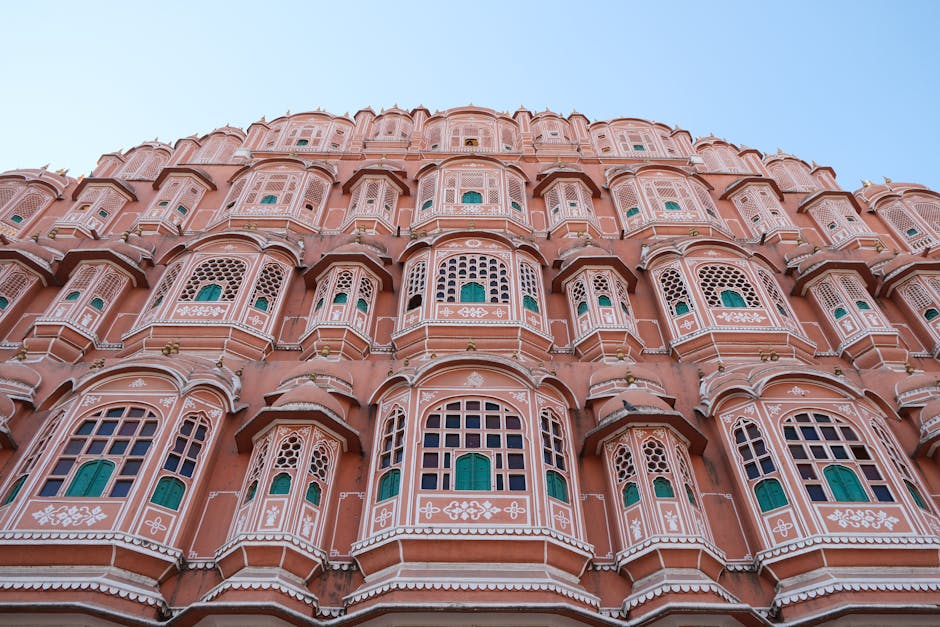
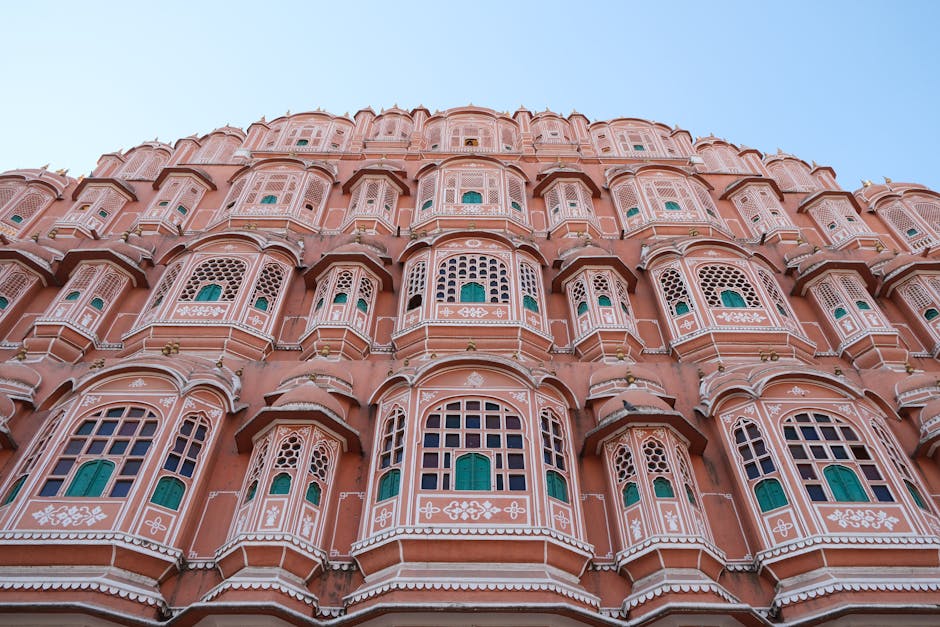
You are now standing before the most photographed building in Jaipur. The 'Palace of Winds' was built in 1799 so royal women could observe street festivals without being seen. Its unique five-story exterior resembles a honeycomb with 953 small windows called jharokhas. The best angle is from across the street, where you can capture the verticality of the pink sandstone. In the morning, the rising sun illuminates the facade, making the pink glow intensely. It’s a marvel of Rajput architecture and a masterclass in cooling ventilation.
Located in a quiet valley, these royal cenotaphs are a hidden gem for photography. This is the cremation site of the Kachwaha Rajput kings. Each 'chhatri' or umbrella-shaped dome is a marvel of marble and stone carving. The cenotaph of Maharaja Jai Singh II is particularly impressive, featuring 20 carved pillars. The site offers a serene, almost ethereal atmosphere, far from the city noise. The intricate ceiling carvings and the view of the surrounding hills make this a perfect spot for architectural detail shots.
Rising from the center of Man Sagar Lake, the Jal Mahal (Water Palace) appears to float. Built in the 18th century, four of its five stories remain underwater when the lake is full. While you can't enter the palace, the lakeside promenade offers spectacular panoramic views. The red sandstone against the blue water, especially at sunset or sunrise, is a classic Jaipur frame. Look for the local street vendors and traditional musicians who often frequent the promenade, adding a human element to your landscape photos.
This landmark commemorates the founder of Jaipur, Maharaja Sawai Jai Singh II. The white marble statue depicts him holding an astrological chart, reflecting his passion for science and stars. The circle is a hub of local life, especially in the evenings when the fountains are lit. For a photographer, it offers a great perspective of the wide, planned boulevards that Jai Singh II envisioned. It’s a modern symbol of the city’s historic roots.
Central Park is the largest park in Jaipur and home to the tallest national flag in the country. It’s a favorite for fitness enthusiasts and birdwatchers. The wide-open spaces and the massive tricolor flag provide a sense of scale and patriotism. The stone structures and the musical fountain are great subjects, but the real charm is capturing the daily life of Jaipur’s residents against the backdrop of the city’s greenest space.
This heritage property is a fine example of a traditional Rajput Haveli turned into a hotel. Even from the outside, the architecture speaks of a bygone era of elegance. The arched doorways and traditional frescoes are worth a quick stop. It represents the 'living history' of Jaipur, where royal residences have adapted to the modern world while preserving their artistic integrity. The facade provides a beautiful, textured background for portrait photography.
This flame of the immortal soldier is a war memorial dedicated to the soldiers of Rajasthan. The structure is modern and minimalist, featuring a black marble pedestal with an inverted rifle capped by a helmet. At night, the memorial is beautifully illuminated with changing colors, making it a prime spot for long-exposure photography. It’s a place of quiet reflection and a stark architectural contrast to the ornate palaces of the old city.
A charming park known for its pond and greenery. It’s a popular spot for families, but for the photographer, it offers interesting reflections and a chance to capture the softer side of the city. The play of light through the trees and the colorful flowers in bloom provide a natural palette that differs from the stone-heavy sites earlier on the route. It’s a reminder of the 'Garden City' aspirations of Jaipur’s planners.
Designed by the renowned architect Charles Correa, this arts center is a masterpiece of modern architecture. The building's plan is inspired by the original nine-square grid of Jaipur, which itself was based on the Vedic 'Vastu Purusha Mandala.' Each section corresponds to a planet. For photographers, the geometry, the use of red sandstone, and the play of light in the central courtyard are endless sources of inspiration. It’s the heart of Jaipur’s contemporary art scene and a must-visit for anyone interested in structural design.
This modern memorial park features grand stone structures and wide plazas. The scale of the monuments is impressive, offering great opportunities for wide-angle shots. The park is dedicated to the architect of the Indian Constitution, and its design emphasizes dignity and permanence. The clean lines and repetitive arches provide a contemporary take on the traditional Rajasthani stone-working heritage.
One of the newer additions to Jaipur’s landscape, City Park in Mansarovar is a sprawling modern garden. It features massive entrance gates, sculptures, and a large lake. The park is designed with a focus on aesthetics and community. The blend of modern landscaping with traditional motifs makes it a popular spot for local photographers. Look for the artistic installations and the colorful flower beds that provide a vibrant foreground for your images.
Finish your self-guided adventure at the Patrika Gate, the entrance to Jawahar Circle. This is perhaps the most colorful spot in all of India. Each of the nine pavilions is hand-painted with intricate murals depicting the history, culture, and legends of different regions of Rajasthan. The symmetry of the arches creates a 'tunnel' effect that is a dream for photographers. It’s a vibrant celebration of the state’s artistic soul and the perfect place to conclude your visual journey through the Pink City.
Download Zigway to experience "Frames of the Pink City: A Photographer’s Route" with AI-powered audio narration. Walk at your own pace while stories unfold around you.
 Moderate
Jaipur, India
Discover Jaipur’s secret courtyards and stunning frescoes on this self-guided walk through the historic havelis and alleys of Purani Basti.
 Challenging
Jaipur, India
Ascend the historic ramparts of Amer Fort on this self-guided walk through ancient stepwells, royal gateways, and the dazzling Hall of Mirrors.
 Easy
EasyJaipur, India
Explore the rose-hued gates and vibrant markets of Jaipur on this self-guided architectural walk from Albert Hall to the historic Ajmeri Gate.
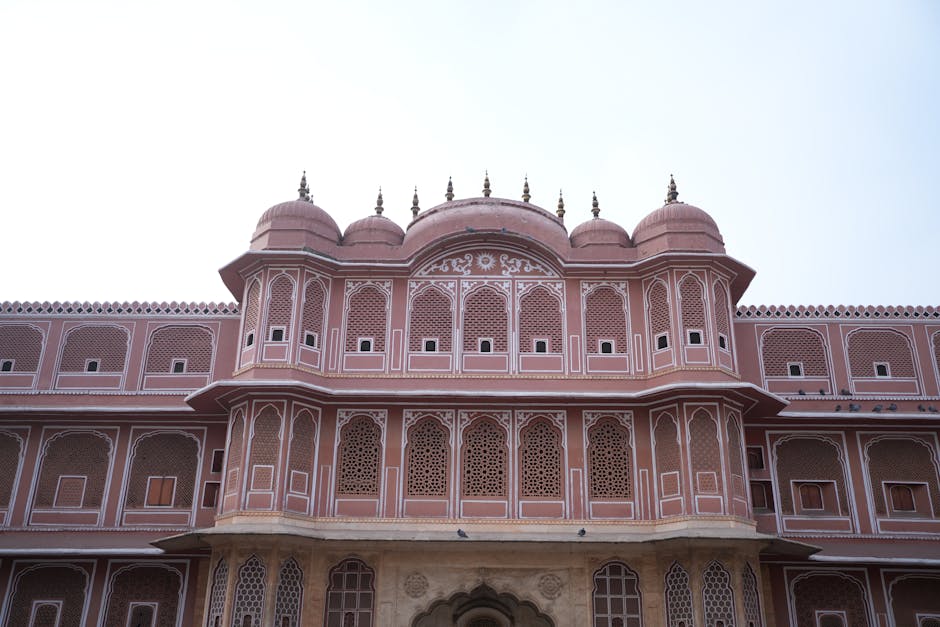 Moderate
Jaipur, India
Explore Jaipur’s royal history at your own pace with this self-guided audio walk through the Pink City’s most iconic palaces and monuments.
 Easy
EasyNairobi, Kenya
Discover Nairobi's iconic skyline on this self-guided architecture walk through the CBD’s most famous modernist and Brutalist landmarks.
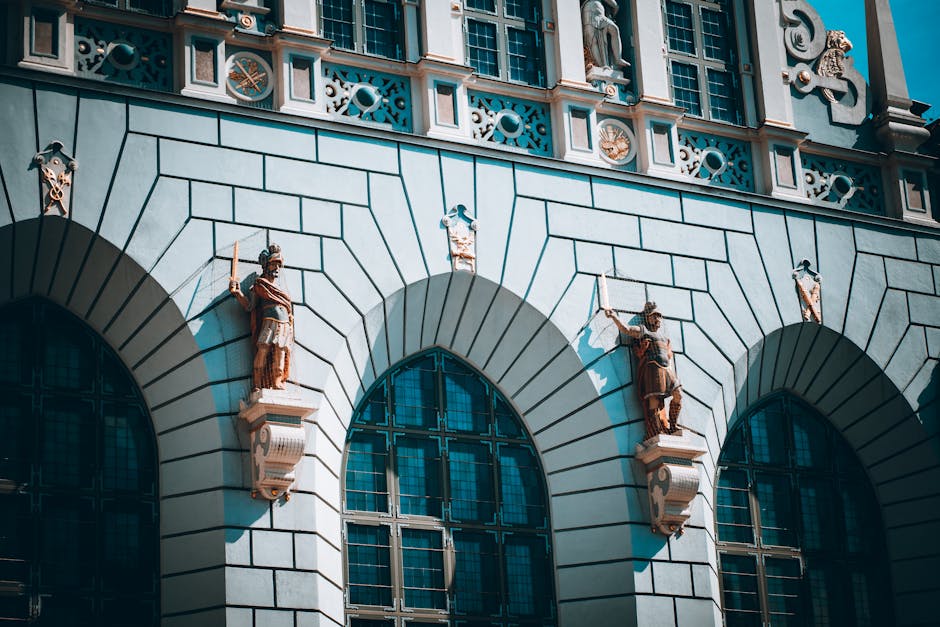 Easy
EasyGdansk, Poland
Discover the opulent Royal Way of Gdansk at your own pace. Explore Hanseatic history, gilded architecture, and the iconic Neptune's Fountain.
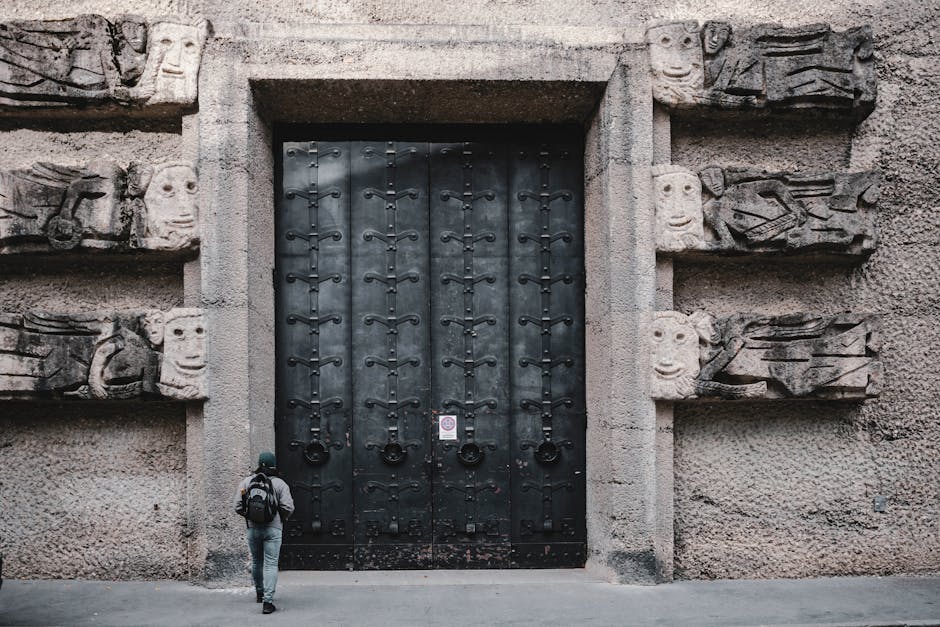 Easy
EasySalzburg, Austria
Discover the 'Rome of the North' on this self-guided walk through the Baroque squares and monumental legacy of Salzburg’s Prince-Archbishops.
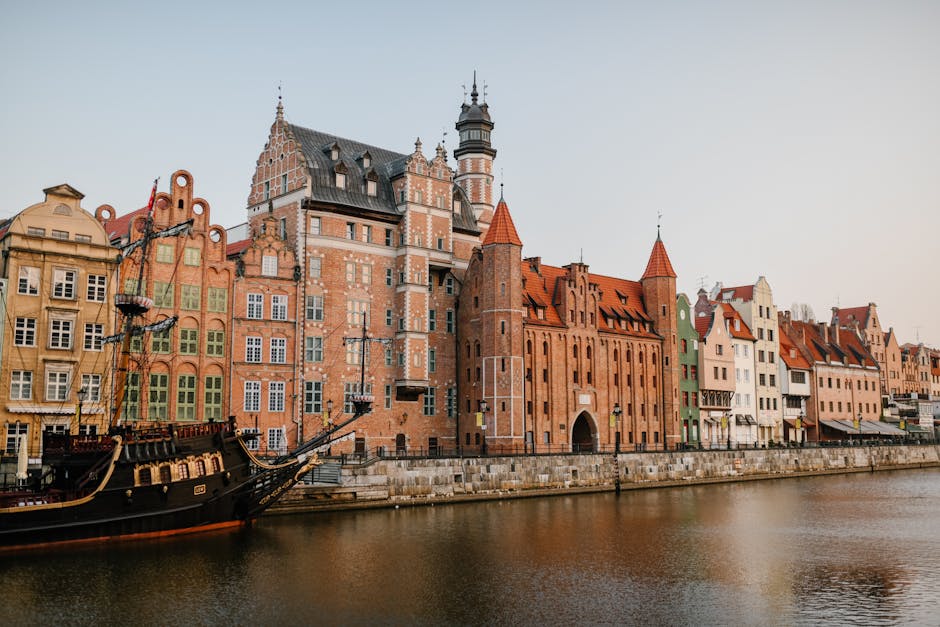 Easy
EasyGdansk, Poland
Discover the 'Baltic Gold' on this self-guided walk through Gdansk's historic mills, massive cathedrals, and the magical Mariacka Street.
 Easy
EasyMumbai, India
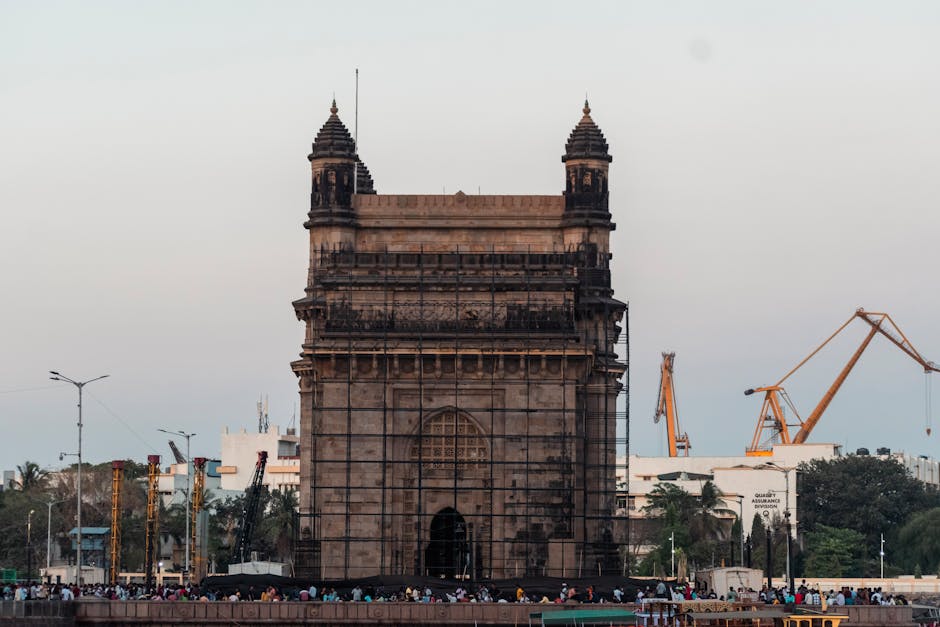
Explore Mumbai's stunning UNESCO Art Deco heritage on this self-guided walking route along the iconic Marine Drive promenade.
 Challenging
Mumbai, India
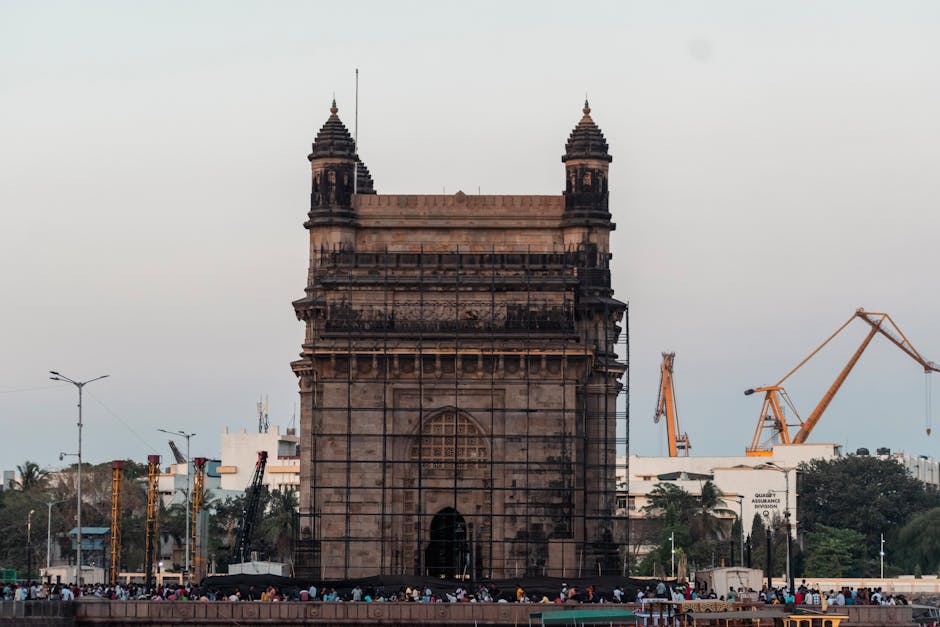
Experience the sensory explosion of Mumbai's historic markets on this challenging self-guided walk through Kalbadevi and Crawford Market.
 Easy
EasyMumbai, India
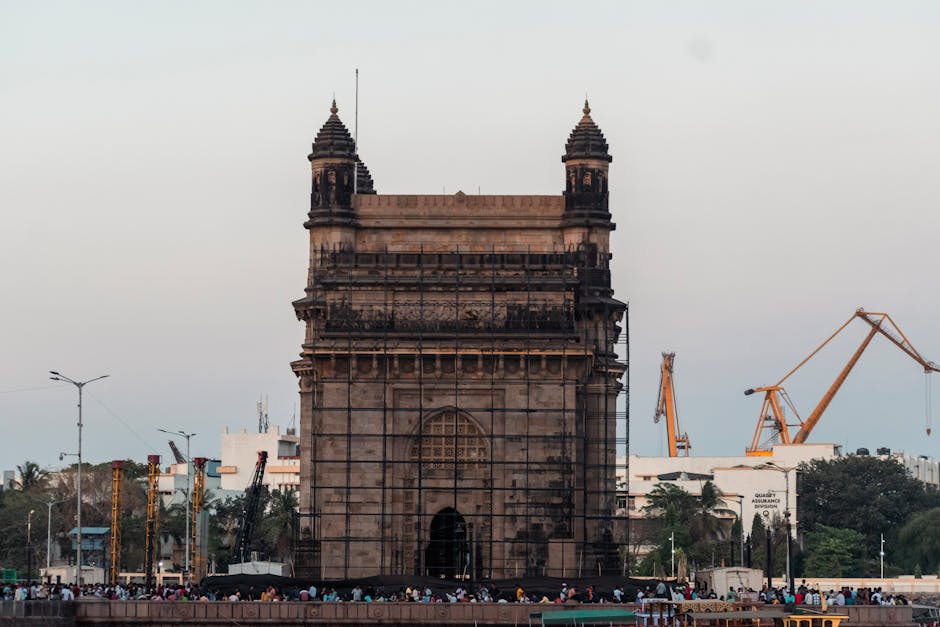
Explore Mumbai's colonial legacy on this self-guided walk through Colaba's iconic landmarks, from the Gateway of India to grand Art Deco palaces.
 Moderate
Mumbai, India
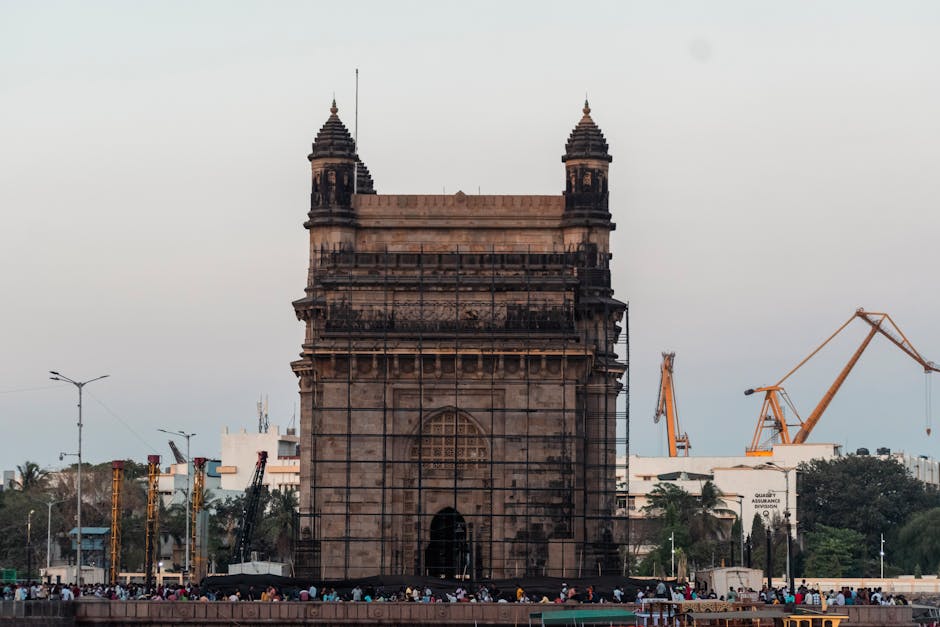
Explore the ancient fishing village of Worli Koliwada, historic forts, and stunning sea views on this self-guided cultural walking route.
