Escape the frantic pace of the San Marco district and cross the Giudecca Canal to discover a side of Venice where time seems to slow down. This self-guided walk explores the island of Giudecca, historically known as a place of retreat, industry, and high-society secrets. Unlike the narrow alleys of the main city, Giudecca offers wide promenades and sweeping, cinematic views of the Venetian skyline. On this neighborhood stroll, you will trace the island's transformation from an industrial powerhouse to a sanctuary for artists and luxury seekers. The route begins at the imposing Molino Stucky, a neo-Gothic monument that once served as Italy's largest flour mill, before leading you to the hidden gardens where Mariano Fortuny perfected his world-famous silk-printing techniques. As you move along the waterfront, the architectural legacy of the Renaissance takes center stage at the Chiesa del Santissimo Redentore, Andrea Palladio's masterpiece built to celebrate the end of a devastating plague. This walking route Venice enthusiasts adore also highlights the cultural shifts of the 20th century, from the photographic legacy of the Casa dei Tre Oci to the exclusive, jasmine-scented grounds of the Hotel Cipriani. This is not a typical guided tour Venice visitors usually find; instead, it is a chance to wander independently through a residential neighborhood where laundry flutters over quiet canals and the 'silence' of Venice is finally audible. Whether you are interested in the industrial heritage of the 19th century or the refined elegance of Palladian design, this audio walk provides the context needed to appreciate Giudecca's unique character. By the time you reach the eastern tip of the island, you will understand why this long, narrow strip of land has remained Venice's best-kept secret for centuries.
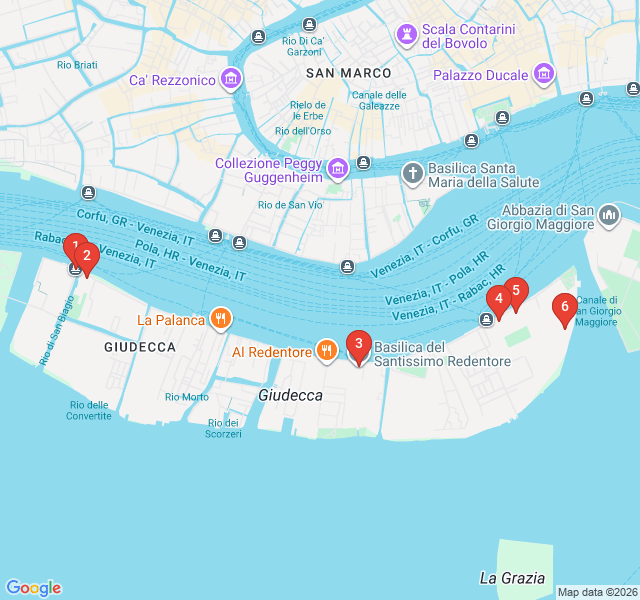
Numbers indicate the order of stops on the tour
Standing before this massive brick structure, it is easy to forget you are in Venice. Built between 1884 and 1895 by Giovanni Stucky, a Swiss businessman, this was once the largest flour mill in Italy. Its neo-Gothic style, complete with crenellated towers, was a radical departure from Venetian tradition and symbolized the city's entry into the industrial age. At its peak, 1,500 workers processed 2,500 quintals of flour daily here. After falling into ruin in the mid-20th century, it was meticulously restored and now serves as a luxury hotel, but it remains the most significant landmark of Venice's industrial heritage, proving that the city's history is built on more than just art and gondolas.
Just a short walk from the mill lies the legacy of Mariano Fortuny, the 'Magician of Venice.' While many know his name from the palace in San Marco, this is where the magic actually happens. Established in 1921, this factory still produces the world's most coveted hand-printed silks and velvets using the original machinery designed by Fortuny himself. The methods are so secret that no visitors are allowed inside the factory floor, but the showroom and the adjacent garden offer a glimpse into a world of timeless luxury. Fortuny’s ability to blend ancient patterns with modern textile technology transformed Giudecca into a hub for high-fashion craftsmanship.
The Church of the Redentore is more than a religious site; it is a monument to survival. Commissioned by the Venetian Senate in 1576, it was built to thank God for the end of a plague that killed nearly a third of the city's population. Designed by the legendary Andrea Palladio, the church features a classic white marble facade that dominates the Giudecca skyline. Every July, a bridge of boats is built across the canal from the main city to this portal, allowing Venetians to walk across the water in pilgrimage. Inside, the light-filled, airy design reflects Palladio’s obsession with harmony and mathematical proportion, marking a peak of Renaissance architecture.
This striking neo-Gothic house is one of the most photographed buildings on the island. Built in 1913 by the painter Mario De Maria, its name 'Tre Oci' literally means 'Three Eyes,' referring to the three large ogival windows on the facade that represent the members of his family. The building served as a home and studio for artists for decades and later became a world-class photography museum. Its design, featuring elaborate brickwork and whimsical shapes, stands in playful contrast to the more formal churches nearby. It serves as a reminder that Giudecca has long been a haven for the avant-garde and the creative soul.
The Church of Santa Maria della Presentazione is colloquially known as 'Le Zitelle' (The Maidens). In the 16th century, this complex served as a charitable institution for young, impoverished girls who were taught traditional Venetian lace-making to provide them with a respectable future. The design of the church is often attributed to Palladio, though completed after his death. It sits on the 'elbow' of the island, offering one of the most famous views in the world: a direct line of sight across the water to the Doge's Palace and the Campanile of San Marco. It represents the historic Venetian commitment to social welfare wrapped in elegant architecture.
Our walk concludes at the eastern tip of Giudecca, at the gates of the legendary Hotel Cipriani. Opened in 1958 by Giuseppe Cipriani, the founder of Harry’s Bar, this hotel redefined luxury in Venice. It was designed to be a sanctuary away from the city's noise, complete with an Olympic-sized swimming pool—a rarity in Venice. Over the decades, it has hosted everyone from George Clooney to royalty. While the interior is exclusive to guests, the surrounding area offers a sense of the quiet, high-society glamour that defines this end of the island. From here, you can watch the boats drift toward the Lido or the San Marco basin, marking the end of your Giudecca exploration.
Download Zigway to experience "The Silence of Giudecca" with AI-powered audio narration. Walk at your own pace while stories unfold around you.
 Easy
EasyVenice, Italy
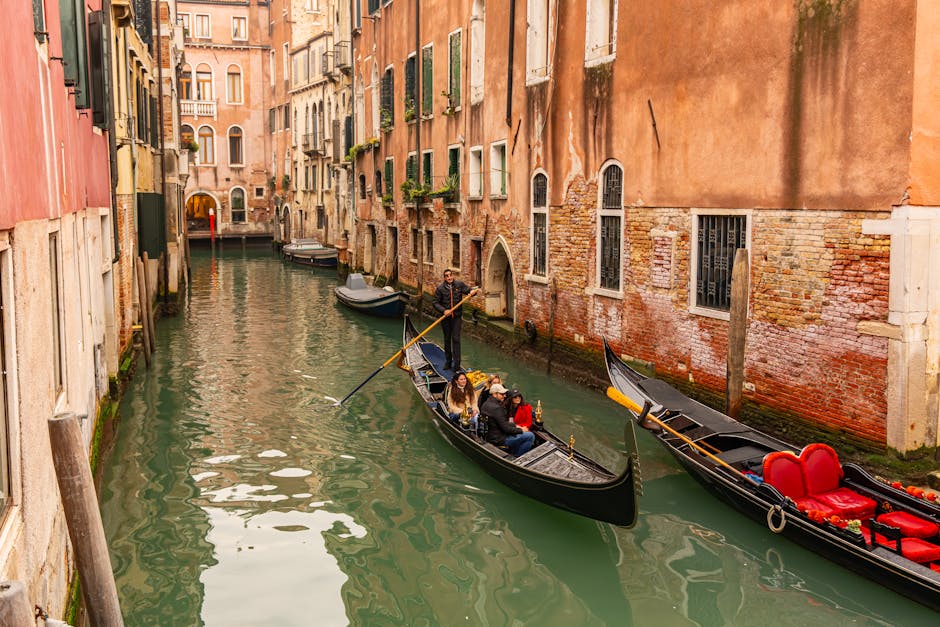
Explore the world’s first Ghetto in Cannaregio. Discover hidden synagogues, high-rise history, and the resilient spirit of Venice’s Jewish community.
 Easy
EasyVenice, Italy
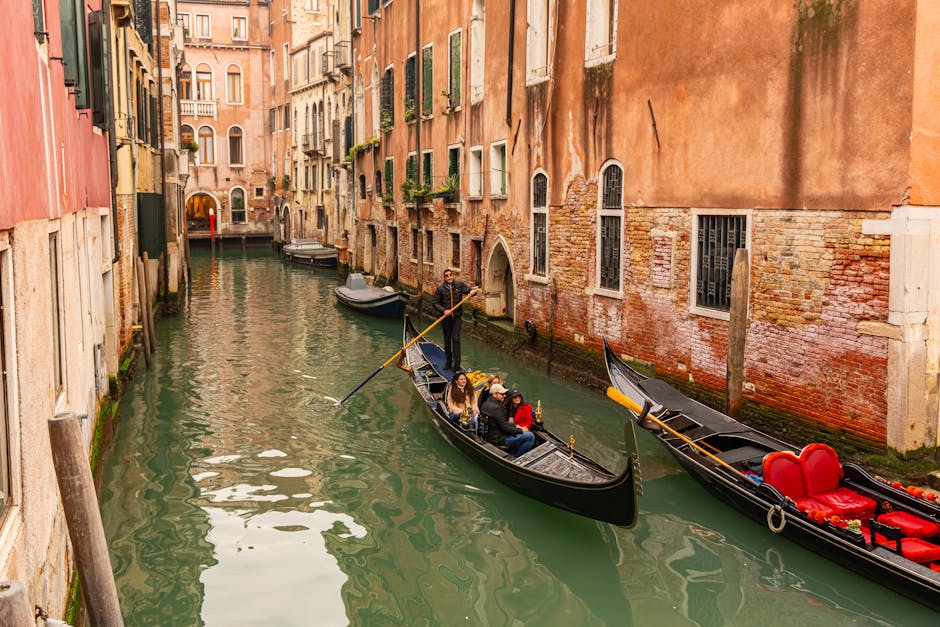
Discover the golden light of Venice's Dorsoduro district with this self-guided stroll along the scenic Zattere promenade.
 Easy
EasyVenice, Italy
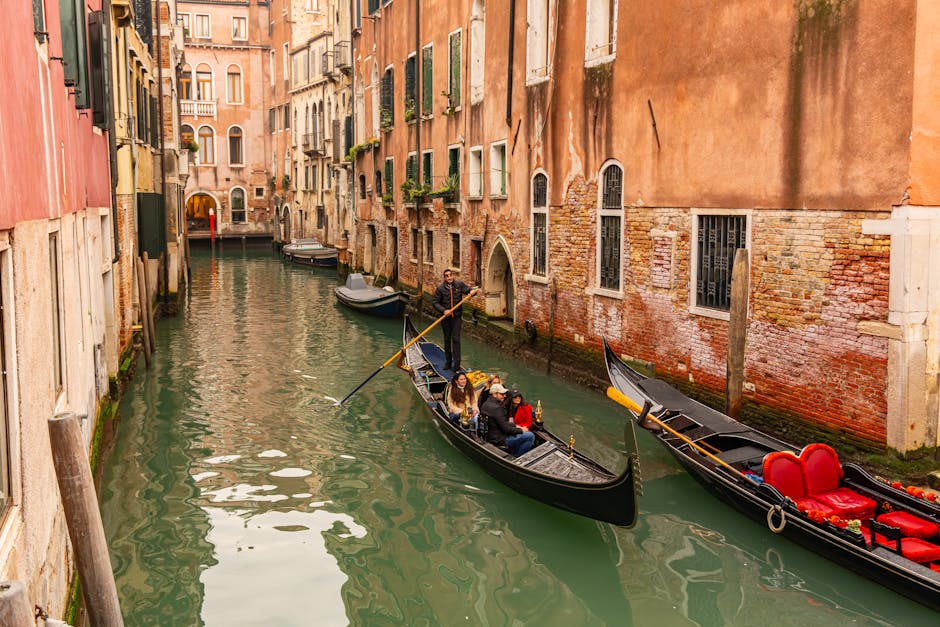
Discover the soul of Venice through its artisans. Explore mask-making, gondola shipyards, and modern art on this self-guided Dorsoduro stroll.
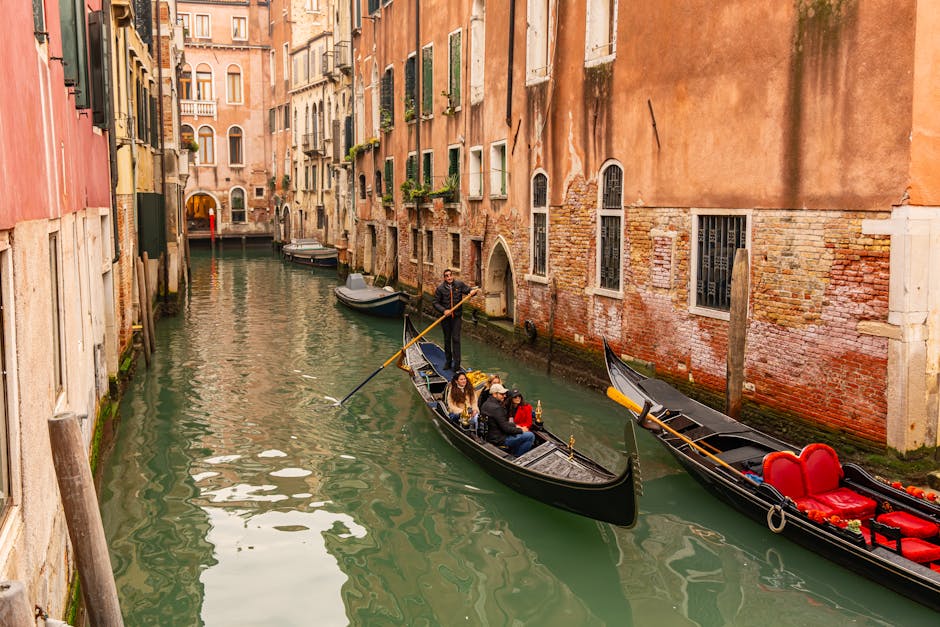 Easy
EasyVenice, Italy
Trace the lives of Byron, Hemingway, and Dickens on this self-guided literary adventure through Venice’s historic San Marco district.
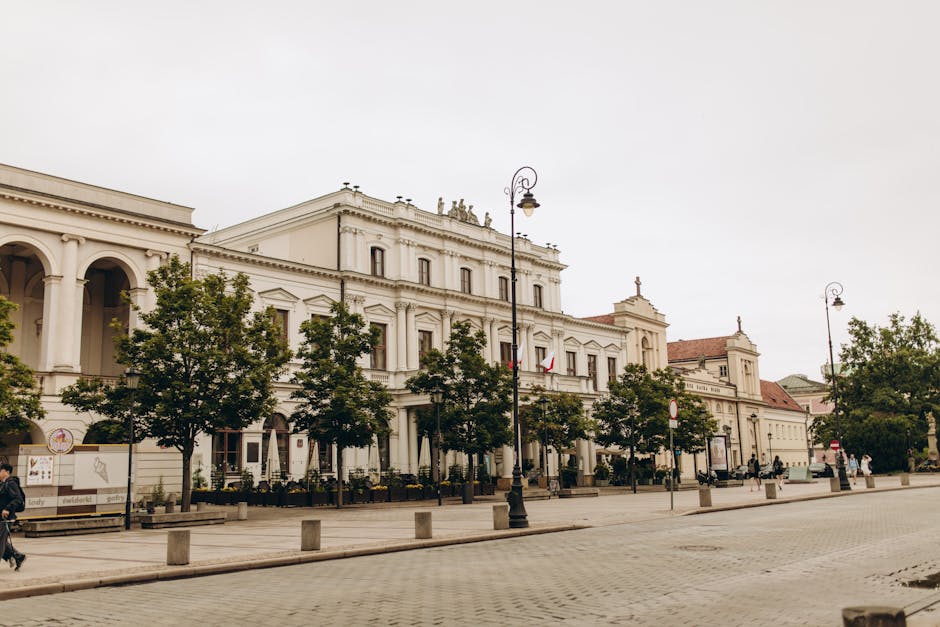 Easy
EasyWarsaw, Poland
Explore Warsaw's scenic riverfront, rooftop gardens, and industrial-chic architecture on this self-guided stroll through the Powiśle district.
 Easy
EasyHelsinki, Finland
Discover Helsinki's oldest neighborhood on this self-guided audio walk through Kruununhaka’s historic streets, hidden courtyards, and scenic shores.
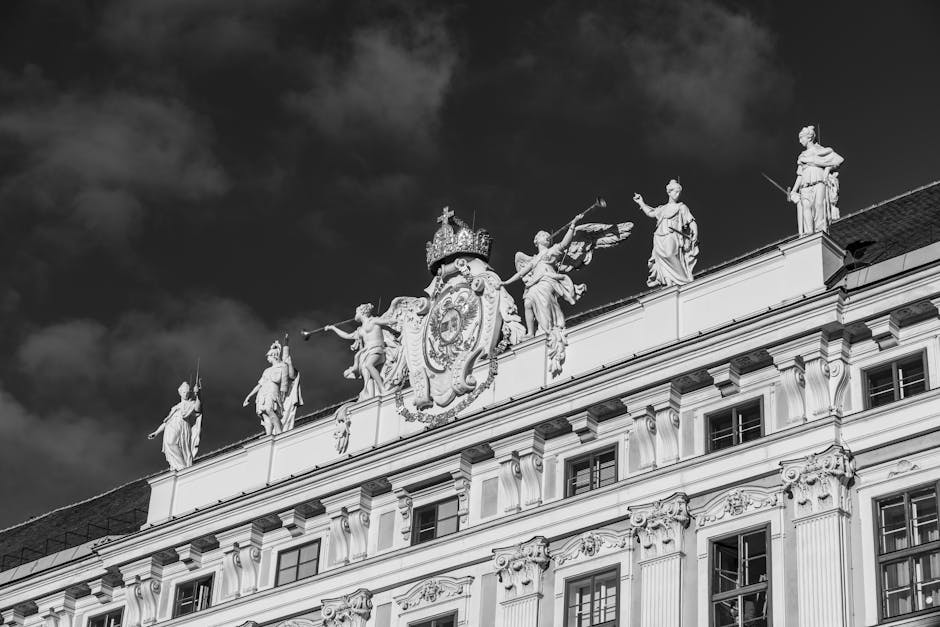 Easy
EasyVienna, Austria
Explore Vienna’s vibrant open-air gallery along the Danube Canal on this self-guided street art and nightlife stroll through Leopoldstadt.
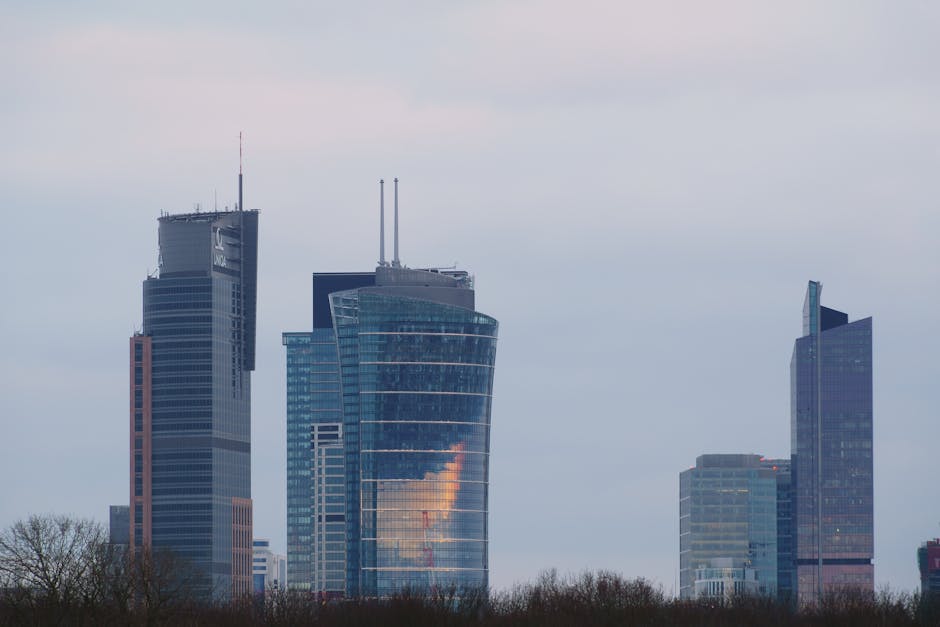 Easy
EasyWarsaw, Poland
Discover the hidden courtyards and grand pre-war architecture of Warsaw's most atmospheric neighborhood on this self-guided stroll.
 Easy
EasyRome, Italy
Explore Rome’s industrial heart on this self-guided walk featuring massive murals, the 'Iron Colosseum,' and unique industrial archaeology.
 Easy
EasyRome, Italy
Explore Rome’s whimsical Fairytale District. A self-guided walk through Art Nouveau palaces, mythical fountains, and the magical Coppedè architecture.
 Moderate
Rome, Italy
Uncover Rome's hidden history on this self-guided walk through ancient gladiator pits, subterranean temples, and buried Roman houses.
 Challenging
Rome, Italy
Walk the 'Queen of Roads.' Explore ancient catacombs, imperial villas, and historic basalt stones on this scenic self-guided Roman adventure.
