Helsinki is often celebrated as the 'White City of the North,' a title earned through its stunning collection of modernist structures that define the city's skyline. This self-guided walk invites you to explore the evolution of Finnish design, focusing on the legendary architect Alvar Aalto and his contemporaries. As you navigate the streets of the Kluuvi neighborhood and beyond, you will witness how Finnish architecture transitioned from the heavy, romantic stone of the early 20th century to the light, functionalist marble masterpieces that made Helsinki a global design capital. The route highlights the deep connection between Finnish identity and the built environment, showcasing buildings that are not just offices or stations, but symbols of a young nation's progress and artistic vision. Starting at the monumental Helsinki Central Station, you will observe the transition from Art Nouveau to Modernism before diving into Aalto’s specific genius. You will encounter the Rautatalo and the Academic Bookstore, where Aalto’s mastery of natural light and internal spaces transforms the shopping experience into an architectural event. The walk also takes you to the iconic Savoy, home to the world-famous Aalto vase, and the controversial yet striking Stora Enso headquarters, often referred to as the 'Sugar Cube.' The journey concludes at Finlandia Hall, perhaps the most recognizable work in the Aalto portfolio. This neighborhood stroll allows you to discover these landmarks at your own pace, offering a deep dive into the philosophy of 'human-centered' design that prioritizes light, air, and organic forms. Whether you are an architecture student or a curious traveler, this architecture-focused walking route Helsinki offers a unique perspective on the city's aesthetic soul without the constraints of a rigid schedule.
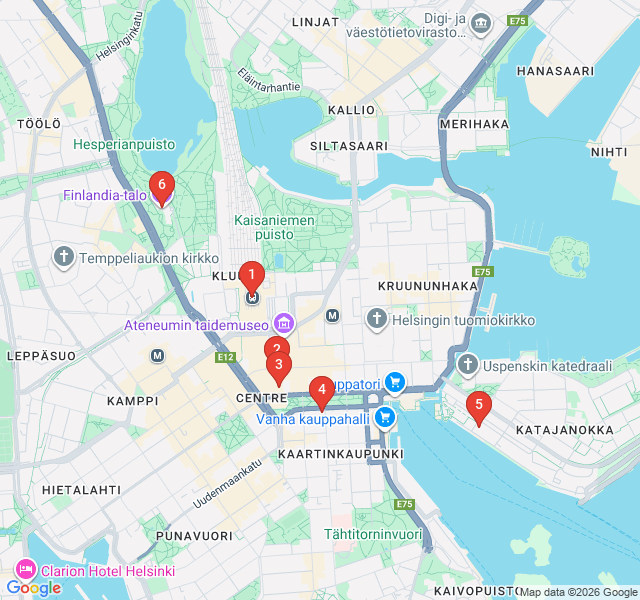
Numbers indicate the order of stops on the tour
Begin your exploration at one of the world's most beautiful railway stations. Designed by Eliel Saarinen and completed in 1919, this building represents a pivotal moment in Finnish architecture. Notice the four massive granite figures flanking the main entrance, known as the 'Lyhdynkantajat' or Lantern Carriers. They hold spherical lamps that glow at night, serving as silent guardians of the city. While the building has elements of National Romanticism, its clean lines and functional layout prefigure the modernism that would soon take over the city. It is a transition point where old-world grandeur meets the efficiency of the industrial age.
Designed by Alvar Aalto in the 1950s, Rautatalo is a masterclass in commercial modernism. From the street, the copper-clad facade might look understated, but the magic happens inside. Aalto designed the building around a central 'Marble Courtyard.' He believed that even in the dark Finnish winters, people should have access to bright, airy spaces. Look for the circular skylights that flood the interior with natural light, a signature Aalto technique. This building demonstrated that office and commercial spaces could be both functional and beautiful, prioritizing the psychological well-being of those inside.
Directly across from Rautatalo is one of Aalto’s most beloved public works: the Academic Bookstore. Completed in 1969, it features a stark, white marble interior that feels like a cathedral for literature. The most striking features are the large, angular prism-shaped skylights. Aalto designed these to bring daylight deep into the three-story atrium, reflecting off the white surfaces to create a shadowless environment perfect for browsing books. While here, you might spot Artek furniture, the company co-founded by Aalto, which perfectly complements the building's geometric precision.
Located on the top floor of an industrial building, the Savoy restaurant is an icon of Finnish interior design. Created by Alvar and Aino Aalto in 1937, the interior remains remarkably preserved. This is where the world-famous 'Savoy Vase' (now known simply as the Aalto Vase) was first introduced. The design philosophy here was 'total work of art,' where everything from the light fixtures to the custom furniture was designed to create a harmonious atmosphere. Even from the street, you can appreciate how the Aaltos integrated luxury with organic, functional forms that never feel dated.
As you move toward the harbor, you will encounter the Stora Enso headquarters, often called the 'Sugar Cube.' Completed in 1962, it is one of Helsinki’s most debated buildings. Aalto used polished Carrara marble for the facade, creating a bright white grid that stands in sharp contrast to the brick-red Uspenski Cathedral nearby. While controversial for its modern appearance in a historic area, it exemplifies Aalto's late-career confidence and his desire to bring Mediterranean light and materials to the Nordic coast. It remains a polarizing but essential piece of the city's modernist puzzle.
The final stop on this self-guided adventure is Finlandia Hall, Aalto’s crowning achievement. Situated on the banks of Töölönlahti Bay, this concert and congress center is a symphony of white Carrara marble and black granite. The building's sloping roof is designed to improve acoustics, while the interior features organic shapes and hidden details that mimic the Finnish landscape. Notice how the building seems to change color depending on the light and the time of day. It is the ultimate expression of Aalto’s vision: a building that serves the public while harmonizing perfectly with the surrounding nature.
Download Zigway to experience "Alvar Aalto and Modernist Masterpieces" with AI-powered audio narration. Walk at your own pace while stories unfold around you.
 Moderate
Helsinki, Finland
Explore Helsinki's bohemian heart. Discover historic saunas, granite churches, and the vibrant local life of the Kallio neighborhood at your own pace.
 Easy
EasyHelsinki, Finland
Discover Helsinki's oldest neighborhood on this self-guided audio walk through Kruununhaka’s historic streets, hidden courtyards, and scenic shores.
 Moderate
Helsinki, Finland
Explore the 'Gibraltar of the North' on this independent walking route through the historic bastions and hidden gardens of Suomenlinna Sea Fortress.
 Easy
EasyHelsinki, Finland
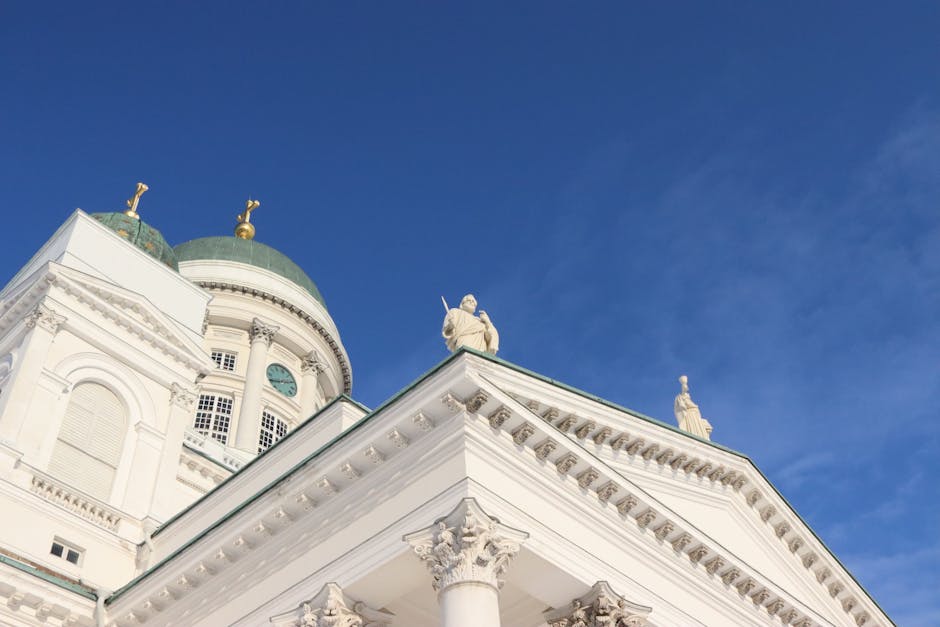
Discover Helsinki's stunning Art Nouveau architecture and maritime history on this self-guided neighborhood stroll through Katajanokka.
 Easy
EasyNairobi, Kenya
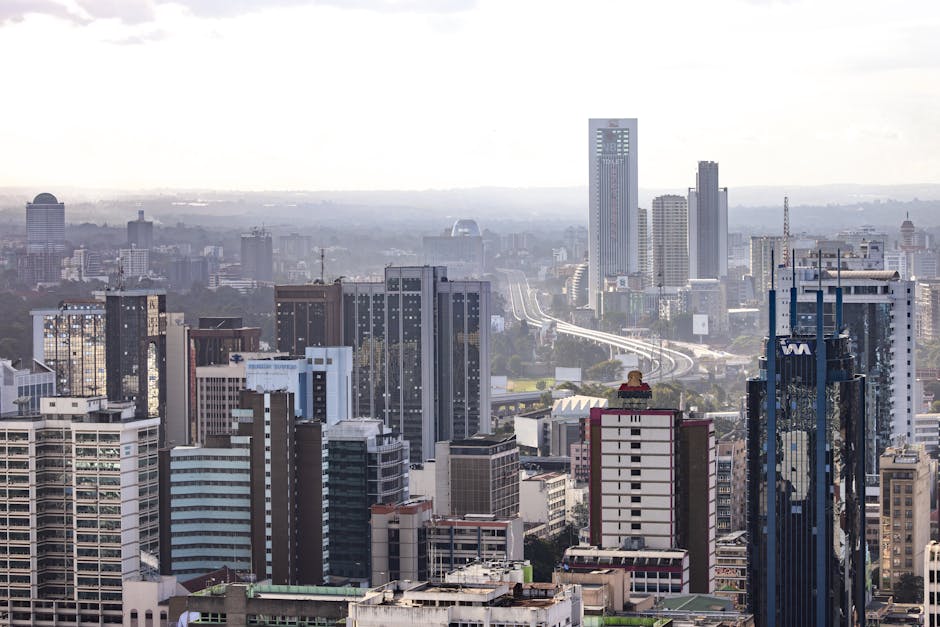
Discover Nairobi's iconic skyline on this self-guided architecture walk through the CBD’s most famous modernist and Brutalist landmarks.
 Easy
EasyNairobi, Kenya
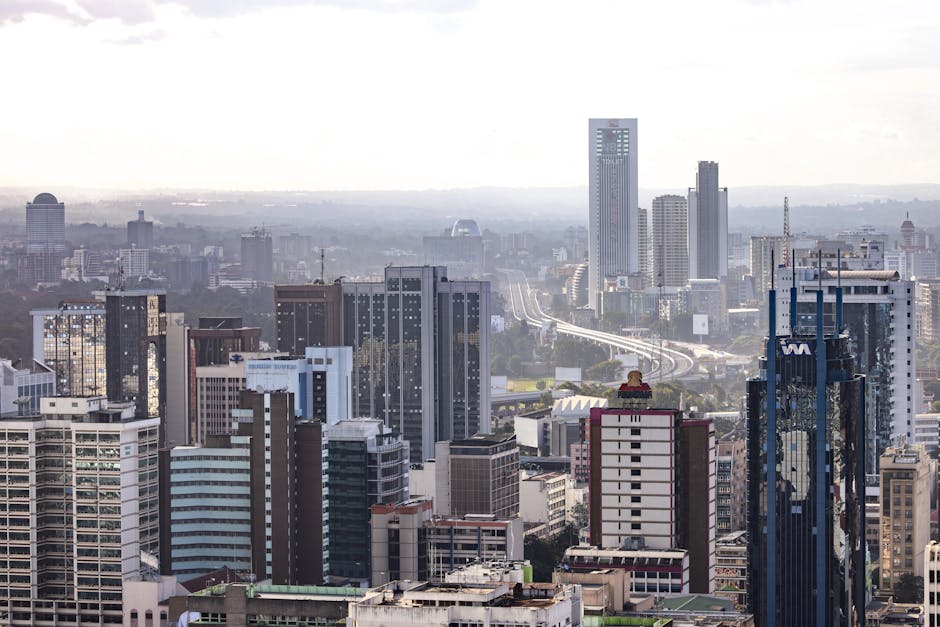
Explore Nairobi's architectural evolution from colonial-era landmarks to iconic Brutalist skyscrapers on this historic self-guided walking route.
 Easy
EasyGdansk, Poland
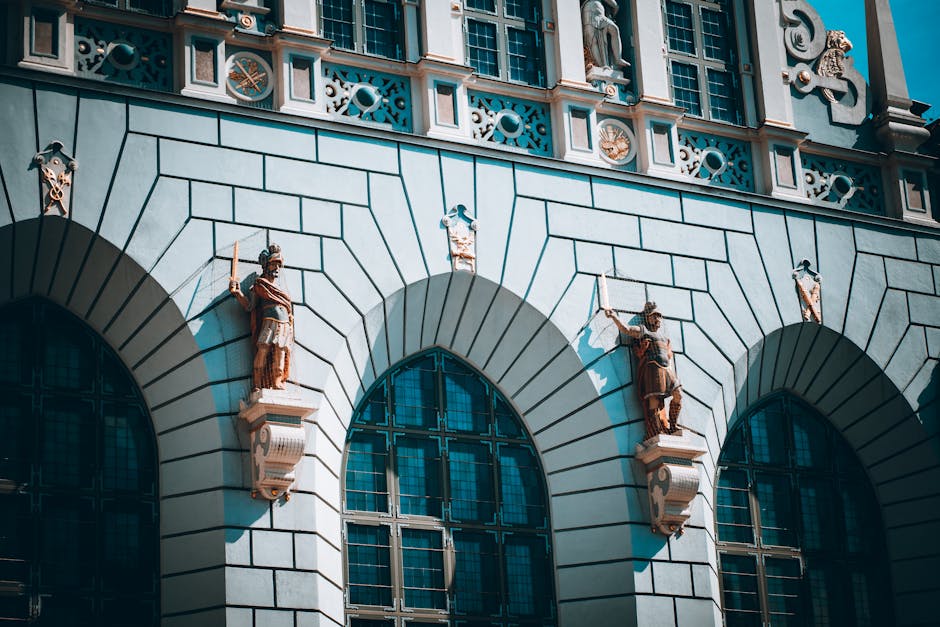
Discover the opulent Royal Way of Gdansk at your own pace. Explore Hanseatic history, gilded architecture, and the iconic Neptune's Fountain.
 Easy
EasyGothenburg, Sweden
Discover Gothenburg’s 17th-century Dutch foundations, historic canals, and military fortifications on this self-guided architectural walk.
