Step into a living museum where the rhythms of ancient trade still pulse through narrow alleyways. This self-guided walk through Hanoi's Old Quarter, known as the '36 Streets,' offers a window into a world where each street was once dedicated to a specific guild or craft. As you navigate this labyrinth, you are not just walking through a neighborhood; you are tracing the commercial history of Vietnam's capital. From the vibrant paper offerings of Phố Hàng Mã to the medicinal scents of Phố Lãn Ông, this route allows you to explore at your own pace, soaking in the sensory details that a standard walking tour Hanoi might miss. This neighborhood stroll captures the essence of the city's heritage, where centuries-old temples sit alongside bustling family-run storefronts. You will discover how these streets evolved from specialized artisan hubs into the vibrant, multifaceted commercial centers they are today. Whether you are intrigued by the delicate silverwork of Hang Bac or the architectural grace of a restored merchant’s home on Ma May, this audio walk provides the context to understand the 'how' and 'why' behind Hanoi’s enduring charm. This self-guided adventure is designed for those who want to wander away from the crowds and truly connect with the local culture and crafts that define the soul of the city. While many visitors take a guided tour Hanoi to see the main sights, this walking route invites you to slow down, look up at the weathered facades, and witness the daily rituals that have remained unchanged for generations. **Note:** This area is known for its ever-changing character. Street art, pop-up venues, and temporary exhibitions may differ from what's described. That's part of the adventure - you might discover something entirely new!
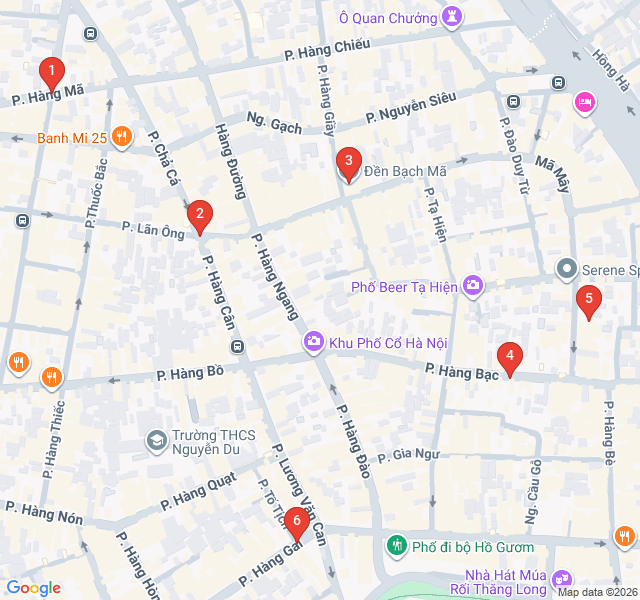
Numbers indicate the order of stops on the tour
Welcome to Phố Hàng Mã, perhaps the most visually striking street in the Old Quarter. For centuries, this has been the center for paper goods and votive offerings. In Vietnamese culture, burning paper replicas of money, cars, or houses is a way to send 'provisions' to ancestors in the afterlife. The street transforms dramatically throughout the year; during the Mid-Autumn Festival or Lunar New Year, it becomes a sea of red lanterns and traditional toys. While the specific items on display change with the seasons and modern trends, the craftsmanship remains rooted in ancient folk art. Observe the intricate details of the paper structures, which are often handmade in nearby craft villages before arriving here for sale.
As you turn onto Phố Lãn Ông, the air changes. The scent of cinnamon, dried orange peel, and ginseng replaces the city's exhaust. This is the street of Traditional Chinese Medicine, named after a famous 18th-century Vietnamese physician. Here, you’ll see shopfronts lined with wooden drawers and glass jars filled with roots, barks, and dried herbs. Many of the families operating these businesses have been here for generations, practicing a form of healing that predates modern pharmacy. The rhythm here is different; it's a place of consultation and careful measurement. Note the large mortars and pestles used to grind ingredients into custom remedies tailored to each customer’s specific ailment.
Standing before you is Bach Ma, or the White Horse Temple, considered the oldest temple in the Old Quarter. Originally built in the 9th century, it was significantly reconstructed in the 18th and 19th centuries. Legend says that King Ly Thai To was struggling to build the city walls until a white horse appeared and guided him to this spot, marking where the foundations should be laid. Inside, you’ll find a statue of the white horse and beautiful lacquered wood carvings. The architecture is a classic example of the 'matchbox' style common in this area, featuring a long, narrow layout with internal courtyards that allow light and air to penetrate the dense urban fabric.
Hang Bac translates directly to 'Silver Street.' Its history dates back to the 13th century when silver-making families from villages in Hai Duong province were brought here by the king to cast silver bullion and jewelry for the royal court. While many shops now sell modern gold and jewelry, you can still find small workshops tucked away in the back of narrow buildings where traditional tools are used. Look for the communal houses, like the Truong Dinh Communal House at number 58, which served as both a place of worship for the silver guild and a hub for trade regulations. This street remains one of the most prosperous and historically significant in the district.
To understand how life was lived in the 19th century, step inside 87 Ma May. This restored merchant’s house is a perfect example of Hanoi's traditional 'tube house' architecture. These houses were built long and narrow because property taxes were once based on the width of the street facade. As you explore the two floors, notice the open courtyards that separate the living quarters. These 'wells of light' provide essential ventilation and a connection to nature in the crowded city. The house features heavy ironwood beams, ceramic tile roofs, and traditional furniture, offering a quiet sanctuary from the chaotic streets outside. It serves as a reminder of the sophisticated urban lifestyle of the city's merchant class.
Our walk concludes on Phố Hàng Gai, known today as Silk Street. Centuries ago, this street was the center for hemp and rope makers, but it eventually transitioned into a hub for high-end silk and embroidery. Today, it is lined with elegant boutiques offering everything from raw silk fabric to custom-tailored suits and traditional Ao Dai dresses. While the street has modernized, the connection to Vietnam's silk-weaving villages remains strong. Take a moment to appreciate the vibrant colors and delicate textures on display. This street represents the evolution of Hanoi’s artisans—merging ancient skills with contemporary fashion to keep the city's creative spirit alive in the 21st century.
Download Zigway to experience "Artisans of the 36 Streets" with AI-powered audio narration. Walk at your own pace while stories unfold around you.
 Moderate
Hanoi, Vietnam
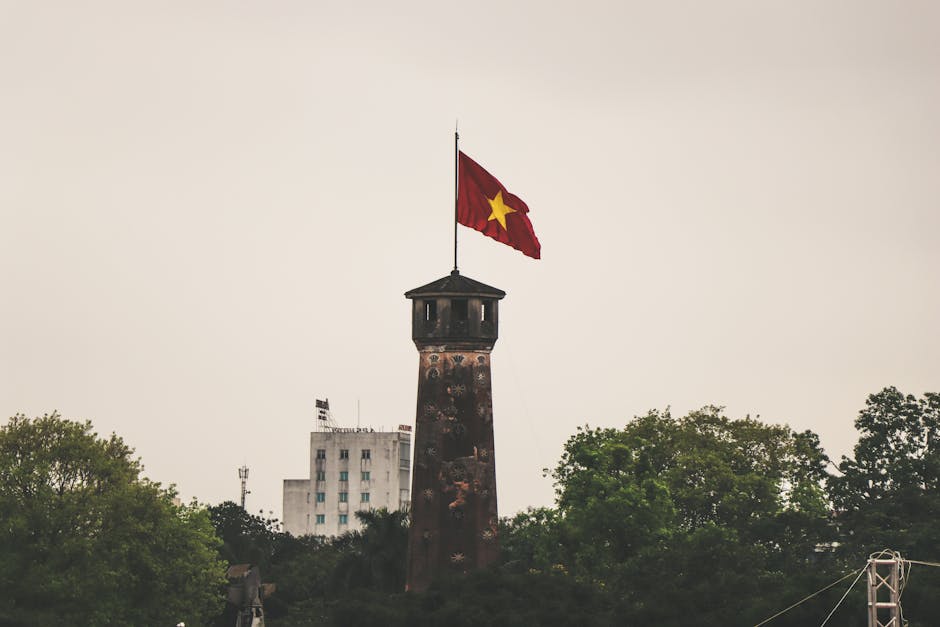
Discover Hanoi's resilient spirit on this self-guided audio walk through wartime bunkers, historic prisons, and military landmarks.
 Easy
EasyHanoi, Vietnam
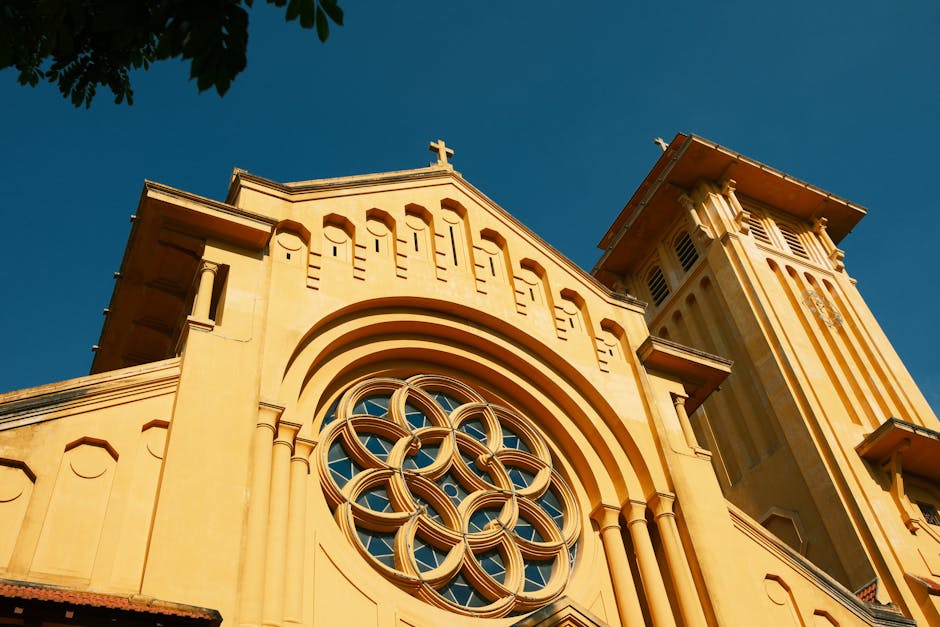
Discover Hanoi's spiritual heart and scenic vistas on an independent stroll featuring ancient pagodas, colonial architecture, and sunset lake views.
 Easy
EasyHanoi, Vietnam
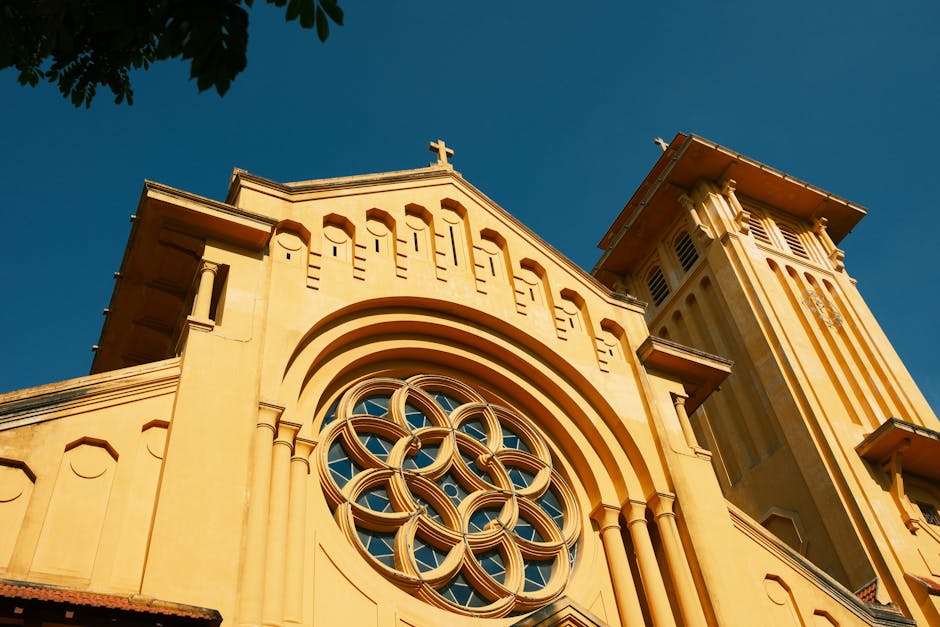
Explore Hanoi's diverse spiritual heritage on this self-guided walk through historic pagodas, a Neo-Gothic cathedral, and lakeside temples.
 Easy
EasyHanoi, Vietnam
Discover Hanoi's vibrant soul through railway-side murals, historic tracks, and the record-breaking Ceramic Road on this self-guided walk.
 Easy
EasySalzburg, Austria
Discover the 'Rome of the North' on this self-guided walk through the Baroque squares and monumental legacy of Salzburg’s Prince-Archbishops.
 Easy
EasyWarsaw, Poland
Discover the hidden courtyards and grand pre-war architecture of Warsaw's most atmospheric neighborhood on this self-guided stroll.
 Easy
EasyWarsaw, Poland
Explore the miracle of Warsaw's reconstructed Old Town on this self-guided walk through royal squares, medieval walls, and heroic monuments.
 Easy
EasyGothenburg, Sweden
Explore Gothenburg's elegant academic district, featuring grand 19th-century stone architecture and the iconic cultural hub of Götaplatsen.
 Moderate
Ho Chi Minh City, Vietnam
Explore the history of the Vietnam War at your own pace through iconic landmarks and hidden clandestine sites in Districts 1 and 3.
 Moderate
Ho Chi Minh City, Vietnam
Explore Saigon’s coffee evolution from 1930s clay-pot brews to modern specialty roasters on this self-guided walk through District 1 and 3.
 Moderate
Ho Chi Minh City, Vietnam
Explore the soul of Ho Chi Minh City's Chinatown on this self-guided walk through historic markets and ornate Cantonese assembly halls.
 Easy
EasyHo Chi Minh City, Vietnam
Discover the vibrant spirituality and stunning architecture of District 3, from serene pagodas to the iconic Pink Church.
