Thessaloniki was once known as the 'Madre de Israel' (Mother of Israel), a city where for centuries the Jewish community formed the majority of the population. This self-guided walk invites you to uncover the layers of this 'Jerusalem of the Balkans,' exploring the profound influence of Sephardic culture on the city's architecture, commerce, and identity. As you move through the city center, you will encounter the remnants of a vibrant world that was nearly extinguished during the 20th century. This walking route is more than just a historical survey; it is a tribute to the resilience and legacy of a community that shaped Thessaloniki's modern soul. Your self-guided adventure begins at the Jewish Museum of Thessaloniki, housed in one of the few stone buildings to survive the Great Fire of 1917. From there, you will traverse the streets where Jewish merchants once traded, visiting the elegant arcades that still bear the names of prominent families. You will stand in Platia Eleftherias, a square with a haunting past, and visit the Holocaust Memorial to reflect on the tragic events of World War II. The route also includes the Monasteriotes Synagogue, a stunning architectural gem and the only synagogue in the city to survive the Nazi occupation. Finally, the walk concludes at the Port of Thessaloniki, where the story of the Jewish stevedores—who were so numerous the port famously closed on the Sabbath—comes to life. This walking tour Thessaloniki offers a deeply personal way to engage with the city's past. By choosing an audio walk, you can linger at the memorials or spend extra time in the museum without the pressure of a group. Whether you are a history enthusiast or a first-time visitor, this neighborhood stroll provides the context needed to understand why Thessaloniki's Jewish heritage remains an inseparable part of its contemporary character. Discover the stories of the families, architects, and workers who built this city as you explore independently through the heart of northern Greece.
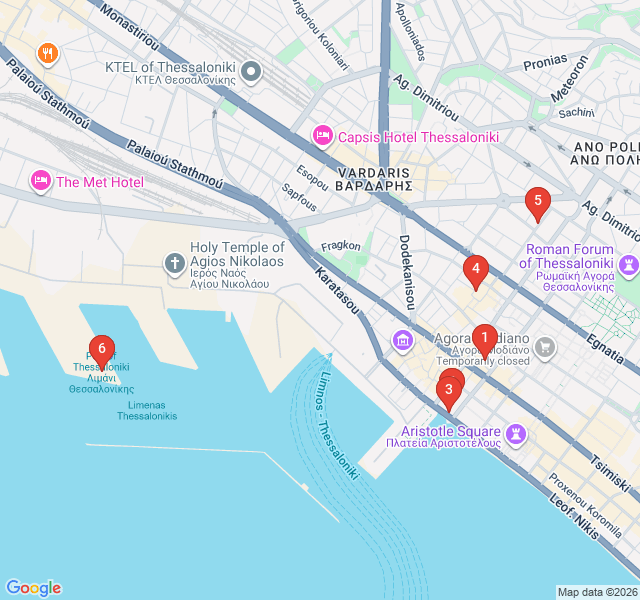
Numbers indicate the order of stops on the tour
Start your journey at the Jewish Museum, located in a magnificent building that dates back to 1904. This structure is a rare survivor of the Great Fire of 1917, which leveled much of the city center. Originally built as a bank and later used by a Jewish newspaper, it now serves as a guardian of Sephardic history. Inside, you will find a collection that spans centuries—from the arrival of Jews expelled from Spain in 1492 to the daily life of the community before the Holocaust. Pay close attention to the collection of tombstones recovered from the massive Jewish cemetery that was destroyed during the war; they are silent witnesses to a community that once numbered over 50,000 people.
Platia Eleftherias is a place of complex memory. While its name means 'Liberty Square,' it was the site of one of the darkest days in Thessaloniki's history. On July 11, 1942, known as 'Black Sabbath,' the Nazi occupying forces ordered 9,000 Jewish men between the ages of 18 and 45 to gather here. For hours, they were forced to perform humiliating calisthenics in the scorching sun while being beaten. This event marked the beginning of the systematic destruction of the city's Jewish population. Today, the square serves as a parking lot and transit hub, but plans are underway to transform it into a memorial park to honor those who suffered here.
Located at the edge of Liberty Square, overlooking the sea, stands the Holocaust Memorial. This bronze sculpture, titled 'Menorah in Flames,' was created by Glid brothers and serves as a powerful tribute to the 50,000 Thessaloniki Jews who were deported to concentration camps. Only a small fraction—roughly 4%—survived. The twisted branches of the menorah represent the human bodies consumed by the flames of the Shoah. Take a moment here to reflect on the scale of the loss; before the war, the Jewish community was the heartbeat of this city, and their absence changed the fabric of Thessaloniki forever.
As you walk toward the commercial heart of the city, you enter the realm of the great Jewish architects and merchants. Stoa Modiano, designed by Eli Modiano in 1922, was once the largest enclosed market in the city. Nearby, Stoa Saul stands as an elegant 19th-century shopping arcade built for the Saul Modiano family. These spaces were the centers of Balkan trade, where Ladino—the Judeo-Spanish language of the Sephardim—was the primary language heard in the aisles. Even today, as you wander through the renovated market stalls, you can feel the cosmopolitan energy that Jewish entrepreneurship brought to Thessaloniki's urban development.
The Monasteriotes Synagogue is a beacon of survival. Completed in 1927 by Jewish families from Bitola (then Monastir), it is the only synagogue in Thessaloniki that was not destroyed by the Nazis. During the occupation, the building was spared because it was used as a warehouse for the International Red Cross. Its stunning facade combines Byzantine and Art Deco elements, reflecting the modern tastes of the community in the early 20th century. It remains the center of religious life for the small but active Jewish community today. While entry is often restricted for security, the exterior itself tells a story of endurance against all odds.
Your walk concludes at the historic port. In the late 19th and early 20th centuries, the Port of Thessaloniki was unique in the world because it essentially shut down on Saturdays to observe the Jewish Sabbath. The stevedores, porters, and boatmen were almost exclusively Jewish, and their labor unions were among the most powerful in the Balkans. Standing here, looking out at the Thermaic Gulf, imagine the arrival of the Sephardic refugees in the 15th century and the departure of the trains in 1943. The port was the gateway through which the community built its wealth and the exit point for its tragic exile.
Download Zigway to experience "The Jerusalem of the Balkans: Jewish Heritage Trail" with AI-powered audio narration. Walk at your own pace while stories unfold around you.
 Moderate
Thessaloniki, Greece
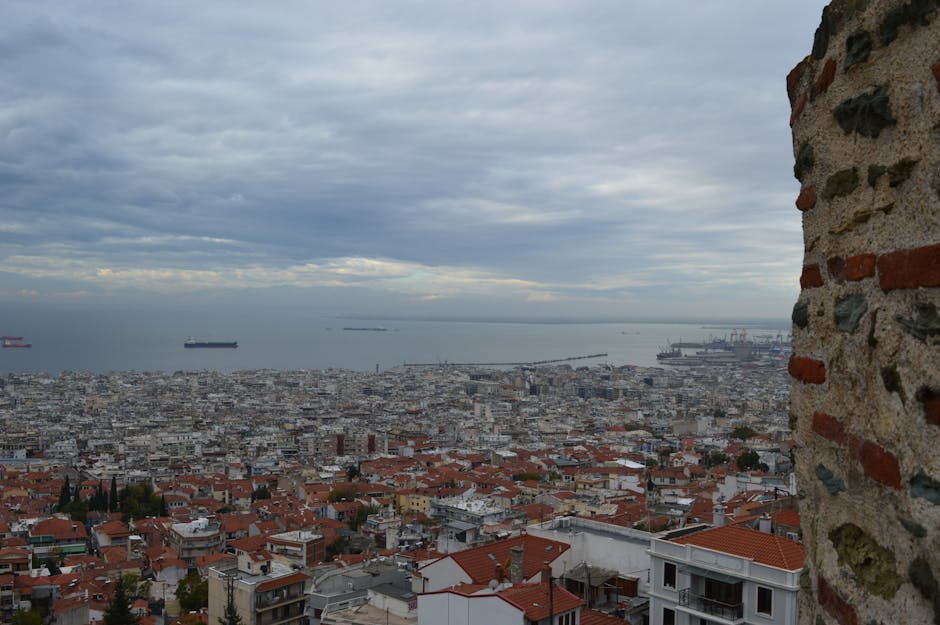
Discover Thessaloniki’s creative soul on this self-guided walk through hidden alleys, vibrant murals, and iconic modern art installations.
 Easy
EasyThessaloniki, Greece
Uncover the hidden Ottoman soul of Thessaloniki. Explore ancient bathhouses, vibrant markets, and historic mosques on this self-guided audio walk.
 Easy
EasyThessaloniki, Greece
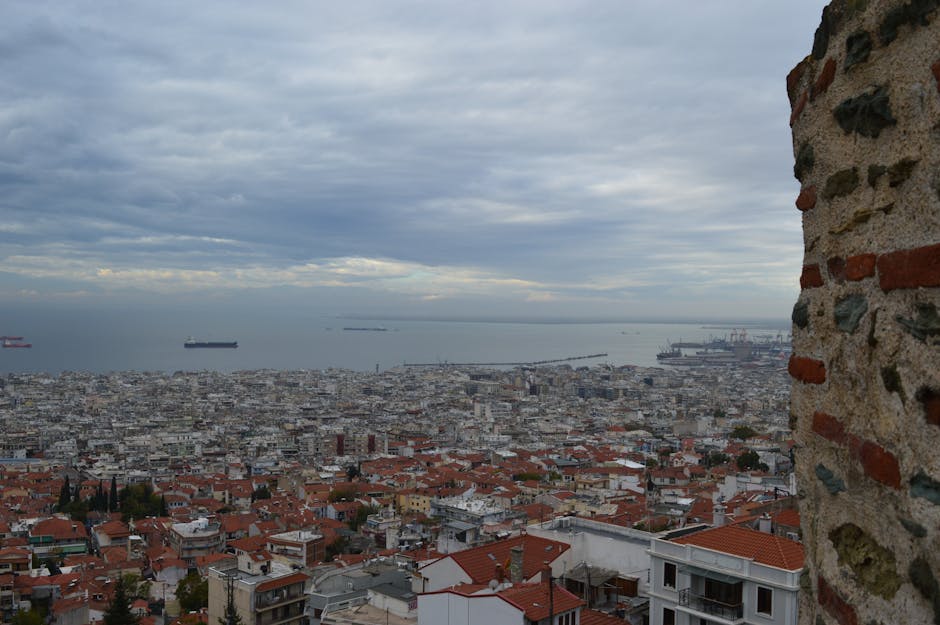
Discover how the 1917 Great Fire transformed Thessaloniki into a modern European masterpiece on this self-guided architectural walking route.
 Easy
EasyThessaloniki, Greece
Explore the heart of Thessaloniki on this self-guided walk, discovering Roman ruins and Byzantine masterpieces at your own pace.
 Easy
EasySalzburg, Austria
Discover the 'Rome of the North' on this self-guided walk through the Baroque squares and monumental legacy of Salzburg’s Prince-Archbishops.
 Moderate
Gdansk, Poland
Discover the origins of WWII in Gdansk on this self-guided walk through heroic last stands, massive museums, and strategic hilltop fortifications.
 Moderate
Warsaw, Poland
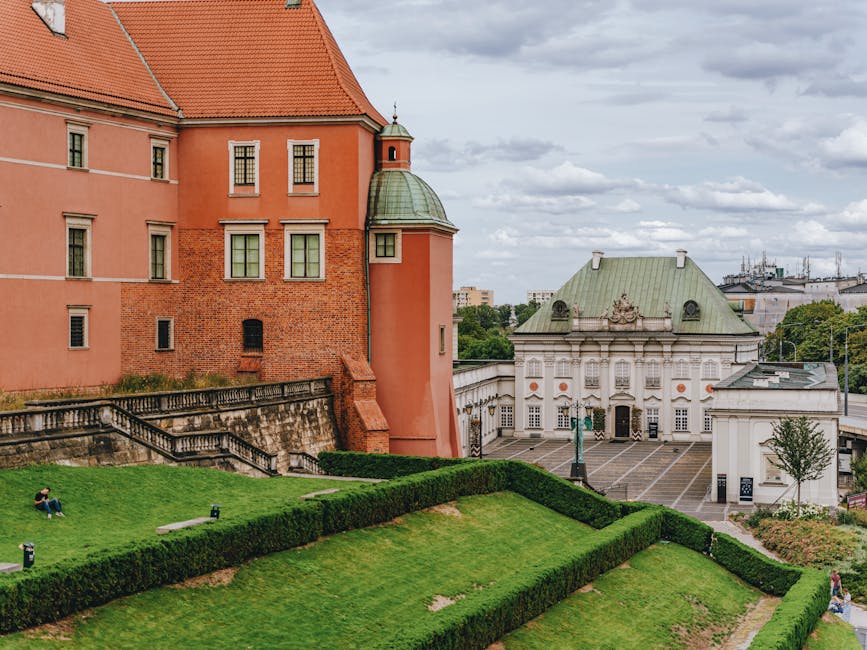
Explore the resilient spirit of Warsaw's Muranów district on this self-guided walk through the history and landmarks of the former Jewish Ghetto.
 Moderate
Warsaw, Poland
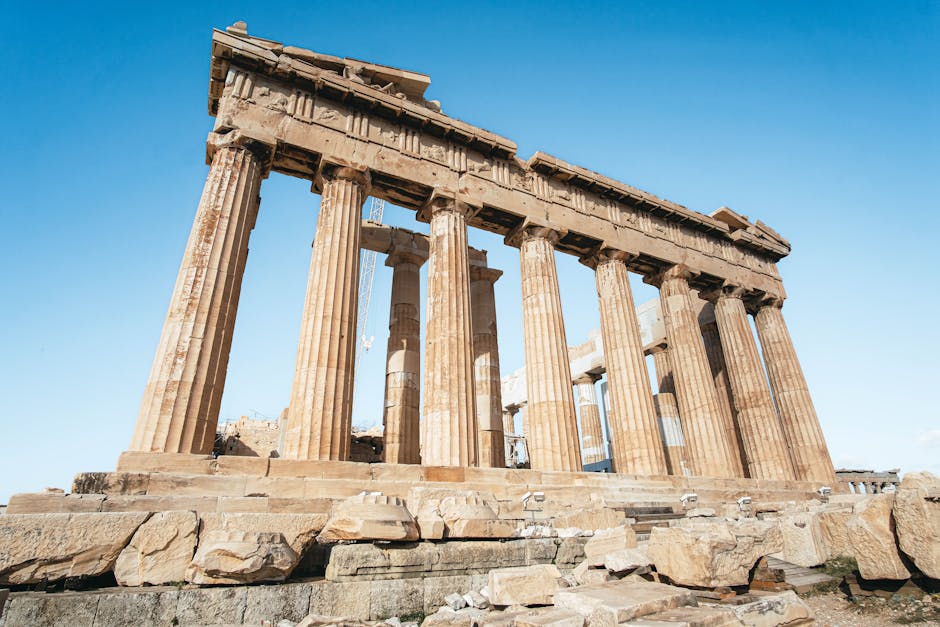
A powerful self-guided walk through Warsaw's WWII history, tracking the 1944 Uprising from ruined skyscrapers to solemn memorials.
 Easy
EasyAthens, Greece
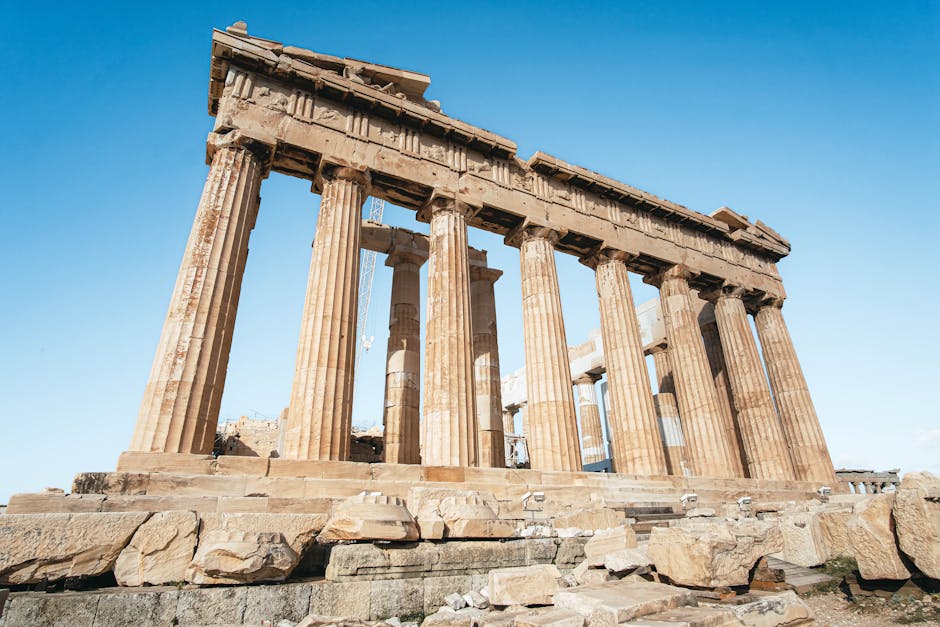
Explore the intersection of ancient history and industrial art on this self-guided walk through Kerameikos and the vibrant Gazi district.
 Moderate
Athens, Greece
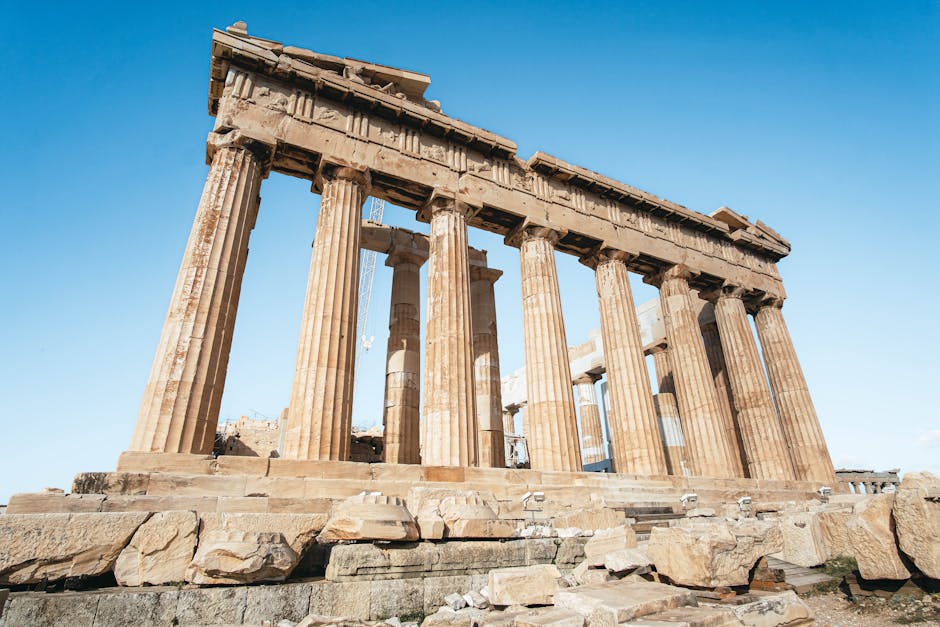
Ascend the Hill of the Muses for breathtaking Acropolis views and ancient democratic sites on this scenic self-guided walking route in Athens.
 Moderate
Athens, Greece
Discover a hidden Cycladic village and ancient monuments on this self-guided walking route through the enchanting alleys of Plaka and Anafiotika.
 Challenging
Athens, Greece
Conquer the highest peak in Athens on this self-guided walking route through chic Kolonaki to the stunning 360-degree summit of Mount Lycabettus.
