Bergen is a city where the mountains meet the sea, but it is also a city where every street corner seems to hum with the legacy of its most famous son, Edvard Grieg. This self-guided walk invites you to explore the heart of Bergen through the lens of the Romantic era, tracing the life and influence of the man who put Norwegian music on the global map. As you wander through the Sentrum neighborhood, you will discover how the dramatic landscapes of the fjords were translated into haunting melodies and stirring harmonies. This neighborhood stroll is more than just a history lesson; it is an immersion into the cultural soul of Norway. Starting at the vibrant Blue Stone and winding through the lush gardens of Byparken, the walking route connects the physical spaces where Grieg worked, socialized, and drew inspiration. You will encounter the mentors who shaped his early career, the grand concert halls that bear his name, and the quiet library archives that preserve his original manuscripts. This walking route Bergen offers a unique perspective on the city, moving beyond the typical tourist paths to reveal the artistic spirit that defines the local identity. Whether you are a classical music aficionado or simply a curious traveler, this audio walk provides the context needed to appreciate Bergen’s architectural and musical heritage. Along the way, you will see how Grieg’s collaboration with other giants like Henrik Ibsen transformed the Norwegian stage and how his personal legacy continues to influence the city's vibrant arts scene today. Experience the harmony of history and art at your own pace, stopping to admire the reflection of the mountains in Lille Lungegårdsvannet or exploring the world-class galleries of Kode. This self-guided adventure is the perfect way to spend an afternoon, offering a deep dive into the 'Musical Echoes' that still resonate through the streets of Bergen. By the time you reach the final stop at The National Stage, you will have gained a profound understanding of why Grieg remains the heartbeat of this coastal city.
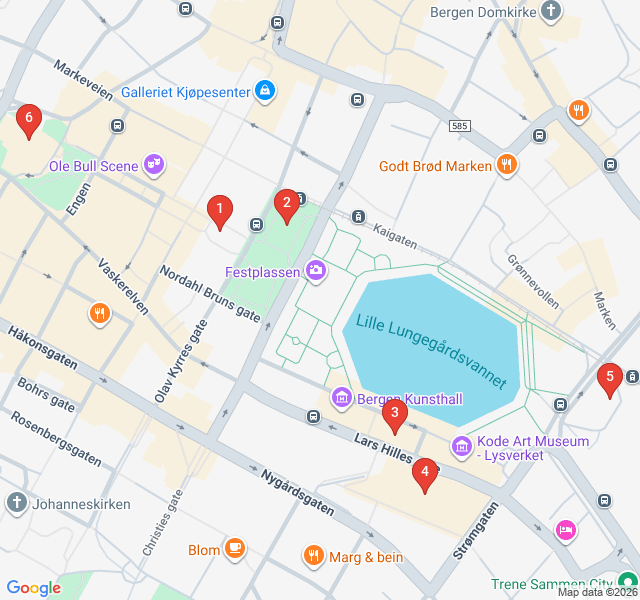
Numbers indicate the order of stops on the tour
Begin your exploration at the Ole Bull Fountain, located in the heart of the city near the Blue Stone. This monument is dedicated to the legendary violinist Ole Bull, the man often called the 'Norwegian Paganini.' Bull was more than just a virtuoso; he was the primary catalyst for Edvard Grieg’s career. In 1858, after hearing the young Grieg play the piano, Bull famously told his parents, 'He is to go to Leipzig and become a musician.' This fountain, featuring a bronze figure of Bull playing his violin above a water-spirit or 'Nøkken,' symbolizes the deep connection between Norwegian folklore and the music of the Romantic era. It is a fitting starting point for a journey into Bergen's musical soul.
Walk a short distance into the lush Byparken to find the statue of Edvard Grieg himself. Created by sculptor Ingebrigt Vik and unveiled in 1917, this life-sized bronze statue captures the composer in a characteristic pose. Interestingly, the statue stands exactly 152 centimeters tall—Grieg’s actual height. Despite his small physical stature, Grieg was a giant of the musical world. Positioned to look out over the lake and toward the mountains he loved, the statue serves as a reminder of how Grieg used the sounds of the Norwegian landscape to create a unique national identity in music. Take a moment here to enjoy the surrounding gardens, which Grieg often frequented during his time in the city.
As you walk along the edge of the Lille Lungegårdsvannet lake, you reach the Rasmus Meyer collection, part of the Kode art museums. While Kode is famous for its collection of Edvard Munch paintings, this specific building is crucial for understanding Grieg’s era. Rasmus Meyer was a wealthy businessman and contemporary of Grieg who curated a collection that defined the Norwegian 'Golden Age.' The interiors here reflect the aesthetic world Grieg inhabited, with furniture and art that mirror the Romanticism found in his compositions. It was in salons and homes like these that Grieg’s 'Lyric Pieces' were first performed, bridging the gap between private domestic life and public artistic expression.
A short walk away stands the imposing Grieghallen, Bergen’s flagship concert hall. Completed in 1978, its striking modernist design by architect Knud Munk is meant to resemble a grand piano. This venue is the home of the Bergen Philharmonic Orchestra, one of the oldest orchestras in the world, which Grieg himself conducted for several years. Grieghallen represents the living legacy of Grieg’s work, hosting the annual Bergen International Festival. Even the recording studios here have a musical pedigree—the hall is world-renowned for its unique acoustics, having been used for everything from classical symphonies to pioneering Norwegian black metal albums.
Next, visit the Bergen Public Library, a beautiful Neo-Romanesque building. While it may seem like a standard library, it holds a hidden treasure: The Grieg Archives. Upon his death, Grieg bequeathed his entire personal collection to the library, including original music manuscripts, diaries, and over 5,000 letters. These archives are now part of UNESCO’s Memory of the World Register. The library continues Grieg’s mission of making music accessible to everyone. Even if you don't head inside to the specialized music department, the building’s architecture stands as a monument to the city's commitment to preserving the intellectual and artistic history that Grieg helped build.
Conclude your walk at Den Nationale Scene, or The National Stage. This historic theater is where the worlds of music and drama collided in the most spectacular way. In 1874, the playwright Henrik Ibsen asked Grieg to compose incidental music for his play 'Peer Gynt.' Though Grieg initially found the task difficult, the resulting suite—including 'In the Hall of the Mountain King' and 'Morning Mood'—became his most famous work. The theater itself, an Art Nouveau masterpiece, was founded with the help of Ole Bull and served as a platform for Grieg to showcase his music within a theatrical context. Standing here, you are at the site where Norwegian culture found its modern voice.
Download Zigway to experience "Musical Echoes: In the Footsteps of Edvard Grieg" with AI-powered audio narration. Walk at your own pace while stories unfold around you.
 Easy
EasyBergen, Norway
Explore Bergen's vibrant craft beer scene and historic pubs on this self-guided audio walk through the atmospheric Sentrum district.
 Easy
EasyBergen, Norway
Discover Bergen's rich literary heritage on this self-guided walk through the city's historic theaters, libraries, and monuments of great writers.
 Easy
EasyBergen, Norway
Explore Bergen's charming Nordnes peninsula at your own pace, featuring narrow wooden alleys, historic fortresses, and stunning fjord views.
 Moderate
Bergen, Norway
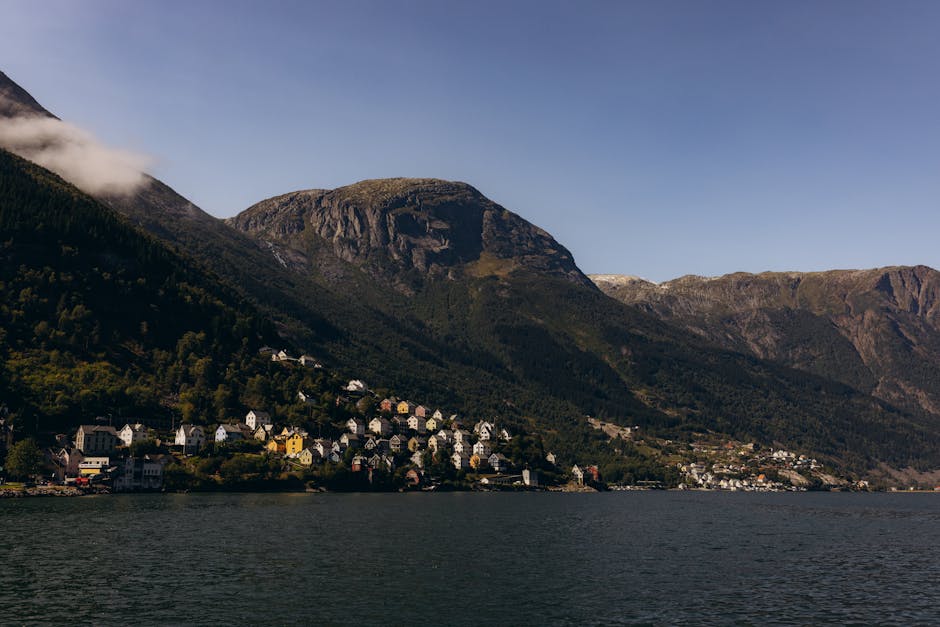
Explore Bergen’s steepest alleys and hidden wooden neighborhoods on this self-guided photography walk through the historic Fjellsiden district.
 Easy
EasyWarsaw, Poland
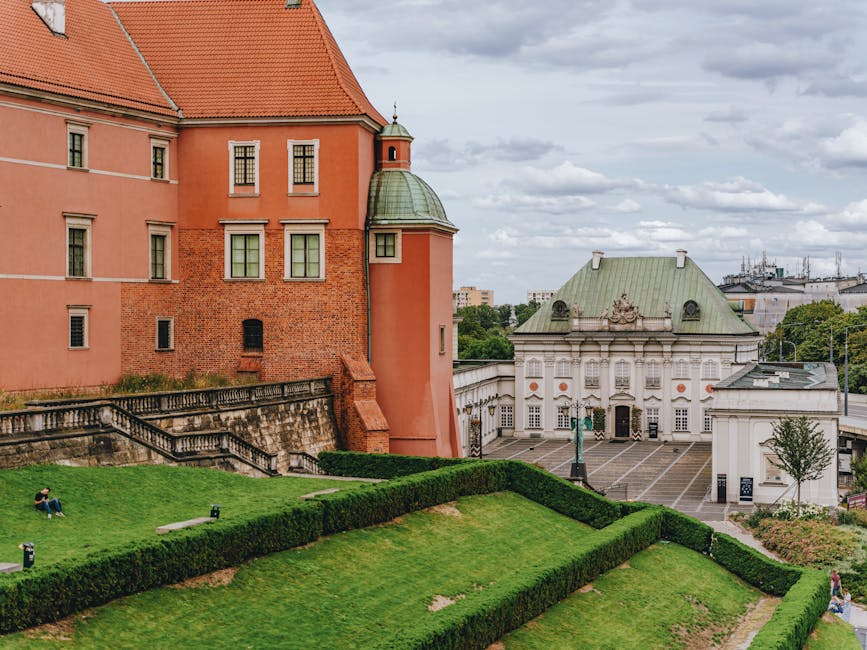
Follow the life of Fryderyk Chopin through Warsaw’s historic center. See where he lived, studied, and where his heart remains today.
 Easy
EasyGothenburg, Sweden
Discover Gothenburg’s 17th-century Dutch foundations, historic canals, and military fortifications on this self-guided architectural walk.
 Easy
EasyNairobi, Kenya
Explore Nairobi's architectural evolution from colonial-era landmarks to iconic Brutalist skyscrapers on this historic self-guided walking route.
 Easy
EasyNairobi, Kenya
Discover Nairobi's iconic skyline on this self-guided architecture walk through the CBD’s most famous modernist and Brutalist landmarks.
 Easy
EasyOslo, Norway
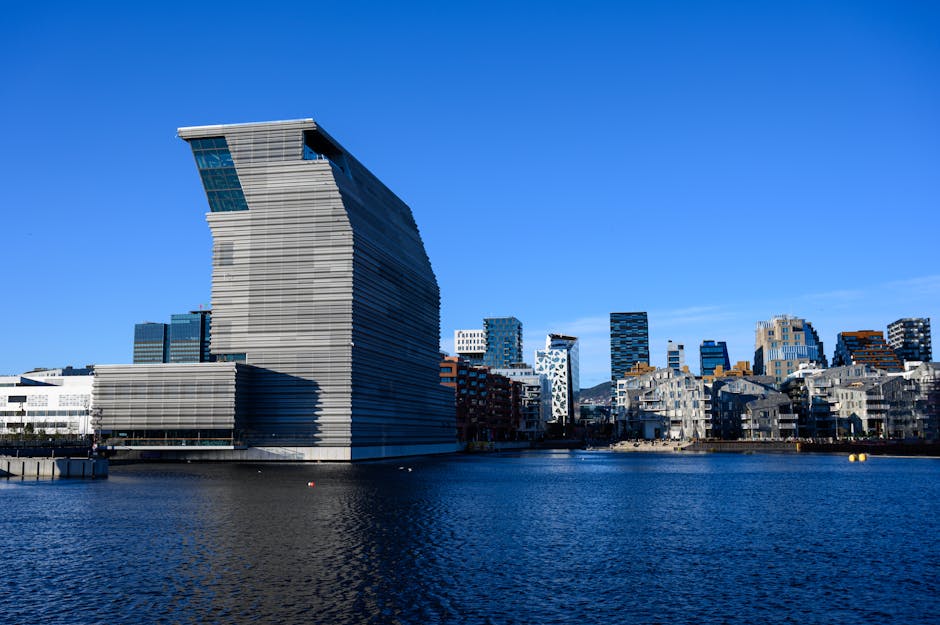
Discover Oslo's stunning modern waterfront on this self-guided walk through the innovative Bjørvika district and its iconic architecture.
 Easy
EasyOslo, Norway
Explore Oslo's 'Thief Island' on this self-guided walk through cutting-edge architecture, world-class galleries, and stunning fjord-side sculptures.
 Easy
EasyOslo, Norway
Discover Oslo's most charming 18th-century wooden houses and medieval history on this peaceful self-guided stroll through hidden hillside lanes.
 Moderate
Oslo, Norway
Discover Oslo's 1,000-year history on this self-guided walk from the medieval Akershus Fortress to the ancient ruins of the Old Town.
