While most visitors flock to the timber-framed houses of Petite France, this neighborhood stroll through the Gare district reveals a different side of the Alsatian capital. This self-guided walk explores the intersection of Strasbourg's industrial past and its avant-garde present. You will witness how 17th-century fortifications, 19th-century transit hubs, and former dairy factories have been reimagined as canvases for contemporary art and modern glass architecture. The route begins at the striking glass-and-stone Museum of Modern and Contemporary Art, a landmark that signaled Strasbourg's commitment to the future when it opened in 1998. From there, you will traverse the boundary between the historic city and the industrial zones that fueled its growth. Highlights of this walking route include the 'glass bubble' of the Central Station, where a massive 21st-century canopy protects a historic 1883 facade, and the Barrage Vauban, which serves as both a defensive monument and a gallery for plaster casts from the cathedral. As you move deeper into the Gare neighborhood, the scenery shifts from polished museum glass to the gritty, creative atmosphere of Rue du Hohwald and La Laiterie. This area, once dominated by logistics and food production, is now the beating heart of Strasbourg’s alternative culture and music scene. This self-guided adventure is perfect for those who want to escape the tourist crowds and understand the city's evolution into a modern European hub. Whether you are interested in the clean lines of contemporary design or the raw energy of urban street art, this journey offers a comprehensive look at the city's living history. This walking tour Strasbourg experience is best enjoyed in the afternoon when the light hits the glass structures, and the local cultural venues begin to wake up. Discover the city's industrial soul at your own pace, away from the typical postcard views. **Note:** This area is known for its ever-changing character. Street art, pop-up venues, and temporary exhibitions may differ from what's described. That's part of the adventure - you might discover something entirely new!
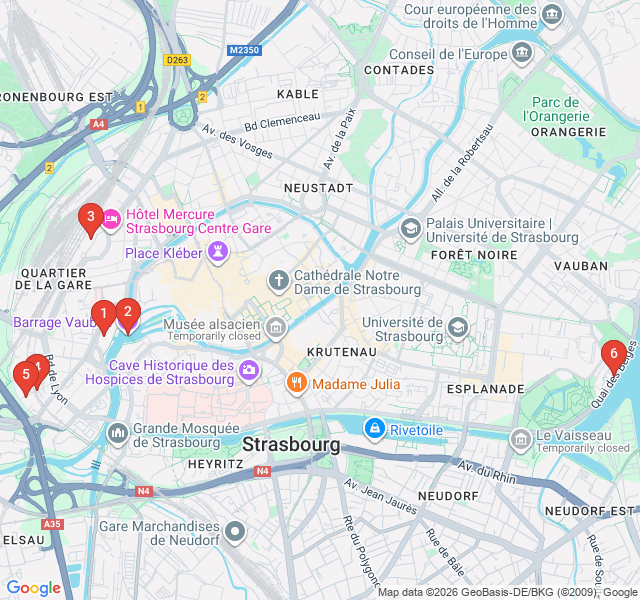
Numbers indicate the order of stops on the tour
Start your self-guided walk at the MAMCS, a building that looks like a giant glass-and-granite ship docked on the banks of the Ill River. Completed in 1998 by architect Adrien Fainsilber, this museum was designed around a massive central nave that acts as an internal street. It houses works by masters like Gustave Doré and Hans Arp, but the building itself is the primary contemporary statement. Take a moment to look at the glass facades which reflect the changing Alsatian sky. The museum was built on the site of the former municipal slaughterhouses, marking a major shift from industry to high culture. If the museum is open, the terrace offers one of the best views of the historic 'Petite France' district meeting the modern city.
Just a short walk from the museum stands the Barrage Vauban, a 17th-century defensive work designed by the engineer Vauban. While it looks ancient compared to the MAMCS, it serves a contemporary purpose. Inside the vaulted 'Great Lock,' you will find a collection of plaster casts of statues from the Strasbourg Cathedral, protected from the elements. This structure once had the power to flood the south of the city to deter invaders. Today, you can climb to the panoramic roof terrace. From here, the contrast of the route is clear: to one side, the medieval towers of the Ponts Couverts, and to the other, the modern glass structures you just left. It is a perfect spot for photography.
As you approach the main train station, you will see one of the most famous architectural interventions in France. In 2007, to welcome the high-speed TGV, architect Jean-Marie Duthilleul enclosed the original 1883 Renaissance-style station inside a massive curved glass cocoon. This 120-meter-long glass canopy creates a greenhouse-like space that protects the old stone facade while providing a modern, light-filled hall for travelers. It is a literal 'time capsule' where the 19th and 21st centuries exist simultaneously. Step inside to see how the natural light interacts with the historic stonework. This station is not just a transit point; it is a monument to Strasbourg’s position as a crossroads of Europe.
Leaving the polished station area behind, head toward Rue du Hohwald. This street represents the raw, industrial heritage of the Gare neighborhood. Historically, this area was a hub for transport, storage, and small-scale manufacturing. Today, it has become a focal point for the city's urban art scene. Keep an eye out for murals and graffiti that often decorate the brick walls and industrial gates here. Please note that street art is inherently temporary; what you see today might be different tomorrow, as local artists use these walls as a revolving gallery. The atmosphere here is a stark contrast to the city center, offering a glimpse into the everyday, creative grit of Strasbourg's local residents.
You are standing in front of La Laiterie, a name that reveals its past: this was once a municipal dairy. In the 1990s, the city transformed this industrial complex into a major cultural center. It is now home to one of the most famous concert venues in eastern France, alongside recording studios and artist residencies. This site is a prime example of 'industrial reconversion,' where the functional architecture of the past is recycled for the arts. The surrounding buildings often feature large-scale murals commissioned by the city or local festivals. It is the heart of the 'Quartier de la Laiterie,' a neighborhood that has transitioned from milk production to the production of contemporary music and digital arts.
This walking route concludes at Quai des Belges, located in the Neudorf-Port du Rhin area. This waterfront stretch illustrates the city's latest urban development phase: the 'Deux Rives' project. Here, Strasbourg is turning its back on the center and looking toward the Rhine and its German neighbor, Kehl. The quayside has been transformed from a purely industrial dock into a public promenade. You will see old cranes and silos standing alongside modern apartment blocks and green spaces. This area highlights the city's maritime identity and its ongoing effort to blend harbor industry with modern living. It is a quiet place to reflect on how Strasbourg continues to reinvent its landscape through art, architecture, and urban planning.
Download Zigway to experience "Contemporary Strasbourg: Art and Industry" with AI-powered audio narration. Walk at your own pace while stories unfold around you.
 Easy
EasyStrasbourg, France
Discover the vibrant soul of Strasbourg’s student district. Explore historic factories, lively squares, and canal-side hangouts at your own pace.
 Easy
EasyStrasbourg, France
Explore Strasbourg’s Gothic heart and astronomical marvels on this self-guided walk through the historic Grande Île.
 Easy
EasyStrasbourg, France
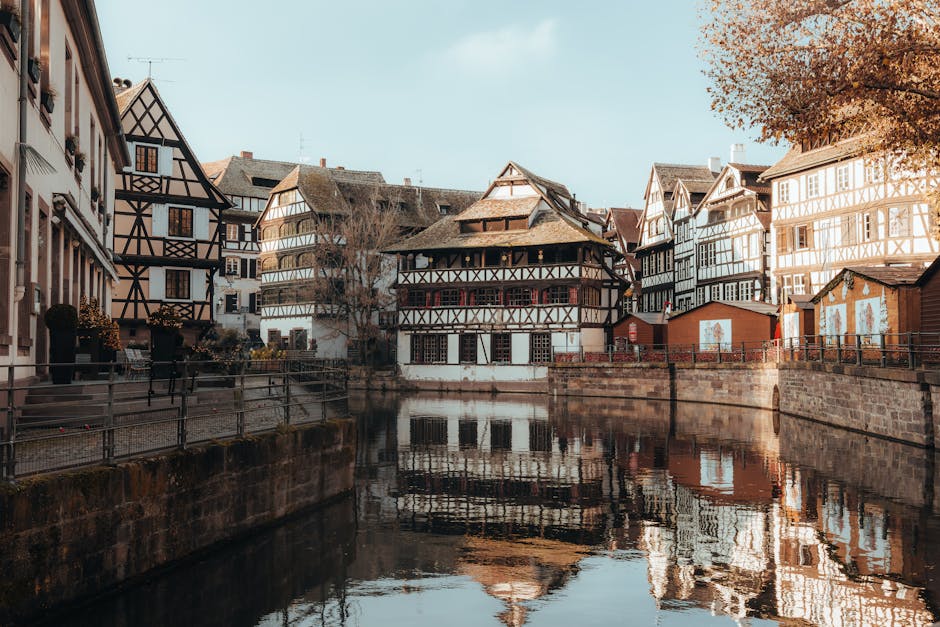
Discover Strasbourg’s soul on this self-guided stroll along historic quays, scenic bridges, and the fairytale canals of Petite France.
 Moderate
Strasbourg, France
Explore the military genius of Vauban on this self-guided walk through Strasbourg’s historic bridges, dams, and riverside defenses.
 Easy
EasyKrakow, Poland
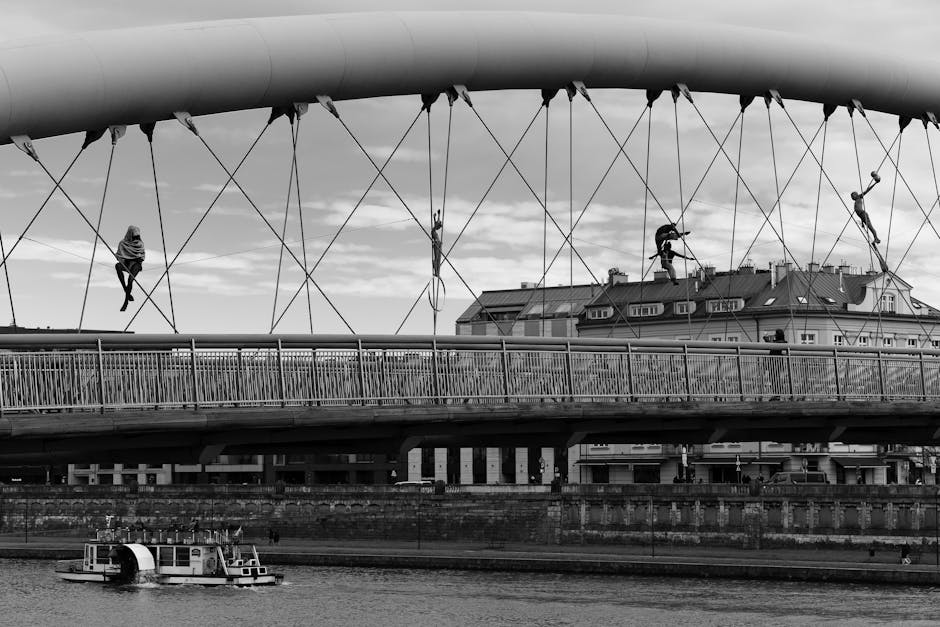
Discover Krakow’s creative soul in Zabłocie, exploring industrial heritage, contemporary art museums, and avant-garde architecture at your own pace.
 Moderate
Gdansk, Poland
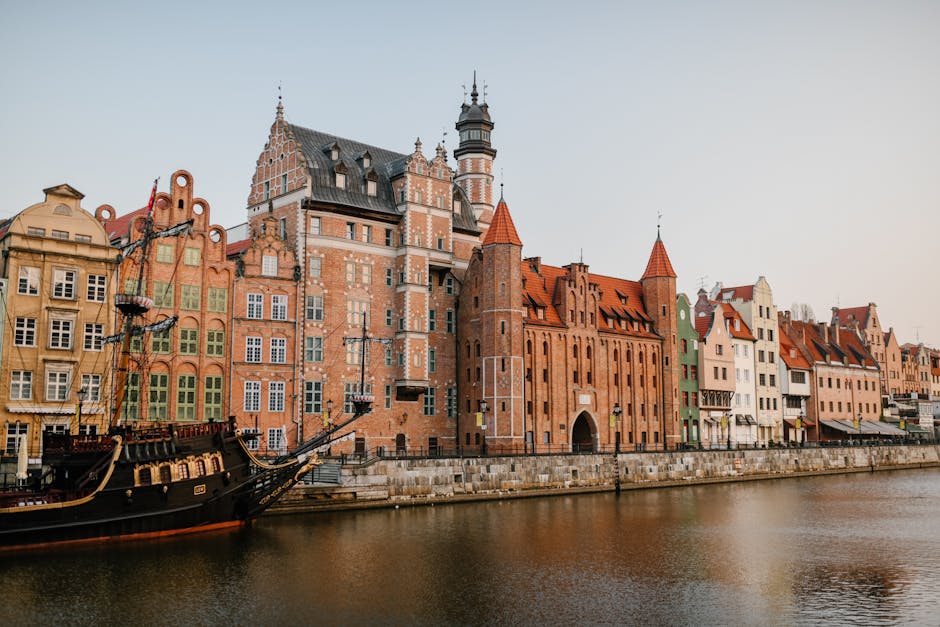
Discover the bohemian soul of Gdańsk. Explore the literary landmarks of Günter Grass, Prussian villas, and the trendy cafes of historic Wrzeszcz.
 Moderate
Nairobi, Kenya
Discover the creative soul of Nairobi on this self-guided walk through the city's premier art galleries, markets, and artisan workshops.
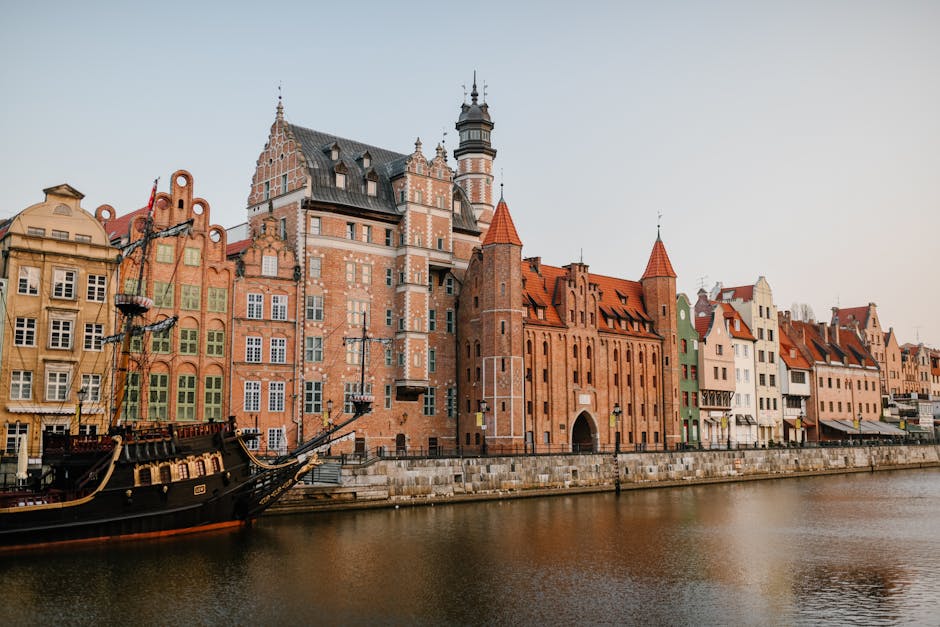 Moderate
Gdansk, Poland
Discover the raw beauty of Gdansk’s Lower Town. Explore industrial ruins, hidden sluices, and riverside bastions on this self-guided walk.
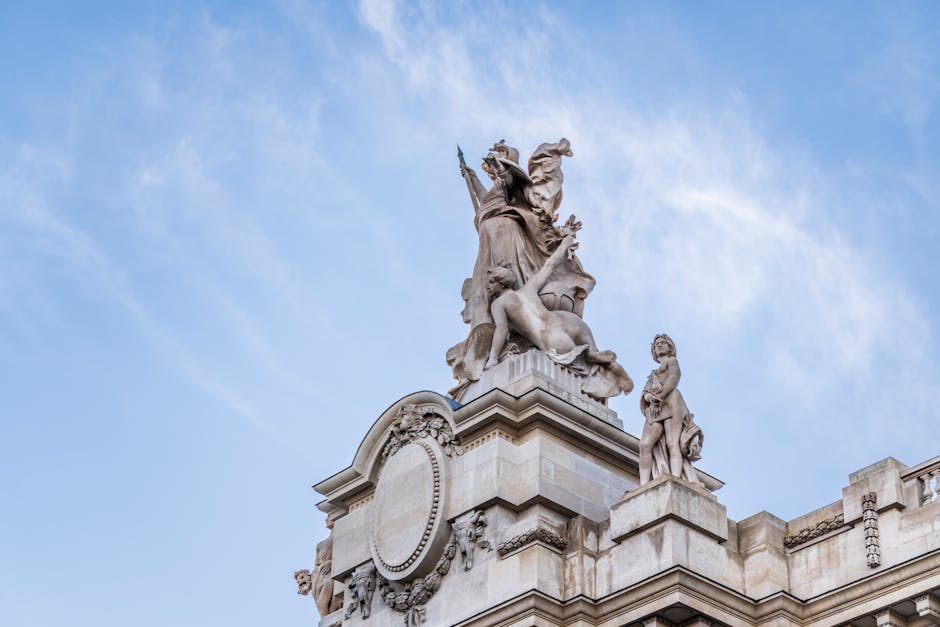 Challenging
Paris, France
Explore the secret vineyards, legendary artist studios, and hidden squares of Paris's iconic hilltop on this self-guided bohemian walking route.
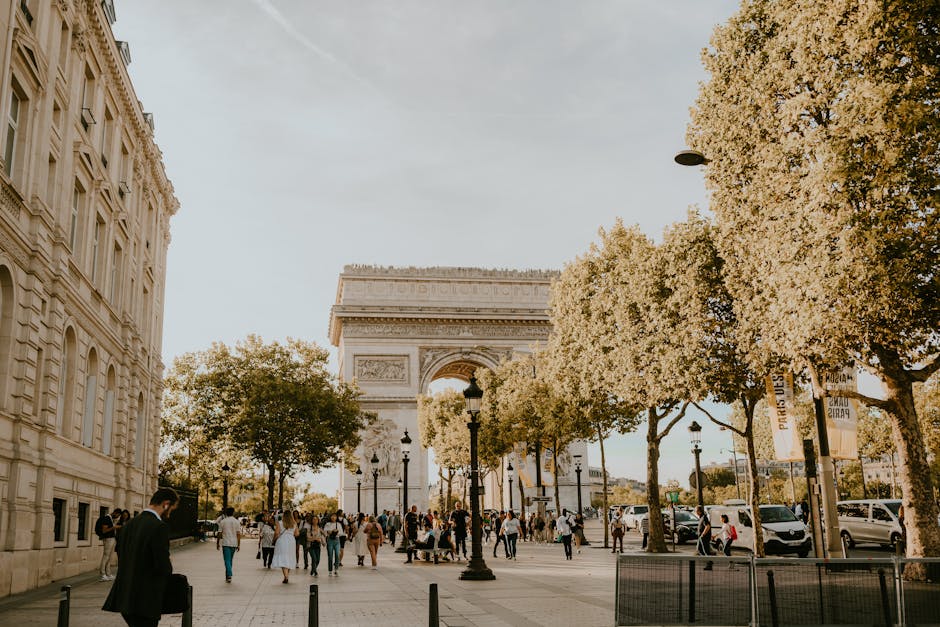 Easy
EasyParis, France
Explore the evolution of Parisian design from Art Nouveau whimsy to Le Corbusier's Modernist masterpieces on this self-guided architectural walk.
 Easy
EasyParis, France
Explore the flavors and history of Bastille on this self-guided walk through the legendary Aligre Market and the scenic Coulée Verte.
 Easy
EasyParis, France
Discover aristocratic mansions, secret medieval courtyards, and royal history on this self-guided walk through the enchanting Marais district.
