Step back into the golden age of Seville's architectural revival with this self-guided walk through the grounds of the 1929 Ibero-American Exposition. This neighborhood stroll takes you through the Sur district, a part of the city transformed into a dreamscape of grand pavilions, lush gardens, and intricate tilework for the world's fair. Unlike the narrow, medieval streets of the city center, this walking route offers wide avenues and sprawling parkland, making it one of the most serene ways to explore the city's history independently. Your journey begins at the southern end of the Maria Luisa Park, where you will encounter the regionalist masterpiece that is the Museum of Popular Arts and Customs. As you navigate the Plaza América, you will see how architect Aníbal González blended Mudéjar and Gothic styles to create a uniquely Sevillian aesthetic. The route winds through the hidden corners of the Maria Luisa Park, leading you to the man-made heights of Monte Gurugú and through shaded groves that once belonged to the private gardens of the Palace of San Telmo. The undisputed crown jewel of this experience is the Plaza de España, a colossal semicircular complex that remains one of the most photographed locations in Spain. Here, you can admire the 48 tiled alcoves representing the provinces of Spain and the four bridges crossing the central canal. This walking tour Seville provides is a perfect escape from the bustle of the old town, allowing you to appreciate the 'Regionalist' style that came to define modern Seville. Whether you are interested in the cinematic history of the plaza or the botanical diversity of the park, this self-guided adventure allows you to set the pace. It is an essential walking route for anyone wanting to understand how Seville presented itself to the world a century ago, blending imperial nostalgia with forward-looking urban design.
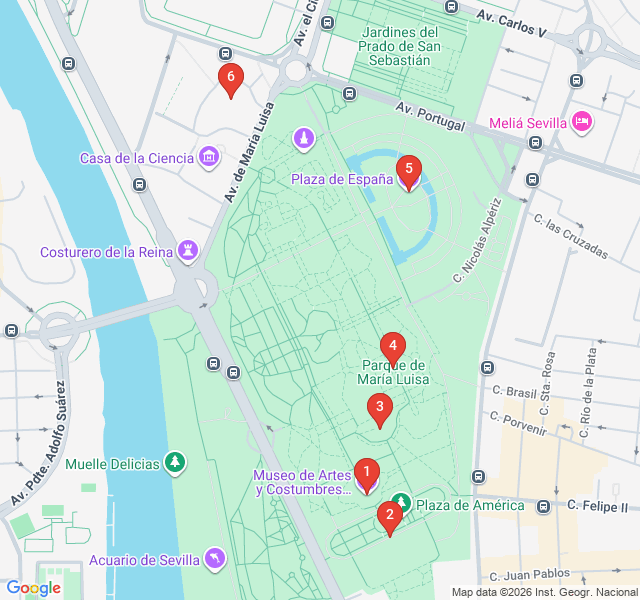
Numbers indicate the order of stops on the tour
Welcome to the starting point of your self-guided walk. This striking building, known as the 'Pabellón de Arte Antiguo' during the 1929 Exposition, is a masterclass in the Neo-Mudéjar style. Designed by Aníbal González, the architect who defined the look of modern Seville, it features the characteristic brickwork and ceramic decoration that mirrors the city's Moorish past. Today, it houses a collection dedicated to the traditional life of Andalusia, but the exterior itself is the real exhibit. Look up at the intricate arches and the play of light on the terracotta tiles. This building served as a bold statement of regional identity at the start of the 20th century, setting the stage for the rest of the fairgrounds you are about to explore.
Known locally as the 'Plaza de las Palomas' or Pigeon Square, this space was designed to be the elegant centerpiece of the southern fairgrounds. You are surrounded by three distinct architectural styles: the Neo-Mudéjar museum you just left, the Neo-Gothic Royal Pavilion to the north, and the Neo-Renaissance Archaeological Museum to the south. This 'trio of styles' was intentional, representing the different historical eras of Spain. Take a moment to sit by the central pond. The landscaping here, with its rose gardens and manicured hedges, was inspired by the traditional gardens of the Alcázar. It remains one of the most tranquil spots in the Sur district, perfect for observing local life under the shade of the palms.
As you wander deeper into Maria Luisa Park, you'll encounter a surprising bit of elevation: Monte Gurugú. This is a man-made hill, complete with a cascading waterfall and a winding path to the summit. It was named after a mountain in the Rif range in Morocco, a nod to the Spanish military campaigns of the era. Climbing to the top offers a unique perspective over the park’s canopy. It represents the 'Romantic' influence on the park's design, where Jean-Claude Nicolas Forestier—the famous French landscape architect—sought to create 'hidden' spots of natural beauty within the structured city. The sound of the waterfall here provides a refreshing acoustic break from the surrounding urban environment.
You are now in the heart of Seville's most famous green space. These grounds were originally part of the private gardens of the Palace of San Telmo, donated to the city in 1893 by the Infanta María Luisa Fernanda. For the 1929 fair, the gardens were completely redesigned into a public park that feels like an outdoor museum. As you walk, notice the 'glorietas'—small, circular plazas dedicated to famous Spanish literary figures like Cervantes or Bécquer. The park is a botanical treasure trove, home to Mediterranean pines, bitter orange trees, and exotic species brought back during the age of exploration. It serves as a vital cooling 'lung' for Seville during the intense summer months.
Emerging from the trees, you are met with the breathtaking scale of the Plaza de España. Built as the Spanish Pavilion for the exposition, this semicircular brick building is massive, covering 50,000 square meters. The shape symbolizes a giant hug, with the arms of the building open toward the river—the way to the Americas. Look for your favorite Spanish city among the 48 tiled alcoves; each depicts a scene of historical significance for that province. You might recognize this location from films like 'Star Wars: Episode II' or 'Lawrence of Arabia.' Whether you choose to walk the entire perimeter or simply watch the rowboats on the canal, this is the definitive highlight of Seville's regionalist architecture.
Your walking route concludes at the Casino de la Exposición. Despite the name, it was never a gambling hall; during the 1929 fair, it served as the Pavilion of Seville and held the fair's grand ballroom and theater. The building is topped by a magnificent zinc dome and features a circular floor plan that was cutting-edge for its time. Today, it acts as a cultural center hosting art exhibitions and festivals. Located right on the edge of the park and near the historic Tobacco Factory (now the University), it marks the transition from the fairgrounds back into the historic core of the city. It stands as a final reminder of the elegance and ambition that defined Seville's 1929 transformation.
Download Zigway to experience "Seville's 1929 World's Fair Promenade" with AI-powered audio narration. Walk at your own pace while stories unfold around you.
 Challenging
Seville, Spain
Explore the futuristic legacy of Expo 92 and the ancient secrets of a Carthusian monastery on this self-guided walk through Isla de la Cartuja.
 Moderate
Seville, Spain
Explore Seville's artistic soul in Macarena, featuring ancient walls, vibrant markets, and bohemian workshops on this independent audio walk.
 Easy
EasySeville, Spain
Discover the independent spirit of Triana on this self-guided walk through flamenco history, ceramic traditions, and riverside charm.
 Easy
EasySeville, Spain
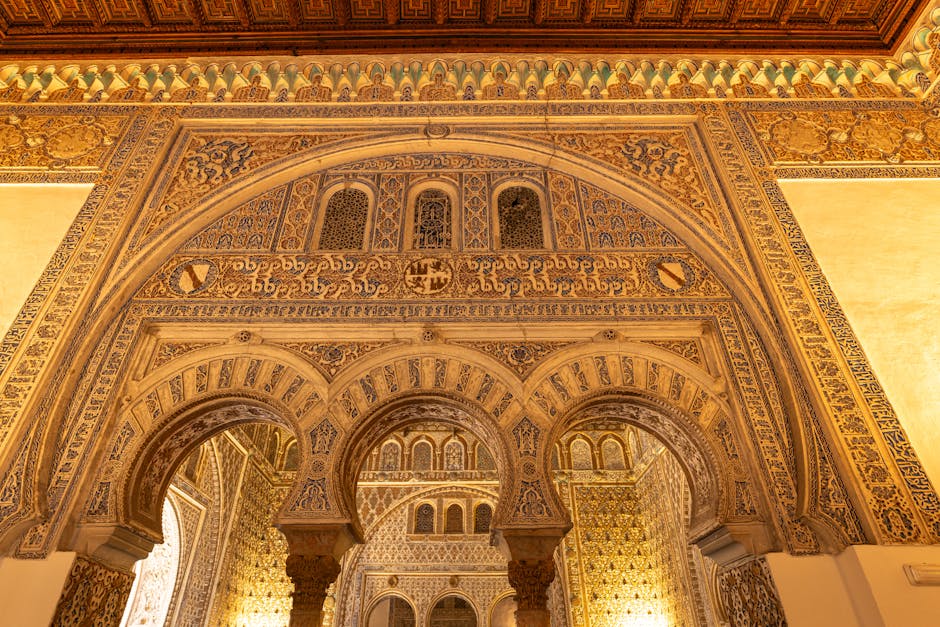
Discover Seville's modern side! Explore the iconic Setas, Roman ruins, and trendy boutiques on this self-guided walking route through the city center.
 Easy
EasyGdansk, Poland
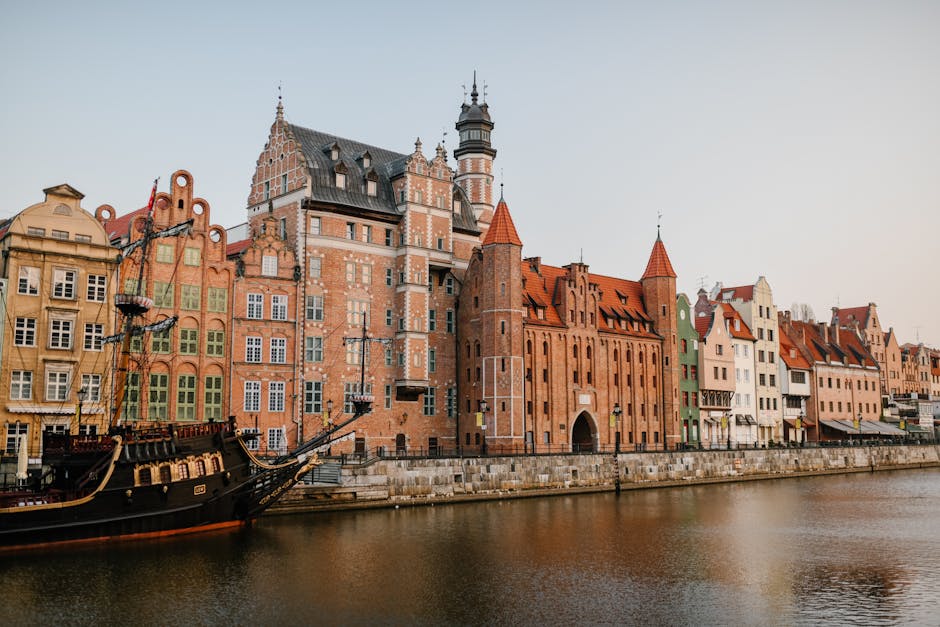
Discover the 'Baltic Gold' on this self-guided walk through Gdansk's historic mills, massive cathedrals, and the magical Mariacka Street.
 Easy
EasyNairobi, Kenya
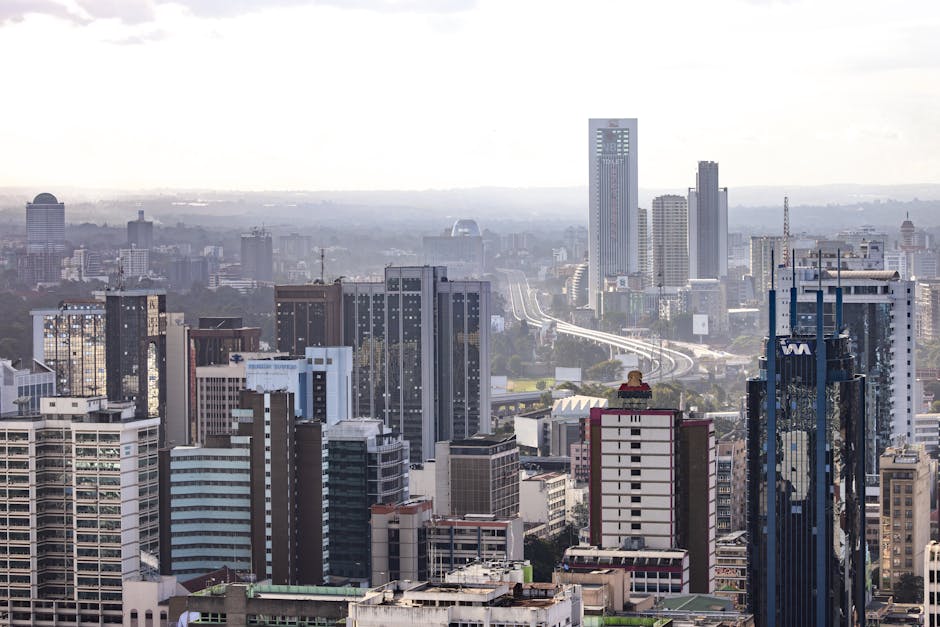
Discover Nairobi's iconic skyline on this self-guided architecture walk through the CBD’s most famous modernist and Brutalist landmarks.
 Easy
EasyGdansk, Poland
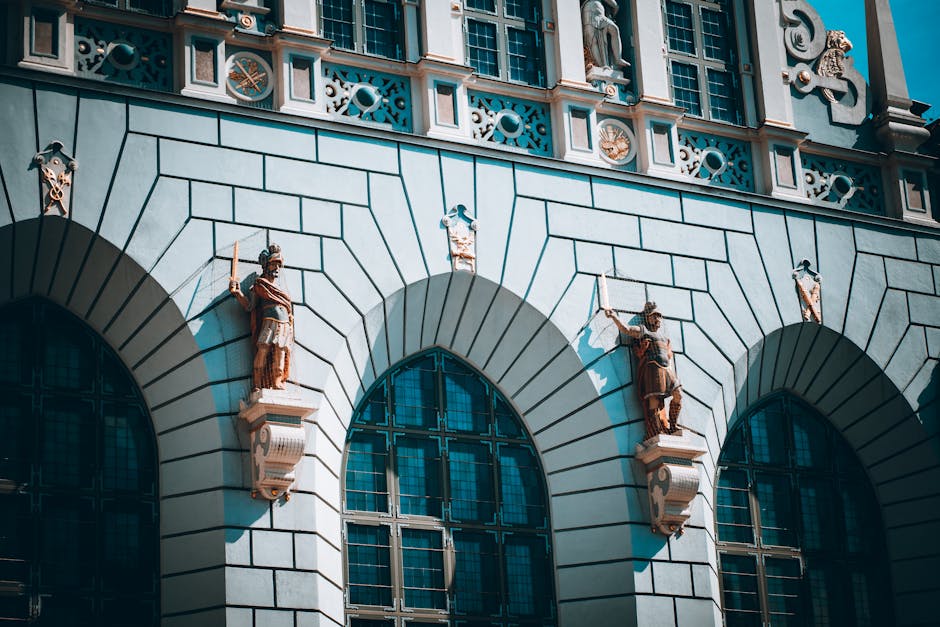
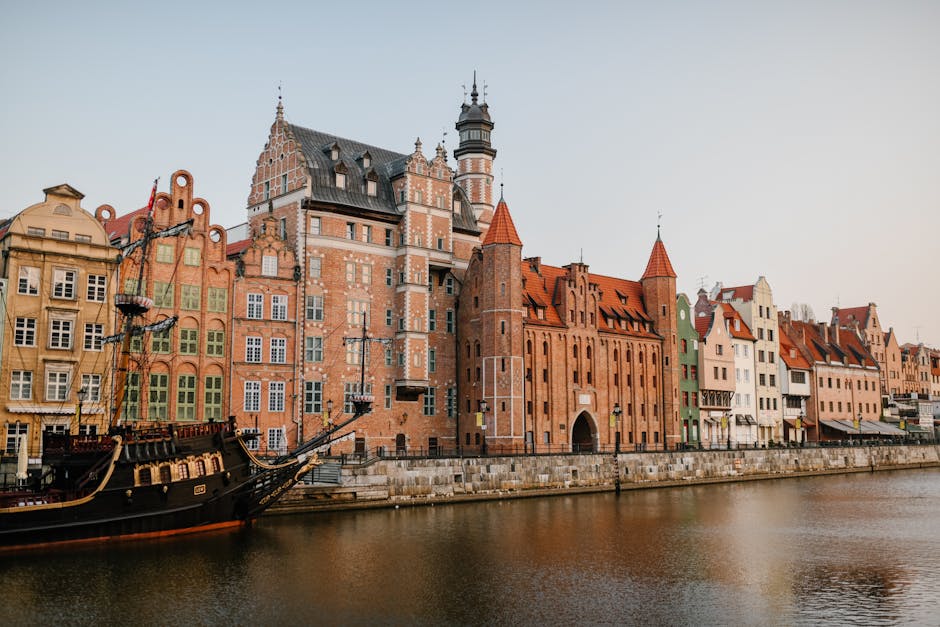
Discover the opulent Royal Way of Gdansk at your own pace. Explore Hanseatic history, gilded architecture, and the iconic Neptune's Fountain.
 Easy
EasyGdansk, Poland
Discover the monastic heritage, world-famous organs, and lush botanical gardens of Oliwa on this peaceful self-guided neighborhood stroll.
 Moderate
Barcelona, Spain
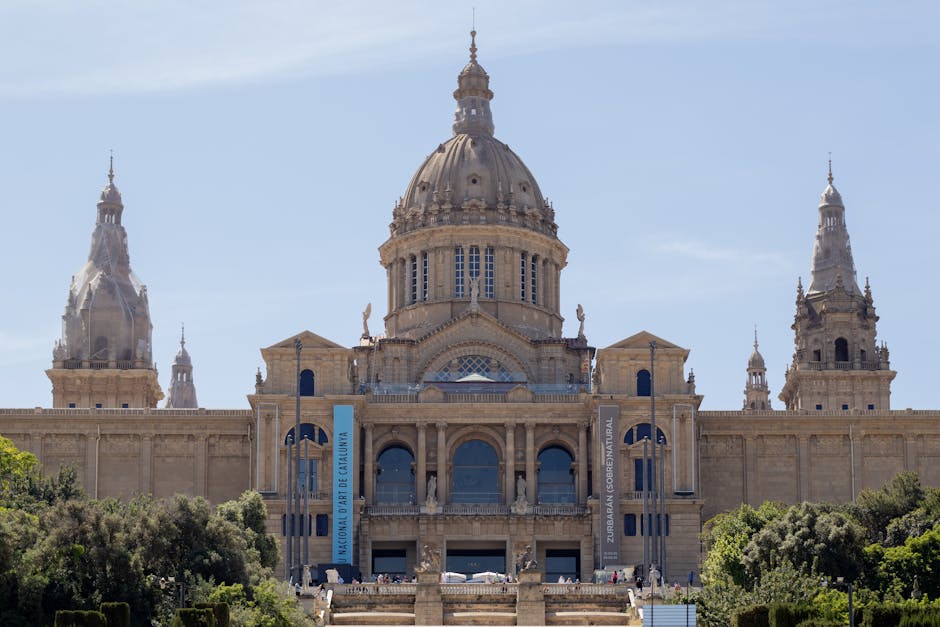
Explore the elegant 'village' of Sarrià, where Gothic monasteries and Gaudí's hidden gems meet charming local markets and narrow streets.
 Moderate
Barcelona, Spain
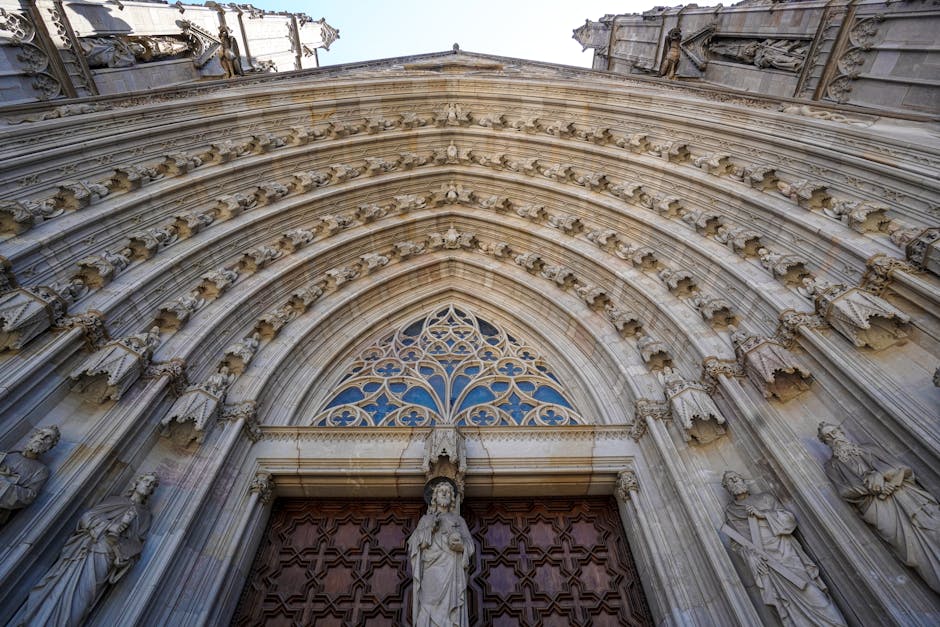
Discover the revolutionary history and haunting scars of the Spanish Civil War on this self-guided walk through Barcelona's historic streets.
 Easy
EasyBarcelona, Spain
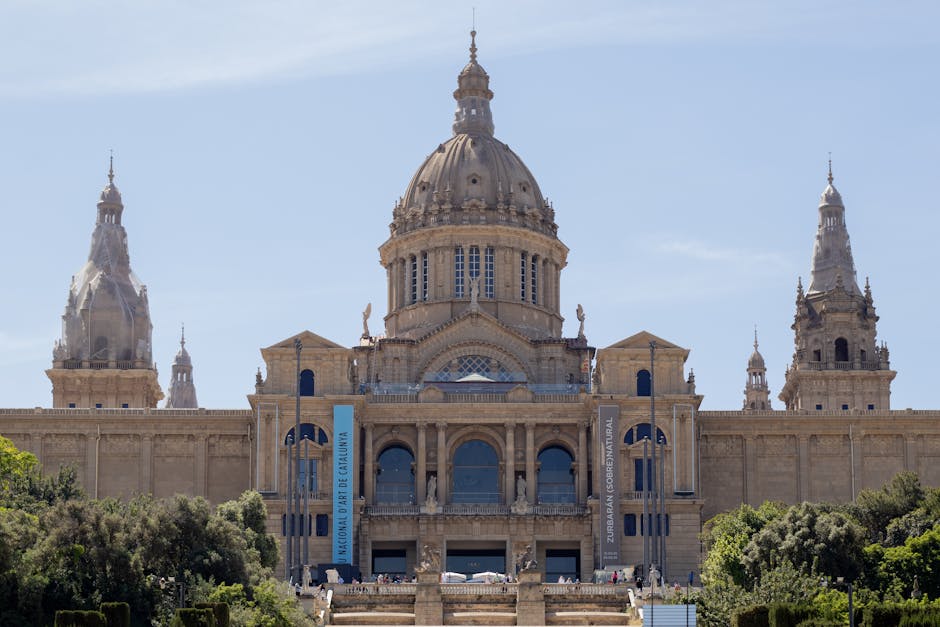
Discover the architectural wonders of Barcelona's Golden Square on this self-guided stroll through Eixample's most luxurious Modernista streets.
 Challenging
Barcelona, Spain
Explore Montjuïc’s lush gardens, historic fortress, and iconic Olympic venues on this scenic self-guided walk with panoramic Mediterranean views.
