Madrid is often celebrated for its sun-drenched plazas and golden-hour beauty, but beneath the surface of the Spanish capital lies a history forged in shadows and secrecy. This self-guided walk invites you to explore the darker side of Madrid’s history, tracing the footsteps of the Spanish Inquisition and the chilling legends that still haunt the streets of the Centro neighborhood. As you navigate these ancient cobblestones, you will discover that the city’s past is not just found in its grand monuments, but in the narrow alleys where the 'Holy Office' once exerted its absolute power. Your independent journey begins at the Church of Saint Genesius, one of the city's oldest parishes, known for a macabre legend involving a headless ghost. From there, the route dives into the labyrinth of the Hapsburg-era Madrid, leading you through the 'Elbow Street' and past the silent walls of cloistered convents where time seems to have stopped. You will stand in plazas where the smoke of the Auto-da-fé once rose and walk the same paths as the accused and their inquisitors. This walking route is designed for those who prefer to uncover the city's secrets at their own pace, away from the typical tourist crowds. Highlights of this neighborhood stroll include the Plaza de la Cruz Verde, a somber site where the Inquisition carried out its final public sentences, and the Plaza de Santo Domingo, which once stood at the heart of the Tribunal's operations. Unlike a standard walking tour Madrid might offer, this experience focuses on the atmospheric and often overlooked corners of the city center. You will learn about the 'Carboneras' nuns and the architectural remnants of the old city walls at Puerta Cerrada. Whether you are a history enthusiast or a fan of local folklore, this self-guided adventure provides a deep dive into the complex and often terrifying legacy of the Spanish Inquisition in Madrid.
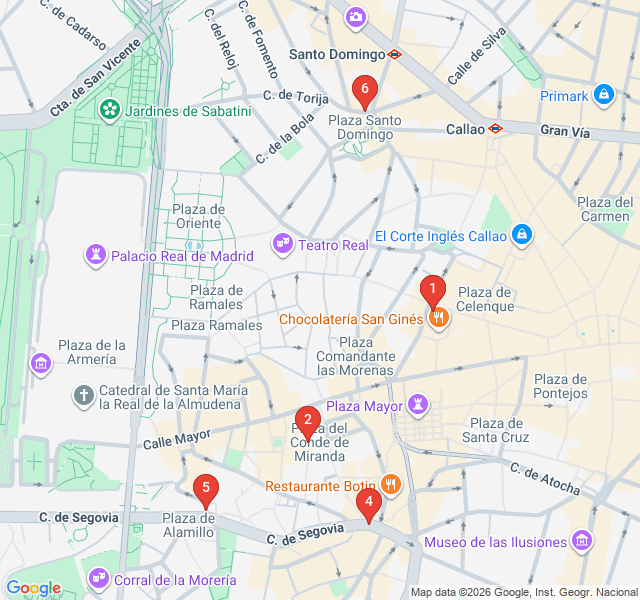
Numbers indicate the order of stops on the tour
Welcome to the start of your journey into Madrid's darkest chapters. The Iglesia de San Ginés is one of the city’s oldest churches, but it hides a grisly secret. Legend tells of a 14th-century priest who was beheaded by thieves inside these walls. Shortly after, a headless ghost was seen wandering the aisles, eventually seeking justice. This church sets the tone for our walk: a place where deep faith and violent legends intertwine. Notice the brickwork and the traditional 'Madrileño' style, but keep the legend in mind as we prepare to enter the labyrinthine streets where the Inquisition once held sway.
Tucked away from the bustling main streets, Calle del Codo, or 'Elbow Street,' is a narrow, winding passage that perfectly captures the atmosphere of Hapsburg Madrid. Its sharp turn gives it its name and provided the perfect hiding spot for those wishing to avoid the watchful eyes of the authorities. In the 16th and 17th centuries, these shadows were dangerous. This street was a favorite of the famous poet Francisco de Quevedo, who frequently navigated these alleys. As you walk through, imagine the clatter of horse hooves and the whispers of a city where everyone was a potential informant for the Holy Office.
Behind these unassuming walls lies a world of silence. This is the Monastery of Las Carboneras, home to a community of cloistered Hieronymite nuns. They are known as 'The Coalwomen' because of a painting of the Virgin found in a coal cellar. While the Inquisition patrolled the streets, these women lived in total seclusion, a practice that continues today. You can still buy handmade cookies from them through a 'torno'—a rotating wooden window—allowing them to remain unseen by the outside world. It is a living piece of 17th-century Madrid, where religious devotion and mystery still reside side-by-side.
You are now standing at the 'Closed Gate.' This plaza marks the site of one of the original gates in Madrid's Christian walls. It was kept closed for centuries due to the high number of crimes and ambushes that occurred in the surrounding narrow streets. Look up at the murals on the buildings; they depict the history of the area. The cross in the center of the plaza is a reminder of the religious fervor of the era. This was a crossroads of the city, where the common folk mingled with those under the suspicion of the Inquisition, all living in the shadow of the old city defenses.
This quiet square holds one of the darkest legacies in Madrid. The 'Green Cross' was the symbol of the Spanish Inquisition. It was here, on this very ground, that the last public Auto-da-fé, or 'Act of Faith,' took place in the late 18th century. Those found guilty of heresy or other spiritual crimes were brought here to face their final sentences, often involving public shaming or execution. The name of the plaza serves as a permanent memorial to those who suffered under the Tribunal’s zeal. Take a moment to reflect on the gravity of this site before we head toward the Inquisition's administrative heart.
Our walk concludes at Plaza de Santo Domingo. Today it is a busy transit hub, but in the 16th century, the nearby Convent of Santo Domingo was the headquarters of the Inquisition in Madrid. The Tribunal of the Holy Office operated from here, deciding the fates of thousands. The palace of the Inquisitor General was also located in this vicinity. Though the physical buildings of the Inquisition have mostly been replaced by modern structures, the energy of this location remains significant. From here, the reach of the 'Santo Oficio' extended across the entire Spanish Empire, making this square one of the most feared locations in the world for over three centuries.
Download Zigway to experience "Shadows of the Inquisition: Dark Legends" with AI-powered audio narration. Walk at your own pace while stories unfold around you.
 Easy
EasyMadrid, Spain
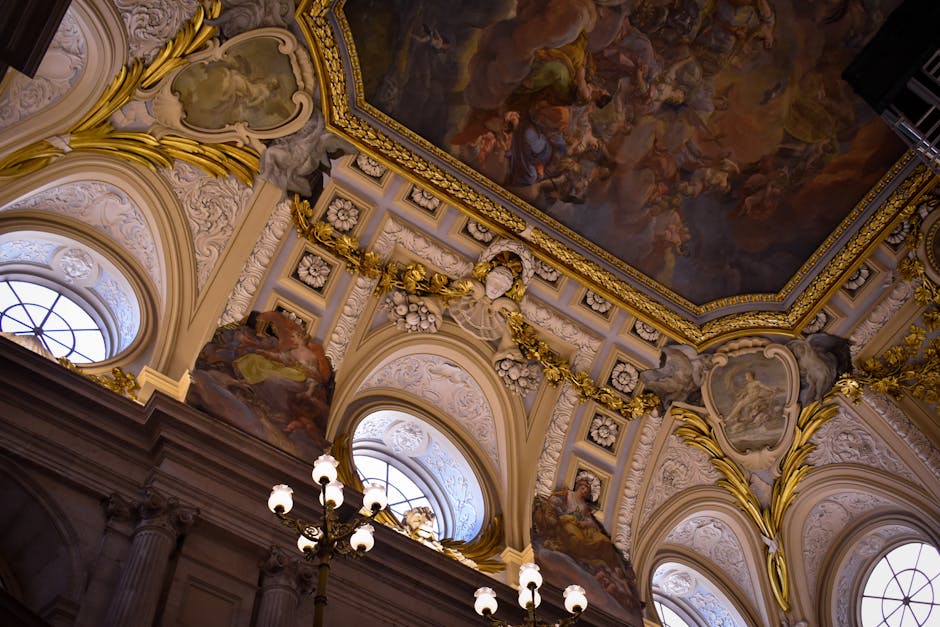
Explore Madrid's 'Landscape of Light' on this self-guided walk through the world-renowned Golden Triangle of Art, from Cibeles to the Reina Sofía.
 Moderate
Madrid, Spain
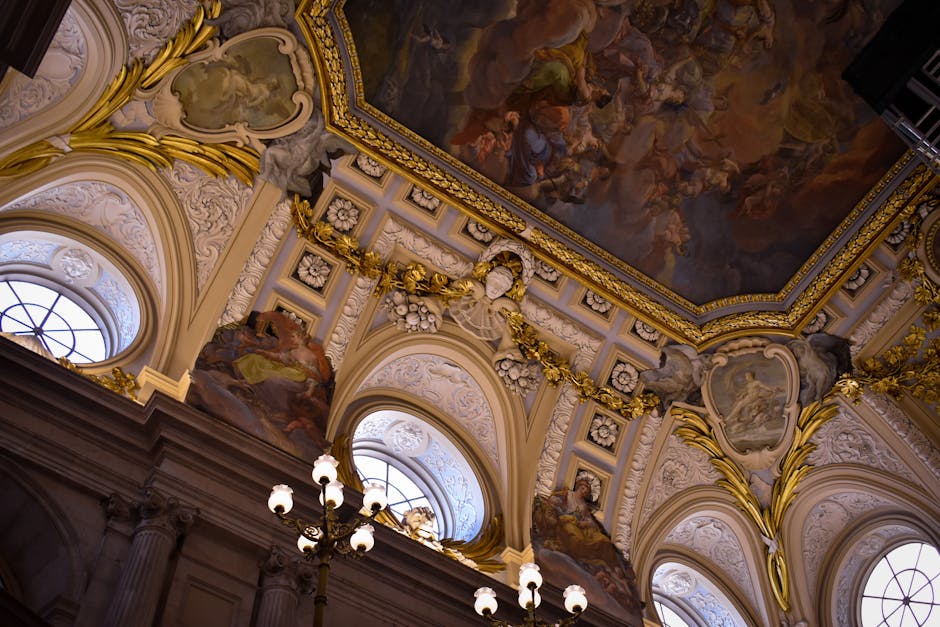
Explore Madrid's most diverse neighborhood on this self-guided walk through street art, historic markets, and multicultural squares.
 Easy
EasyMadrid, Spain
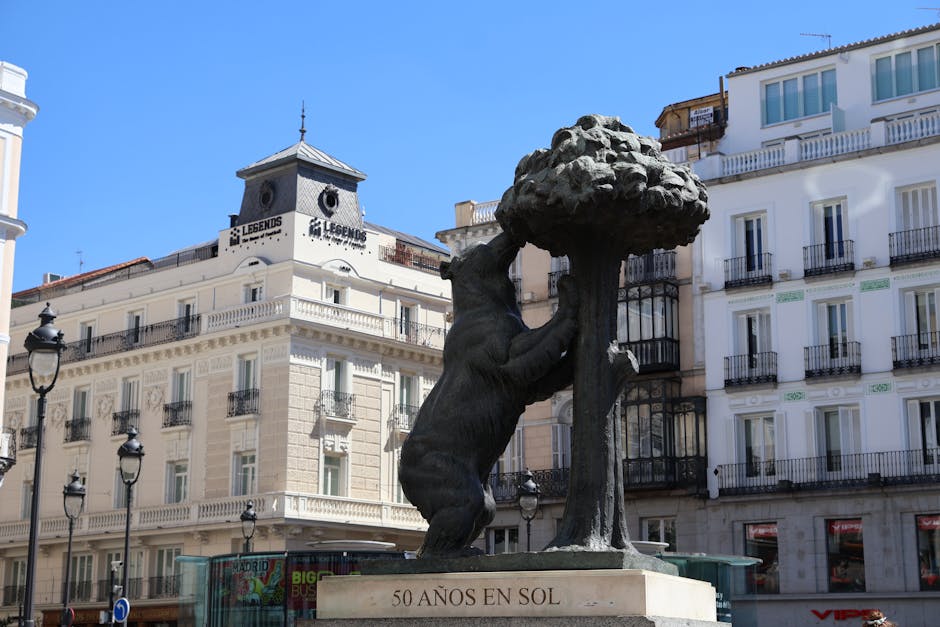
Explore the royal legacy and medieval alleys of Madrid's historic Habsburg district on this immersive self-guided walk through the city's heart.
 Easy
EasyMadrid, Spain
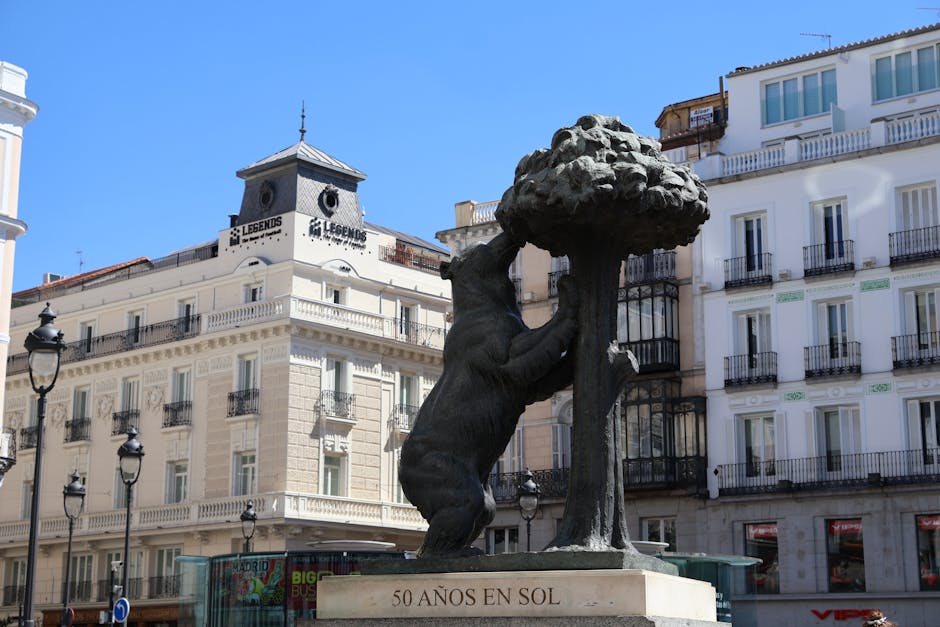
Discover the rebellious spirit of Malasaña on this self-guided walk through Madrid's best street art, historic squares, and counter-culture hubs.
 Moderate
Vienna, Austria
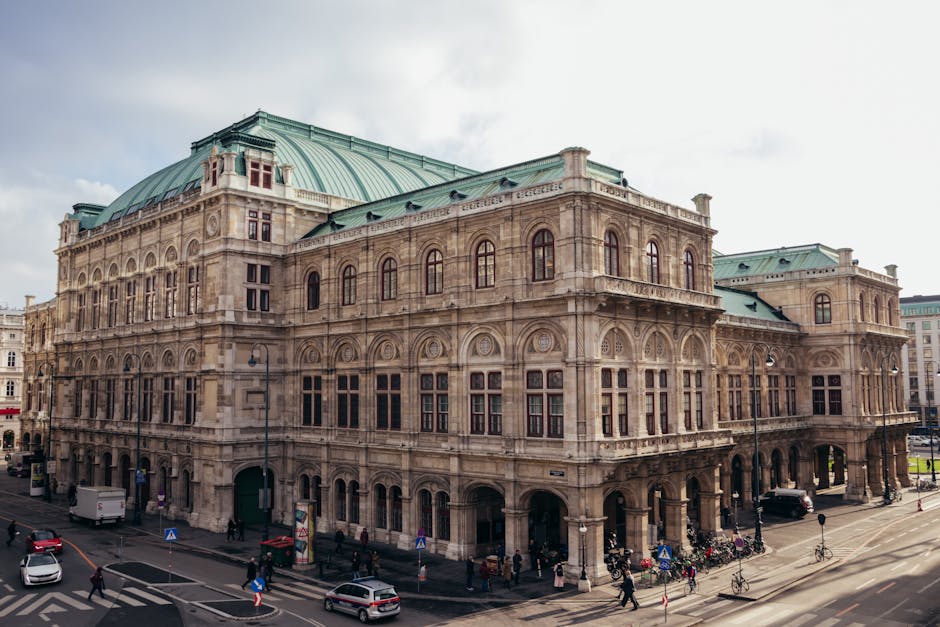
Discover the noir world of The Third Man and Cold War Vienna on this atmospheric self-guided audio walk through the historic Innere Stadt.
 Moderate
Helsinki, Finland
Explore Helsinki's bohemian heart. Discover historic saunas, granite churches, and the vibrant local life of the Kallio neighborhood at your own pace.
 Easy
EasyKrakow, Poland
Explore the historic heart of Kazimierz on this self-guided walk through synagogues, ancient cemeteries, and vibrant squares.
 Moderate
Gdansk, Poland
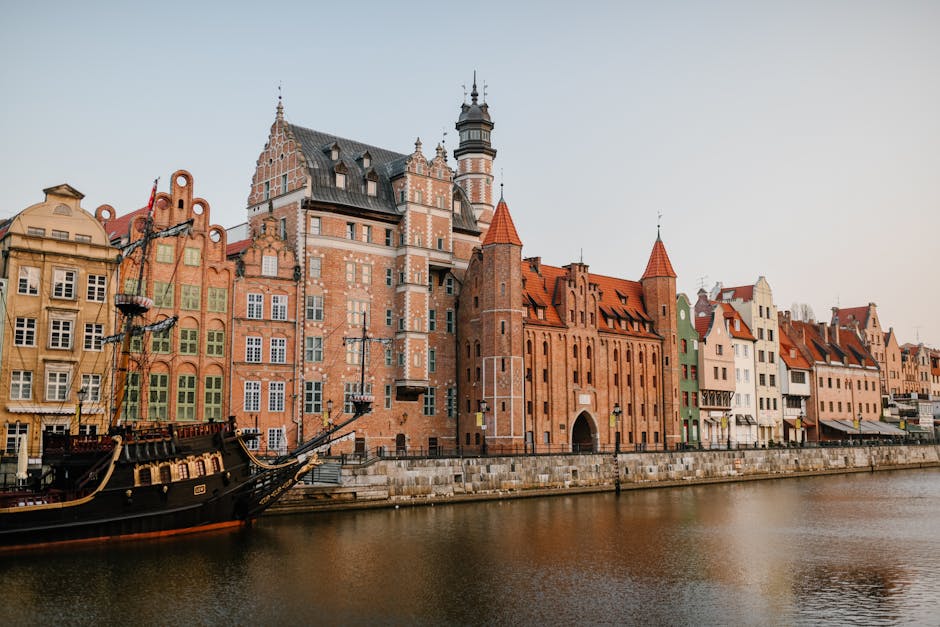
Discover the raw beauty of Gdansk’s Lower Town. Explore industrial ruins, hidden sluices, and riverside bastions on this self-guided walk.
 Moderate
Barcelona, Spain
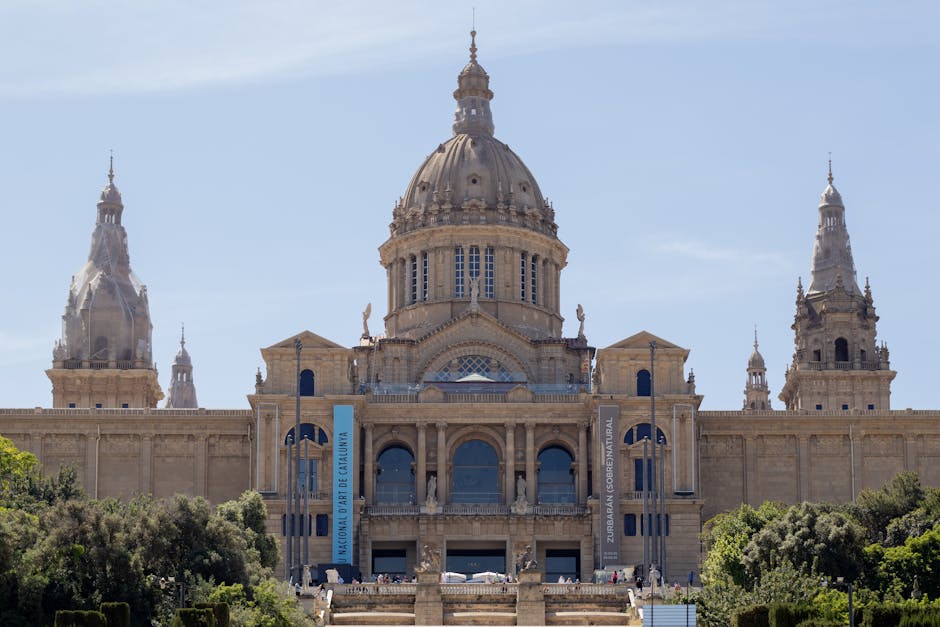
Explore the elegant 'village' of Sarrià, where Gothic monasteries and Gaudí's hidden gems meet charming local markets and narrow streets.
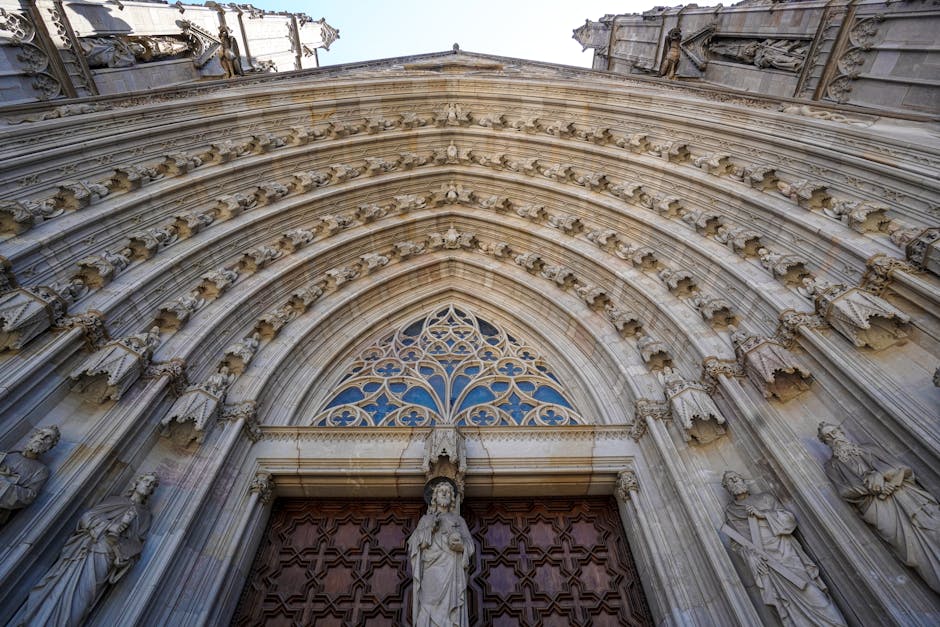 Moderate
Barcelona, Spain
Discover the revolutionary history and haunting scars of the Spanish Civil War on this self-guided walk through Barcelona's historic streets.
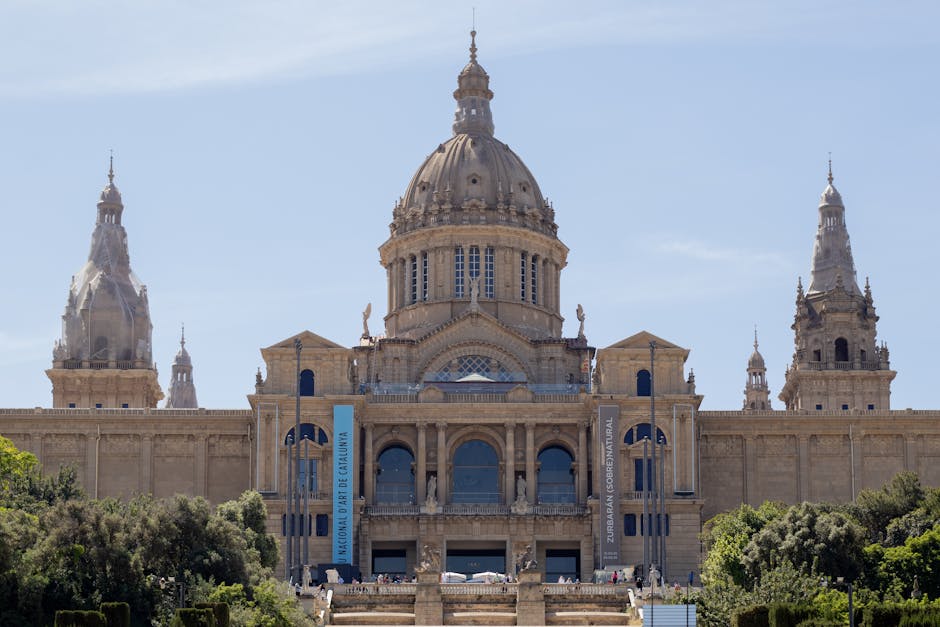 Easy
EasyBarcelona, Spain
Discover the architectural wonders of Barcelona's Golden Square on this self-guided stroll through Eixample's most luxurious Modernista streets.
 Challenging
Barcelona, Spain
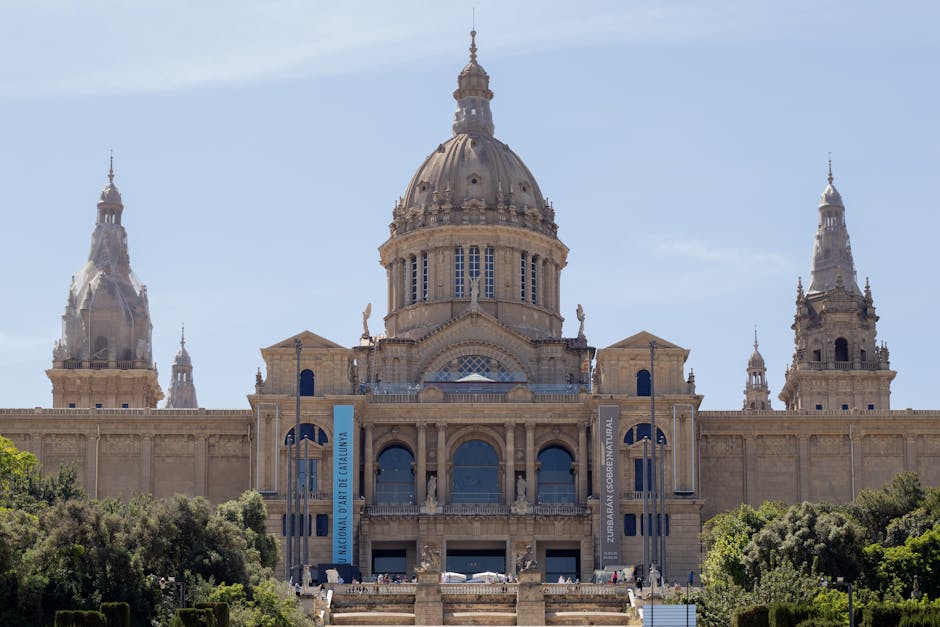
Explore Montjuïc’s lush gardens, historic fortress, and iconic Olympic venues on this scenic self-guided walk with panoramic Mediterranean views.
