Xi'an is a city where layers of history are stacked like the bricks of its ancient walls. While most visitors flock to the terracotta warriors, this self-guided walk invites you to explore a different kind of history: the industrial rebirth of the Xincheng District. This route traces the evolution of Xi'an from its imperial zenith to its 20th-century industrial boom and its modern-day status as a hub for contemporary art and design. You will begin in the south, exploring the refined aesthetics of the Qujiang Art Museum, before moving through the heart of the city at the Kaiyuan Shopping Mall, which offers an unrivaled perspective on the ancient Bell Tower. As you head north, the scale of the city's ambition becomes clear at the Daming Palace National Heritage Park, the former residence of Tang Dynasty emperors. The heart of this neighborhood stroll is Dahua 1935, a sprawling cultural district housed in what was once the Northwest's first modern cotton mill. Here, the raw, red-brick architecture of the 1930s has been repurposed into galleries, theaters, and cafes, offering a window into the city's creative soul. The journey concludes with a thematic leap to the Emperor Qinshihuang's Mausoleum Site Museum, connecting the industrial precision of the 20th century with the mass-production marvels of the ancient world. This walking route Xian offers is perfect for those who want to see the city beyond the traditional tourist trail, blending architecture, art, and hidden-gems into a single, cohesive narrative of transformation. **Note:** This area is known for its ever-changing character. Street art, pop-up venues, and temporary exhibitions may differ from what's described. That's part of the adventure - you might discover something entirely new!
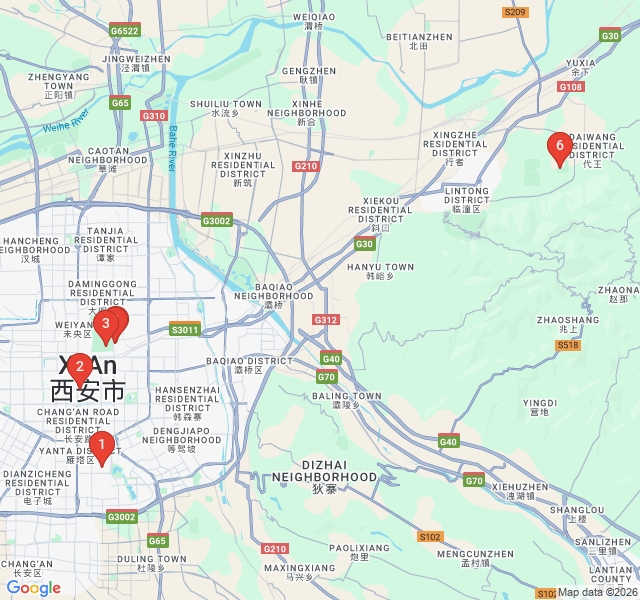
Numbers indicate the order of stops on the tour
Start exploring with Zigway at this hidden gem located beneath the Westin Hotel. The Qujiang Art Museum is renowned for its incredible collection of ancient Chinese jade and mural art. As you wander through the quiet, dimly lit galleries, you’ll notice a stark contrast between the intricate craftsmanship of the Tang and Ming dynasties and the modern, minimalist architecture of the museum itself. This stop sets the stage for our theme of transformation, showing how Xi'an preserves its ancient treasures within cutting-edge contemporary spaces. Look for the golden jade artifacts, which are among the finest in the country. Note that exhibits may change, so focus on the permanent collection of mural paintings that provide a rare glimpse into the daily life of ancient Chinese nobility.
While it might seem like a standard department store, Kaiyuan Shopping Mall holds a secret that makes it a favorite for local photographers. Head to the outdoor viewing platform on the upper floors. From here, you are treated to the most iconic view in Xi'an: the 14th-century Bell Tower standing at the center of the city's crossroads. This vantage point perfectly captures the intersection of the old and new. The surrounding area has been a commercial hub for centuries, and seeing the ancient tower framed by modern neon signs and high-end retail brands highlights the city's relentless pace of change. It is an ideal spot for a quick photo break before we head toward the industrial north.
Welcome to the 'Palace of Great Brightness.' This site was once the imperial palace complex of the Tang Dynasty, serving as the royal residence for over 220 years. The park is vast—nearly four times the size of the Forbidden City in Beijing. As you walk through the Danfeng Gate area, try to imagine the sheer scale of the wooden halls that once stood here. Today, the park serves as a massive green lung for the city and a site of ongoing archaeological discovery. The minimalist reconstructions and archaeological pits offer a unique architectural perspective, focusing on the footprints of the past rather than recreated replicas. It is a peaceful transition from the busy city center to the industrial heritage sites nearby.
This is the heart of our industrial rebirth theme. Dahua 1935 was originally the Dahua Cotton Mill, established in 1935 as the first modern textile factory in the Northwest. During the mid-20th century, it was the lifeblood of this neighborhood. After decades of decline, the factory has been transformed into a vibrant art and cultural district. As you explore the site, notice how the original sawtooth roofs, high ceilings, and exposed brickwork have been preserved. These spaces now house contemporary art galleries, indie theaters, and artisanal cafes. The street art and temporary installations here are constantly changing, so there is always something new to discover. It is a prime example of adaptive reuse, where the grit of the industrial age meets the creativity of the 21st century.
Just a short walk within the district, this hotel is an architectural masterpiece of the area. It occupies what were once the boiler rooms and warehouses of the cotton mill. The design team kept the industrial essence—massive steel beams, weathered brick walls, and concrete floors—but softened them with luxury finishes and greenery. It’s a great place to stop and appreciate how the 'industrial' look has become a status symbol of modern design. Even if you aren't staying here, the lobby and public areas often feature design-led displays that celebrate the building's history as a place of production. It serves as a bridge between the district's blue-collar past and its high-end future.
To conclude this self-guided adventure, we look at the ultimate example of ancient mass production. While located a distance from the city center, the Terracotta Army represents an 'industrial' feat achieved over 2,000 years ago. Thousands of life-sized soldiers, horses, and chariots were manufactured with standardized parts but unique facial features—a staggering display of logistics and craftsmanship. This site connects back to Dahua 1935 through the concept of large-scale production and human labor. As you stand before the pits, consider that this was the world's first true 'factory' line, dedicated to the eternal protection of an emperor. It is the perfect final stop to reflect on Xi'an’s long history of building, making, and reinventing itself.
Download Zigway to experience "Industrial Rebirth: Dahua 1935 Art District" with AI-powered audio narration. Walk at your own pace while stories unfold around you.
 Moderate
Xian, China
Discover the Silk Road's legacy and modern local life in Xian’s West City on this immersive self-guided audio walk through markets and history.
 Moderate
Xian, China
Discover the 'Palace of Great Brilliance' and the mighty Ming-era fortifications on this self-guided walk through Xi'an's historic northern district.
 Easy
EasyXian, China
Discover the hidden bars and artisan coffee shops of Defu Lane on this self-guided stroll through Xi'an's most bohemian neighborhood.
 Moderate
Xian, China
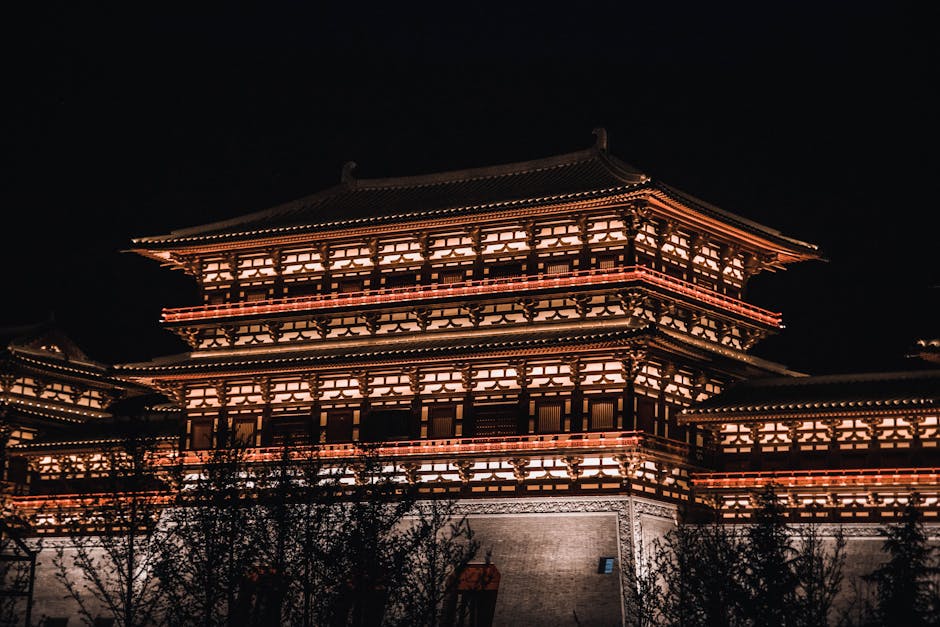
Explore Xian’s spiritual side on this self-guided walk through ancient Buddhist temples and hidden Taoist abbeys.
 Easy
EasyKrakow, Poland
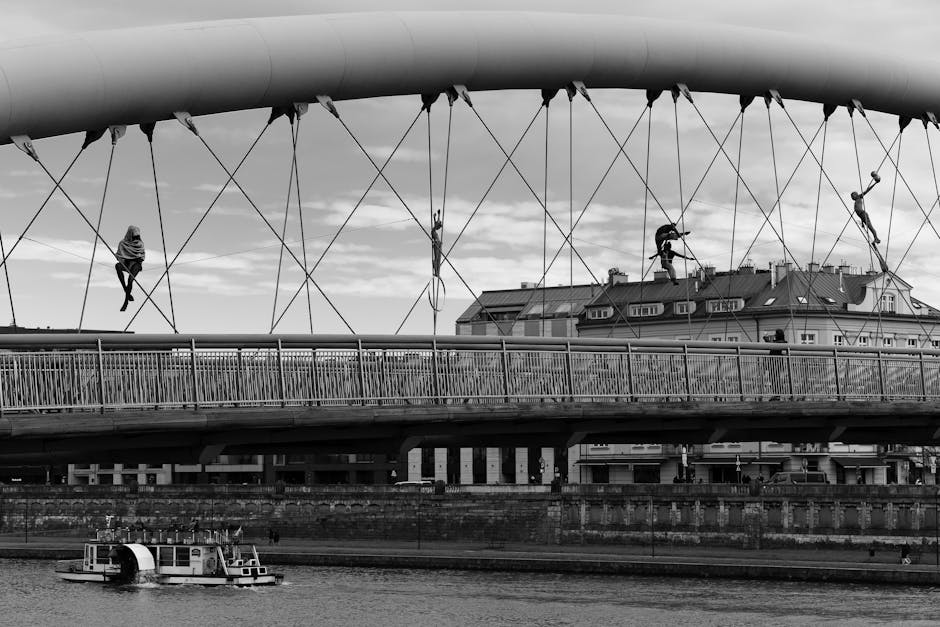
Discover Krakow’s creative soul in Zabłocie, exploring industrial heritage, contemporary art museums, and avant-garde architecture at your own pace.
 Easy
EasyGothenburg, Sweden
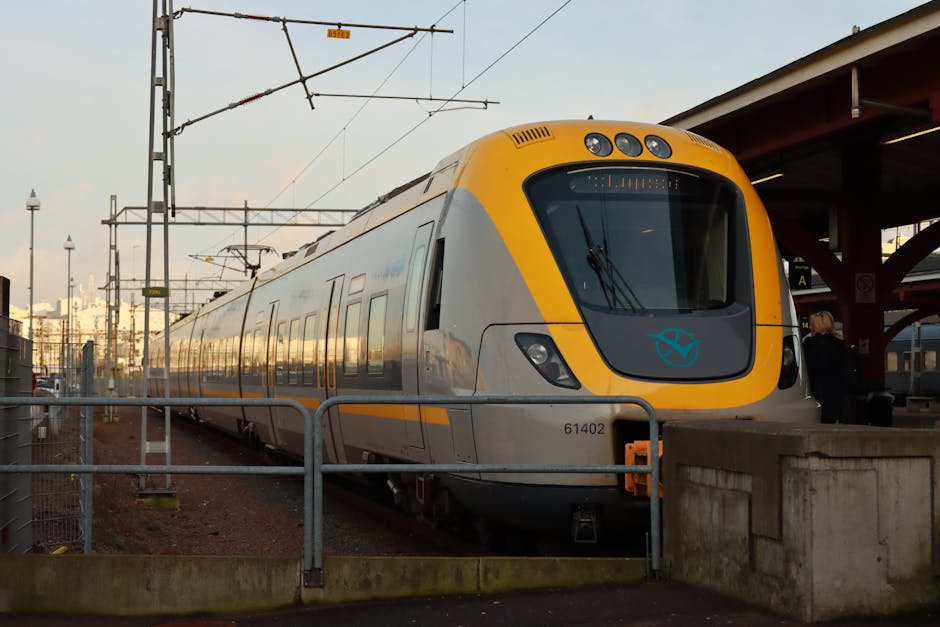
Explore Gothenburg's maritime soul on this self-guided walk from historic shipyards to sleek modern piers and iconic industrial landmarks.
 Easy
EasyGdansk, Poland
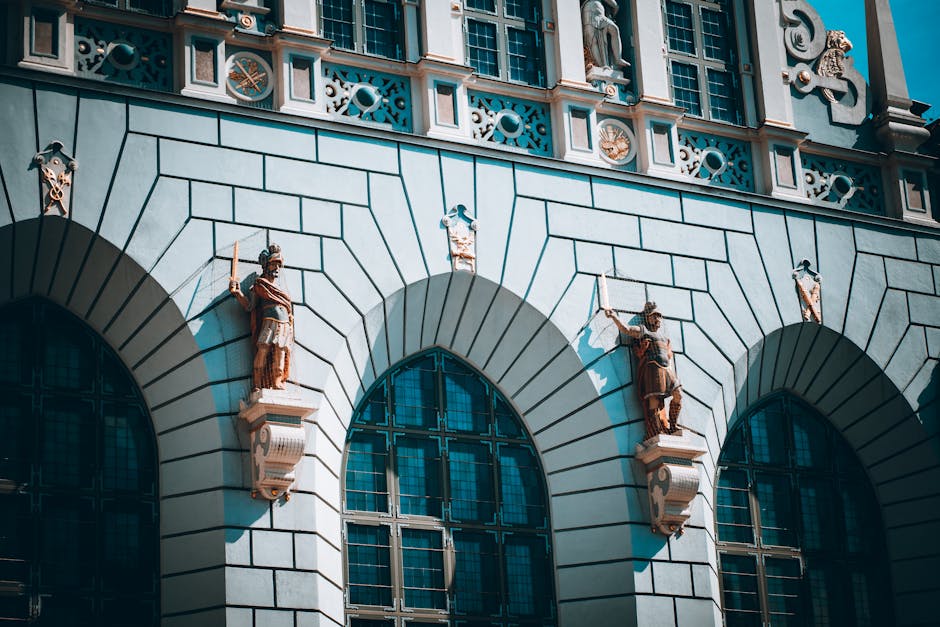
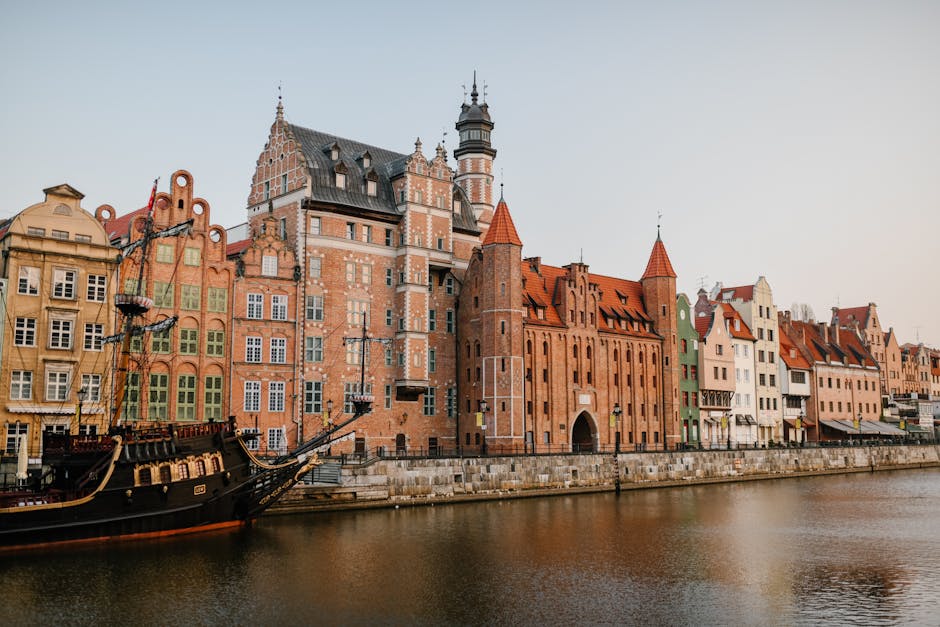
Discover the opulent Royal Way of Gdansk at your own pace. Explore Hanseatic history, gilded architecture, and the iconic Neptune's Fountain.
 Easy
EasyGdansk, Poland
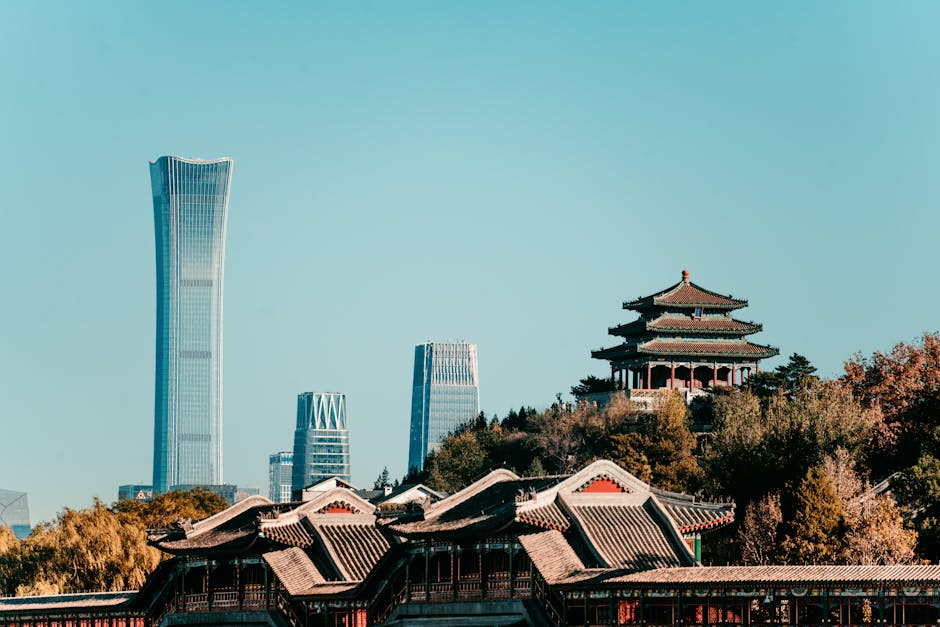
Discover the 'Baltic Gold' on this self-guided walk through Gdansk's historic mills, massive cathedrals, and the magical Mariacka Street.
 Easy
EasyBeijing, China
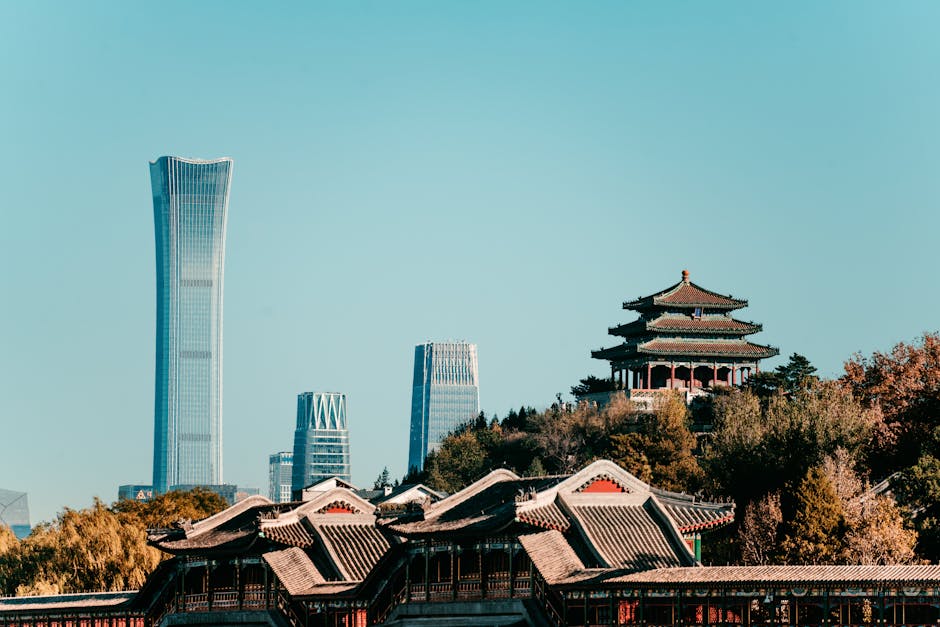
Explore Beijing's premier art district on this self-guided walk through the industrial-chic 798 Art Zone and the massive tanks of 751 D・PARK.
 Moderate
Beijing, China
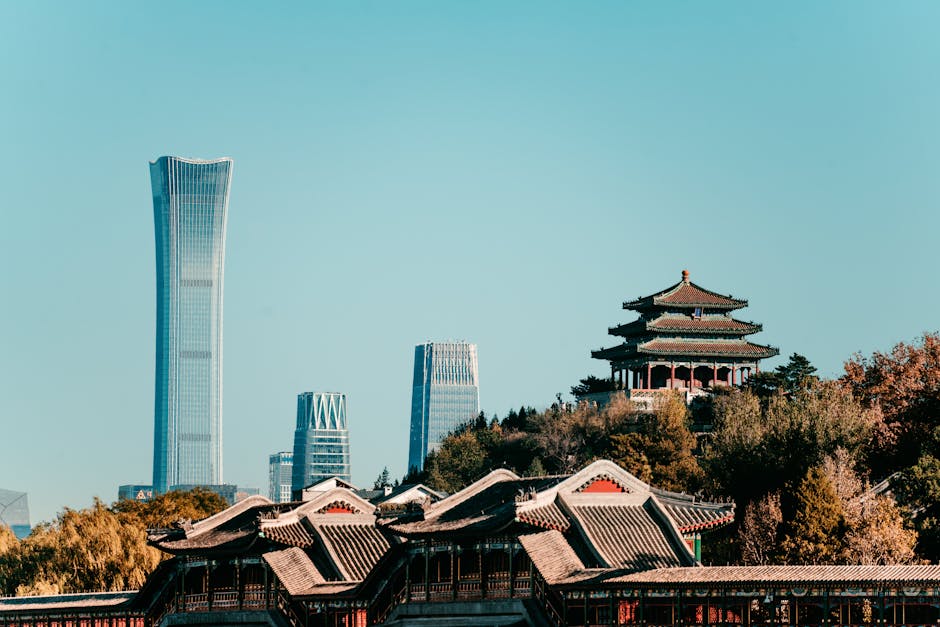
Explore the majestic red walls, imperial moats, and hilltop vistas of Beijing's Forbidden City on this self-guided architectural walking route.
 Moderate
Beijing, China
Explore the spiritual heart of Beijing on this self-guided walk through the Temple of Heaven's iconic altars, ancient pines, and vibrant park life.
 Easy
EasyBeijing, China
A culinary and cultural self-guided walk through Beijing's historic Dongsi neighborhood, featuring ancient mosques, hutongs, and iconic local eats.
