Step into a world where ancient tradition meets futuristic ambition on this self-guided walking route through Beijing’s Olympic Green. Following the 2008 Summer Games and the 2022 Winter Games, this neighborhood in the Chaoyang District has become a living museum of modern architecture and urban planning. This walking tour Beijing experience allows you to explore the northern extension of the city's historical Central Axis, a symbolic line that once only connected the Forbidden City and the Temple of Heaven, but now reaches toward the future. As you wander through this expansive district, you will encounter some of the most daring steel and glass structures ever conceived. The centerpieces of the route are undoubtedly the National Stadium and the National Aquatics Center, colloquially known as the Bird's Nest and the Water Cube. These landmarks redefined Beijing’s skyline and proved that the city could be a global leader in contemporary design. Beyond the sports venues, the route showcases the Pangu 7 Star Hotel, a building shaped like a dragon, and the China National Convention Center, which illustrates the city's capacity for hosting world-scale events. This neighborhood stroll is more than just a sports history lesson; it is a journey through the lungs of the city. The route concludes at the massive Olympic Forest Park, a green sanctuary that provides a stark and peaceful contrast to the geometric steel of the stadiums. Exploring independently at your own pace gives you the flexibility to linger under the intricate steel lattice of the Bird's Nest or watch the sunset reflect off the bubble-like facade of the Water Cube. This is a must-see for anyone interested in how architecture can shape national identity and urban life. Whether you are a photography enthusiast or a history buff, this self-guided walk offers a unique perspective on the 'New Beijing' that emerged in the 21st century.
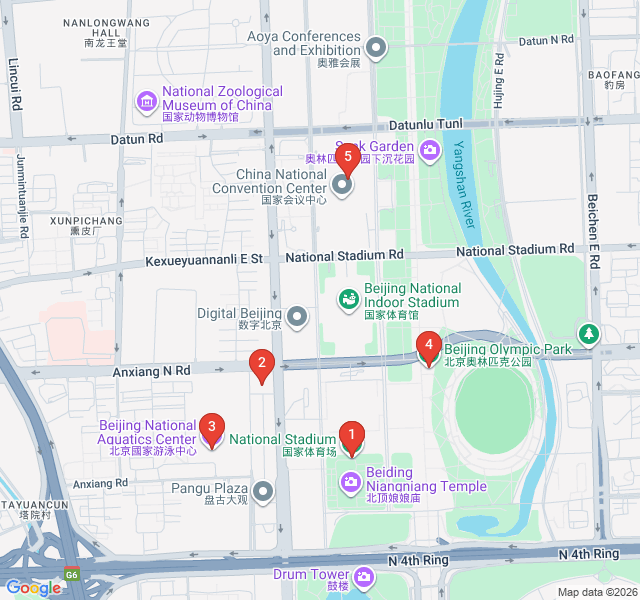
Numbers indicate the order of stops on the tour
Welcome to the starting point of your walk, the National Stadium, famously known as the Bird's Nest. Designed by Swiss architects Herzog & de Meuron in collaboration with artist Ai Weiwei, this structure is a marvel of modern engineering. Its appearance is created by a series of massive steel ribbons that hide the supports for the retractable roof, looking much like a nest made of twigs. It was the centerpiece of the 2008 Summer Olympics and later the 2022 Winter Olympics, making it the only stadium to host both opening ceremonies. The design was inspired by Chinese ceramics and the concept of 'chaos' being brought into order. As you stand before it, consider that the steel used in its construction weighs 42,000 tons, yet the structure feels organic and light.
Looking to the west, you will see the striking silhouette of the Pangu 7 Star Hotel. This building is a fascinating example of how modern skyscrapers in China often incorporate traditional symbolism. The complex consists of five buildings arranged to resemble the shape of a dragon—the most powerful symbol in Chinese mythology. The hotel tower represents the dragon's head, while the other buildings form its body. It is one of the most luxurious hotels in the city and has hosted numerous world leaders and celebrities. Its location right next to the Olympic venues makes it a prominent landmark of the 21st-century Beijing skyline, blending corporate prestige with cultural motifs.
Directly opposite the Bird's Nest is the National Aquatics Center, better known as the Water Cube. While the stadium is circular and red, representing 'Heaven' and 'Yang,' the Water Cube is square and blue, representing 'Earth' and 'Yin.' This architectural harmony is a nod to traditional Chinese philosophy. The building's exterior is made of ETFE, a translucent plastic that looks like soap bubbles. This material allows more light and heat into the building than glass, making it energy-efficient. For the 2022 Winter Games, it was famously nicknamed the 'Ice Cube' after it was converted to host curling events, showcasing the incredible versatility of its design.
You are now walking through the heart of the Olympic Green, a massive public space that serves as the northern anchor of Beijing's Central Axis. This axis is a 7.8-kilometer line that runs through the center of the city, connecting the Forbidden City and Tiananmen Square to this modern park. Standing here, you can feel the immense scale of Chinese urban planning. This area was designed to be a 'People's Park' after the games, and today it serves as a popular spot for locals to fly kites, practice Tai Chi, or simply enjoy the open space. The wide boulevards and public art installations here celebrate the spirit of international sports and cultural exchange.
To your left stands the China National Convention Center, an understated but vital part of the Olympic legacy. During the 2008 Games, this served as the Main Press Center and the International Broadcasting Center, housing thousands of journalists from around the globe. Its sleek, horizontal design was intended to provide a sense of stability and calm amidst the more flamboyant stadiums nearby. Today, it remains one of the busiest convention centers in Asia, hosting major international summits and trade fairs. Its presence ensures that the Olympic area remains a vibrant hub of global business and diplomacy long after the athletes have gone home.
Your walk concludes at the South Gate of the Olympic Forest Park. This is the largest urban green space in Beijing, nearly double the size of New York's Central Park. It was designed to be the 'green lung' of the city, featuring man-made lakes, hills, and a diverse range of flora. The park is split into a southern and northern section by the Fifth Ring Road, with a massive ecological bridge connecting them. As you enter, the noise of the city fades away. It is a favorite spot for Beijingers to escape the urban hustle. The southern part of the park contains a large lake where you can rent boats, providing a peaceful end to your architectural journey.
Download Zigway to experience "Olympic Dreams and Steel Structures" with AI-powered audio narration. Walk at your own pace while stories unfold around you.
 Easy
EasyBeijing, China
Explore Beijing's premier art district on this self-guided walk through the industrial-chic 798 Art Zone and the massive tanks of 751 D・PARK.
 Moderate
Beijing, China
Explore the majestic red walls, imperial moats, and hilltop vistas of Beijing's Forbidden City on this self-guided architectural walking route.
 Moderate
Beijing, China
Explore the spiritual heart of Beijing on this self-guided walk through the Temple of Heaven's iconic altars, ancient pines, and vibrant park life.
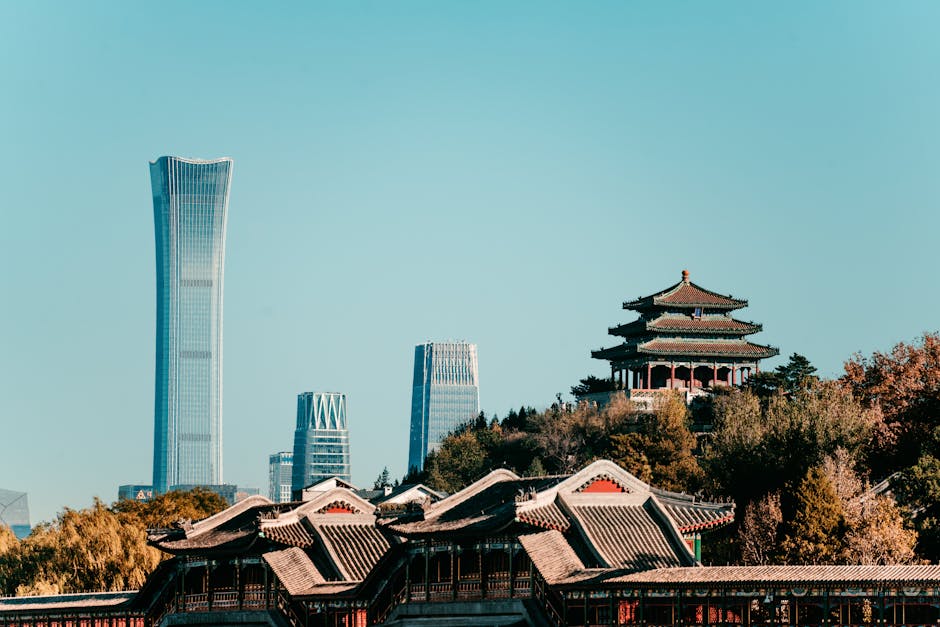 Easy
EasyBeijing, China
A culinary and cultural self-guided walk through Beijing's historic Dongsi neighborhood, featuring ancient mosques, hutongs, and iconic local eats.
 Easy
EasyNairobi, Kenya
Discover Nairobi's iconic skyline on this self-guided architecture walk through the CBD’s most famous modernist and Brutalist landmarks.
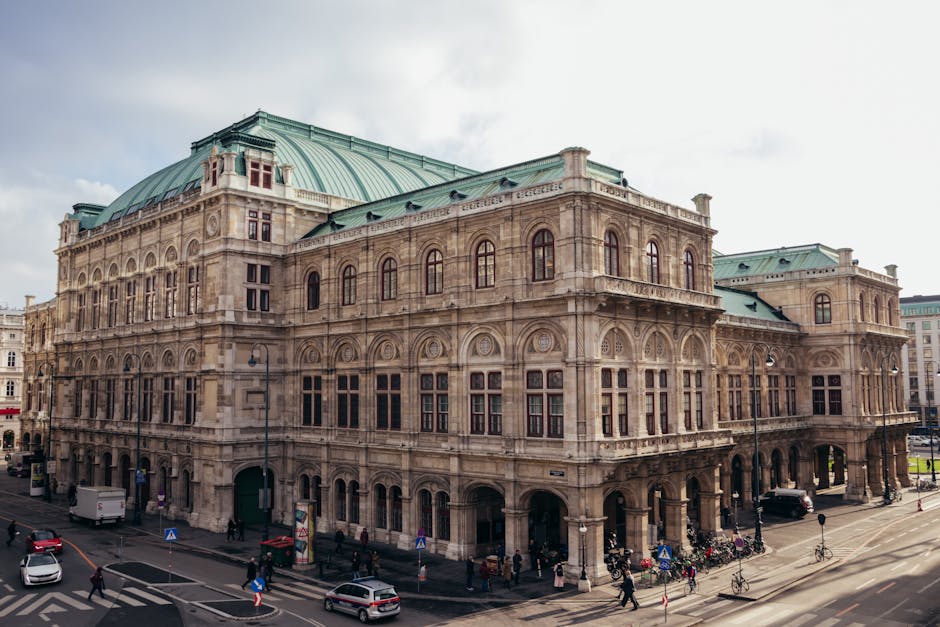 Moderate
Vienna, Austria
Discover the noir world of The Third Man and Cold War Vienna on this atmospheric self-guided audio walk through the historic Innere Stadt.
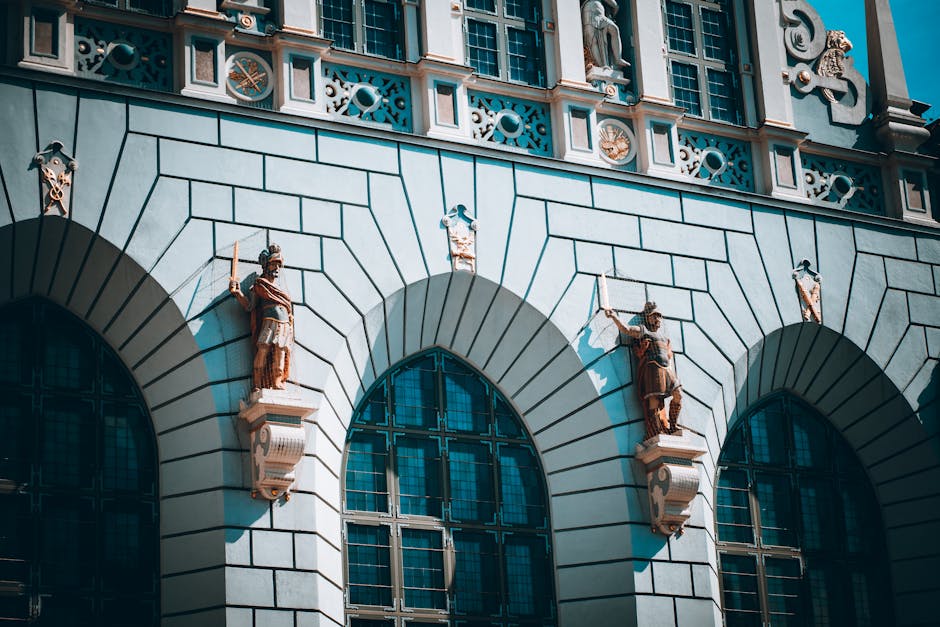 Easy
EasyGdansk, Poland
Discover the opulent Royal Way of Gdansk at your own pace. Explore Hanseatic history, gilded architecture, and the iconic Neptune's Fountain.
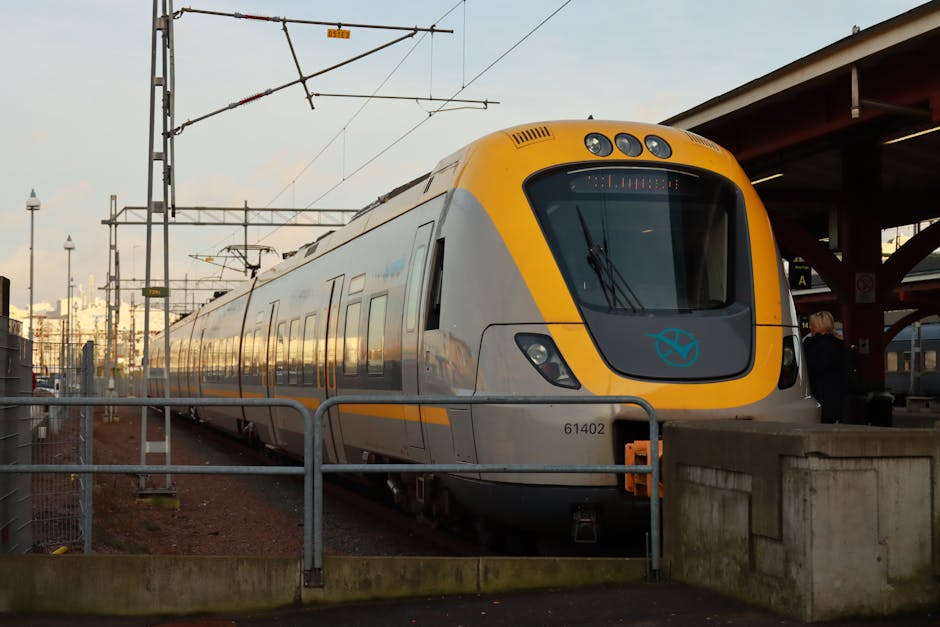 Moderate
Gothenburg, Sweden
Discover Gothenburg’s maritime soul on this self-guided walk from the historic Central Station to the scenic riverfront at Stenpiren.
 Moderate
Shanghai, China
Discover the 'Golden Mile' on this self-guided walking route through Shanghai's historic department stores and Art Deco landmarks.
 Easy
EasyShanghai, China
Explore Art Deco architecture, leafy boulevards, and hidden villas on this self-guided walk through the French Concession.
 Easy
EasyShanghai, China
Explore the intellectual heart of 1930s Shanghai on this self-guided stroll through Hongkou's historic literary landmarks and hidden alleys.
 Easy
EasyShanghai, China
Discover the 'Wall Street of the Orient' on this self-guided walk through Shanghai's legendary waterfront and its Art Deco architectural treasures.
