Bologna is often called 'La Rossa' (The Red) for its terracotta rooftops and its long-standing left-wing political identity, but this title was earned most fiercely during the dark years of World War II. This self-guided walking route dives deep into the city's legacy as a bastion of anti-fascism and the heart of the Italian Resistance movement. As you explore the medieval streets and hidden corners of the Centro Storico, you will encounter the ghosts of the 'Partigiani'—the ordinary men and women who risked everything to liberate Italy from Nazi-fascist occupation. This walking tour Bologna experience begins in the civic heart of the city, where a silent wall of faces serves as a powerful reminder of the human cost of freedom. From there, you will move beyond the typical tourist paths to discover neighborhoods like Via del Pratello, where the spirit of rebellion is still painted on the walls in vibrant street art. This neighborhood stroll isn't just a history lesson; it is an immersion into the soul of a city that refuses to forget. Unlike a standard guided tour Bologna, this self-guided adventure allows you to set the pace as you visit the site of the Battle of Porta Lame, one of the few instances of open urban warfare in occupied Europe. You will also visit the poignant Memoriale della Shoah, a modern architectural masterpiece located near the site of the wartime deportations. The route concludes at the Museo del Risorgimento, connecting the dots between Italy's 19th-century struggle for unity and its 20th-century fight for liberty. This journey is essential for anyone wanting to understand why Bologna remains one of Italy's most politically engaged and socially conscious cities. Whether you are a history buff or a curious traveler, this self-guided walk offers a profound perspective on the resilience and rebellion that shaped modern Italy.
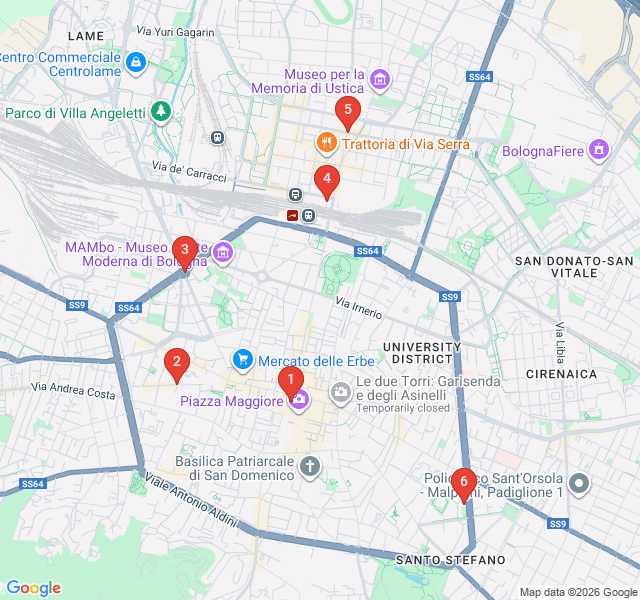
Numbers indicate the order of stops on the tour
Your journey begins at the corner of Palazzo d'Accursio in Piazza Nettuno. Here, you face the Sacrario dei Caduti, a shrine that grew spontaneously after the liberation. After the war, families began pinning photos of their missing loved ones to this wall. Today, it holds over 2,000 ceramic portraits of partisans who died fighting for freedom. Look closely at the faces—men, women, and even children are represented here. This wall transformed a seat of government into a sacred space for the community. It serves as a permanent 'presente' (present), a roll call of those who refused to submit to the fascist regime. Take a moment to appreciate the scale of the sacrifice before heading toward the rebellious streets of the west.
Welcome to Via del Pratello, a street that has been a thorn in the side of authority for centuries. During the Middle Ages, it was outside the second ring of walls and became a haven for the marginalized. During WWII, this narrow street was a stronghold for the Resistance, with its dense network of courtyards providing perfect escape routes for partisans. In the decades following the war, it became the center of Bologna's counter-culture and the home of the radical Radio Alice in the 1970s. Today, while it is famous for its vibrant nightlife and 'osterie', the murals and plaques along the street continue to celebrate the 'Republic of Pratello' and its enduring spirit of independence.
Standing before this ancient gate, you are at the site of one of the most significant urban battles of World War II in Italy. On November 7, 1944, about 300 partisans were surrounded by a much larger force of Nazi and fascist troops. Against all odds, the partisans engaged in a fierce day-long battle right here in the city streets. They managed to break the siege and retreat, dealing a massive psychological blow to the occupiers. Notice the two statues nearby; they depict a male and a female partisan, honoring the fact that women were essential combatants and messengers in the Bolognese Resistance. This battle proved that the city was not merely waiting for liberation, but actively fighting for it.
This striking monument, completed in 2016, is located near the central train station—the very place from which many were deported to concentration camps. The memorial consists of two massive steel blocks, 10 meters high, positioned so close together that they create a narrow, claustrophobic passage. As you walk through, notice how the space constricts, and the echoes of your footsteps change. The design is intended to evoke the feeling of the cattle cars and the systematic narrowing of horizons faced by victims of the Holocaust. It is a stark, modern addition to Bologna’s landscape of memory, forcing us to confront the silence and the void left by those who never returned.
You are now in the heart of the Bolognina district. Historically a working-class neighborhood populated by railway and factory workers, it was a natural breeding ground for anti-fascist sentiment. During the war, the 'GAP' (Patriotic Action Groups) were highly active here, carrying out sabotage against the nearby rail lines. In the years after the war, the neighborhood became synonymous with the Italian Communist Party; it was here in 1989 that the famous 'Svolta della Bolognina' (Bolognina Turning Point) occurred, signaling the end of the party and a major shift in Italian politics. The square remains a hub for social activism and a symbol of the city's enduring commitment to labor rights and political engagement.
The final stop is the Museum of the Risorgimento, located in the house where the poet Giosuè Carducci once lived. While the museum focuses heavily on the 19th-century struggle for Italian unification, its final sections bridge the gap to the 20th-century Resistance. It houses a vast archive of documents, posters, and artifacts from the partisan struggle in Bologna. By ending here, you can see how the 1943-1945 liberation was often viewed as a 'Second Risorgimento'—a continuation of the fight for a democratic and independent Italy. The museum provides the academic and historical context for the monuments you have visited today, ensuring that the stories of the rebellion are preserved for future generations.
Download Zigway to experience "Resistance and Rebellion: The WWII Legacy" with AI-powered audio narration. Walk at your own pace while stories unfold around you.
 Moderate
Bologna, Italy
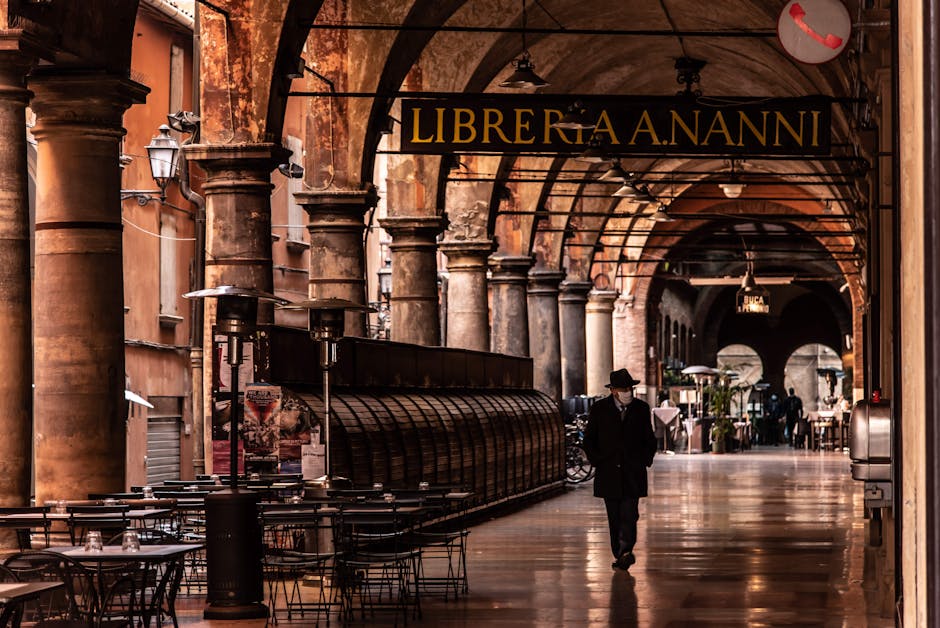
Explore Bologna's UNESCO-listed porticoes on this self-guided architectural stroll through historic streets and grand, frescoed arches.
 Easy
EasyBologna, Italy
Uncover Bologna's secret 'Little Venice' on this self-guided walk through hidden canals, ancient mills, and the city's industrial past.
 Easy
EasyBologna, Italy
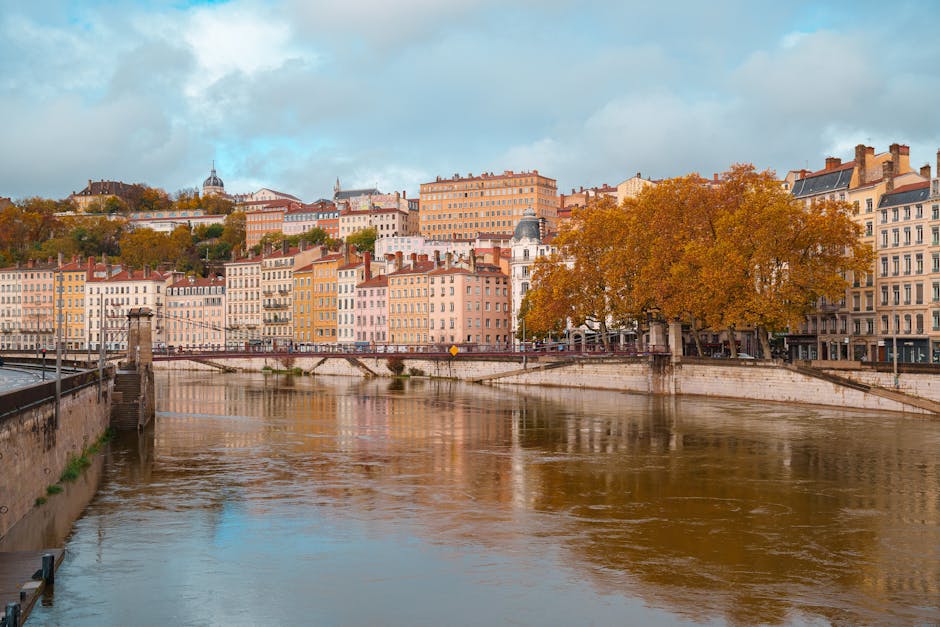
Uncover the legends and hidden architectural wonders of medieval Bologna on this self-guided stroll through the historic city center.
 Easy
EasyBologna, Italy
Discover the rebellious soul of Bologna with a self-guided stroll through the bars, street art, and bohemian history of the iconic Pratello district.
 Moderate
Gdansk, Poland
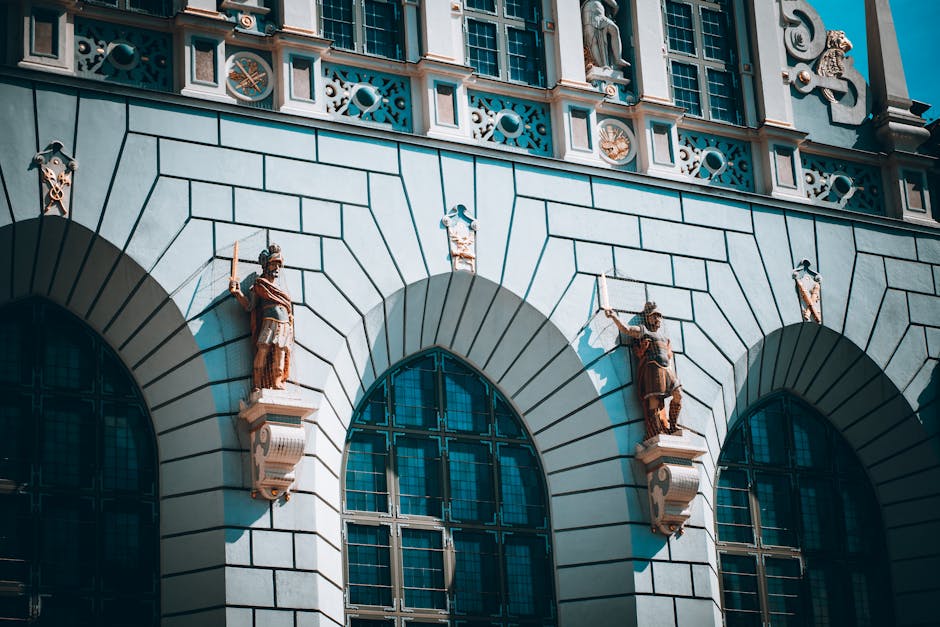
Discover the origins of WWII in Gdansk on this self-guided walk through heroic last stands, massive museums, and strategic hilltop fortifications.
 Easy
EasyNairobi, Kenya
Discover Nairobi’s literary soul on this self-guided walk through historic libraries, iconic bookshops, and cultural centers in the heart of the CBD.
 Moderate
Warsaw, Poland
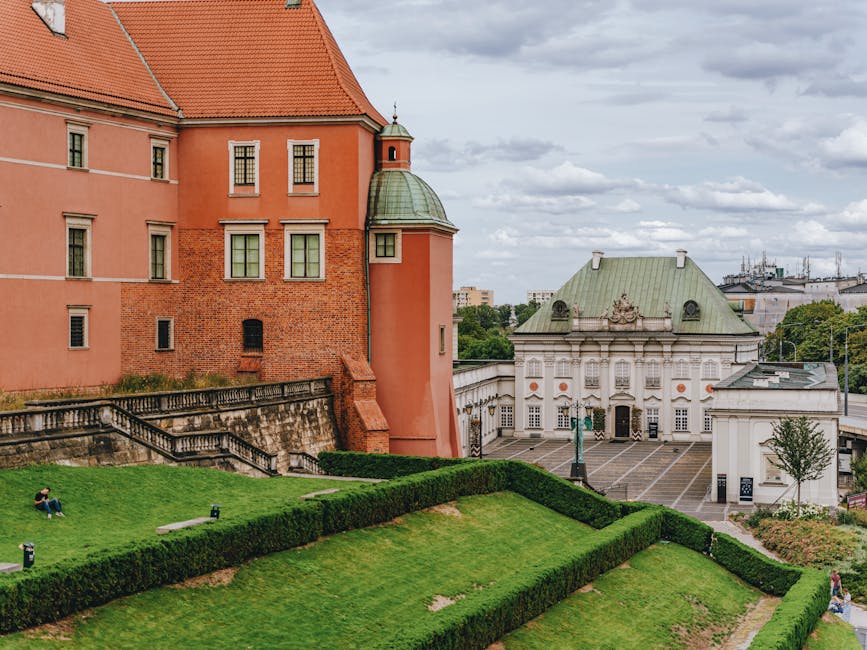
A powerful self-guided walk through Warsaw's WWII history, tracking the 1944 Uprising from ruined skyscrapers to solemn memorials.
 Easy
EasyKrakow, Poland
Explore Krakow’s artistic evolution from Renaissance masterpieces to vibrant urban murals on this inspiring self-guided walk through the city.
 Easy
EasyRome, Italy
Explore Rome’s industrial heart on this self-guided walk featuring massive murals, the 'Iron Colosseum,' and unique industrial archaeology.
 Easy
EasyRome, Italy
Explore Rome’s whimsical Fairytale District. A self-guided walk through Art Nouveau palaces, mythical fountains, and the magical Coppedè architecture.
 Moderate
Rome, Italy
Uncover Rome's hidden history on this self-guided walk through ancient gladiator pits, subterranean temples, and buried Roman houses.
 Challenging
Rome, Italy
Walk the 'Queen of Roads.' Explore ancient catacombs, imperial villas, and historic basalt stones on this scenic self-guided Roman adventure.
