Embark on a self-guided walk through the pulsing heart of the Neapolitan UNESCO World Heritage site along the famous 'Spaccanapoli.' This narrow, straight street literally 'splits' the city of Naples in two, following the path of the ancient Greco-Roman Decumanus Inferior. On this walking route, you will uncover layers of history that span over two millennia, from the Egyptian influences of the ancient world to the height of the Neapolitan Renaissance and the dramatic flourishes of the Baroque era. This neighborhood stroll is more than just a path; it is a living museum where laundry hangs above centuries-old palaces and the aroma of street food mingles with the incense of hidden chapels. Starting at the imposing Castel Capuano, once a fortress and later the seat of justice, the route leads you past grand noble residences like Palazzo Marigliano. You will encounter the mysterious Statua del Dio Nilo, a relic of the city's ancient trade connections, and pause in the monumental Piazza San Domenico Maggiore, dominated by its intricate spire. The journey continues toward the serene beauty of the Complesso Monumentale di Santa Chiara, known for its iconic Majolica cloister, before concluding in the vibrant Piazza del Gesù Nuovo, where the unique diamond-point facade of the Gesù Nuovo church stands as a testament to the city's architectural ingenuity. This exploration allows you to discover at your own pace, soaking in the energy of one of Europe's most densely populated and historically rich districts. Whether you are interested in the evolution of urban planning or the artistic treasures tucked away in every corner, this walking tour Naples experience offers an authentic look at the city's soul without the constraints of a rigid schedule. Exploring independently ensures you have time to stop for a classic Neapolitan espresso or browse the artisan shops of the Centro Storico, making this travel experience truly your own.
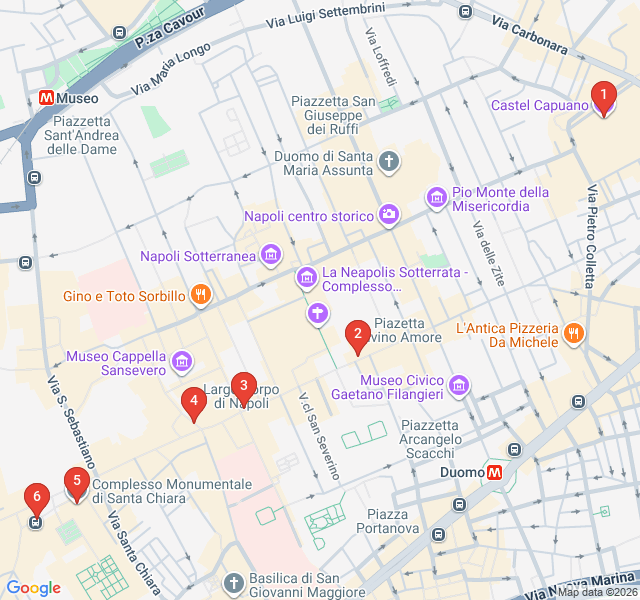
Numbers indicate the order of stops on the tour
Begin your self-guided adventure at Castel Capuano, the second oldest castle in Naples. Built in the 12th century by William I of Sicily, it stands on the site where a Roman gymnasium once existed. While its exterior might seem austere compared to the coastal Castel dell'Ovo, its history is deeply influential. In the 16th century, the Spanish Viceroy Don Pedro de Toledo transformed it from a royal residence into a centralized hall of justice, housing all the city's courts. For centuries, this building was the legal heart of Naples. Look up at the facade to see the coat of arms of Emperor Charles V, marking its transition into a seat of imperial law. Today, it remains a symbol of the city's long-standing civic and judicial traditions.
As you walk deeper into the narrow street of Via San Biagio dei Librai, you encounter Palazzo Marigliano. This is one of the finest examples of Renaissance architecture in Naples. Designed by Giovanni Francesco Mormando in the early 1500s, it served as the home of the Marigliano family. The elegant courtyard and the decorative elements of the facade offer a glimpse into the wealth and status of the Neapolitan nobility during the 16th century. Historically, this palace was a site of political intrigue; it was here that conspirators met during the Macchia Conspiracy of 1701, an unsuccessful attempt to overthrow the Spanish Bourbon rule. Notice how the palace integrates seamlessly into the dense urban fabric, a characteristic of Neapolitan aristocratic living.
In the small Piazzetta Nilo, you will find a curious sight: the Statua del Dio Nilo. This marble sculpture dates back to the 2nd or 3rd century AD, a time when Naples was a bustling Roman port. It was erected by a community of Alexandrian merchants who lived in this very neighborhood. The statue depicts the River Nile as a bearded man reclining with a cornucopia, symbolizing the fertility and wealth the river brought to Egypt. For centuries, the statue was headless and forgotten, buried under the city's layers, only to be rediscovered in the 15th century. It serves as a rare physical link to the multicultural, cosmopolitan nature of ancient Neapolis and the long-standing trade ties between Italy and North Africa.
Piazza San Domenico Maggiore is one of the most culturally significant squares in the city. It is anchored by the massive Church of San Domenico Maggiore, which was the favorite church of the Neapolitan nobility and once the seat of the University of Naples. Here, famous figures like Thomas Aquinas and Giordano Bruno studied. In the center of the square stands the Guglia di San Domenico, an ornate obelisk topped with a statue of the saint, erected by the city's residents as a plea for protection from the plague in the 17th century. The square is surrounded by grand palaces and is a perfect spot to observe the contrast between the city's religious devotion and its vibrant, modern street life.
The Complesso Monumentale di Santa Chiara is a sanctuary of peace amidst the chaos of Spaccanapoli. Built in the 14th century in the Provencal Gothic style, the church was largely destroyed by Allied bombing in 1943 but was meticulously restored to its original medieval form. The highlight here is the Cloister of the Clarisses. In the 18th century, the cloister was transformed with the addition of 66 octagonal columns and benches covered in beautiful Majolica tiles. These tiles depict scenes of daily life, landscapes, and mythological stories, creating a vibrant garden of ceramic art. It is a masterpiece of Rococo design and offers a colorful, quiet contrast to the gray stone of the surrounding city.
Your neighborhood stroll concludes in Piazza del Gesù Nuovo. The square is dominated by the Church of Gesù Nuovo, which features one of the most unusual facades in Italy. Originally a 15th-century palace, the building was later converted into a Jesuit church. Its exterior is covered in 'diamond-point' ashlar masonry—protruding stone pyramids that give the building a fortress-like appearance. Legend says the stones were marked with occult symbols to channel positive energy, though some locals whisper of a curse. In the center of the piazza stands the Guglia dell'Immacolata, the tallest and most ornate spire in Naples. This square marks the edge of the historic Greek city and serves as the perfect gateway to the modern city beyond.
Download Zigway to experience "Spaccanapoli: The Street That Splits Naples" with AI-powered audio narration. Walk at your own pace while stories unfold around you.
 Moderate
Naples, Italy
Explore the vibrant street art, hidden shrines, and legendary Maradona murals in the heart of Naples' most iconic neighborhood.
 Challenging
Naples, Italy
Follow Elena and Lila’s journey through Naples. Explore the gritty streets and elegant plazas that defined Elena Ferrante’s Neapolitan Novels.
 Easy
EasyNaples, Italy
Uncover 2,500 years of history on this self-guided walk through the subterranean wonders and ancient layers of the Naples historic center.
 Easy
EasyNaples, Italy
Explore the Bourbon legacy on this self-guided walk from the ornate Galleria Umberto I to the historic Ovo Castle overlooking the sea.
 Easy
EasySalzburg, Austria
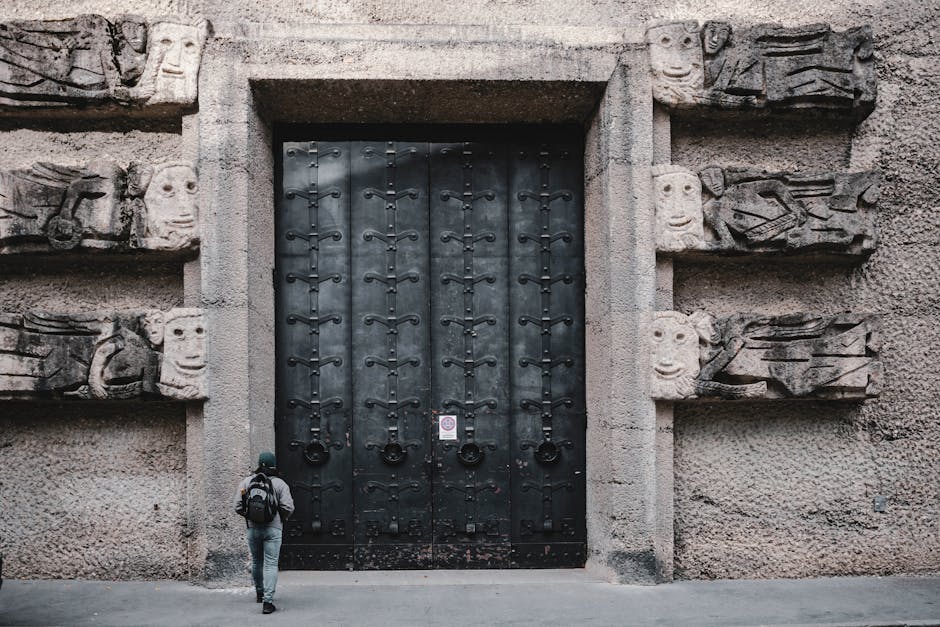
Discover the 'Rome of the North' on this self-guided walk through the Baroque squares and monumental legacy of Salzburg’s Prince-Archbishops.
 Easy
EasyWarsaw, Poland
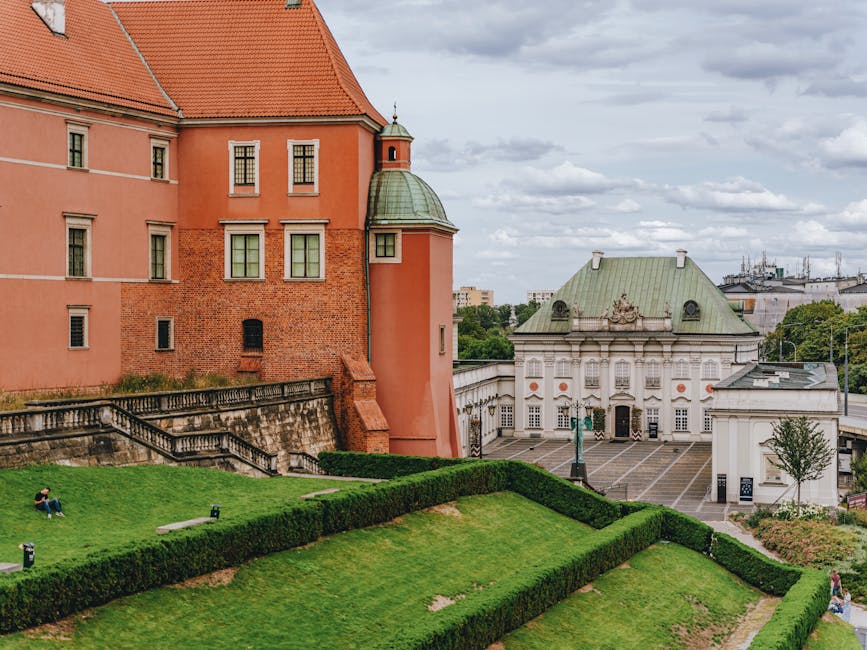
Explore the miracle of Warsaw's reconstructed Old Town on this self-guided walk through royal squares, medieval walls, and heroic monuments.
 Easy
EasyGothenburg, Sweden
Discover Gothenburg’s 17th-century Dutch foundations, historic canals, and military fortifications on this self-guided architectural walk.
 Easy
EasyNairobi, Kenya
Explore Nairobi's architectural evolution from colonial-era landmarks to iconic Brutalist skyscrapers on this historic self-guided walking route.
 Easy
EasyRome, Italy
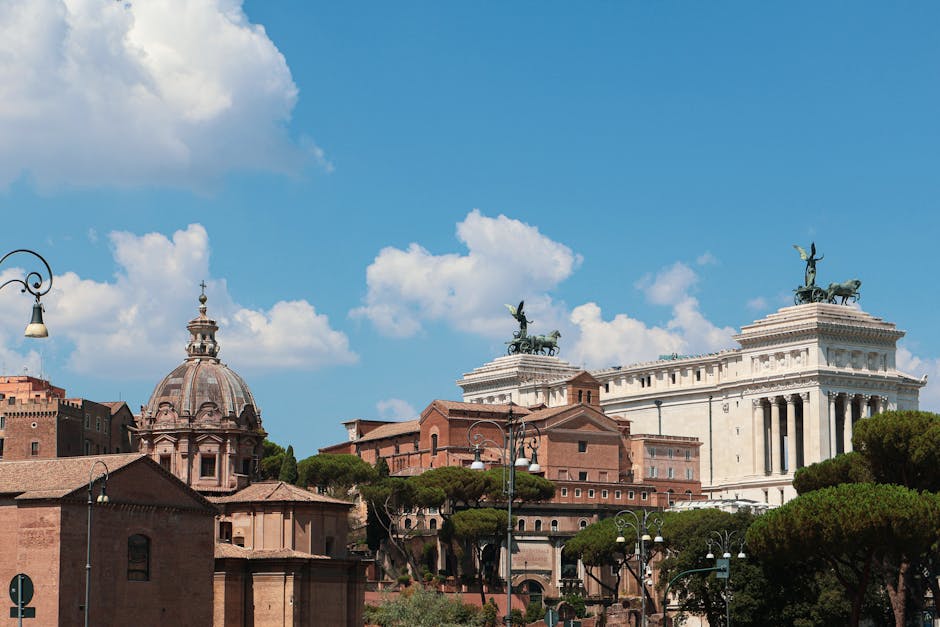
Explore Rome’s industrial heart on this self-guided walk featuring massive murals, the 'Iron Colosseum,' and unique industrial archaeology.
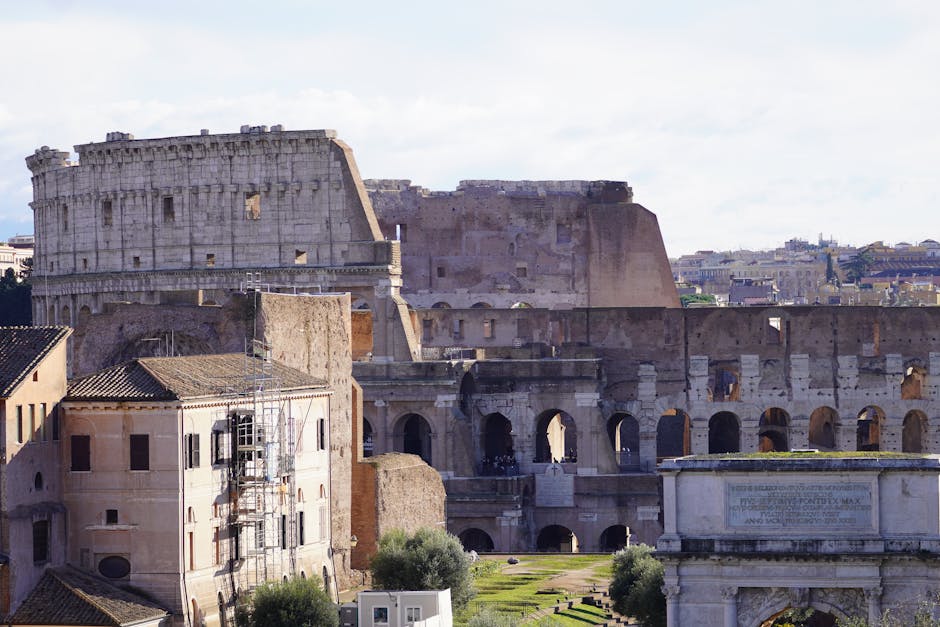 Easy
EasyRome, Italy
Explore Rome’s whimsical Fairytale District. A self-guided walk through Art Nouveau palaces, mythical fountains, and the magical Coppedè architecture.
 Moderate
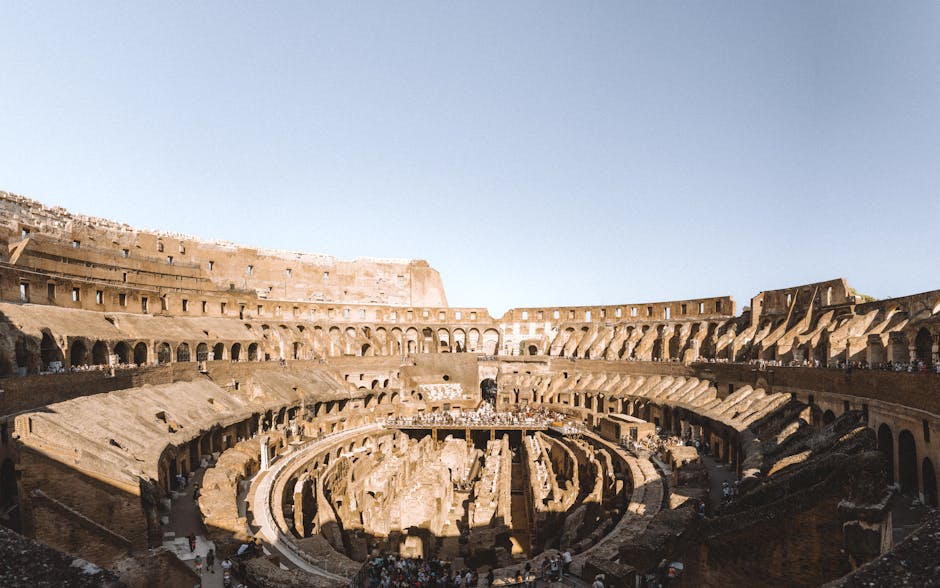
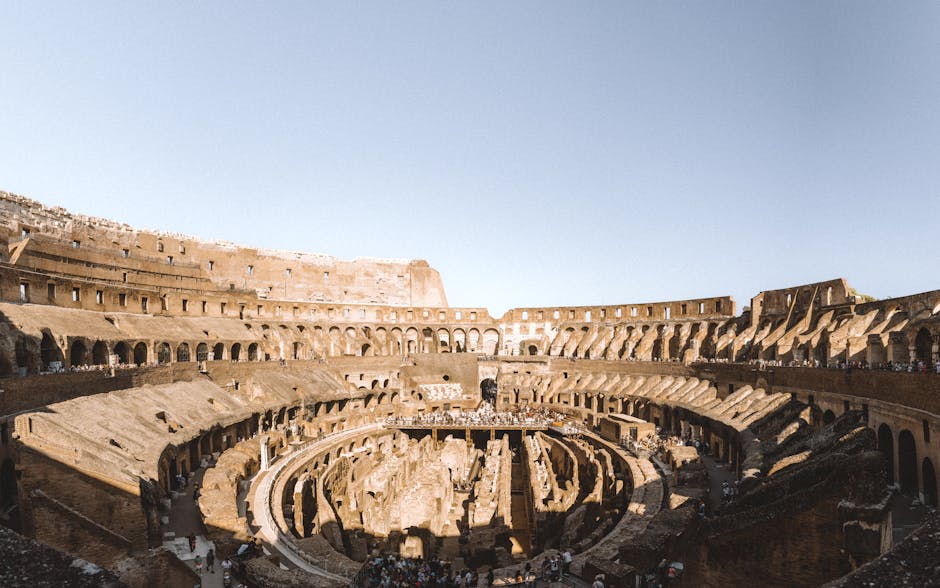
Rome, Italy
Uncover Rome's hidden history on this self-guided walk through ancient gladiator pits, subterranean temples, and buried Roman houses.
 Challenging
Rome, Italy
Walk the 'Queen of Roads.' Explore ancient catacombs, imperial villas, and historic basalt stones on this scenic self-guided Roman adventure.
