Step away from the grand palazzos of Naples and enter the beating, chaotic heart of the city: the Quartieri Spagnoli. This self-guided walk invites you to explore a grid of narrow alleys originally built in the 16th century to house Spanish military garrisons. Once considered a forbidden zone for travelers, the neighborhood has transformed into a vibrant open-air gallery where ancient traditions meet contemporary street art. As you navigate the cobblestones, you will discover how the 'Spanish Quarters' balance their gritty reputation with a deep sense of community and artistic rebirth. This neighborhood stroll takes you through the labyrinthine streets where laundry flutters overhead like flags and the scent of espresso mixes with motorcycle exhaust. You will encounter the works of world-renowned street artists like Cyop & Kaf, who have turned weathered walls into canvases, and see how the neighborhood's identity is inextricably linked to its local heroes. The route highlights the dual nature of Neapolitan devotion, moving from the sacred silence of the Church of Santa Maria Francesca—a pilgrimage site for those seeking miracles—to the secular 'cathedral' of Largo Maradona. Here, the legendary footballer is worshipped with a fervor usually reserved for saints. This walking route is not just about seeing sights; it is about experiencing the sensory overload of Naples at its most authentic. Whether you are a photography enthusiast looking for the perfect shot of a sun-drenched alleyway or a culture seeker interested in the social history of the city, this audio walk provides the context needed to understand the 'myth' of the Quartieri Spagnoli. Explore independently and at your own pace, allowing the stories of the streets to guide you through one of Europe's most densely populated and fascinating urban landscapes. **Note:** This area is known for its ever-changing character. Street art, pop-up venues, and temporary exhibitions may differ from what's described. That's part of the adventure - you might discover something entirely new!
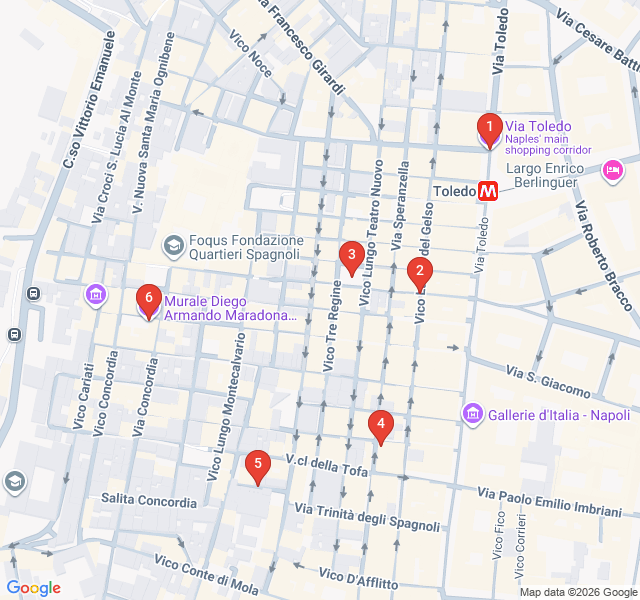
Numbers indicate the order of stops on the tour
Begin your self-guided adventure on Via Toledo, one of the most famous shopping streets in Naples. Created by the Spanish Viceroy Pedro de Toledo in 1536, this grand boulevard serves as the boundary between the elegant city center and the dense Quartieri Spagnoli. As you stand here, notice the stark contrast between the wide, sunlit street and the dark, narrow alleys branching off into the quarters. This street has long been the pulse of Neapolitan life, immortalized in songs and literature. Look up at the ornate balconies and imagine the centuries of parades and protests that have passed through here. Below your feet lies the Toledo Metro station, often cited as one of the most beautiful in Europe, symbolizing the city's blend of historic grit and modern artistic vision.
Turning into Vico Lungo del Gelso, you immediately feel the atmosphere shift. This long alleyway is a prime location to spot the distinct street art that defines the modern Quartieri. Keep an eye out for the 'Quore Spinato' series by the artist duo Cyop & Kaf. Their surreal, often unsettling figures are scattered throughout the neighborhood, designed to reflect the subconscious of the streets. Street art in this area is volatile; pieces may be painted over or weathered by time, which is part of the neighborhood's evolving character. This street was historically known for its nightlife and taverns, and today it remains a place where the domestic and the public blur, with residents' front doors opening directly onto the narrow passage.
Largo Baracche is a central hub within the neighborhood's grid. The name 'Baracche' refers to the barracks that once housed Spanish soldiers. Today, it is a lively square that captures the essence of Neapolitan social life. Observe the 'bassi'—small, street-level apartments where life is lived partially on the sidewalk. This area has undergone a significant cultural shift; once avoided by outsiders, it is now a center for local grassroots initiatives and small businesses. The architecture here is a vertical puzzle of stone and plaster, where centuries of additions have created a unique, albeit cramped, urban masterpiece. It is the perfect spot to observe the daily choreography of motor scooters navigating the tight corners.
Nestled within the dense housing is a site of intense local devotion. This church is dedicated to Saint Mary Frances of the Five Wounds, the first Neapolitan woman to be canonized. She is the patron saint of expectant mothers and those struggling to conceive. Inside, there is a famous 'miracle chair' where the saint used to sit to find relief from her physical suffering. To this day, women from all over Italy visit to sit in the chair and receive a blessing. This stop highlights the deep-rooted religious traditions that coexist with the neighborhood's more rebellious street culture. The small museum attached to the church offers a rare glimpse into a 18th-century Neapolitan interior.
As you wander through Vicoletto Trinità degli Spagnoli, you are walking through the heart of the neighborhood's artistic reclamation. This area features a high concentration of murals and stencil art, ranging from political statements to tributes to Neapolitan icons like the actor Totò. The art here serves as a visual history of the Quartieri's struggles and triumphs. Notice how the murals often incorporate the architectural flaws of the buildings—a crack in the wall might become part of a character's face. This is a great place to appreciate the DIY spirit of Naples, where residents and artists work together to beautify their surroundings. Remember that street art is temporary, so what you see today is a unique snapshot in time.
You have arrived at the 'Largo Maradona,' the spiritual heart of Naples. The massive mural of Diego Maradona was originally painted by Mario Filardi in 1990 to celebrate Napoli's second league title. Following Maradona's death in 2020, this corner transformed into a permanent shrine and a major pilgrimage site. It isn't just a painting; it is a testament to the man who became a symbol of hope and defiance for the South of Italy. Look for the window that opens right where Maradona's face is—the resident who lives there used to keep it closed to avoid 'blinding' the Golden Boy. The area is filled with flags, photos, and offerings, creating an atmosphere of secular sanctity that is uniquely Neapolitan.
Download Zigway to experience "Quartieri Spagnoli: Murals and Myth" with AI-powered audio narration. Walk at your own pace while stories unfold around you.
 Challenging
Naples, Italy
Follow Elena and Lila’s journey through Naples. Explore the gritty streets and elegant plazas that defined Elena Ferrante’s Neapolitan Novels.
 Easy
EasyNaples, Italy
Uncover 2,500 years of history on this self-guided walk through the subterranean wonders and ancient layers of the Naples historic center.
 Easy
EasyNaples, Italy
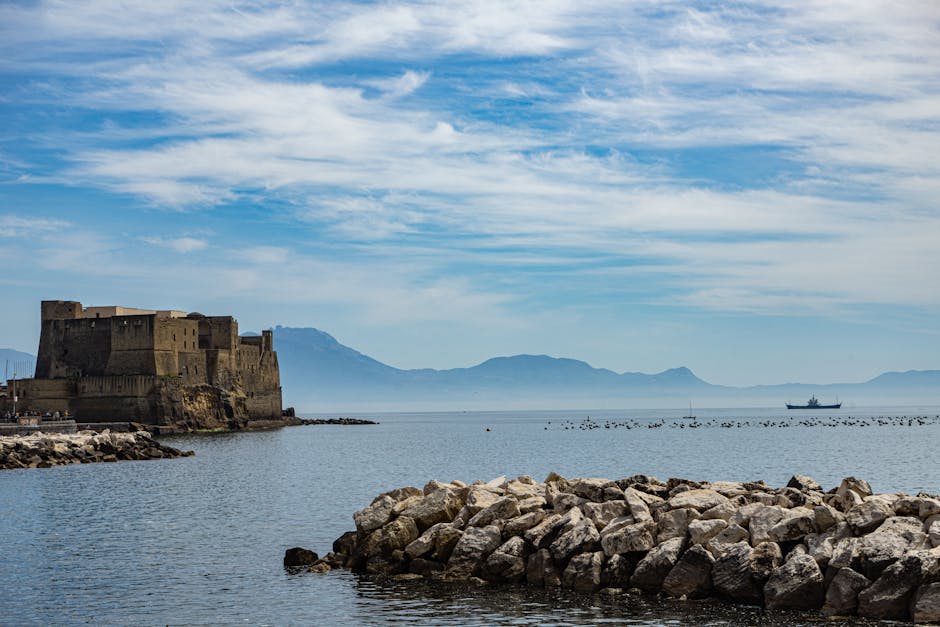
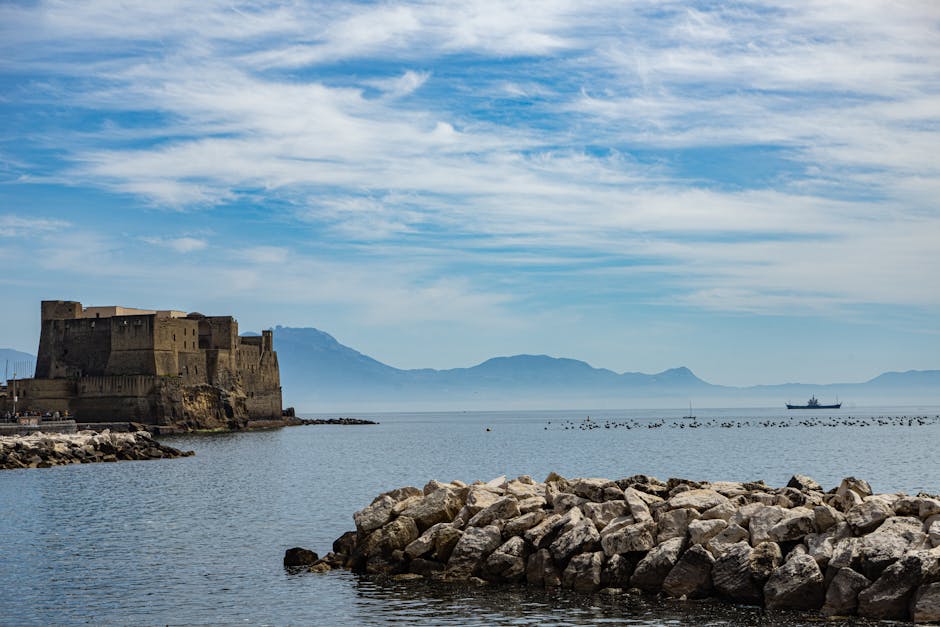
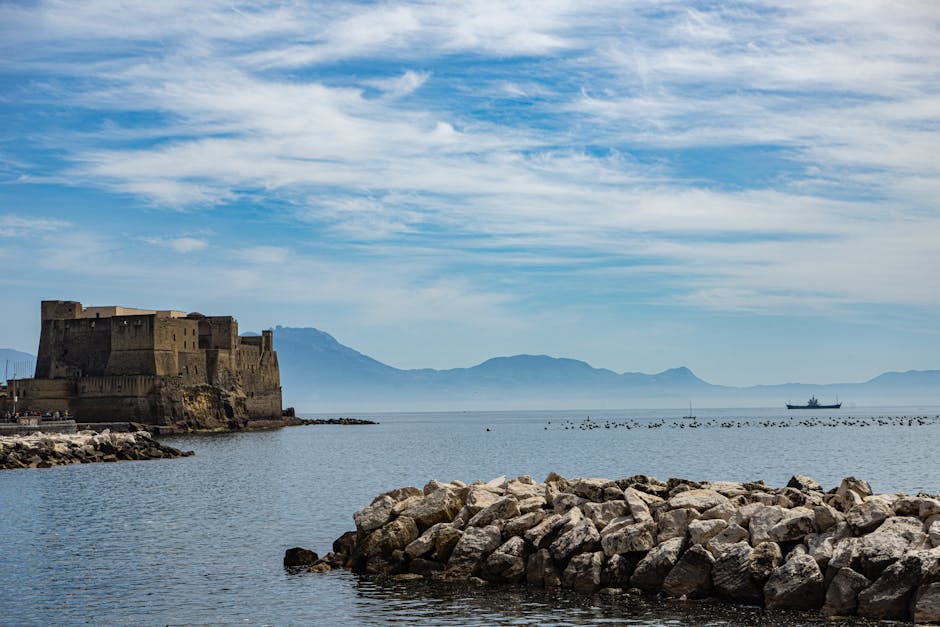
Explore the Bourbon legacy on this self-guided walk from the ornate Galleria Umberto I to the historic Ovo Castle overlooking the sea.
 Moderate
Naples, Italy
Explore Roman ruins, legendary seaside palaces, and breathtaking Mediterranean vistas on this self-guided stroll through Posillipo's coastal heights.
 Easy
EasyVienna, Austria
Explore Vienna’s vibrant open-air gallery along the Danube Canal on this self-guided street art and nightlife stroll through Leopoldstadt.
 Moderate
Krakow, Poland
Discover Krakow’s stunning skyline and riverside charm on this self-guided audio walk through scenic viewpoints and historic mounds.
 Easy
EasyKrakow, Poland
Explore Krakow’s artistic evolution from Renaissance masterpieces to vibrant urban murals on this inspiring self-guided walk through the city.
 Moderate
Gdansk, Poland
Discover the raw beauty of Gdansk’s Lower Town. Explore industrial ruins, hidden sluices, and riverside bastions on this self-guided walk.
 Easy
EasyRome, Italy
Explore Rome’s industrial heart on this self-guided walk featuring massive murals, the 'Iron Colosseum,' and unique industrial archaeology.
 Easy
EasyRome, Italy
Explore Rome’s whimsical Fairytale District. A self-guided walk through Art Nouveau palaces, mythical fountains, and the magical Coppedè architecture.
 Moderate
Rome, Italy
Uncover Rome's hidden history on this self-guided walk through ancient gladiator pits, subterranean temples, and buried Roman houses.
 Challenging
Rome, Italy
Walk the 'Queen of Roads.' Explore ancient catacombs, imperial villas, and historic basalt stones on this scenic self-guided Roman adventure.
